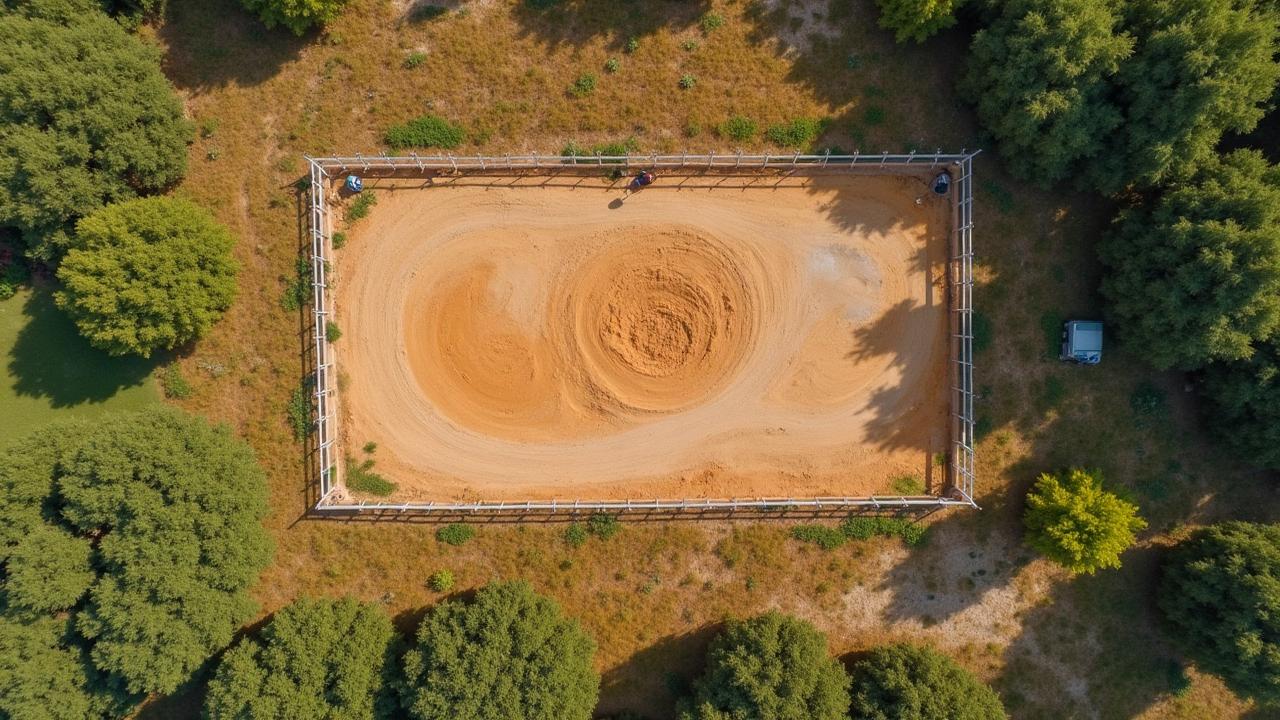
Buying vacant land can be an exciting investment, whether you're planning to build your dream home, start a farming operation, or develop a commercial project. However, not all land is created equal—and not all land is buildable. Before you sign the purchase agreement, it's absolutely critical to conduct thorough due diligence to ensure the property can actually support your building plans.
Many first-time land buyers make the costly mistake of assuming that if land is for sale, it must be buildable. Unfortunately, this assumption can lead to purchasing a parcel that can't support a septic system, lacks road access, sits in a flood zone, or violates local zoning ordinances. Let's walk through the essential steps to verify land buildability before you buy.
Step 1: Research Local Zoning Laws and Land Use Regulations
The first step in determining if land is buildable is understanding what the local zoning regulations allow. Zoning laws dictate how land can be used—whether for residential, commercial, agricultural, or industrial purposes. Even within residential zoning, there may be restrictions on the type of dwelling you can build, minimum lot sizes, setback requirements, and height limitations.
Visit your county's planning and zoning department, either in person or online, to review the property's zoning classification. Ask about any overlay districts, special use requirements, or planned zoning changes that might affect your building plans. Understanding zoning regulations and development potential is essential for any land purchase.
Pro Tip: Request a formal zoning verification letter from the county. This provides written confirmation of the property's zoning status and any restrictions that apply.
Step 2: Verify Soil Conditions and Perc Test Results
If the property isn't connected to a municipal sewer system, you'll need a septic system—and that means the soil must pass a percolation test (commonly called a "perc test"). This test measures how quickly water drains through the soil and determines whether the land can support a conventional septic system.
A failed perc test doesn't always mean the land is unbuildable, but it significantly complicates and increases the cost of development. Alternative septic systems like mound systems or aerobic treatment units may be options, but they require additional permits and can cost $15,000 to $30,000 more than conventional systems.
Before purchasing, request copies of any existing perc tests or make your purchase contingent on a satisfactory soil evaluation. Learn more about perc tests and why they matter for your land purchase.

A professional surveyor evaluating property boundaries and buildable area
Step 3: Confirm Legal Road Access and Easements
Legal road access is one of the most overlooked aspects of land purchasing. Without documented legal access to a public road, the property may be essentially landlocked—which makes it extremely difficult or impossible to obtain building permits, utility connections, or financing.
Review the property deed and title report carefully for recorded easements. An easement grants you the legal right to cross another person's property to reach yours. Without a recorded easement, verbal agreements with neighbors won't protect you if ownership changes or disputes arise.
- Verify the property has frontage on a public road OR a recorded access easement
- Check if the road is maintained by the county or a private association
- Review the width and type of easement (some may restrict commercial use)
Step 4: Investigate Utility Availability and Connection Costs
Building a home requires water, electricity, and often gas or internet service. Remote properties may have no utilities nearby, which means you'll need to bring power lines to the property (which can cost $20,000-$50,000+ per mile) or invest in off-grid solutions like solar and well water.
Contact local utility providers directly to get realistic cost estimates for connecting services to the property. Request written quotes when possible, as verbal estimates can sometimes be wildly inaccurate once the utility company surveys the actual conditions. If the parcel relies on a well or surface water, also confirm who owns the water rights — in some Western states water access is a separate legal question from land ownership.
Questions to Ask:
- • How far is the nearest electrical connection point?
- • What's the estimated cost per foot to run lines?
- • Is municipal water/sewer available?
- • What permits are required for a well?
Common Costs:
- • Power line extension: $15-$50 per foot
- • Well drilling: $5,000-$15,000+
- • Septic system: $10,000-$35,000
- • Driveway installation: $3,000-$15,000+
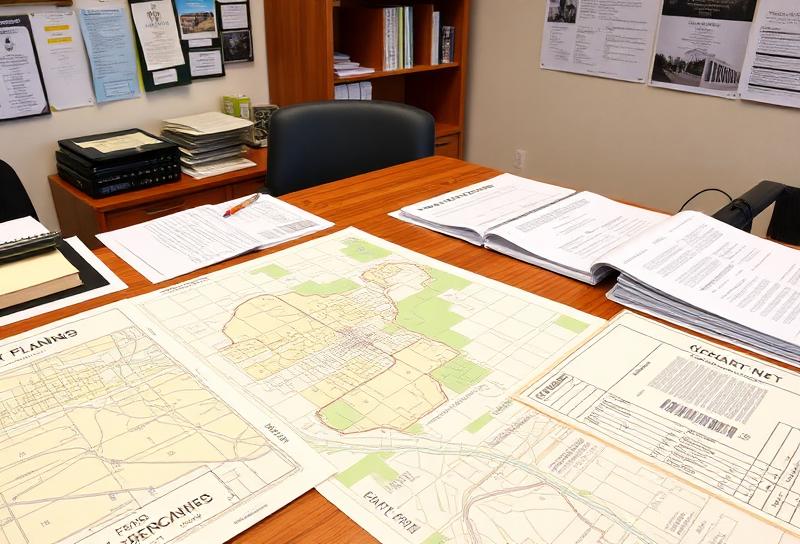
Reviewing zoning maps and land use regulations at a county planning office
Step 5: Check for Environmental Restrictions and Hazards
Environmental factors can completely prevent building or add substantial costs to your project. Key issues to investigate include:
- Flood Zones: Properties in FEMA-designated flood zones face strict building requirements and require expensive flood insurance. Check how to identify flood zones before purchasing.
- Wetlands: Federally protected wetlands cannot be filled or developed. Even small seasonal wet areas may require Army Corps of Engineers permits.
- Endangered Species: If protected species habitat exists on the property, development may be severely restricted.
- Soil Contamination: Former industrial, agricultural, or dump sites may require expensive environmental remediation.
Step 6: Evaluate Topography and Physical Buildability
Beyond legal and regulatory considerations, the physical characteristics of the land matter enormously. A 10-acre parcel might look great on paper, but if it's entirely on a 45-degree slope, covered with boulders, or situated in a drainage swale, building costs could be prohibitive.
Walk the property yourself and consider hiring a surveyor or civil engineer to assess buildability. Key physical factors include slope grade, drainage patterns, rock formations, existing vegetation, and the location of any suitable building sites.
Understanding how to properly evaluate raw land before purchasing can save you from expensive surprises later.
Step 7: Pre-Application with the Building Department
One of the smartest moves you can make before purchasing land is scheduling a pre-application meeting with the county or city building department. Many jurisdictions offer this service to help prospective buyers understand what will be required to obtain building permits.
Bring your preliminary plans, a survey of the property, and a list of questions. Building officials can identify potential issues with setbacks, lot coverage, fire access requirements, and other regulations that might affect your project. This meeting is typically free and can save you from purchasing land that doesn't suit your needs.
Land Buildability Quick Checklist
The Buildability Decision Tree
Walk a parcel through these six gates in order. A "no" at any step doesn't always end the deal — but it tells you where to dig deeper before you sign anything. This is the same flow our team uses internally before making a cash offer, and it pairs well with the broader rural land due diligence checklist.
State-Specific Buildability Checklist
Buildability rules are mostly local, but state law sets the floor for permitting authority, septic standards, and minimum lot sizes. Here's what to expect in four states where buyers most often run into surprises.
Delaware
- Permits issued by: County (Sussex, Kent, New Castle) Building Code Department; some incorporated towns issue their own.
- Perc test: Required for any parcel without public sewer. Conducted by a Delaware DNREC-licensed Class H soil scientist.
- Typical minimum lot size: 0.75–1 acre in rural-residential (AR-1) districts, often more if relying on well + septic.
- Utilities: Public water/sewer common in towns; rural Sussex parcels almost always require well, septic, and propane.
Maryland
- Permits issued by: County Department of Permits & Inspections (e.g., Anne Arundel, Frederick); Baltimore City has its own.
- Perc test: Required and witnessed by the county Health Department. Critical Area and Chesapeake Bay buffer rules add layers in many counties.
- Typical minimum lot size: 1–3 acres in Resource Conservation zones; 20,000 sq ft in suburban districts.
- Utilities: Most central counties have public water/sewer; expect well + septic in Western MD and the Eastern Shore.
Virginia
- Permits issued by: County or independent city Building Official; permits follow the Virginia Uniform Statewide Building Code.
- Perc test: Required by the Virginia Department of Health (VDH) Onsite Sewage program. Alternative systems are common in clay-heavy soils.
- Typical minimum lot size: 1 acre in rural-residential zoning; 2–5 acres in agricultural districts; smaller lots allowed in growth areas with public utilities.
- Utilities: Power is generally available statewide; water depends heavily on county — Loudoun, Fairfax, and Henrico have broad public service, while Bath, Highland, and Buckingham are mostly well/septic.
Alabama
- Permits issued by: Municipal building department inside city limits; many rural Alabama counties do not require a residential building permit at all — but septic and electrical permits still apply.
- Perc test: Required by the Alabama Department of Public Health (ADPH) before any septic permit is issued. Learn the basics in our perc test 101 guide.
- Typical minimum lot size: Varies widely — many rural counties have no minimum, while platted subdivisions enforce 0.5–1 acre.
- Utilities: Rural electric co-ops cover most of the state; water often via rural water authorities, but extensions can run $20–$40 per linear foot.
Red Flags That Mean Land Is NOT Buildable
If you spot any of these during due diligence, slow down. Some are fixable with patience and money — others are reasons to walk away entirely.
1. Failed perc test with no alternative system approved
If the soil won't drain and the Health Department won't approve a mound or aerobic system, you can't legally install septic — which usually means no building permit.
2. No recorded legal access to a public road
A landlocked parcel with only a verbal handshake easement is effectively unbuildable. Lenders won't finance it and counties typically won't permit it.
3. Entire parcel inside a FEMA Special Flood Hazard Area (Zone A or V)
Building is possible but extremely expensive — elevation requirements, mandatory flood insurance, and stricter construction add tens of thousands of dollars.
4. Designated wetlands covering the build envelope
Federally protected wetlands trigger Army Corps of Engineers review. Filling or building on them is rarely approved and carries heavy fines if done without a permit.
5. Zoning that prohibits residential use with no rezone path
Some industrial, conservation, or agricultural-preserve districts simply don't allow a house, and the county won't entertain a variance.
6. Utility easements crossing the only flat building area
Power, gas, or pipeline easements often forbid permanent structures within their corridor — read the recorded easement, not just the title summary.
7. Slopes consistently over 25%
Steep terrain dramatically raises foundation, septic, and driveway costs, and many counties require expensive geotechnical studies before permitting.
8. Unresolved title issues, boundary disputes, or back taxes
Clouded title can stall or block a build for months or years. Always order a full title search before removing your due diligence contingency.
When to Walk Away from a Land Deal
Not every piece of land is worth buying, regardless of the price. Consider walking away if you encounter failed perc tests with no viable alternatives, landlocked property with no recorded access easement, unresolved title issues or boundary disputes, properties entirely within flood zones or wetlands, or zoning that cannot be changed for your intended use. The purchase price may be appealing, but development costs on problematic land can easily exceed the value of the finished project.
If you're holding land that has proven difficult to build on, you might consider selling to a cash land buyer who specializes in purchasing properties in as-is condition. This allows you to move on without the burden of maintaining and paying taxes on unbuildable land.
Protect Your Investment with Proper Due Diligence
The excitement of finding the perfect piece of land can cloud judgment. Resist the urge to skip due diligence steps—the few hundred dollars you spend on surveys, soil tests, and professional consultations pales in comparison to the tens of thousands you could lose on unbuildable land.
Always make your purchase offer contingent on satisfactory completion of your due diligence checklist. A reputable seller will understand and accommodate reasonable investigation periods. If a seller refuses to allow proper due diligence, that's a major red flag suggesting they know something problematic about the property.
With careful research and professional guidance, you can confidently purchase land knowing it will support your building dreams—not turn into a costly, undevelopable liability.