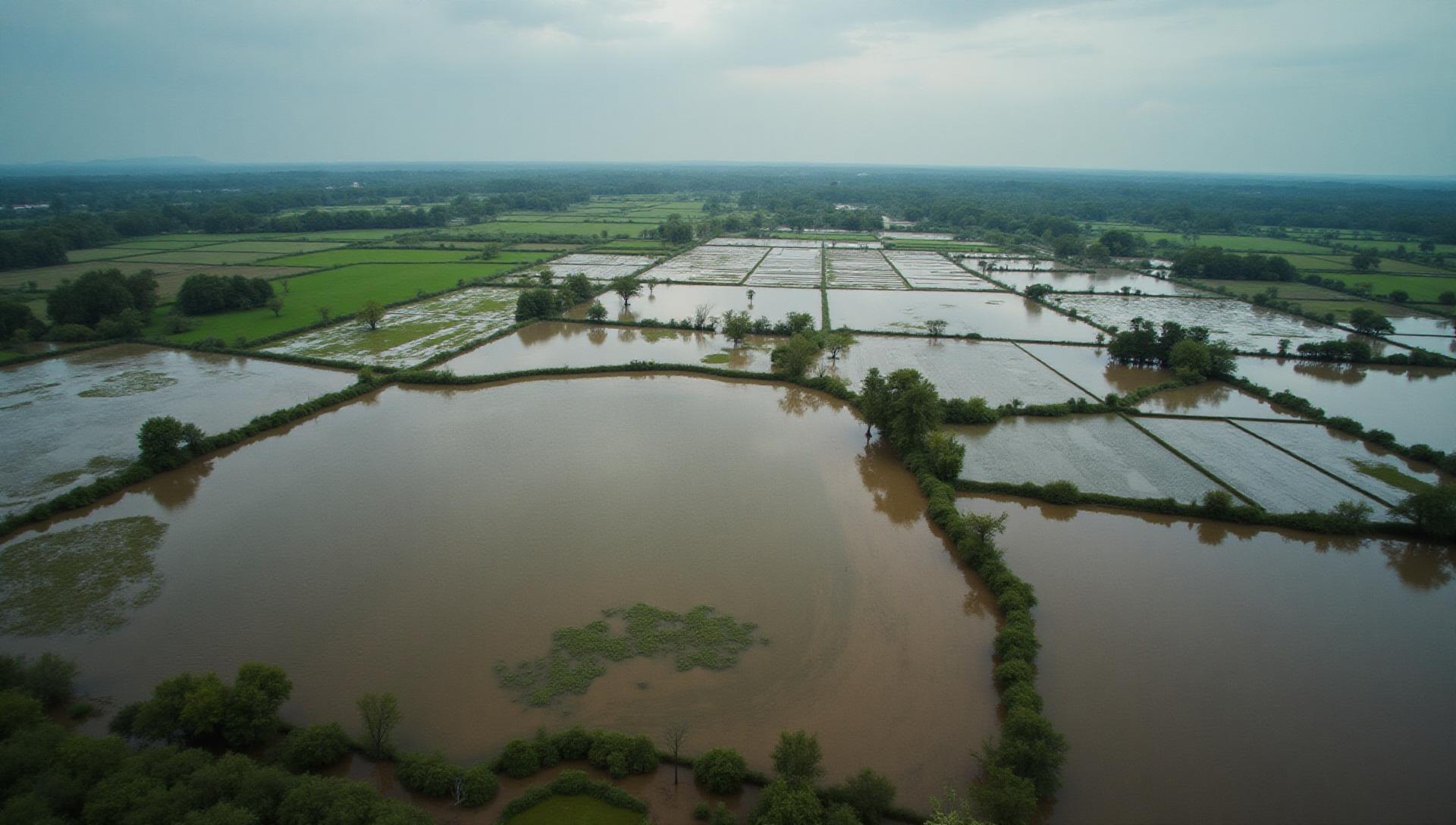
Whether you're buying vacant land, selling property, or simply curious about your current holdings, understanding flood zones is one of the most critical factors in real estate. Flood zone designation can dramatically impact property values, insurance requirements, development potential, and even your ability to sell. This comprehensive guide will teach you everything you need to know about identifying flood zones and understanding their real-world implications for landowners.
What Are Flood Zones?
Flood zones are geographic areas that FEMA (Federal Emergency Management Agency) has defined according to varying levels of flood risk. These designations are mapped on Flood Insurance Rate Maps (FIRMs) and determine insurance requirements, building codes, and land use regulations across the United States.
The concept originated with the National Flood Insurance Program (NFIP) in 1968, created to provide affordable flood insurance to property owners while encouraging communities to adopt floodplain management regulations. Today, flood zone maps affect millions of property transactions and development decisions annually.
Key Insight
Flood zones aren't just about rivers and coastlines. Urban flooding, poor drainage, and changing climate patterns mean flood risk can exist in areas you'd never expect. Approximately 25% of all flood insurance claims come from properties outside high-risk flood zones.
Understanding Different Flood Zone Types
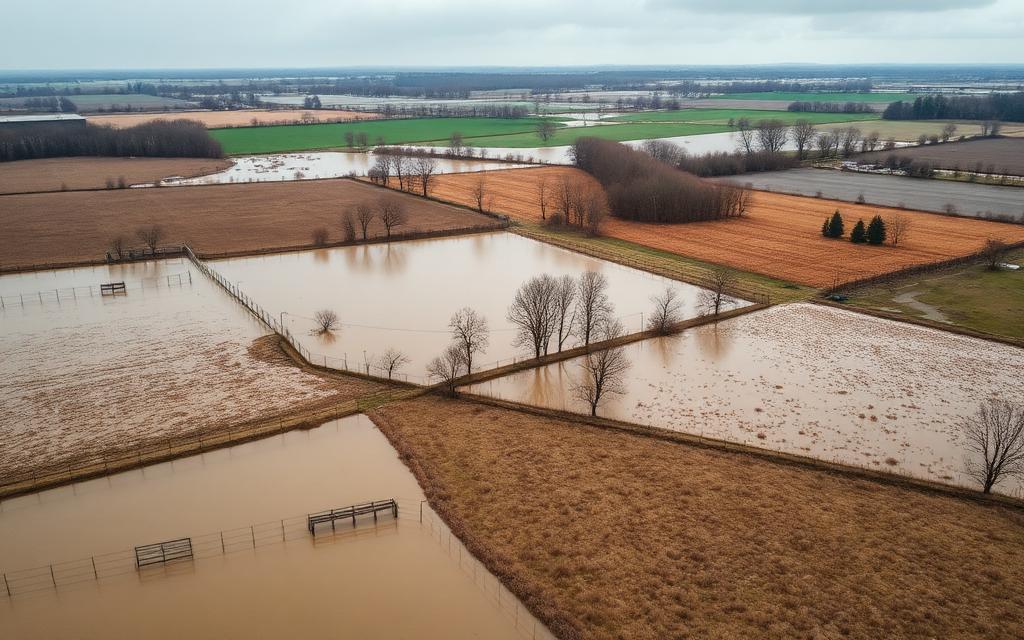
FEMA uses a letter-based system to categorize flood risk. Understanding these designations is essential for making informed decisions about land purchases, development, and insurance.
High-Risk Flood Zones (Special Flood Hazard Areas)
Zone A
Areas with 1% annual chance of flooding (100-year flood). No base flood elevations determined. Mandatory flood insurance required for federally-backed mortgages.
Zone AE
Same 1% annual flood risk as Zone A, but with base flood elevations determined. Most common high-risk designation in detailed flood studies.
Zone AH
Areas of shallow flooding (ponding) with 1% annual chance. Flood depths typically 1-3 feet with no defined flow direction.
Zone VE / V
Coastal areas with additional hazards from storm waves. Highest risk designation with strictest building requirements.
Moderate to Low-Risk Flood Zones
Zone X (Shaded)
Moderate flood risk. Areas between 100-year and 500-year flood boundaries. Flood insurance not required but recommended.
Zone X (Unshaded)
Minimal flood risk. Areas outside 500-year flood zone. Lowest insurance rates available through NFIP.
How to Check if Your Property is in a Flood Zone
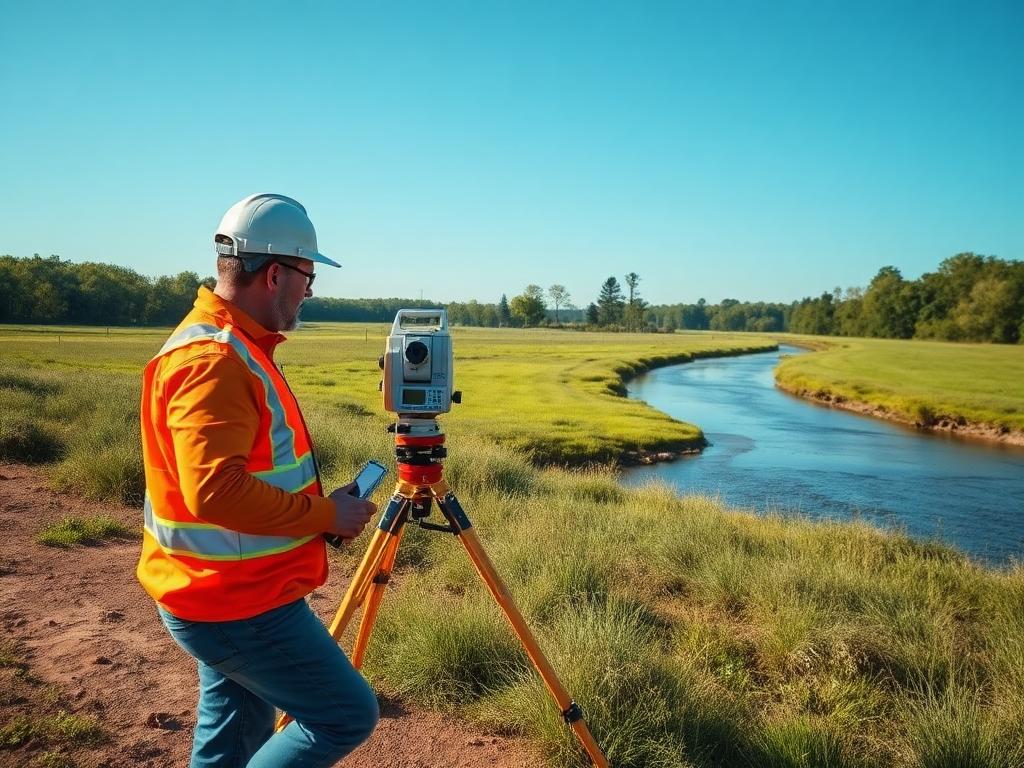
Determining your property's flood zone designation is straightforward with the right tools. Here are the most reliable methods for checking flood risk on any property:
FEMA Flood Map Service Center
Visit msc.fema.gov and enter your property address. This official FEMA tool provides current flood map data and zone designations for any address in the United States.
County Floodplain Administrator
Contact your local county planning department. They have detailed knowledge of local flood conditions and can provide official Letters of Map Amendment (LOMA) information.
Elevation Certificate
Hire a licensed surveyor to prepare an Elevation Certificate. This official document shows your property's elevation relative to the Base Flood Elevation (BFE) and can sometimes qualify you for lower insurance rates or even zone changes.
Title Company Records
During property transactions, title companies routinely check flood zone status. Request a flood zone determination as part of your due diligence process.
Why Flood Zone Designation Matters for Landowners
Flood zone designation impacts virtually every aspect of property ownership. Understanding these implications helps you make smarter investment decisions and avoid costly surprises.
Property Value Impact
Properties in high-risk flood zones typically sell for 4-11% less than comparable properties outside flood zones. This discount reflects buyer concerns about insurance costs and flood risk.
- Reduced buyer pool
- Longer time on market
- More difficult financing
Insurance Requirements
Federally-backed mortgages require flood insurance for properties in high-risk zones. Annual premiums range from $700 to $3,000+ depending on risk level and coverage.
- Mandatory in Zone A/V
- Rising premium costs
- Lower rates in Zone X
Development Restrictions
Building in flood zones requires elevated construction, flood-proofing measures, and special permits. These requirements can add 20-30% to construction costs.
- Elevated foundation required
- Special building materials
- Additional permit reviews
Financing Challenges
Lenders view flood-prone properties as higher risk. Some refuse to finance properties in the highest-risk zones, limiting your buyer pool if selling.
- Higher down payments
- Limited lender options
- Cash buyers unaffected
Options for Selling Land in a Flood Zone
If your land is located in a high-risk flood zone, you still have viable options for selling. Many buyers specifically seek flood zone properties for recreational use, agricultural purposes, or investment. Here's what you need to know:
Cash Buyers: Your Best Option
Cash land buyers like PlaceAcre purchase properties in all flood zones without the complications of traditional financing. We understand flood zone properties and can close quickly without requiring you to obtain costly elevation certificates or wait for lengthy lender approvals.
- No flood insurance requirements for cash transactions
- Close in as little as 7 days
- We buy land in any flood zone designation
- No commissions or hidden fees
Ready to sell land fast? Get a fair cash offer within 24-48 hours.
Own Land in a Flood Zone?
Don't let flood zone designation hold you back. We buy land in all flood zones across the country. Get a fair cash offer with no obligations.
Get Your Free Cash Offer
Fill out the form below and receive a no-obligation offer within 24 hours
Final Thoughts on Flood Zone Due Diligence
Understanding flood zones is essential knowledge for any landowner or prospective buyer. Whether you're evaluating a potential purchase, assessing your current property's risk, or considering selling land in a flood-prone area, the information in this guide will help you make informed decisions.
Remember that flood maps are regularly updated, and your property's designation could change over time. Stay informed about local floodplain management, consider obtaining an elevation certificate if you're in a high-risk area, and always factor flood risk into your real estate decisions.
If you own land in a flood zone and are looking to sell, know that you have options. Cash buyers specialize in purchasing properties that traditional buyers might avoid, offering a straightforward path to selling without the complications of flood insurance requirements and lender restrictions.