How to Evaluate Raw Land: The 7 Essential Factors Before You Buy
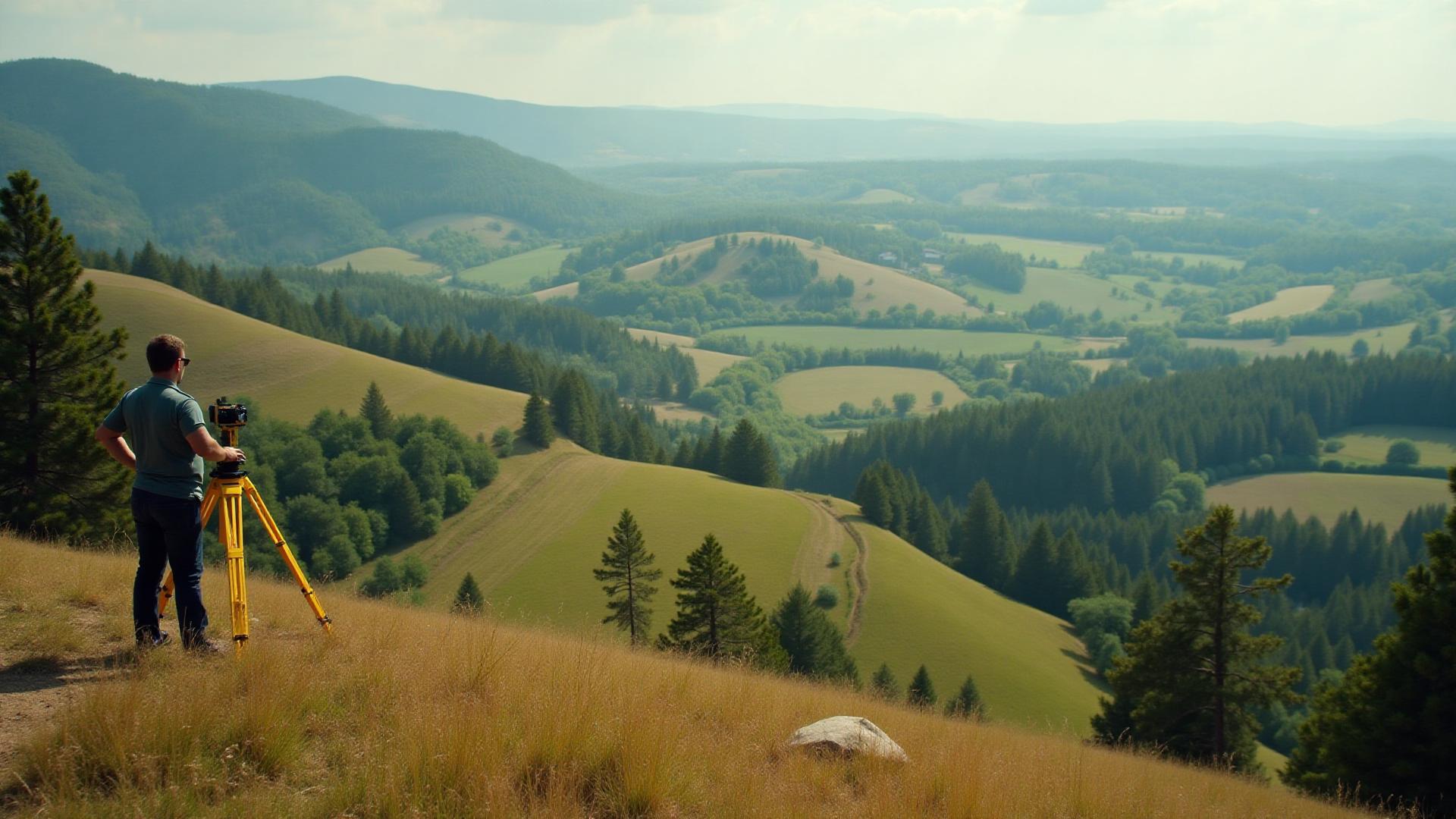
Buying raw land can be an excellent investment opportunity, offering possibilities for development, recreation, or long-term appreciation. However, unlike purchasing a home with existing structures and utilities, evaluating undeveloped land requires a different approach and careful consideration of multiple factors that can significantly impact the property's value and usability.
Whether you're planning to buy land in Texas, invest in Georgia property, or explore opportunities in Arizona's growing markets, understanding these seven essential factors will help you make an informed decision and avoid costly mistakes.
1. Zoning and Land Use Regulations
Before purchasing any raw land, understanding the zoning classification is absolutely critical. Zoning laws dictate what you can and cannot do with the property, including whether you can build residential structures, commercial buildings, or use it for agricultural purposes.
Contact the local planning and zoning department to verify:
- Current zoning classification (residential, commercial, agricultural, etc.)
- Building setback requirements and height restrictions
- Minimum lot size requirements for construction
- Any deed restrictions or easements affecting the property
- Future development plans for the surrounding area
Many buyers discover too late that their intended use doesn't comply with local regulations. For example, if you're looking at land in Frisco, Texas or property in Pooler, Georgia, these fast-growing areas often have specific zoning requirements due to rapid development.
2. Access and Road Frontage
Legal access to your property is non-negotiable. Without proper access, even the most beautiful piece of land becomes nearly worthless. There are several types of access to consider:
- Public road frontage: The most desirable option, where your property borders a publicly maintained road
- Private road: May require road maintenance agreements with other property owners
- Easement access: Legal right to cross someone else's property to reach yours
- Landlocked property: No legal access without purchasing or negotiating an easement
Always verify access rights in the deed and title report. Consider the quality of the road access as well—a property accessible only by rough dirt roads may be challenging to develop and could affect resale value. Learn more about selling land with access challenges.
3. Utilities Availability and Connection Costs
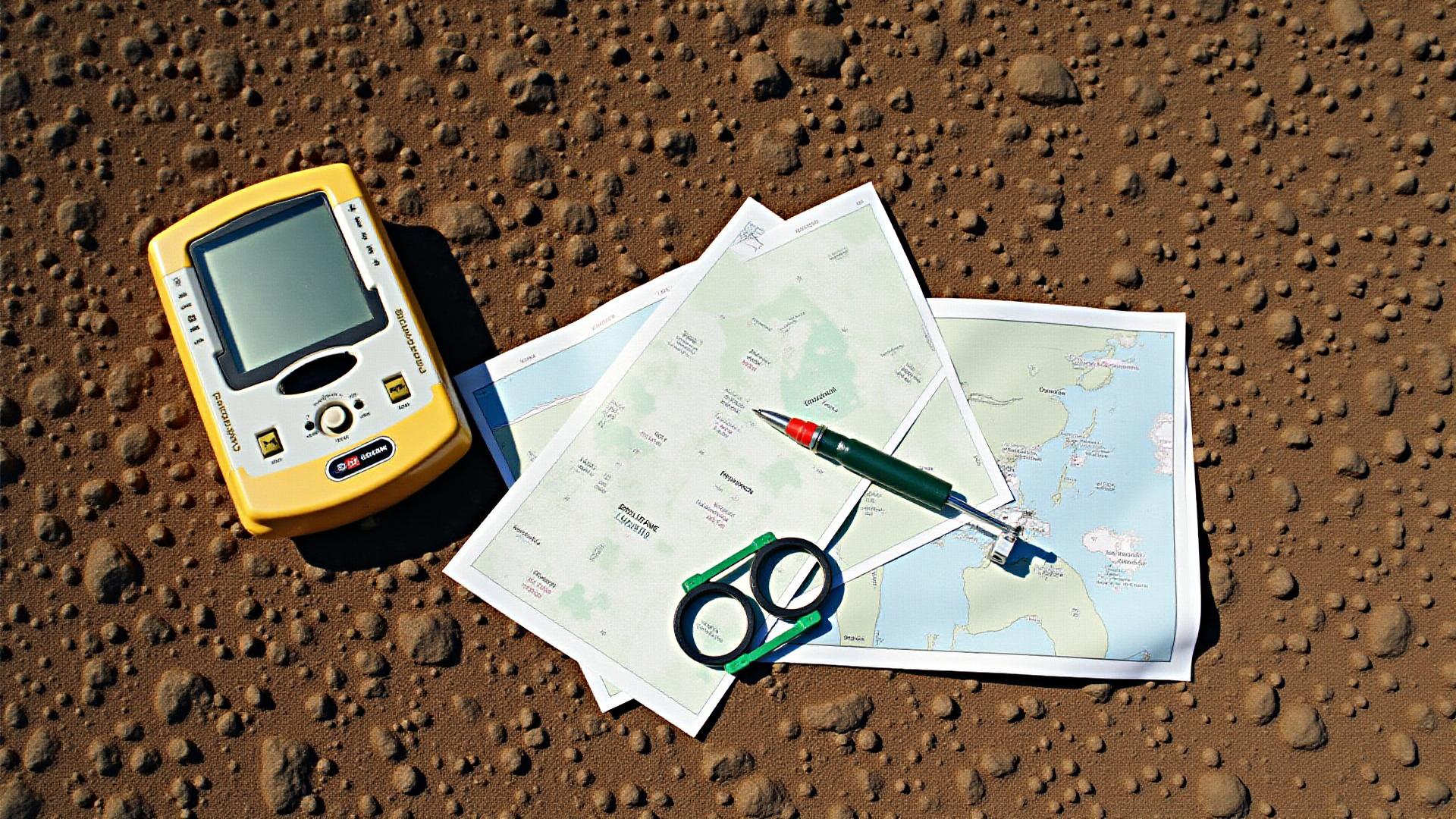
The availability of utilities can dramatically affect both the usability and cost of developing raw land. Basic utilities to investigate include:
- Electricity: Distance to the nearest power line and connection costs
- Water: Public water system access or need for a well
- Sewer/Septic: Connection to public sewer or feasibility of a septic system
- Natural gas: Availability and connection costs
- Internet/phone: Cellular coverage and broadband availability
Running utilities to a remote property can cost tens of thousands of dollars. For example, extending power lines can cost $15-$50 per linear foot, and drilling a well might range from $5,000 to $15,000 depending on depth and geology. Factor these costs into your budget before making an offer.
4. Water Rights and Availability
Water is often the most critical resource for any property, and understanding water rights is essential, especially in states with water scarcity issues. Water rights laws vary significantly by state and can be complex.
Key considerations include:
- Whether water rights are included in the property sale or sold separately
- Riparian rights (for properties adjacent to streams or rivers)
- Well drilling permits and restrictions
- Surface water availability and rights
- Historical water table levels and drought patterns
In many western states, water rights can be more valuable than the land itself. Always confirm that adequate water rights transfer with the property deed. Our detailed guide on understanding water rights when buying land provides more in-depth information.
5. Topography and Soil Quality
The physical characteristics of the land significantly impact its suitability for your intended use. Steep slopes, rocky terrain, or poor soil quality can increase development costs or limit building options.
Important factors to evaluate:
- Slope and grade: Flat or gently sloping land is easier and cheaper to build on
- Soil composition: Affects septic system viability and building foundation requirements
- Drainage patterns: Poor drainage can lead to flooding and foundation issues
- Wetlands presence: Federal and state regulations heavily restrict wetland development
- Flood zone designation: Affects insurance costs and building requirements
Consider hiring a professional surveyor to create a topographical map and conduct a percolation test if you plan to install a septic system. These upfront costs can save you from expensive surprises later.
6. Environmental Considerations and Legal Issues
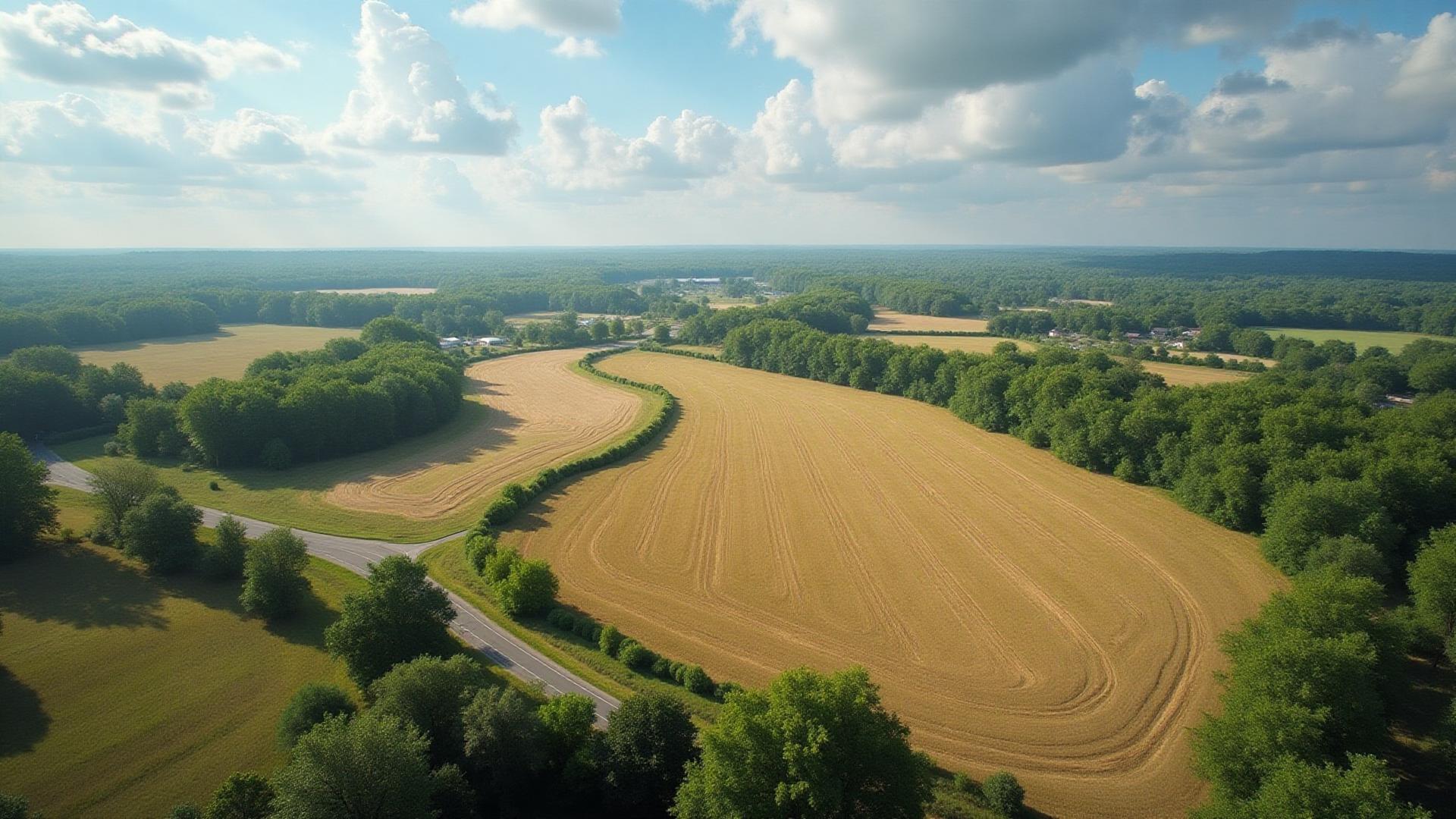
Environmental factors and legal complications can derail your land purchase or create ongoing liabilities. Conduct thorough due diligence to identify potential issues:
- Environmental contamination: Previous industrial use or dumping can create cleanup liability
- Endangered species: Presence of protected species can restrict development
- Historical or archaeological sites: May prevent or complicate construction
- Title issues: Verify clear title through a title search and consider title insurance
- Property taxes and assessments: Understand current taxes and potential increases after purchase
- HOA or covenant restrictions: Some rural properties have surprising use restrictions
Always conduct a Phase I Environmental Site Assessment for commercial properties or land with a history of industrial use. Understanding hidden costs of land ownership can help you budget appropriately.
7. Market Value and Investment Potential
Even if you're buying land for personal use rather than investment, understanding market value and growth potential protects your financial interests.
Research the following:
- Comparable sales: Recent sales of similar properties in the area
- Market trends: Is the area experiencing growth or decline?
- Economic development: New businesses, schools, or infrastructure projects nearby
- Population trends: Growing communities typically see land appreciation
- Future development plans: Proposed highways, commercial centers, or residential subdivisions
Areas like College Station, Texas and Temple, Texas have seen significant appreciation due to population growth and economic development. Conversely, declining rural areas may offer cheaper land but less potential for appreciation.
Consider hiring a professional appraiser to provide an unbiased assessment of the property's current market value, especially if you're paying cash or seeking financing.
Making an Informed Decision
Evaluating raw land requires careful research and often professional assistance from surveyors, attorneys, and real estate experts. While the process may seem daunting, thorough due diligence protects your investment and ensures the property meets your needs and expectations.
Remember that every property is unique, and local conditions vary significantly across different states and regions. Whether you're considering land in California, Oklahoma property, or Virginia real estate, take time to understand the specific factors affecting land value in that area.
If you already own land and are considering selling, these same factors affect your property's marketability and value. Learn more about how to sell your land quickly and for the best price.
Ready to Sell Your Land?
Get a fair cash offer today. No fees, no commissions, no hassle.
Get Your Free Cash Offer
Fill out the form below and receive a no-obligation offer within 24 hours
Related Articles
Understanding Water Rights When Buying Land
Essential guide to water rights, regulations, and what you need to know before purchasing property.
Read More →Hidden Costs of Selling Land
Learn about the often-overlooked expenses and fees associated with selling vacant land.
Read More →How to Sell Your Land Fast
Proven strategies and tips for selling your land quickly and getting the best price.
Read More →