
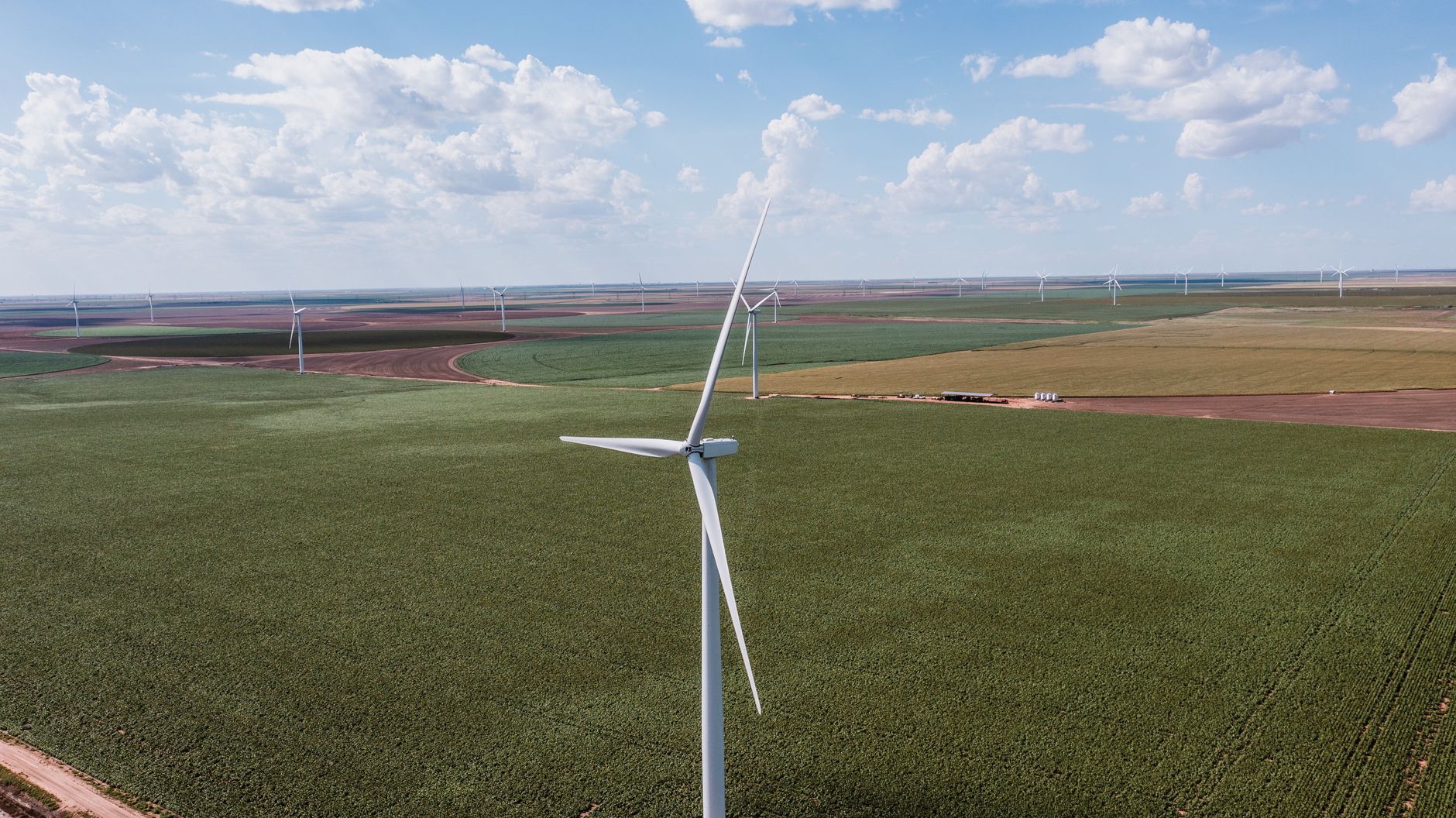
Texas is the largest state in the contiguous United States by land area, with 254 counties and a land market that ranges from Gulf Coast rice country to Panhandle wheat ground to Hill Country ranchland. If you're preparing to sell land by owner in Texas, the good news is that state law is comparatively friendly to FSBO sellers — there is no state transfer tax and no mandatory seller's disclosure for vacant land — but a few Texas-specific traps, especially the agricultural rollback tax, can swallow a lot of your net proceeds if you don't plan for them.
This guide walks you through pricing, documents, marketing, and closing an FSBO land sale in Texas, plus a side-by-side comparison with listing through a realtor or selling to a direct cash buyer. Every per-acre figure below is an illustrative range from industry pricing guides — not an appraisal of your specific parcel.
Texas land values are holding up in 2026 — with big regional swings
Texas land values stayed broadly resilient into mid-2026, with the statewide average running roughly $5,158–$6,800 per acre depending on the source and methodology (Texas Farm Credit 2026 Land Pricing Guide). Some regions outperformed the broader market year-over-year: Far West Texas up roughly 15.8% and the Gulf Coast / Brazos Bottom up roughly 13.6%. Treat those percentage moves as illustrative regional estimates from industry pricing guides, not a single official government figure.
Institutional and out-of-state money is still active on larger tracts, which is worth understanding before you set your asking number. Read the related PlaceAcre News piece →
Realtor vs. FSBO vs. Cash Buyer (PlaceAcre)
Illustrated on a sample 50-acre Texas parcel valued at $275,000 (50 acres × $5,500/acre, a mid-range Gulf Coast / Central Texas rate). This is an illustrative example, not a specific listing — your parcel's regional multiplier will move these numbers.
| Realtor (MLS) | FSBO | Cash Buyer (PlaceAcre) | |
|---|---|---|---|
| Est. commission / fees | ~6% ($16,500) | $0 commission, but marketing/appraisal costs typical | $0 fees or commissions |
| Typical time to close | 60–120+ days | 90–180+ days (land moves slower than houses) | 7–14 days |
| Est. net proceeds | ~$258,500 | ~$270,000–$273,000 (after marketing/appraisal costs) | Below full market value, but no fees, no repairs, no financing risk |
Illustrative example only — figures vary by parcel, county, and buyer financing.
The 4-Step FSBO Roadmap for Texas Land
Step 1 — Price your land
Start with your county appraisal district's public records — every Texas county publishes recent sales and appraised values you can pull for free. Cross- reference those against research from the Texas A&M Real Estate Research Center, which tracks regional land trends across the state.
Texas land value varies enormously by region — see the Regional Land Values section below. A single "average per-acre" number for Texas is close to meaningless; the number that matters is the recent sold comps within your own county and land-use category (cropland, pasture, recreational, timber, or transitional).
For larger or unusual tracts, order a formal appraisal. Rural acreage appraisals in Texas typically run $1,500–$3,500 depending on parcel size, access, and complexity — and you'll recover that in a single serious negotiation.
Step 2 — Get your documents in order
Confirm your deed type — most Texas land transfers use a General Warranty Deed. Pull your existing deed and your most recent property tax statement from the county appraisal district and the county tax assessor-collector.
Check for any mineral rights reservations. This is common in Texas — many sellers retain or have already severed mineral rights from surface rights on prior transfers. Buyers, especially in oil and gas country, will ask up front, so surface it early.
Confirm with the county appraisal district whether your land currently carries a 1-d-1 "open-space" agricultural-use valuation. If it does, the rollback tax question (covered below) is one of the most important issues you'll negotiate.
Step 3 — Market the parcel
Texas FSBO sellers cannot use TREC (Texas Real Estate Commission) promulgated contract forms — those are restricted to licensed brokers. You'll need an attorney-drafted purchase agreement or a general-use land contract instead. Budget $300–$800 for an attorney to draft or review your contract; it's cheap insurance.
List on land-specific marketplaces — Land.com, LandWatch, and Lands of Texas — because land doesn't move through the residential MLS the way houses do. Layer on regional Facebook groups (hunting-lease groups, county farm-and-ranch groups) and local classifieds; word of mouth still closes a meaningful share of Texas land deals.
Step 4 — Close the sale
Texas closings run through a title company — Texas is a title-company/escrow closing state, not an attorney-closing state. The title company issues title insurance, manages escrow, and handles the closing table.
There is no Texas state transfer or conveyance tax. County recording fees typically run $26–$46 depending on the county clerk's schedule, and closing costs on a straightforward cash land sale are modest — usually a few hundred dollars in title, recording, and notary fees.
FSBO in Texas — Advantages vs. Challenges
Advantages
- • Keep the full sale price minus your own costs
- • Control your own timeline and showings
- • Negotiate directly with buyers, no middleman
- • No dual-agency conflicts of interest
Challenges
- • No MLS or TREC-form access without a broker
- • Land buyers are a smaller, more specialized pool than home buyers
- • Slower typical close (90–180+ days)
- • You own the contract, disclosures, and negotiation
Worked example: commission savings on a $275,000 parcel
On the same $275,000 / 50-acre example parcel, a 6% listing commission would cost $16,500. Selling by owner (or to a cash buyer) keeps that $16,500 in the seller's pocket. Budget a portion of that back for an appraisal ($1,500–$3,500), a survey if one doesn't exist ($500–$2,000+ depending on acreage), and title insurance and closing fees — you're still net-ahead by several thousand dollars in most cases.
Expanded Step-by-Step: 5 Tactical Moves
1. Order or verify a current survey
Texas title companies typically want a current survey for larger acreage. If yours is older than 5–10 years or you don't have one, budget $500–$2,000+ depending on acreage and terrain. A clean survey removes one of the most common causes of last-minute closing delays.
2. Get a written appraisal or 3 comparable sales
At minimum, pull three recent comparable sales from your county appraisal district for parcels similar in size, use, and location. For anything larger or more complex, a written appraisal is worth the cost — it gives you a defensible number when a buyer pushes back.
3. Build a marketing packet buyers actually ask for
Every strong Texas land listing surfaces: a GIS parcel map, soil survey data (USDA Web Soil Survey is free), utility and access notes, and mineral rights status in plain language. Fifteen minutes of prep filters your inbound by an order of magnitude.
4. List on Land.com, LandWatch, and Lands of Texas
Land-specific marketplaces do most of the heavy lifting. Layer in local classifieds and regional Facebook Marketplace groups for your region — Hill Country, East Texas Piney Woods, and West Texas each have active buyer communities that don't live on the national platforms.
5. Vet buyers for proof of funds early
Before you take your listing off other marketplaces or sign a contract, ask for proof of funds from any cash buyer or a lender pre-approval letter from any financed buyer. Texas ranchland especially draws non-serious tire-kickers; the paperwork ask filters them quickly.
Texas Legal Requirements
Seller's disclosure. Texas Property Code Section 5.008 (Seller's Disclosure Notice) does not apply to vacant/unimproved land. Texas courts and practitioners agree it applies only to residential real property with a dwelling representing more than 5% of the property's value.
Transfer tax. There is no Texas state transfer or conveyance tax. Closing costs are typically split by local custom and are lower than residential closings — expect a few hundred dollars in recording and title fees on a straightforward cash land sale.
Rollback tax (the big one). If your land currently carries a 1-d-1 open-space agricultural-use property tax valuation and the buyer's intended use isn't agricultural, a rollback tax can be triggered. Under current Texas law (since a 2019 change), the rollback covers the 3 years preceding the change of use, plus 5% annual interest on the tax difference. Confirm your ag-exemption status with your county appraisal district before listing, and negotiate up front which party will bear the rollback if the buyer's use triggers it.
Contract forms. Texas FSBO sellers cannot use TREC promulgated contract forms — those are broker-restricted. Use an attorney-drafted contract or a general-use land purchase agreement.
Closing. Texas is a title-company / escrow closing state, not an attorney-closing state. Your title company handles title insurance, escrow, and the closing table.
Regional Land Values in Texas
All ranges below are illustrative industry-guide estimates — not official government figures, and not a substitute for a local appraisal of your parcel.
Gulf Coast / Coastal Prairie
Wharton, Matagorda, Colorado counties area. Pastureland roughly $2,500–$5,000/acre; rice and row-crop cropland roughly $3,500–$9,000/acre.
Hill Country / Central Texas
Roughly $7,200–$12,500/acre on average, with premium view or water-frontage tracts reaching $15,000–$30,000+.
West Texas / Permian Basin
Highly variable. Remote Far West Texas ranchland can run as low as ~$616/acre, while acreage near active oil and gas activity commands a significant premium.
East Texas Piney Woods
Roughly $4,000–$9,000/acre — timberland and small-acreage recreational tracts drive most of the transaction volume.
Marketing & Photography Tips
Texas land buyers — especially out-of-state investors and recreational buyers — underwrite from the listing before they ever drive out. Four habits pay off:
- Drone / aerial photography sells land better than ground-level shots. One clean aerial does more work than ten photos of grass at eye level.
- Include a GIS parcel boundary overlay so buyers can see exactly what they're getting.
- Highlight water features, road frontage, and any tillable vs. wooded acreage breakdown in the first paragraph of the listing.
- Note mineral rights status up front — "surface only" or "surface + minerals" is a routine Texas buyer question. Answering it in the listing filters out wasted inquiries.
Skip the Hassle — Get a Cash Offer in 24 Hours
One option among several. No commissions, no marketing wait, no back-and-forth with financed buyers. Tell us about your Texas parcel and we'll come back with a no-obligation cash offer.
Frequently Asked Questions
Do I need a real estate agent to sell land in Texas?
No — Texas has no legal requirement to use a licensed agent to sell real property, including land. FSBO sellers do need their own contract (since TREC forms are broker-restricted) and should still use a title company to close.
Do I need a seller's disclosure to sell vacant land in Texas?
No. Texas Property Code Section 5.008's disclosure requirement applies to residential property with a dwelling, not to unimproved / vacant land.
What is the Texas rollback tax and how does it affect my land sale?
If your land has a 1-d-1 agricultural-use property tax valuation and the sale leads to a change to non-agricultural use, the county can assess back taxes for the prior 3 years plus 5% annual interest. Check your ag-exemption status with your county appraisal district before listing.
How long does it take to close a land sale in Texas?
A traditional FSBO or MLS land sale often takes 90–180+ days to find a buyer and close; a direct cash sale can close in as little as 7–14 days since there's no buyer financing contingency to wait on.