
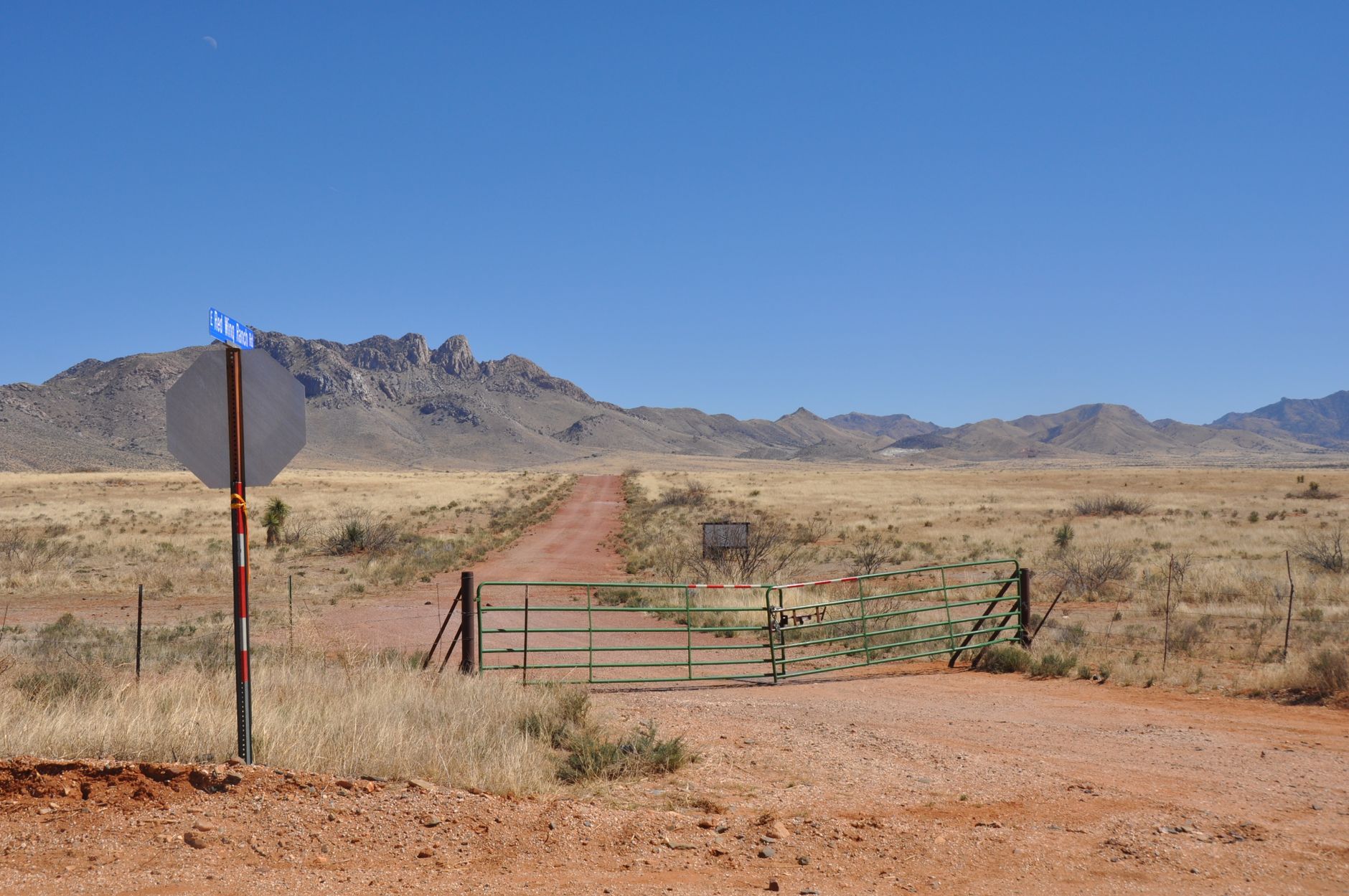
Wharton County, Texas
Sell Wharton County, Texas Land, Farms & Ranches Fast
From Wharton (the county seat) and El Campo (the largest city) out to Louise, East Bernard, Hungerford, Boling, and the historic Danish settlement of Danevang, Wharton County is flat Gulf Coastal Prairie along the Colorado River — rice and cotton row-crop farms, cattle ranches, and legacy oil and gas country. PlaceAcre buys land here directly with a cash offer in 24-48 hours — no agents, no fees, no repairs needed.
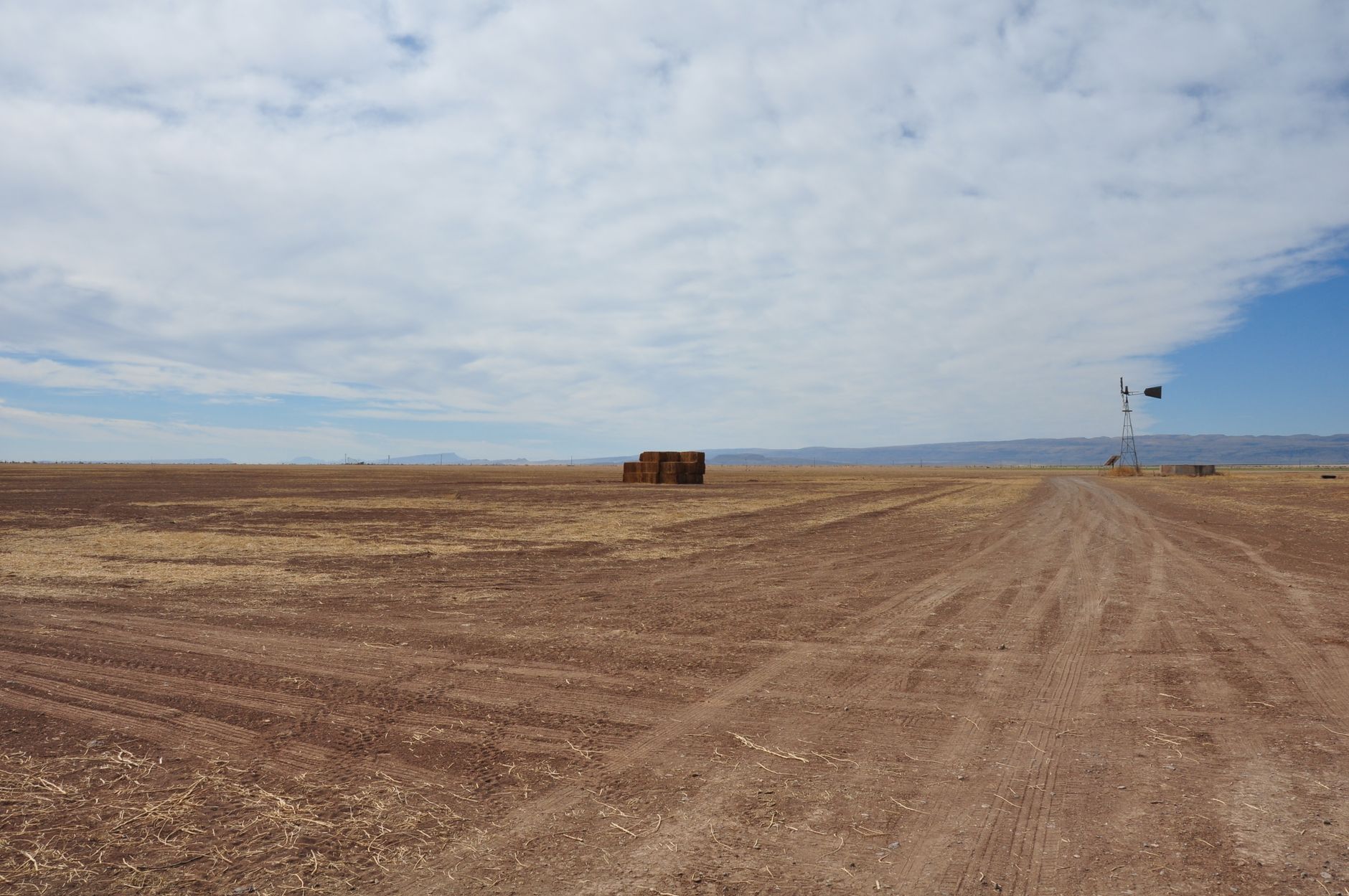
Rice and row-crop farmland on the Texas Gulf Coastal Prairie.
Why We Buy Wharton County Property
Wharton County sits on the Gulf Coastal Prairie about 60 miles southwest of Houston along US-59 / I-69, bisected by the Colorado River, with 1,086 square miles of mostly flat, fertile farmland historically built on rice and cotton. 2023 USDA figures put the county at roughly 75,000 bales of cotton from 51,300 harvested acres and 2,288,000 hundredweight of rice from 23,200 harvested acres, plus corn, milo, sorghum, and soybeans — alongside a 2023 cattle inventory of about 55,000 head, including 37,000 beef cows.
Growing Houston-exurb pressure along the US-59 / I-69 corridor, plus steady investor interest in Gulf Coast row-crop and pastureland, is drawing buyers to the county even as recent years brought real headwinds — reduced rice-irrigation water access and hay shortages have pushed some cattle producers to sell down their herds, and the 2014–2016 oil price collapse hit local oilfield services employment.
Why Landowners Choose Us in Wharton County
Fair Cash Offers
Priced against real Wharton County comps — rice ground, cotton row-crop, pastureland, and river-bottom tracts alike. You get a firm number in writing.
No Fees or Commissions
Zero agent fees, zero closing costs on your side. The number we offer on your Wharton County acreage is the number you net at the title company.
Any Condition Welcome
Working row-crop, active pasture, or idle acreage all qualify. Overgrown, back taxes, or heir property — bring it as-is.
Types of Wharton County Land We Buy
Rice & Row-Crop Farmland
Working rice, cotton, corn, milo, sorghum, and soybean ground across the county's Gulf Coastal Prairie.
Cattle Ranches & Pastureland
Improved and native coastal pasture — from small cow-calf tracts to larger working operations.
Hunting & Waterfowl Recreational Tracts
Rice country draws serious waterfowl hunting interest — flyway ducks, geese, and dove ground all qualify.
Colorado River Bottomland
River-frontage and bottomland tracts along the Colorado as it winds through the county.
Inherited & Heir Property
Family-owned rice, ranch, and river-bottom ground — including tracts still working through probate.
Land with Oil & Gas Mineral Interests or Back Taxes
Legacy mineral leases, split estates, delinquent property taxes — we regularly close on parcels other buyers won't touch.
Wharton County Land Market in 2026
The Texas Farm Credit 2026 Land Pricing Guide puts the statewide average running roughly $5,158–$6,800 per acre, with the Gulf Coast–Brazos Bottom region — which includes Wharton County — outperforming the broader market, up an estimated 13.6% year-over-year per the same industry pricing data.
Locally, Gulf Coast pastureland typically runs $2,500–$5,000 per acre and rice / row-crop cropland runs roughly $3,500–$9,000 per acre, depending on soil quality, irrigation access, and road frontage.
All ranges above are illustrative regional estimates from industry pricing guides — not parcel-specific appraisals and not a single government data source.
For a parcel-specific number on your Wharton County land, run yours through the PlaceAcre Land Value Calculator — free and no signup.
How the Process Works in Texas
Deed Type
Texas land transfers typically use a General Warranty Deed.
Closing Location
Texas closings go through a title company (not an attorney-closing state), which issues title insurance.
Typical Timeline
As fast as 7-14 days for a cash sale versus 60-120+ days traditionally.
Funds Disbursement
Via wire transfer or cashier's check at the closing table.
Wharton County by the Numbers
Source: U.S. Census Bureau QuickFacts
41,570
Population (2020 Census)
1,086
Square Miles (land area)
~$209,573
Median Home Value (2024 est., not a Census-confirmed figure)
38.1
Median Age
What Texas Landowners Say
"Inherited a share of the family row-crop ground and didn't want to run it. The offer was fair and the paperwork stayed simple."
— Marcus D., Gulf Coast row-crop heir
"We were tired of the hay shortages and thinning our herd. Selling directly meant no listing hassle and a clean close at the title company."
— Linda T., Wharton County rancher
Fascinating Facts About Wharton County
El Campo's First Cotton Gin (1889)
El Campo's first cotton gin opened in 1889 and ginned just 35 bales that year. By 1896, production had passed 1,000 bales.
70 Rice Farmers by 1904
In 1901, farmers discovered abundant groundwater beneath the coastal prairie. By 1904 there were 70 rice farmers running 126 pumping stations around El Campo, launching the county's signature rice industry.
#2 Hay-Shipping Center in the U.S.
In the early 1900s, El Campo was the second-largest hay-shipping center in the entire United States.
Danevang and the Immigrant Colonies
Immigrant farming colonies shaped the county — the Danish settlement of Danevang was founded in 1893, followed by Swedish, German, and Bohemian communities nearby.
Wharton County Land Selling FAQ
How fast can I sell my Wharton County land?
As fast as 24-48 hours for an offer and 7-14 days to close, since there's no financing contingency.
Do you buy rice farms and cattle ranches in Wharton County?
Yes — row-crop, rice, cotton, and cattle pastureland are all common purchase types here.
What's my Wharton County land worth?
It depends on soil quality, irrigation access, road frontage, and current use — request a free, no-obligation cash offer to get a specific number for your parcel.
Do you pay closing costs?
Yes — PlaceAcre covers standard closing costs, and there are no agent commissions.
Do you buy land with back taxes?
Yes, including land with delinquent property taxes — this is handled as part of the closing process.
Do you buy land currently under an agricultural (ag-use) tax exemption?
Yes — we account for potential rollback tax exposure as part of our offer, so sellers don't need to resolve that separately before selling.
Where We Buy Land in Wharton County
Communities we serve: Wharton, El Campo, Louise, East Bernard, Hungerford, Boling, Danevang, and Glen Flora.
Get Your Cash Offer Today
No agents, no fees, no repairs. Just a fair, direct offer on your Wharton County land.
Get Your Cash OfferTell Us About Your Wharton County Land
Fill out the form — we'll follow up within 24-48 hours with a written cash offer.
Get Your Free Cash Offer
Fill out the form below and receive a no-obligation offer within 24 hours
Nearby Counties We Buy Land In
Fort Bend County is directly adjacent to Wharton County. Brazoria County is a nearby Gulf Coast county — regional rather than strictly bordering.