Texas is the premier destination for hunting in the United States, with more than 1.1 million licensed hunters pursuing game across the Lone Star State each year. If you own hunting property in Texas—whether it is a sprawling South Texas ranch, a Hill Country deer lease, or East Texas bottomland—you hold a valuable asset that attracts serious buyers from around the country. But selling hunting land requires a different approach than selling residential real estate or even typical agricultural property.
This comprehensive guide walks you through everything you need to know about selling hunting property in Texas, from understanding your land's true value to marketing it effectively and closing the deal quickly. Whether you want to sell vacant land fast for cash or maximize your property's value through traditional channels, we will cover all your options.
Understanding the Texas Hunting Land Market
The Texas hunting property market operates differently from general real estate. Buyers are not just looking at acreage and location—they are evaluating wildlife populations, habitat quality, hunting infrastructure, and the overall hunting experience your property offers.
What Makes Texas Hunting Land Valuable?
Several factors determine the value of hunting property in Texas. Understanding these elements helps you price your land accurately and market it to the right buyers:
- Wildlife Populations: Whitetail deer density, trophy buck history, turkey numbers, hog populations, and exotic game all impact value. Properties with documented trophy harvests command premium prices.
- Habitat Diversity: Land with varied terrain—including brush, food plots, water sources, and edge habitats—attracts more game and more buyers.
- Water Resources: Creeks, ponds, stock tanks, and windmills provide critical water for wildlife year-round, especially during Texas summers.
- Infrastructure: Hunting cabins, blinds, feeders, roads, fencing (especially high-fence properties), and electricity access add substantial value.
- Location: Proximity to major cities like Houston, Dallas, San Antonio, and Austin makes properties more accessible to weekend hunters.
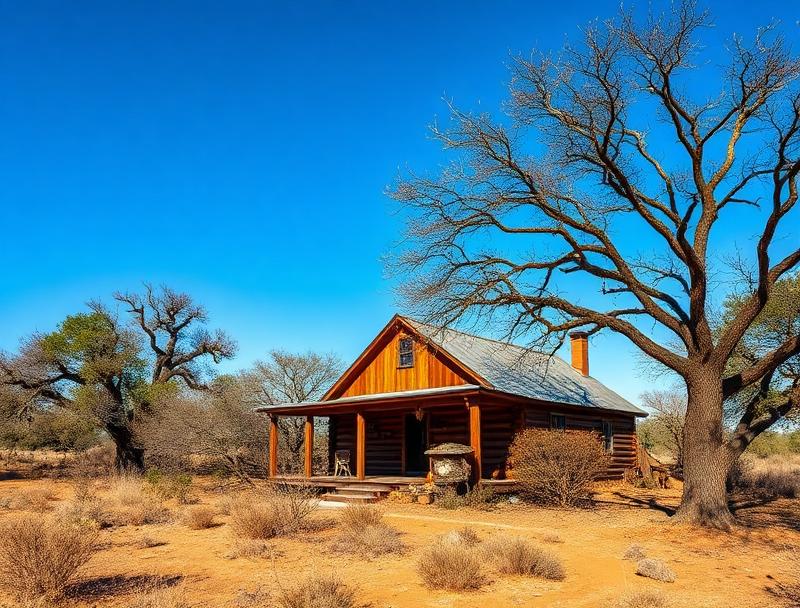
A well-maintained hunting cabin adds significant value to Texas hunting property.
Pricing Your Texas Hunting Property
Pricing hunting land correctly is crucial. Price too high, and your property sits on the market while serious buyers move on. Price too low, and you leave money on the table. Before setting a price, take time to evaluate your raw land using essential factors that buyers will consider.
Regional Price Variations
Texas hunting land prices vary dramatically by region. Here is a general overview of what to expect:
- South Texas Brush Country: $2,500 - $8,000+ per acre (premier whitetail territory)
- Texas Hill Country: $3,000 - $15,000+ per acre (scenic value plus hunting)
- East Texas Piney Woods: $2,000 - $5,000 per acre (timber and deer hunting)
- Rolling Plains: $1,500 - $3,500 per acre (quail, turkey, deer)
- Trans-Pecos/West Texas: $500 - $2,000 per acre (mule deer, aoudad, quail)
High-fence properties with managed deer herds and trophy genetics can command significantly higher prices—sometimes exceeding $10,000 per acre in prime areas.
Finding the Right Buyers for Your Hunting Land
Hunting property buyers fall into several categories, and understanding who is most likely to purchase your land helps you target your marketing effectively:
Types of Hunting Property Buyers
- 1. Individual Hunters: Typically looking for smaller parcels (50-500 acres) for personal use. They often want ready-to-hunt properties with existing infrastructure.
- 2. Hunting Groups/Clubs: Partnerships of hunters seeking larger properties (500-2,000+ acres) to share costs. They value acreage that can accommodate multiple hunters without overcrowding.
- 3. Outfitters and Commercial Operators: Looking for large properties suitable for guided hunts and hunting leases. They evaluate income potential based on wildlife populations and client capacity.
- 4. Investors: View hunting land as a tangible asset with appreciation potential and recreational benefits. They often combine hunting with agricultural tax exemptions.
- 5. Conservation Buyers: Focused on habitat preservation while maintaining hunting opportunities. They may be interested in conservation easements as part of the purchase.
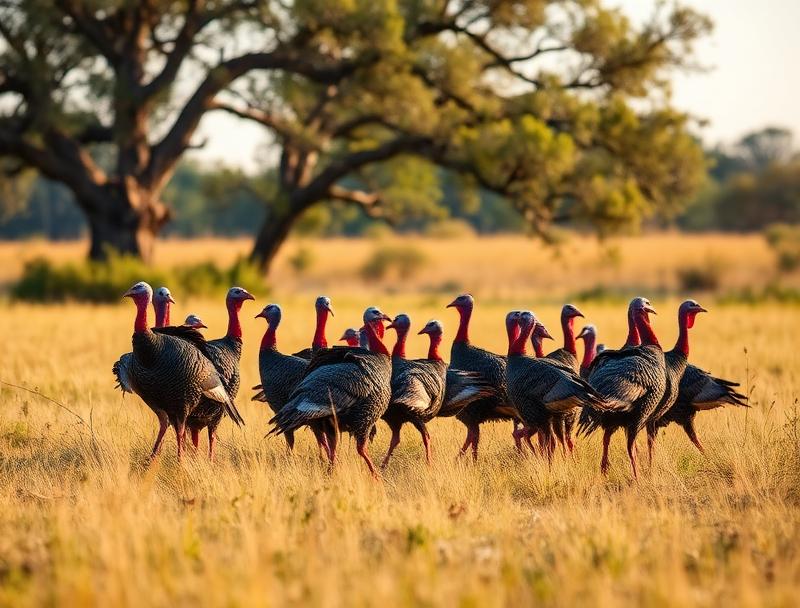
Healthy wildlife populations are a major selling point for Texas hunting properties.
Marketing Strategies for Hunting Property
Selling hunting property requires targeted marketing that reaches active hunters and outdoor enthusiasts. General real estate listings often miss this specialized audience entirely.
Effective Marketing Channels
The most successful hunting property sales leverage multiple marketing channels:
- Land-Specific Listing Sites: Platforms like LandWatch, Land.com, and LandAndFarm.com attract serious land buyers actively searching for hunting properties.
- Hunting Forums and Social Media: Texas hunting groups on Facebook, forums like TexasHuntingForum.com, and hunting-focused Instagram accounts reach engaged audiences.
- Outdoor Magazines: Publications like Texas Parks and Wildlife Magazine, Lone Star Outdoor News, and Texas Trophy Hunters Magazine reach dedicated Texas hunters.
- Ranch and Land Brokers: Specialized brokers have networks of qualified buyers specifically looking for hunting properties.
Creating Compelling Listings
Your listing should paint a picture of the hunting experience, not just describe acreage. Include:
- • Trail camera photos showing wildlife on the property
- • Harvest records and trophy measurements if available
- • Aerial photos and maps showing terrain features
- • Details about water sources, food plots, and habitat types
- • Information about hunting infrastructure (blinds, feeders, roads)
- • Neighboring property context (other ranches, population density)
- • Proximity to major cities and drive time estimates
Timing Your Sale for Maximum Value
The hunting property market has seasonal patterns that affect both buyer interest and your ability to show the property effectively.
Best Times to List Hunting Property
Late Winter/Early Spring (February-April): Many hunters start thinking about next season after current hunting seasons close. This is an excellent time to list because buyers have time to close before fall hunting seasons begin.
Late Summer (August-September): Anticipation builds as deer season approaches. Buyers who missed spring opportunities become motivated to secure property before the season.
Avoid Listing During Peak Hunting Season: November through January is difficult for showings (hunters are busy hunting) and may attract lowball offers from buyers who know sellers may be motivated to close quickly.
Alternative Selling Options
If you need to sell quickly or want to avoid the complexity of marketing to retail buyers, you have other options. Professional land buyers like Place Acre can provide fast cash offers for hunting properties without the need for traditional listing, showings, or extended negotiations.
Cash buyers offer several advantages:
- • Close in as little as 7-14 days
- • No realtor commissions or closing costs
- • Buy properties in any condition
- • No need for repairs or improvements
- • Handle all paperwork and title work
This approach works well if you have inherited hunting property, need to liquidate assets quickly, or simply prefer the certainty of a guaranteed sale. Understanding the hidden costs of owning raw land can help you decide whether holding the property while marketing it traditionally makes financial sense.
Preparing Your Property for Sale
Unlike residential real estate, hunting property does not need extensive staging. However, some preparation can significantly impact buyer perception:
Essential Preparation Steps
- 1. Document Wildlife: Set up trail cameras months before listing to capture photos and videos of wildlife. This evidence of healthy populations is your best marketing tool.
- 2. Maintain Roads and Access: Clear brush from roads and ensure buyers can easily tour the property.
- 3. Service Infrastructure: Ensure blinds are safe, feeders are functional, and any structures are in reasonable condition.
- 4. Gather Documentation: Compile surveys, tax records, lease history, and any wildlife management records.
- 5. Address Boundary Issues: Verify fence lines match surveys and address any encroachment issues before listing.
Key Takeaways
Selling hunting property in Texas requires understanding both the unique value factors that hunters prioritize and the specialized marketing channels that reach this audience. Whether you choose to list with a ranch broker, market the property yourself, or sell vacant land to a cash buyer, your success depends on accurately pricing your property and presenting it in ways that highlight its hunting potential.
Texas hunting properties remain in strong demand, driven by the state's exceptional wildlife populations, hunting culture, and the growing interest in recreational land as an investment. With proper preparation and the right approach, you can successfully sell your hunting property and move on to your next chapter.