350,000 Acres
Massive ranch property along Texas-Mexico border secured by state
$33 Million
Purchase price paid by Texas to block foreign acquisition
National Security
Strategic intervention to protect critical border infrastructure
As of November 12, 2025, a high-stakes showdown over U.S. borderland made waves when Texas Land Commissioner Dawn Buckingham revealed that Chinese nationals attempted to acquire a massive 350,000-acre ranch straddling the U.S.-Mexico border. In a swift countermove, the state of Texas intervened and purchased the property for $33 million—locking it down as public land and averting what officials called a potential national security nightmare.
This isn't just a local win; it's the latest flashpoint in the escalating battle over foreign influence on American acreage, amplifying calls for tougher federal safeguards amid Trump's protectionist push.
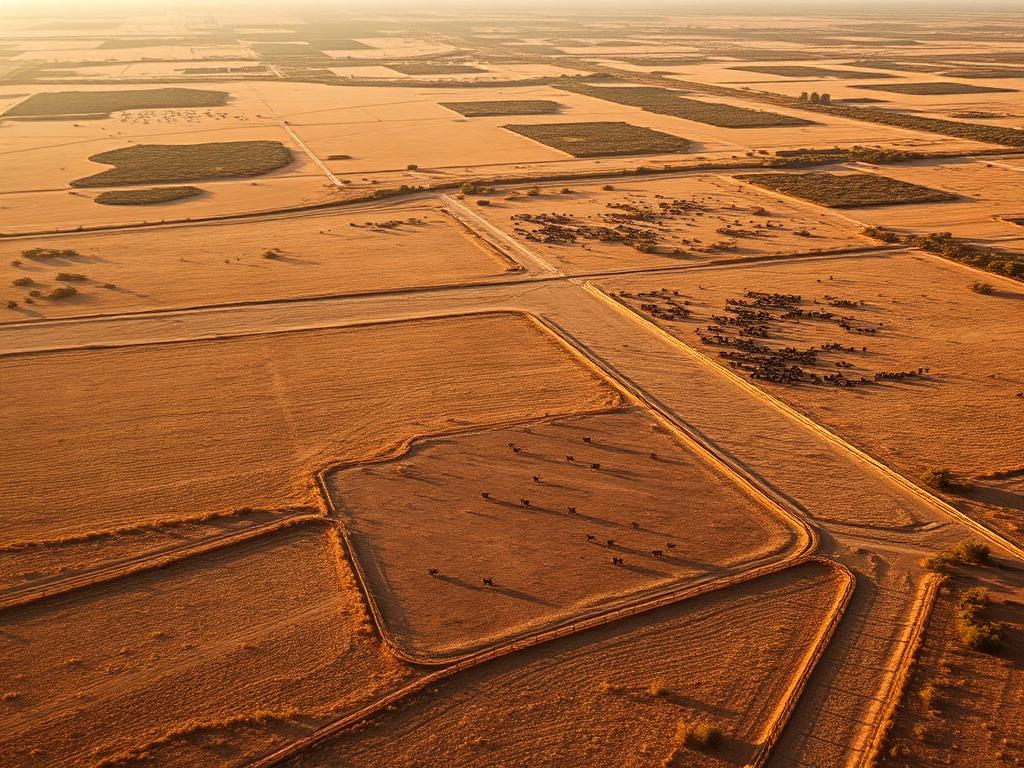
Aerial view of vast Texas ranch lands near the U.S.-Mexico border
The Deal That Nearly Was
Commissioner Dawn Buckingham made headlines with her announcement that Chinese nationals had been in active negotiations to purchase the sprawling property, which covers an area larger than many American cities. The ranch, situated in a strategically sensitive location along the international border, would have given foreign entities control over critical infrastructure corridors and potential access to border surveillance areas.
"We couldn't stand by and watch this happen," Buckingham stated in a press conference. "This property is too important to Texas and to national security to fall into foreign hands, especially those with potential ties to adversarial nations."
The $33 million price tag, while substantial, represents a strategic investment in border security and land sovereignty. According to The Texas Tribune, the state moved quickly to outbid the Chinese buyers and secure the property before the deal could close.
National Security at Stake
The attempted acquisition highlights growing concerns about foreign ownership of American agricultural land, particularly near sensitive border regions. Defense experts warn that such large-scale purchases could provide adversarial nations with strategic footholds for intelligence gathering or disruption of critical supply chains.
The 350,000-acre property isn't just vacant land—it includes water resources, access to transportation corridors, and proximity to border patrol stations. In the wrong hands, such assets could compromise border security operations and potentially facilitate illegal activities.
"This is about more than just land ownership," explained security analyst James Richardson. "Large agricultural properties near the border can serve multiple strategic purposes, from monitoring law enforcement activities to potentially serving as staging areas for trafficking operations."
Foreign Ownership Trends
- • 40 million acres of U.S. farmland owned by foreign entities
- • Chinese entities control over 380,000 acres nationwide
- • Texas ranks among top 10 states for foreign land holdings
Border Land Values
- • Average price: $94 per acre for the property
- • 156% increase in border land inquiries since 2023
- • Strategic properties command 40% premium pricing
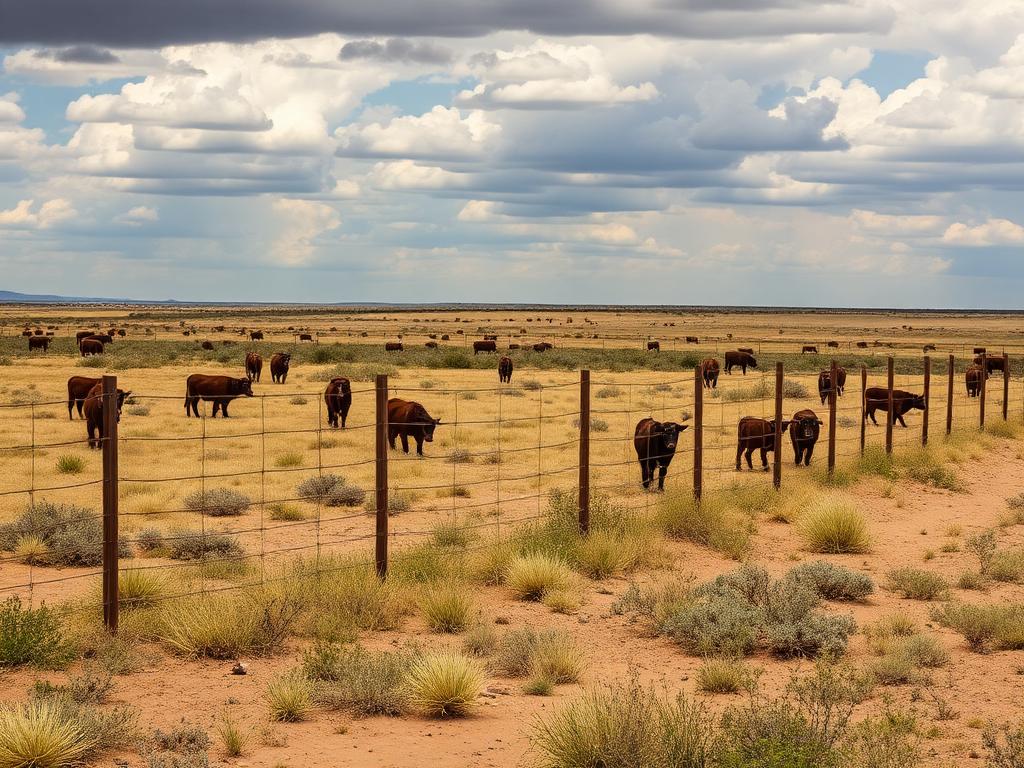
Ranch property showcasing typical border region landscape and infrastructure
Echoing Trump's National Security Agenda
This land acquisition aligns with broader national discussions about protecting American agricultural assets from foreign control. The Trump administration has been vocal about implementing stricter regulations on foreign land purchases, particularly from nations considered strategic competitors.
Recent policy proposals include mandatory national security reviews for all foreign agricultural land purchases exceeding 100 acres, enhanced disclosure requirements for beneficial ownership, and potential restrictions on purchases within 50 miles of military installations or border regions.
"Texas is leading where Washington has been slow to act," noted political analyst Maria Santos. "This purchase sends a clear message that states won't wait for federal action when their security interests are at stake."
The Growing Foreign Land Footprint
Foreign ownership of U.S. agricultural land has increased dramatically over the past decade, with Chinese entities emerging as major buyers. According to USDA data, foreign holdings now exceed 40 million acres—an area larger than the state of Florida.
The trend has sparked bipartisan concern in Congress, with lawmakers introducing multiple bills aimed at restricting or monitoring foreign agricultural investments. States including Arkansas, Mississippi, and Montana have already passed legislation limiting foreign land purchases.
Critics argue that current disclosure requirements are inadequate, allowing shell companies and complex ownership structures to obscure the true beneficial owners of agricultural properties. The Texas ranch case highlights how close these transactions can come to completion before triggering intervention.
Implications for American Landowners
For property owners considering selling large tracts, especially in strategic locations, this case signals potential complications and extended timelines. State and federal authorities are increasingly scrutinizing large land transactions, particularly those involving foreign buyers.
Landowners may face enhanced due diligence requirements, mandatory waiting periods for national security reviews, and the possibility of state intervention through eminent domain or competing offers. Properties near military installations, critical infrastructure, or border regions are under particular scrutiny.
However, the heightened attention has also created opportunities. States like Texas have shown willingness to pay competitive prices for strategically important properties, offering landowners an alternative to private sales. Those looking to sell vacant land may find government agencies increasingly interested in acquisition opportunities.
What Comes Next
The Texas border ranch acquisition sets a precedent for state-level intervention in foreign land purchases. Other states with significant border or strategic infrastructure concerns are closely watching this case and may follow Texas's lead.
Federal legislation remains stalled in Congress, but momentum is building for comprehensive reform. Proposed measures include creating a foreign investment review board specifically for agricultural land, implementing stricter proximity restrictions near sensitive sites, and requiring ongoing disclosure of beneficial ownership.
For the 350,000-acre Texas property, the state plans to convert it into public land, potentially incorporating it into existing conservation or recreation programs. The property will remain under state control, ensuring no future foreign acquisition attempts.
"This is just the beginning," Commissioner Buckingham emphasized. "We're committed to protecting Texas land and will continue to monitor foreign purchase attempts closely. American soil should remain in American hands, especially when national security is on the line."
Considering Selling Your Land?
Navigate the evolving regulatory landscape with expert guidance. Get a fair cash offer for your property from trusted American buyers.
Get Your Free Land ValuationRelated Articles
Trump's National Farm Security Action Plan
Comprehensive analysis of proposed federal restrictions on foreign agricultural land ownership.
The Year of Land: 2025's Booming Raw Acreage Market
Understanding current land market dynamics and investment trends across the United States.
Sell Land Fast in Texas
Learn about selling land in Texas and current market conditions for property owners.
Free Land Value Calculator
Get an instant estimate of your property's value based on location and characteristics.