Texas leads the nation in agricultural land with over 127 million acres dedicated to farming and ranching operations. Whether you own Hill Country pastureland, Panhandle cropland, South Texas brush country, or East Texas timberland, understanding how to sell agricultural land in Texas requires knowledge of regional markets, agricultural valuations, and specialized buyer pools. This comprehensive guide walks you through every step of the selling process to help you maximize your land's value.
127M
Acres of Farmland
$2,730
Avg. Price/Acre
248K
Active Farms
254
Texas Counties
Understanding Texas Agricultural Land Markets
Texas agricultural land values vary dramatically by region, ranging from $500 per acre in West Texas brush country to over $15,000 per acre in prime Hill Country locations near Austin and San Antonio. Before listing your property, understanding your specific market segment is essential for setting competitive pricing and targeting the right buyers.
Regional Price Breakdown
- •Texas Hill Country: $5,000-$15,000/acre for scenic ranchland with live oaks and water features
- •Texas Panhandle: $1,500-$4,000/acre for irrigated cropland near Amarillo and Lubbock
- •Coastal Bend: $2,000-$5,500/acre for rice and cotton production land
- •East Texas: $2,500-$6,000/acre for timberland and improved pastures
- •South Texas Brush: $1,000-$3,500/acre for hunting ranches and cattle operations
The key to successfully selling agricultural land in Texas lies in understanding what makes your property unique within its regional context. Properties with water rights, established ag exemptions, quality improvements, and scenic features command premium prices regardless of location.
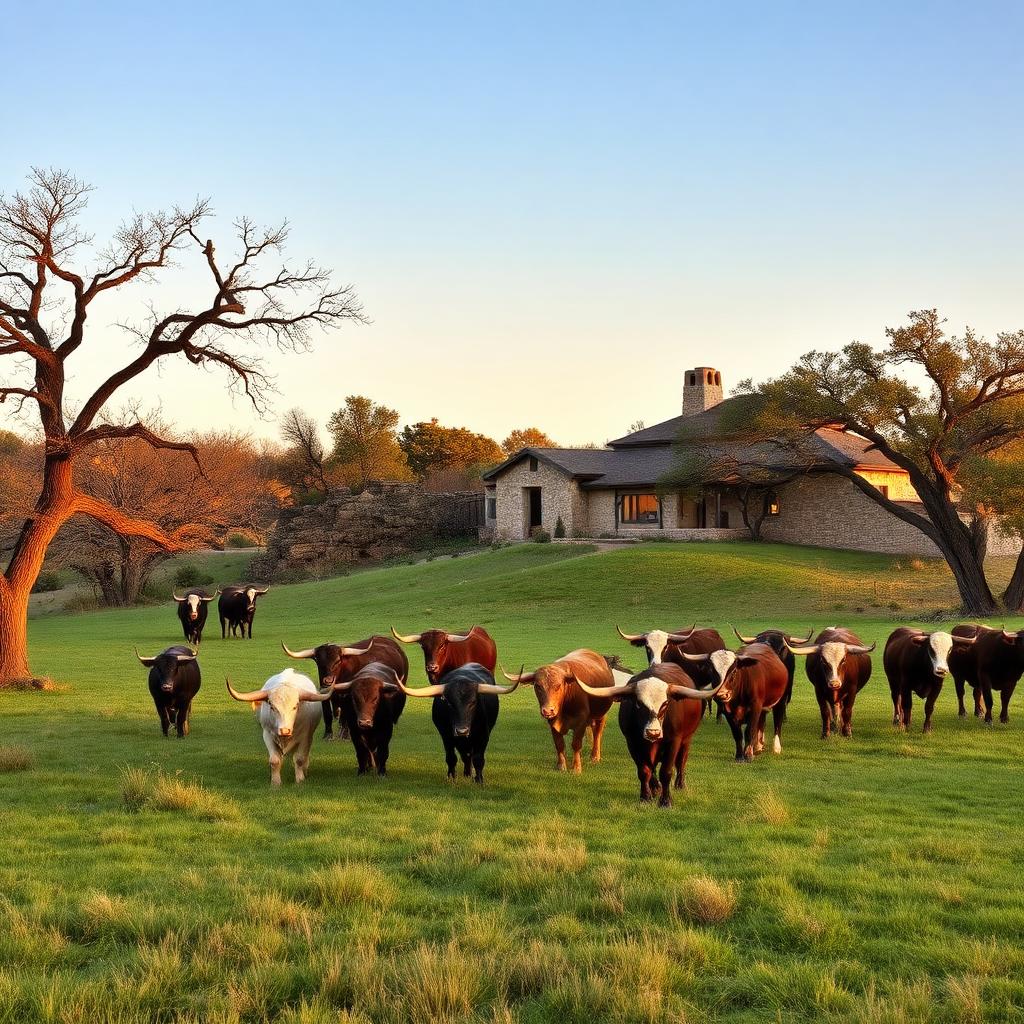
Texas Hill Country ranches command premium prices due to scenic beauty and proximity to Austin/San Antonio
Preparing Your Texas Agricultural Land for Sale
Proper preparation can significantly increase your property's value and reduce time on market. Texas agricultural land buyers are often sophisticated investors who evaluate properties based on production history, water resources, and infrastructure quality.
Essential Documentation
- • Current property survey and legal description
- • Agricultural tax exemption (1-d-1) documentation
- • Water rights certificates and well permits
- • Soil maps and USDA classification
- • Lease agreements and production history
- • Mineral rights documentation
- • Fencing and improvement records
- • Environmental assessments if applicable
Property Improvements
- • Repair fences and working pens
- • Clear brush from fence lines
- • Service and document water wells
- • Maintain roads and access points
- • Update livestock handling facilities
- • Document irrigation system capacity
- • Verify electric fence functionality
- • Clean out stock tanks and ponds
Texas Ag Exemption Considerations
If your property currently has an agricultural tax exemption, buyers need to understand rollback tax implications. Texas law requires payment of the difference between agricultural and market value taxes for the previous five years if the land use changes. Document your property's current agricultural use and exemption status clearly to help buyers understand the value of maintaining ag use.
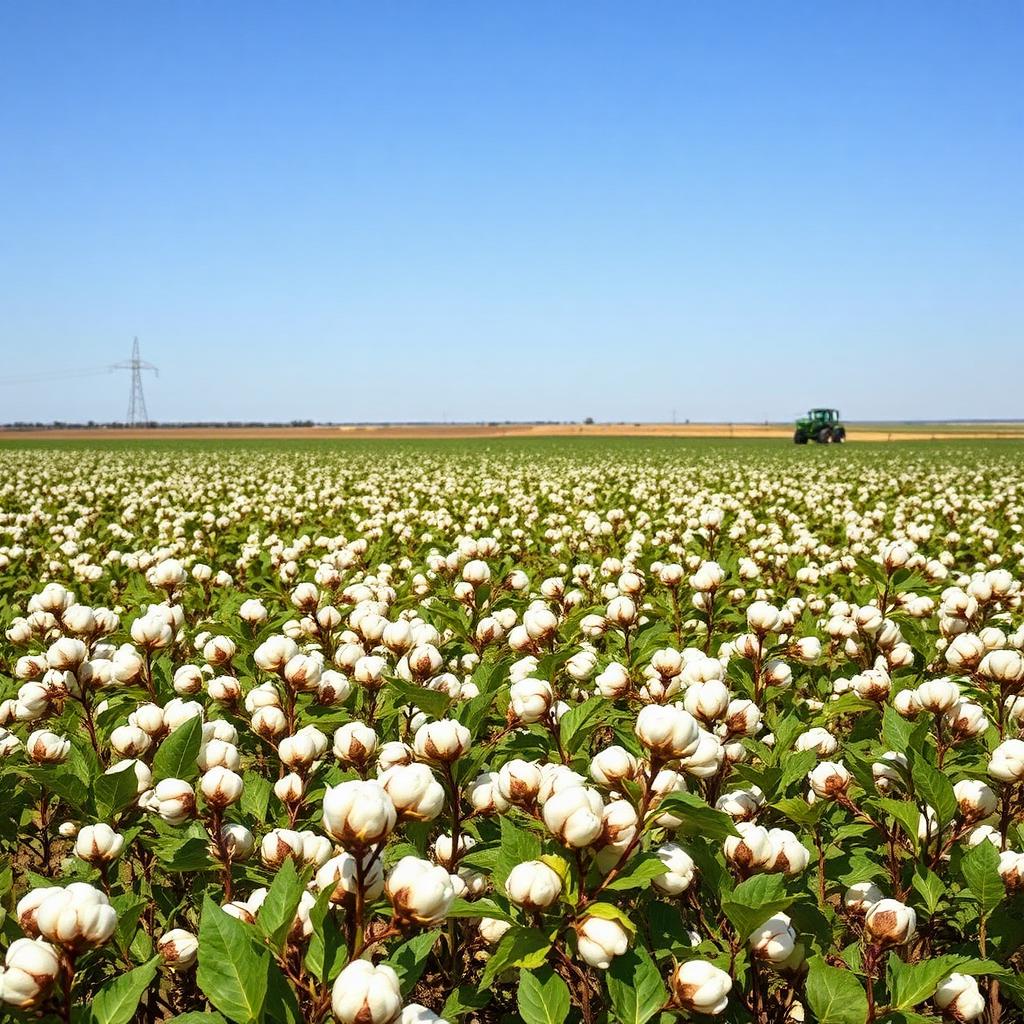
Texas Panhandle cotton fields represent some of the state's most productive agricultural land
Pricing Your Texas Agricultural Land
Accurate pricing is critical when learning how to sell agricultural land in Texas. Overpricing leads to extended market time, while underpricing leaves money on the table. Professional appraisals specifically for agricultural land provide the most reliable valuations.
Value-Adding Features in Texas
Premium Factors
- • Live water (creeks, rivers, springs)
- • Proven water wells with high GPM
- • Groundwater district allocations
- • Native grass pastures
- • Mature hardwood timber
- • Paved road frontage
- • Electricity and utilities
- • Working cattle improvements
Discount Factors
- • No water source or dry wells
- • Extensive brush or cedar
- • Poor access or landlocked
- • Pipeline or utility easements
- • Mineral rights previously sold
- • Flood plain designation
- • Environmental contamination
- • Deferred maintenance issues
Consider obtaining multiple comparative market analyses from land specialists who focus on agricultural properties in your region. The Texas Chapter of the Realtors Land Institute maintains a directory of certified land professionals who understand agricultural valuations.
Finding Qualified Buyers for Texas Farmland
Texas agricultural land attracts diverse buyer segments, from multi-generational farming families to institutional investors and recreational buyers. Understanding your target audience helps focus marketing efforts effectively.
Production Farmers
Seek quality soil, irrigation capacity, and proximity to markets. Focus on production history, yield data, and infrastructure for row crop and specialty operations.
Cattle Ranchers
Value carrying capacity, water resources, and working improvements. Highlight stocking rates, grass quality, and livestock handling facilities.
Investment Buyers
Focus on cap rates, lease income potential, and appreciation prospects. Institutional investors, family offices, and 1031 exchange buyers comprise this segment.
Recreational Buyers
Prioritize hunting quality, scenic beauty, and weekend retreat potential. Emphasize wildlife populations, habitat diversity, and privacy features.
For expert guidance on preparing your property and connecting with qualified buyers, learn more about how to evaluate raw land essential factors that buyers consider when purchasing Texas agricultural properties.
Effective Marketing Channels for Texas Land
Successful marketing of Texas agricultural land requires reaching buyers through specialized channels where active land seekers conduct their searches.
Online Platforms
- • LandsOfTexas.com - Texas-specific listings
- • LandWatch and Land.com - National exposure
- • Farm & Ranch sections of MLS
- • Facebook Marketplace and groups
- • Texas Farm Bureau classifieds
Traditional Channels
- • Local agricultural publications
- • Farm and ranch auctions
- • Extension service bulletin boards
- • Cattlemen's association networks
- • Word of mouth through neighbors
Professional photography and drone video significantly impact buyer interest. Texas land buyers increasingly expect high-quality visual content showing property boundaries, improvements, water features, and terrain characteristics. Budget $500-$2,000 for professional land photography based on property size and complexity.
Texas Agricultural Land Closing Process
Texas land transactions follow established procedures, but agricultural properties have additional considerations around water rights, mineral rights, and agricultural exemption transfers.
Closing Timeline Overview
Execute purchase contract, title company opens escrow, earnest money deposit
Buyer due diligence: inspections, survey review, water testing, appraisal
Title commitment review, lender underwriting if financed
Final walkthrough, closing document preparation, fund transfer
Work with title companies experienced in rural land transactions. They'll ensure proper handling of water rights transfers, mineral deed language, and agricultural exemption documentation. Be aware of hidden costs of owning raw land that may affect buyer negotiations.
Consider a Direct Cash Sale
If you prefer a faster, simpler transaction without the uncertainties of traditional marketing, professional land buyers offer an alternative worth considering. Cash buyers can close quickly, typically within 14-30 days, and handle most closing costs.
Related Resources
Get Your Free Cash Offer
Fill out the form below and receive a no-obligation offer within 24 hours