Across America, thousands of "ghost subdivisions" sit frozen in time—casualties of the 2008 financial crisis. These are fully platted developments with paved roads, utility infrastructure, and recorded lot lines, but no houses. Many can be purchased for a fraction of their original value, presenting savvy investors with extraordinary opportunities to acquire development-ready land at pennies on the dollar.
If you know where to look and what to examine, these abandoned platted lots represent some of the best land investment opportunities available today. This comprehensive guide will show you exactly how to find ghost subdivisions, evaluate their potential, navigate the complexities of buying distressed platted land, and potentially revive these dormant developments for significant profit.
What Are Ghost Subdivisions?
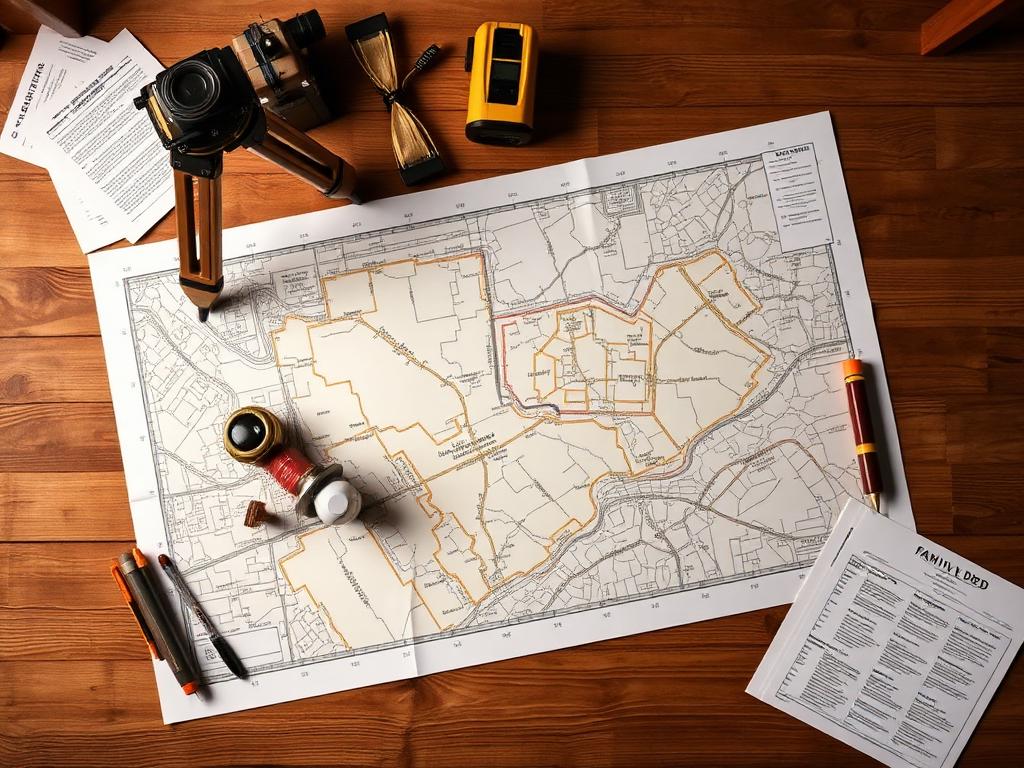
Ghost subdivisions are platted developments that were approved, surveyed, and partially built before being abandoned. Unlike raw undeveloped land, these properties already have:
Recorded Plat Maps
Official subdivision plats filed with the county, creating legal lot boundaries
Infrastructure
Paved streets, culverts, drainage systems already installed
Utility Access
Electric, water, and sewer lines stubbed to lot lines
Zoning Approval
Previously approved for residential or commercial development
These developments were typically abandoned when the 2008 housing crash made it impossible for developers to secure financing or sell finished homes. Banks foreclosed on the properties, developers walked away, and the subdivisions became frozen assets—often transferred through multiple bank holdings before ending up with distressed asset buyers or county tax sales.
The 2008 Housing Crash Legacy
The 2008 financial crisis left behind an estimated 100,000+ platted subdivision lots that were never developed. States hardest hit included Florida, Arizona, Nevada, California, and parts of Texas—exactly where explosive growth had preceded the crash. These "zombie subdivisions" represent billions in stranded capital and infrastructure investment.
Many of these lots traded hands multiple times as distressed assets, often selling for 10-30% of their pre-crash value. Today, nearly two decades later, many remain undeveloped—but market conditions have changed dramatically. Population growth, housing shortages, and remote work trends have made some of these locations highly desirable again.
The opportunity exists for investors who can identify which ghost subdivisions are positioned for revival versus those that remain economically unviable. The key is understanding what killed the original development and whether those conditions have changed.
How to Find Ghost Subdivisions
Finding abandoned platted land requires detective work, but several reliable sources can point you in the right direction:
1. County Tax Assessor Records
Search for parcels with legal descriptions containing "Lot X, Block Y" followed by a subdivision name. Look for properties with:
- Multiple years of delinquent property taxes
- Corporate or bank ownership (REO properties)
- Recent ownership transfers at below-market prices
- Zero or minimal improvements despite recorded plat
2. County Tax Sales and Auctions
Many ghost subdivision lots end up in county tax sales when owners stop paying property taxes. These auctions often feature entire blocks or phases of abandoned subdivisions selling together at steep discounts.
3. Google Earth and Aerial Photography
Aerial imagery clearly shows paved streets with no houses, unmowed lots with infrastructure, and subdivision entry signs leading to empty developments. Use historical imagery to see when development stopped.
4. Local Real Estate Agents Specializing in Land
Agents who work in land sales often know about ghost subdivisions sitting on their MLS or held by local banks. They can provide insider knowledge about why development stalled.
5. Distressed Asset Buyers and Wholesalers
Some investors specialize in buying bulk platted lots from banks and reselling to developers. They often have portfolios of ghost subdivision lots available at negotiated prices.
Pro Tip: Focus on Growing Markets
The best ghost subdivision opportunities are in markets that have recovered or exceeded their 2008 population and employment levels. Look for areas with new job centers, infrastructure improvements, or shifting demographics that make them more attractive today than in 2008.
Critical Due Diligence for Ghost Subdivision Lots
Buying abandoned platted land requires more extensive due diligence than typical land purchases. Here's what you must investigate:
Homeowner Association Status
Many platted subdivisions have recorded HOA covenants, even if no HOA currently exists. If you buy lots, you may inherit:
- Years of unpaid HOA dues and assessments
- Maintenance obligations for common areas
- Building restrictions and architectural requirements
- Potential liability for shared infrastructure
Infrastructure Condition and Ownership
Verify who owns the streets, drainage systems, and utilities. Some were never turned over to the county and remain private property requiring maintenance. Check:
- Whether roads are public or private
- Utility connection fees and availability
- Drainage system functionality and responsibility
- Any outstanding improvement bonds or assessments
Zoning and Building Permit Status
Original zoning approvals may have expired, especially if development ceased for over a decade. Research:
- Current zoning designation and allowed uses
- Whether original PUD or development agreements remain valid
- New building code requirements since original approval
- Impact fees or development charges now required
Environmental and Legal Issues
Abandoned subdivisions sometimes have environmental contamination, title problems from incomplete foreclosures, or mechanic's liens from unpaid contractors. Order a comprehensive title search and consider environmental site assessments for suspicious properties.
Strategies for Reviving Ghost Subdivisions

Once you've acquired platted lots in a ghost subdivision, several paths exist to realize value:
1. Wholesale to Local Builders
If the location is viable, small local builders may be interested in purchasing individual lots or small blocks for spec homes. This provides the fastest exit with minimal additional investment.
2. Develop Custom Home Sites
Market larger premium lots to buyers looking to build custom homes. This works best in areas with scenic views, water access, or other unique amenities that justify higher prices.
3. Alternative Development Models
Consider non-traditional uses that may be more viable than single-family homes: tiny home communities, RV parks, community gardens, solar farms, or recreational land leases.
4. Long-Term Hold Strategy
If purchased cheaply enough, simply paying minimal property taxes while the market improves can be profitable. Track local economic development, new employers, and infrastructure projects that could increase values.
Real Numbers: Ghost Subdivision Case Study
Example: Florida Ghost Subdivision (2023)
This example demonstrates the potential when buying abandoned platted land in recovering markets. The key was identifying infrastructure-ready lots in a path-of-growth area where housing demand had exceeded supply.
Risks and Warning Signs
Not all ghost subdivisions are good investments. Avoid these situations:
- •Declining markets: If the area has lost population or jobs since 2008, demand may never return
- •Environmental contamination: Some abandoned sites have soil or groundwater issues that make development impossible
- •Tangled title issues: Incomplete foreclosures or missing heirs can create legal nightmares
- •Excessive HOA or lien liability: You may inherit debt that exceeds the property value
- •Expired approvals: Zoning changes may prevent the original use, requiring costly reapprovals
Always budget for thorough due diligence including title searches, surveys, environmental assessments, and legal review before purchasing abandoned platted land. The money saved by skipping these steps can easily be lost to unforeseen liabilities.
The Bottom Line on Ghost Subdivisions
Ghost subdivisions represent a unique category of distressed real estate that can offer exceptional returns for informed investors. The combination of existing infrastructure, recorded plats, and deeply discounted pricing creates opportunities rarely found in traditional land markets.
Success requires understanding why the original development failed and whether market conditions have improved enough to justify revival. Focus on growing markets with housing shortages, where the infrastructure investment has already been made but timing was simply wrong.
With proper due diligence, legal protection, and strategic planning, buying abandoned platted land from the 2008 crash can indeed deliver pennies-on-the-dollar returns—but only if you know what you're looking for and how to avoid the pitfalls that claimed the original developers.
Have Land You Want to Sell?
Whether it's a ghost subdivision lot, inherited property, or vacant acreage, PlaceAcre specializes in buying land quickly and hassle-free. Get a fair cash offer today.
Get Your Free Cash Offer
Fill out the form below and receive a no-obligation offer within 24 hours
Related Articles
How to Evaluate Raw Land: The 7 Essential Factors
Complete due diligence checklist before buying land
Rural Land Due Diligence: The Complete Checklist
Essential steps for investigating land purchases
Hidden Costs of Owning Raw Land
Budget for unexpected land ownership expenses
Zoning Hacks: Unlock Development Potential
Legal strategies for restricted acreage