Got a quarter-acre lot that everyone says is "too small to develop"? Think again. Across America, savvy small-scale developers are transforming undersized parcels into thriving tiny home communities—and generating impressive returns in the process. This comprehensive guide reveals the strategies, case studies, and financial projections that prove micro-lot development can be incredibly profitable when done right.
The Tiny Home Revolution Meets Micro-Lot Development
The tiny home movement has matured from a lifestyle trend into a legitimate housing solution. According to the U.S. Census Bureau, demand for smaller, affordable housing options has surged 67% since 2020. Meanwhile, thousands of undersized lots sit vacant because traditional developers consider them unbuildable.
This creates a perfect storm of opportunity. Small parcels that once sold for $15,000-$40,000 can now host multiple tiny homes, generating $60,000-$150,000 in annual rental income or significant profit through sales. The key is understanding zoning strategies and efficient site planning.
Key Insight:
A well-designed tiny home community on a quarter-acre lot can achieve density comparable to traditional apartment complexes while offering residents private outdoor space and a sense of ownership—all with lower development costs.
Case Study #1: Austin's Quarter-Acre Success Story
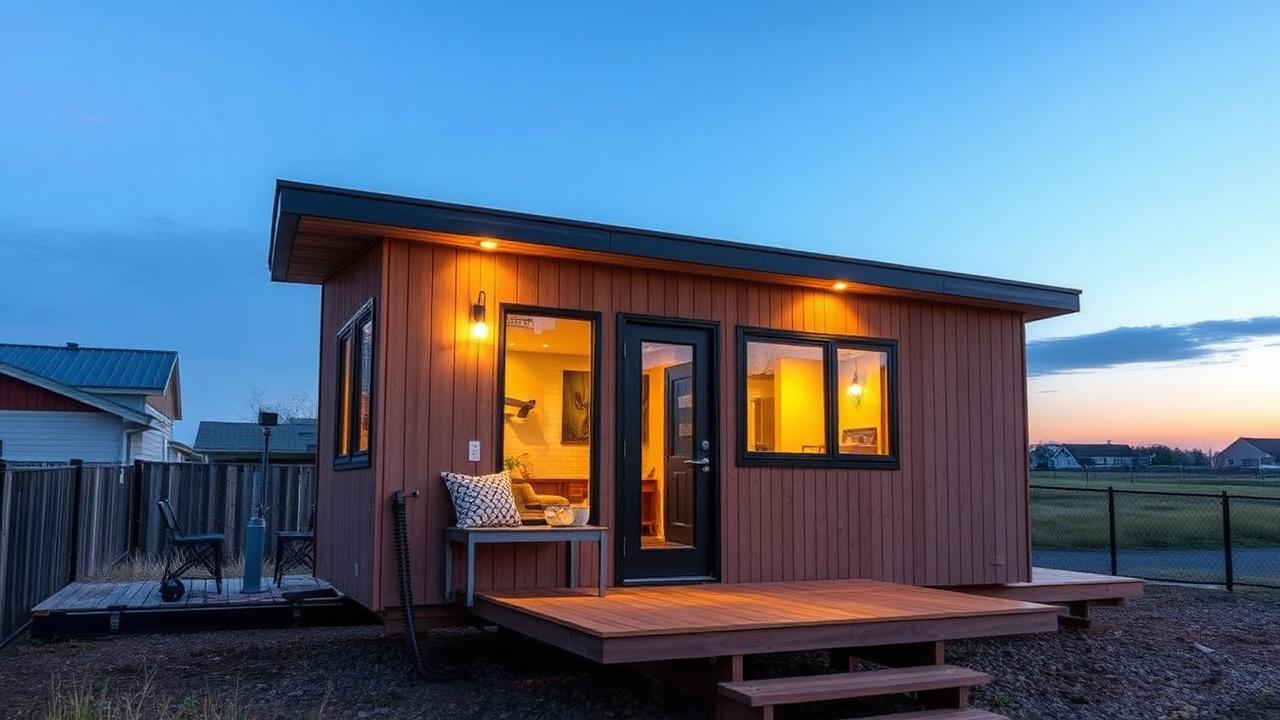
Strategic layout maximizes space on small parcels
Project Overview
- Location: East Austin, Texas (0.28 acres)
- Purchase Price: $42,000 (2022)
- Development Cost: $185,000
- Units Built: 4 tiny homes (400-500 sq ft each)
- Annual Rental Income: $88,000 ($1,833/month per unit)
- ROI: 38.8% annually
Developer Maria Santos purchased what realtors called an "awkward corner lot" near Austin's rapidly growing tech corridor. By leveraging Austin's progressive Land Development Code that encourages diverse housing types, she obtained approval for four detached dwellings under the "cottage court" ordinance.
Santos's strategy focused on efficient land use: shared parking (2 spaces), community green space (required 15% of lot), individual patios, and strategic building placement to maximize privacy. Each 450-square-foot unit features modern finishes, energy-efficient appliances, and outdoor living space—commanding premium rents in Austin's competitive market.
"The zoning research took three months, but understanding the local ordinances made all the difference," Santos explains. "What looked like restrictions actually provided a clear roadmap for higher-density development."
Case Study #2: Rural Oregon's Build-to-Sell Model
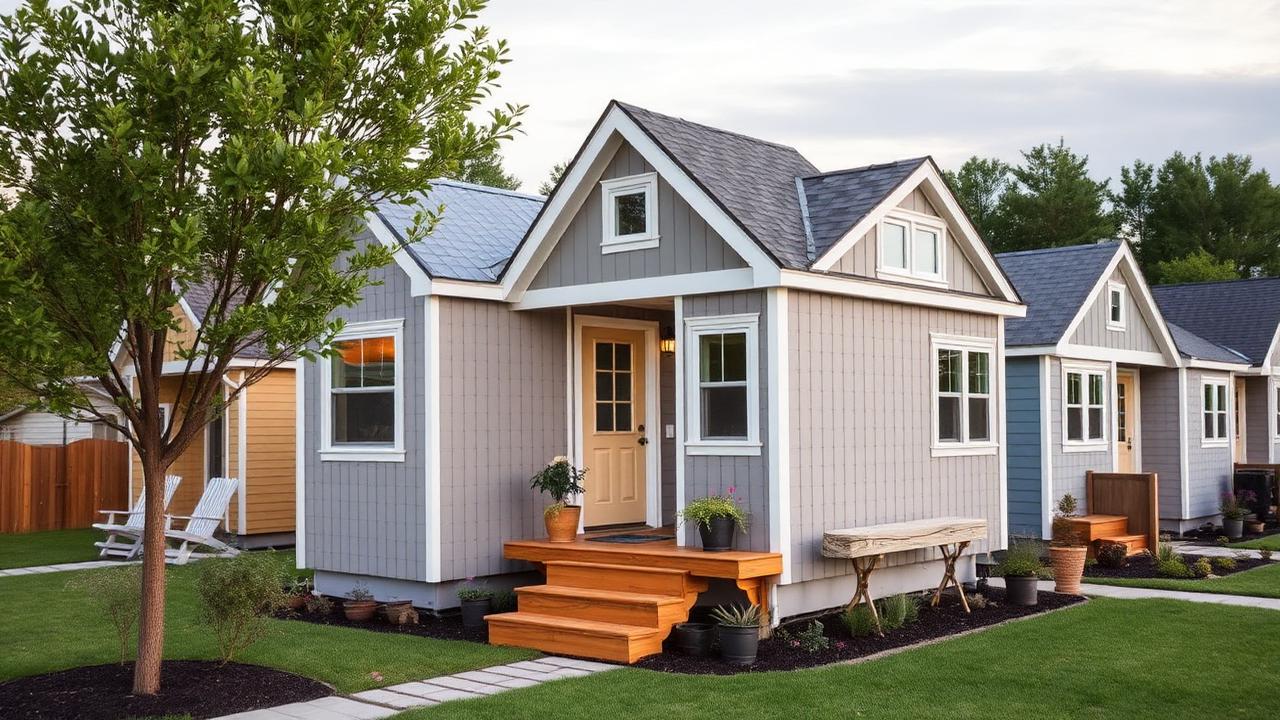
Successful tiny home developments deliver impressive returns
Project Financials
- Location: Bend, Oregon (0.33 acres)
- Land Cost: $55,000
- Total Development: $298,000 (including utilities, permits, construction)
- Units: 5 tiny homes on individual parcels
- Sales Revenue: $485,000 (average $97,000 per home)
- Net Profit: $187,000 (62.7% return)
James Chen took a different approach in Bend's Deschutes County, targeting buyers rather than renters. His third-of-an-acre parcel was subdivided into five micro-lots of approximately 2,900 square feet each, with each tiny home (350-420 sq ft) positioned to maximize mountain views and privacy.
Chen's build-to-sell strategy capitalized on Bend's housing affordability crisis and strong demand for downsized living. By offering turnkey homes priced $100,000-$150,000 below the area's median home price, he attracted first-time buyers, retirees, and remote workers seeking Bend's outdoor lifestyle without traditional housing costs.
This model proves particularly effective in high-demand rural areas where land values are rising but traditional housing development faces barriers. Understanding how to evaluate land potential early in the process is critical for success.
The Math Behind Micro-Lot Magic
What makes these small-scale developments so profitable? The numbers reveal several advantages over traditional real estate development:
Lower Entry Barriers
- • Land costs: $20,000-$80,000 vs. $200,000+ for traditional lots
- • Total investment: $150,000-$350,000 vs. $500,000+ for conventional builds
- • Accessible to individual investors and small partnerships
Faster Timeline
- • Development period: 6-12 months vs. 18-36 months
- • Modular construction accelerates build time
- • Quicker path to cash flow or sales revenue
Market Demand
- • Growing demographic seeking affordable, minimalist living
- • Lower price points attract broader buyer/renter pool
- • Community aspects appeal to millennials and retirees
Efficient Land Use
- • 4-6 units on quarter-acre vs. 1 traditional home
- • Higher density without sacrificing livability
- • Better financial performance per square foot
Consider this comparison: A traditional single-family home on a quarter-acre lot might rent for $1,800-$2,400 monthly. The same parcel developed as a four-unit tiny home community can generate $6,000-$8,000 monthly—a 250-330% increase in rental income potential. Even accounting for higher vacancy rates and management complexity, the cash flow advantage is substantial.
Critical Success Factors for Micro-Lot Development
1. Master Local Zoning and Building Codes
Every successful micro-lot developer emphasizes zoning research as the foundation. Look for municipalities with:
- Cottage court or tiny home ordinances
- Accessory Dwelling Unit (ADU) allowances
- Reduced setback requirements for small structures
- Planned Unit Development (PUD) options
Learn more about navigating these regulations in our guide on legal zoning strategies.
2. Strategic Site Selection
Not every small parcel makes a good tiny home community. Prioritize:
- Locations within 15 minutes of employment centers or amenities
- Parcels with existing utility connections (water, sewer, electric)
- Relatively flat topography to minimize site work costs
- Neighborhoods showing appreciation trends
- Areas with housing affordability challenges
Our land value calculator can help assess potential parcels quickly.
3. Thoughtful Community Design
Successful tiny home communities balance density with livability:
- Orient buildings to maximize privacy and natural light
- Create shared amenity spaces (gardens, patios, gathering areas)
- Provide adequate parking (typically 1-1.5 spaces per unit)
- Incorporate landscaping and green space (15-20% of lot)
- Design pedestrian-friendly pathways connecting units
4. Financial Planning and Contingencies
Budget for these often-overlooked costs:
- Permit fees and impact fees: $5,000-$20,000
- Site work and utilities: $30,000-$60,000
- Engineering and architectural plans: $8,000-$15,000
- Legal fees for entity formation and contracts: $3,000-$8,000
- Contingency reserve (15-20% of total budget)
Common Pitfalls to Avoid
Warning Signs
- ×Skipping Due Diligence: Always conduct thorough property due diligence including title search, survey, environmental assessment, and utility verification.
- ×Ignoring HOA or Deed Restrictions: Private covenants can be more restrictive than municipal zoning.
- ×Underestimating Timeline: Permitting delays, weather, and construction challenges extend projects by 30-50% on average.
- ×Overlooking Ongoing Costs: Property management, maintenance, insurance, and vacancy periods impact profitability.
- ×Cutting Quality Corners: Cheap finishes and poor construction damage rental rates and resale value.
Getting Started with Your Micro-Lot Project
Ready to explore micro-lot development? Follow this roadmap:
Research Local Markets and Regulations
Identify municipalities with favorable tiny home zoning. Review land development codes and speak with planning departments.
Identify Target Properties
Look for undersized lots (0.2-0.5 acres) in growing areas with utilities. Consider properties others have overlooked.
Run Financial Projections
Model different scenarios (rental vs. sale, 3 vs. 5 units) to understand potential returns and risks.
Assemble Your Team
Connect with experienced contractors, architects familiar with tiny homes, and real estate attorneys.
Start Small and Scale
Consider beginning with a 2-3 unit pilot project to learn the process before scaling to larger developments.
Have land you're considering for development? Get a professional evaluation to understand your property's micro-lot potential and current market value.
The Future is Small (and Profitable)
Micro-lot tiny home communities represent more than a development trend—they're a response to fundamental housing challenges facing American cities and towns. As housing affordability worsens and demand for alternative housing grows, small-scale developers who master this model will find increasing opportunities.
The case studies prove the concept: quarter-acre parcels once dismissed as unbuildable can generate six-figure incomes or substantial one-time profits. Success requires careful research, strategic planning, and attention to community design, but the potential rewards make micro-lot development one of real estate's most accessible and profitable opportunities.
Whether you're a first-time developer, experienced investor, or landowner looking to maximize your property's value, the micro-lot tiny home model deserves serious consideration. The magic isn't in the size of the lot—it's in the vision, execution, and growing market demand for smart, affordable housing solutions.
Have a Small Parcel You're Considering Developing?
Get a professional evaluation of your land's development potential and current market value. Whether you develop it yourself or sell to a developer, understanding your options is the first step.
Get Your Free Cash Offer
Fill out the form below and receive a no-obligation offer within 24 hours
Free evaluation • No obligation • Confidential consultation
Related Articles
7 Legal Ways to Unlock Development Potential on Restricted Acreage
Proven strategies for rezoning, obtaining variances, and creative land use solutions
How to Evaluate Raw Land: The 7 Essential Factors
Complete guide to assessing land potential before you buy or develop
10 Creative Ways to Use Vacant Land for Income
Generate revenue from your land while planning long-term development
Due Diligence Checklist for Buying Land
Avoid costly mistakes with comprehensive property research strategies