20+
Counties Affected
Millions
Acres at Risk
First
North American Detection
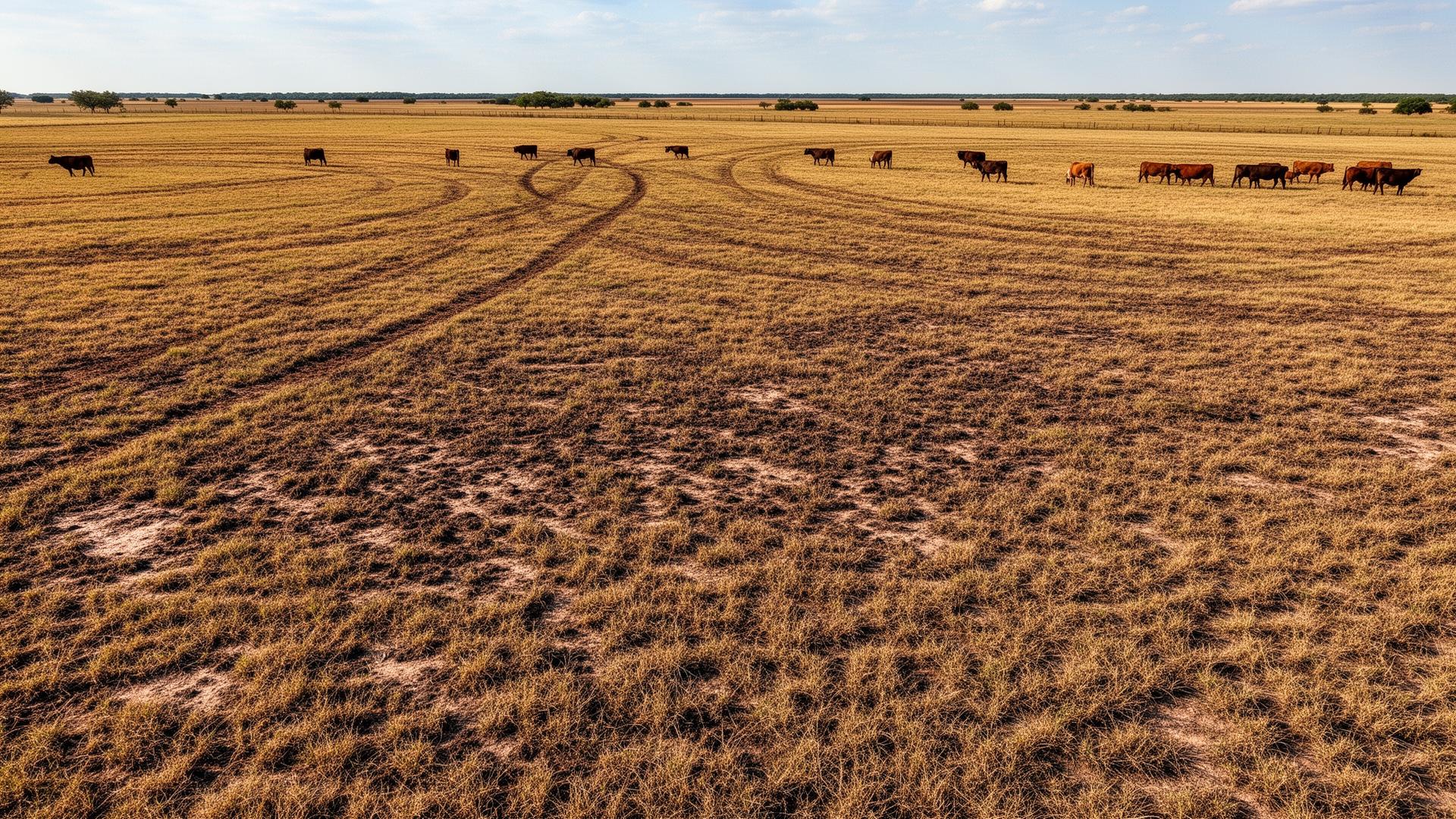
In what agriculture officials are calling one of the most significant pest threats to hit Texas in decades, the pasture mealybug (Heliococcus summervillei) has been detected across more than 20 counties in the Lone Star State. First identified in South Texas earlier this year, the invasive insect has spread with alarming speed, prompting urgent alerts from the Texas Department of Agriculture and Texas A&M AgriLife Extension.
This marks the first confirmed presence of the pasture mealybug anywhere in North America—a sobering reminder of how global trade and changing climate conditions continue to introduce new threats to American agricultural lands. For ranchers, farmers, and landowners across Texas, the implications are immediate and far-reaching.
Understanding the Threat
The pasture mealybug feeds on the sap of forage grasses, effectively draining the life from pastures and hayfields. Unlike some agricultural pests that target specific crops, this mealybug attacks a wide range of grasses commonly used for livestock grazing throughout Texas, including bermudagrass, bahiagrass, and native prairie species.
According to reports from Texas A&M AgriLife Extension, infested pastures can experience significant yield losses, with some areas seeing up to 50% reduction in forage production. The pest secretes a waxy, white substance that covers grass stems and leaves, making infested fields easy to identify but difficult to treat once established.
What makes this outbreak particularly concerning is the mealybug's reproductive capacity. A single female can produce hundreds of offspring, and without natural predators in North America, population growth has been explosive in the months since initial detection.
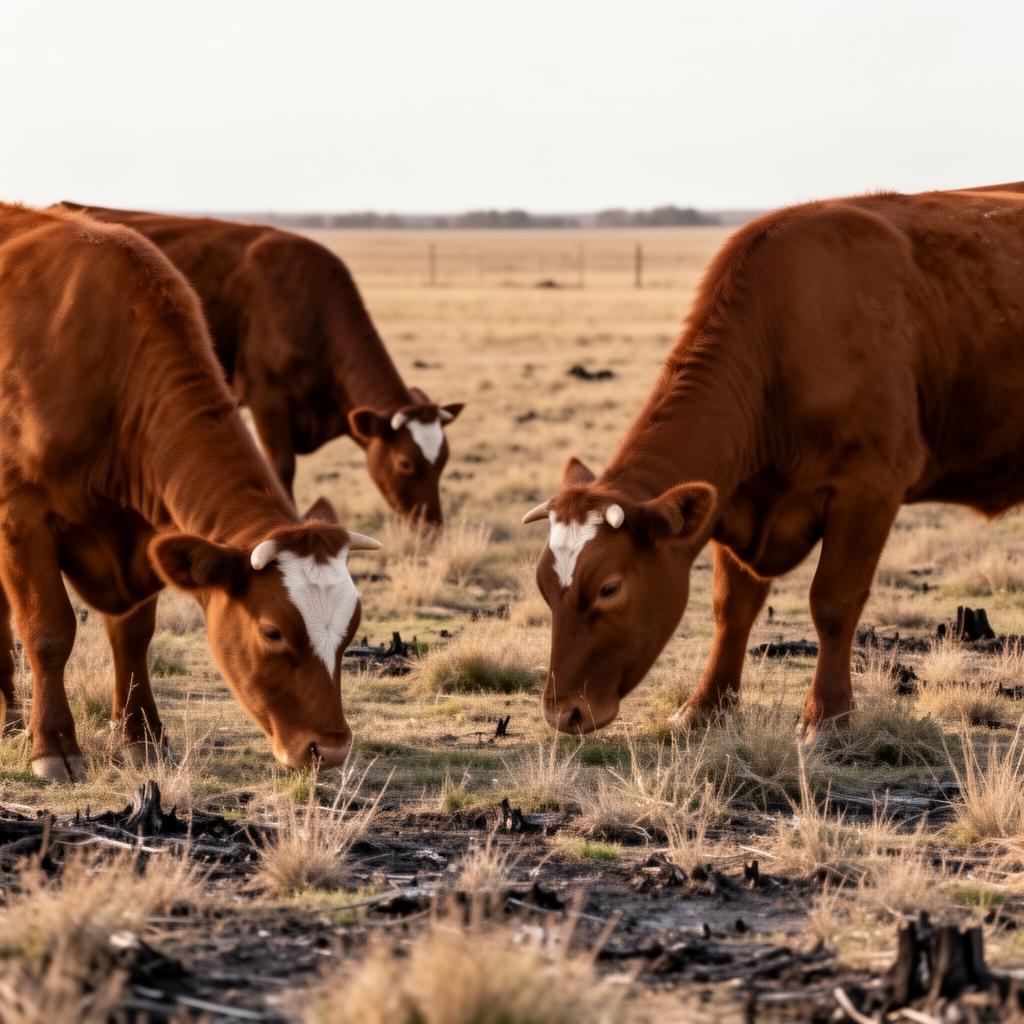
Cattle in affected areas face reduced forage availability, forcing ranchers to supplement feed or reduce herd sizes.
Where the Invasion Has Spread
The mealybug was first detected in South Texas near the Rio Grande Valley, but has since spread northward and eastward at a pace that has surprised entomologists. Counties with confirmed infestations include major ranching regions in Central and South Texas, with new detections being reported weekly.
Affected counties span from the Gulf Coast plains to the Hill Country, including areas traditionally considered prime ranchland. The pest appears to thrive in Texas's warm climate, and experts warn that without effective intervention, the entire state's approximately 130 million acres of rangeland and pasture could eventually be at risk.
Agricultural officials are particularly concerned about spread into the Texas Panhandle and Rolling Plains regions, where cattle operations depend heavily on native and improved pastures for year-round grazing.
Economic Implications for Landowners
The Bottom Line
Reduced forage production means higher operating costs for ranchers and potentially lower valuations for affected agricultural land.
The economic ramifications of this invasion extend well beyond individual ranching operations. Texas leads the nation in cattle production, with approximately 13 million head of cattle—and the vast majority depend on pasture grazing for at least part of their diet. Reduced forage availability translates directly to increased feed costs, as ranchers must supplement with purchased hay or grain.
For hay producers, the outlook is equally concerning. Texas hay production represents a multi-billion-dollar industry, with exports to other states and countries. Infested fields producing less hay means tighter supplies and higher prices—a ripple effect that will impact livestock operations across the American South.
Perhaps most significantly for land investors and rural property owners, the invasion raises questions about long-term land values. Properties with documented mealybug infestations may face reduced demand from agricultural buyers, while the uncertainty surrounding the pest's spread could dampen enthusiasm for ranchland acquisitions in general.
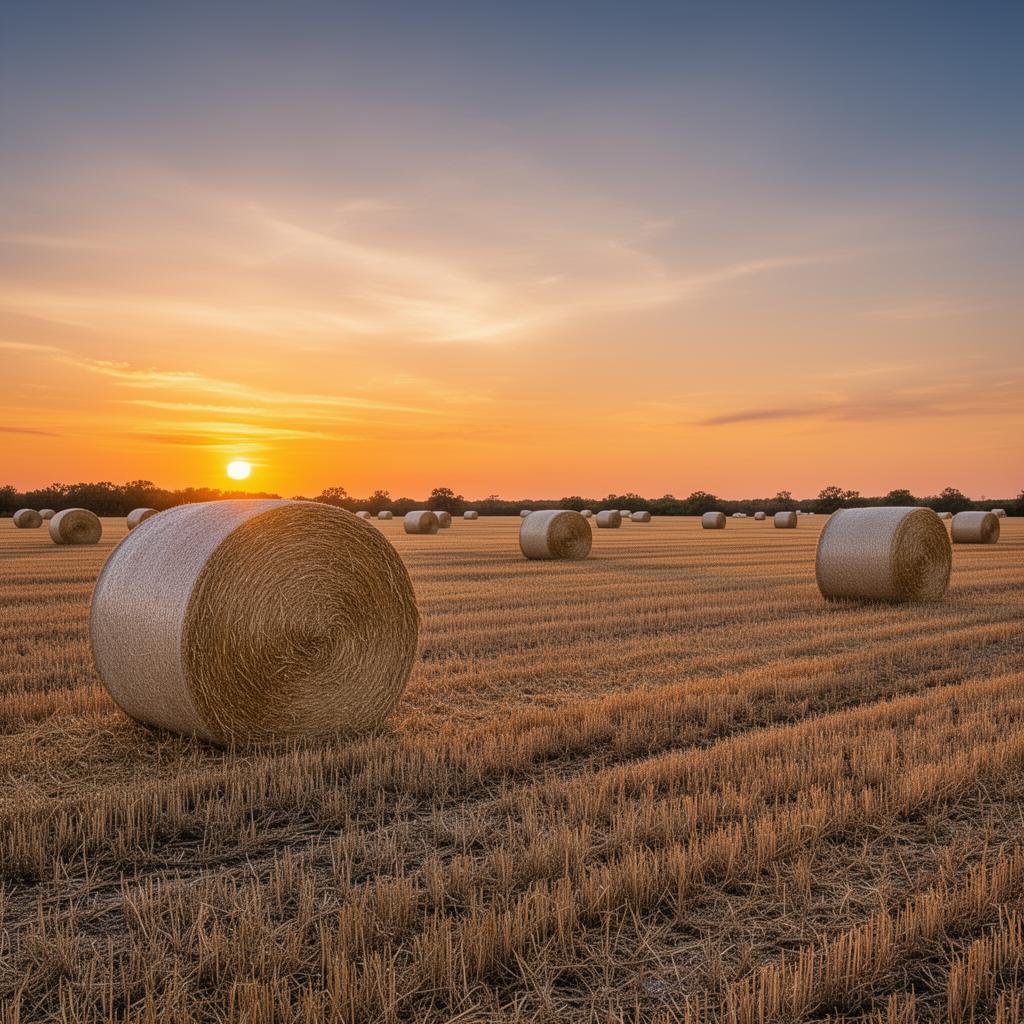
Hay production across Texas faces significant challenges as the mealybug threatens forage yields.
What Landowners Should Know
Identification
Look for white, waxy accumulations on grass stems near the soil line. Heavily infested areas may appear "frosted" with white residue.
Reporting
Report suspected infestations to your local county extension office or the Texas Department of Agriculture immediately.
Prevention
Avoid moving hay from infested counties to clean areas. The pest can hitchhike on harvested forage.
Planning
Consider diversifying income streams and assess whether current land use remains viable long-term.
For landowners in affected or at-risk counties, the situation demands careful assessment. Those currently operating cattle or hay operations should work closely with extension agents to monitor for infestations and implement recommended management practices. Treatment options remain limited, though research is ongoing to identify effective control measures.
Landowners considering selling property should be aware that disclosure of known pest issues is typically required in real estate transactions. Conversely, buyers conducting due diligence on Texas ranchland should include pest assessment as part of their evaluation process.
The Bigger Picture: Climate, Invasives, and Land Management
The pasture mealybug invasion fits into a broader pattern of climate-driven pest and disease pressures facing American agriculture. Warmer winters, extended growing seasons, and changing precipitation patterns have created conditions favorable to invasive species that historically couldn't survive in temperate zones.
This trend has significant implications for how we think about land investment and management. Properties that were once reliable for specific agricultural uses may face new challenges, while land management practices must evolve to address emerging threats. For rural landowners, staying informed about these shifts is increasingly essential.
Some landowners facing pest pressure or changing agricultural conditions are choosing to explore their options, including the possibility to sell vacant land while market conditions remain favorable. Cash buyers like Place Acre purchase land regardless of agricultural challenges, offering a straightforward exit strategy for owners ready to move on.
Looking Ahead
The pasture mealybug invasion represents a significant challenge for Texas agriculture, but it's one that the state's resilient farming and ranching community is actively addressing. Research institutions are working to develop treatment protocols, extension services are expanding monitoring efforts, and agricultural officials are coordinating response strategies across affected regions.
For landowners, the key is staying informed and proactive. Whether your goal is to continue agricultural operations, transition to alternative land uses, or explore selling options, understanding the current landscape—including challenges like the mealybug outbreak—positions you to make the best decisions for your property and financial future.
We'll continue to monitor this developing story and provide updates as new information becomes available. For Texas landowners with questions about their property's value or selling options in light of these developments, our team is available to provide no-obligation consultations.