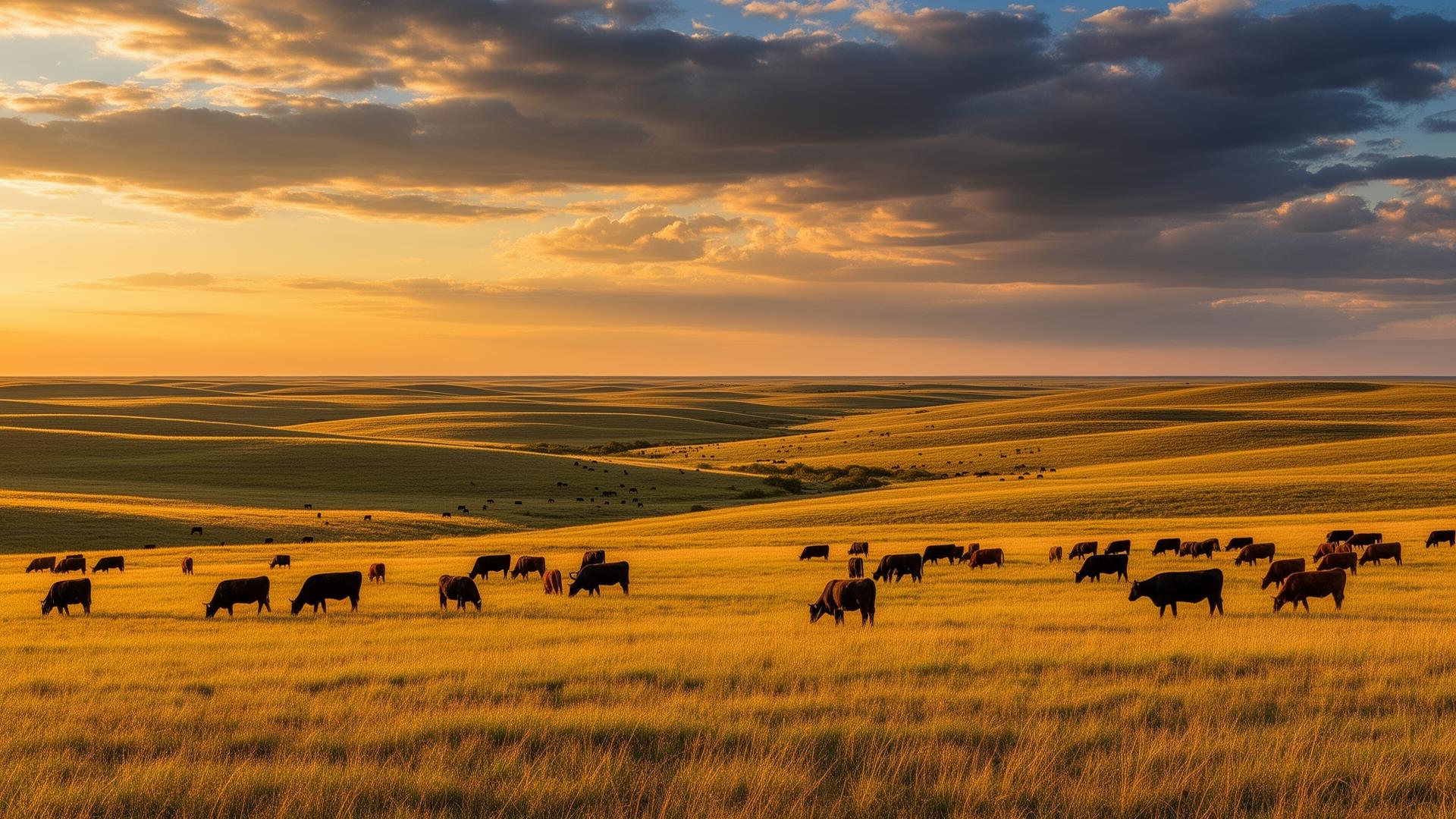
In the rolling tallgrass prairies of north-central Oklahoma, one family's name looms larger than any other. As of early 2026, the Drummond family—proprietors of Drummond Land & Cattle Company—still controls roughly 433,000 acres of prime ranchland, a territory spanning approximately 650 square miles that dwarfs many Oklahoma counties and cements their status as the Sooner State's largest private landowners.
According to the most recent data from The Land Report and verified county ownership records reviewed in early 2026, the Drummonds have not only maintained their lead but have quietly added parcels over the past decade. Their empire stretches primarily across Osage, Pawnee, and Noble counties—some of the most productive cattle country in the American heartland. For anyone trying to understand Oklahoma's agricultural heritage and land market, the Drummond story is essential reading.
Who Is the Largest Landowner in Oklahoma?
The largest private landowner in Oklahoma is the Drummond family, who own and operate Drummond Land & Cattle Company across roughly 433,000 acres in Osage, Pawnee, and Noble counties. The family has held land in the region since the 1880s and remains the state's top-ranked landowner heading into 2026.
Best known publicly through Ree Drummond's "Pioneer Woman" media brand, the family runs one of the largest commercial cattle operations in the country. Their holdings cover an area larger than several Oklahoma counties combined.
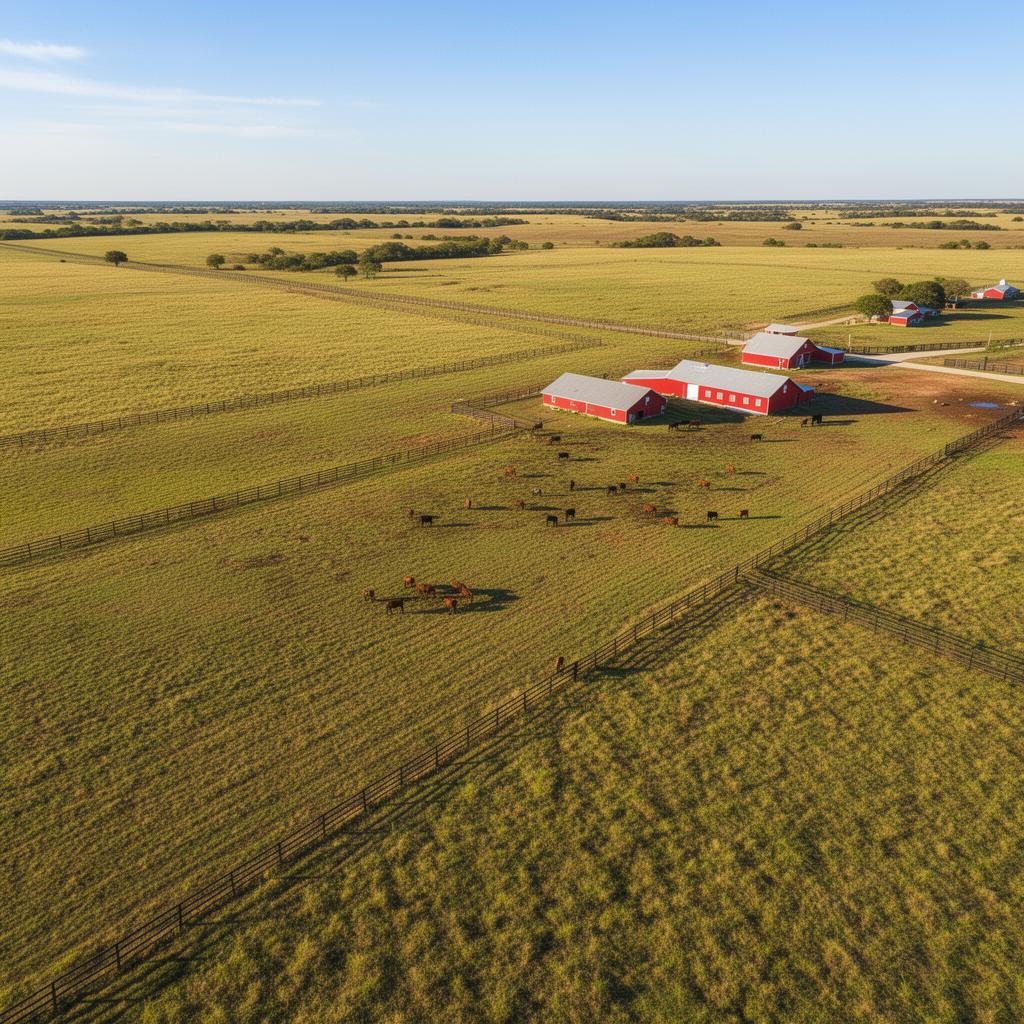
Aerial perspective of typical Drummond ranch operations—red barns dot a landscape that stretches beyond the horizon
Top 10 Largest Landowners in Oklahoma
Estimates compiled from The Land Report, county assessor records, and publicly reported transactions. Acreage figures are approximate and reflect the best public data available as of January 2026.
| Rank | Family / Entity | Estimated Acres | Primary Counties | Primary Use |
|---|---|---|---|---|
| 1 | Drummond Family (Drummond Land & Cattle) | ~433,000 | Osage, Pawnee, Noble | Cattle ranching |
| 2 | Chapman-Barnard Heirs / Successor Trusts | ~100,000+ | Osage | Ranching, oil & gas |
| 3 | Nature Conservancy (Tallgrass Prairie Preserve) | ~40,000 | Osage | Conservation |
| 4 | Bartlett Ranches / Cherokee Ranch interests | ~35,000 | Pawnee, Payne | Cattle, recreation |
| 5 | Williams Family Holdings | ~30,000 | Osage, Washington | Ranching, energy |
| 6 | Mollie Williams Estate & Successors | ~28,000 | Osage | Cattle ranching |
| 7 | Chickasaw Nation (commercial & ag holdings) | ~25,000+ | Carter, Pontotoc, Johnston | Tribal ag & commercial |
| 8 | Choctaw Nation (commercial holdings) | ~20,000+ | McCurtain, Pittsburg | Forestry, ag, commercial |
| 9 | Adams Ranch (Oklahoma operations) | ~18,000 | Comanche, Tillman | Cattle ranching |
| 10 | Selected Investment Funds (combined timber/ag) | ~15,000+ | LeFlore, Pushmataha | Timber, recreation |
2025–2026 Drummond Transactions
Public real estate filings in Osage and Pawnee counties through late 2025 show the Drummond family continued their long-standing pattern of opportunistic acquisitions rather than sales. The family has historically avoided publicized transactions, preferring private deals with neighboring ranchers and inherited-land sellers.
Industry trackers note that pastureland values across north-central Oklahoma rose roughly 6–9% year-over-year heading into 2026, supported by strong cattle prices and renewed interest from out-of-state investors. Drummond Land & Cattle's overall footprint remains in the 430,000-acre range, with no publicly reported divestitures during the 18 months leading into 2026.
For Oklahoma landowners watching the market, the takeaway is simple: the largest player in the state is still buying, not selling, and that quiet demand continues to put a floor under regional land prices.
Own Oklahoma Land You Want to Sell?
Get a Cash Offer in 24 Hours. No commissions, no waiting on financing — just a fair number from a real buyer.
The Pioneer Woman Connection
While the Drummond family has quietly amassed land for over a century, their national profile exploded in 2011 when Ree Drummond—wife of Ladd Drummond, one of the family's primary cattle operations managers—launched "The Pioneer Woman" on Food Network. What started as a humble food blog transformed into a multimedia empire that now includes multiple TV shows, a magazine, cookbooks, a product line at Walmart, and a tourist destination in Pawhuska, Oklahoma.
The Pioneer Woman brand has brought unprecedented attention to the Drummond ranching operations, with millions of viewers getting glimpses of daily life on a working cattle ranch. This visibility has had a fascinating effect on the local land market: properties in Osage County have seen increased interest from out-of-state buyers drawn by the romanticized vision of ranch life that the show portrays. Real estate agents in the area report that "Pioneer Woman tourism" has become a genuine factor in property inquiries.
But behind the charming façade of homemade cinnamon rolls and family roundups lies a serious agricultural operation. The Drummond family runs one of the largest commercial cattle herds in the state, managing thousands of head across their vast acreage. This isn't a hobby ranch maintained for TV cameras—it's a multi-generational business that has survived market crashes, droughts, and the constant pressures of modern agriculture.
A Century of Land Acquisition
The Drummond land empire didn't materialize overnight. The family's Oklahoma roots trace back to the 1886 Land Run era, when Fred Drummond Sr. arrived in what was then Indian Territory. Unlike many who came seeking quick homestead claims, the Drummonds understood that lasting wealth in the West came from patient accumulation. Over the following decades, they acquired parcel after parcel, often purchasing land from struggling neighbors during economic downturns.
The Great Depression proved particularly consequential for the family's expansion. While many Oklahoma farmers and ranchers were forced to sell at fire-sale prices, the Drummonds—already established and relatively cash-rich—were positioned to buy. This pattern repeated during the 1980s farm crisis and again during the 2008 financial collapse. Each generation has added to the holdings, viewing land as the ultimate store of value.
Today's empire is managed primarily by Ladd Drummond and his brothers, with the next generation already taking on operational roles. The family's approach to ranching remains relatively traditional—rotating cattle across vast pastures, maintaining the native tallgrass prairie ecosystem, and keeping overhead low. It's a model that has proven remarkably resilient across more than a century of economic upheaval.
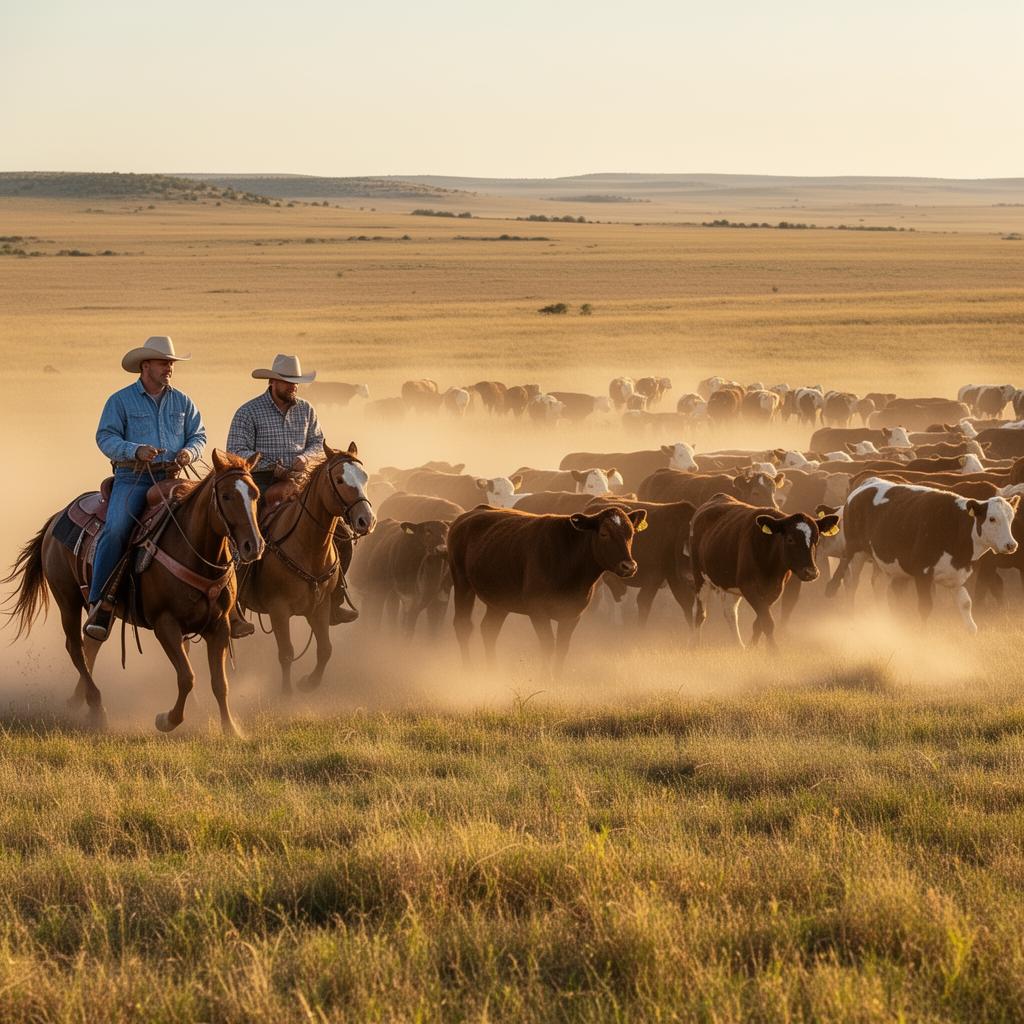
Traditional cattle ranching methods remain the backbone of the Drummond operation
What 433,000 Acres Means for Oklahoma
Cattle Production Powerhouse
The Drummond operation contributes significantly to Oklahoma's position as the nation's fifth-largest cattle-producing state. Their management practices influence regional standards, and their buying power affects everything from hay prices to veterinary services across multiple counties.
Conservation Impact
Much of the Drummond land remains in native tallgrass prairie—one of the world's most endangered ecosystems. By keeping large contiguous tracts in ranching use rather than converting to cropland or development, the family inadvertently preserves critical habitat for grassland birds and wildlife.
Land Market Influence
When you control 650 square miles, you effectively set the floor for land prices in your region. The Drummonds rarely sell, which keeps supply tight. When they do acquire new parcels, their price points become benchmarks for neighboring transactions.
Economic Engine
Beyond the ranch itself, the Pioneer Woman phenomenon has transformed tiny Pawhuska into a tourist destination. The Mercantile draws hundreds of thousands of visitors annually, supporting local businesses and creating jobs in an otherwise struggling rural economy.
Land Concentration: A National Trend
The Drummond family's dominance reflects a broader pattern across American agriculture. According to USDA data, the largest 4% of farms now control over half of all U.S. farmland. Family dynasties like the Drummonds, the King Ranch in Texas, and the Waggoner Ranch (recently sold to Stan Kroenke) represent the apex of this consolidation trend.
For smaller landowners in Oklahoma considering their options, this concentration creates both challenges and opportunities. The challenge: competing with well-capitalized operations that can weather bad years and pay premium prices for strategic acquisitions. The opportunity: selling to families like the Drummonds (or their peer investors) who actively seek to expand their holdings and can close quickly with cash.
If you own land in Oklahoma and are contemplating a sale, understanding who the major players are—and what they're buying—can inform your strategy. Whether you're looking to sell inherited property, consolidate holdings, or simply exit the agricultural business, working with an experienced Oklahoma land buyer who understands these dynamics can make a significant difference in your outcome.
The Future of Oklahoma's Ranch Empires
As 2025 unfolds, Oklahoma's agricultural land market remains surprisingly stable despite broader economic uncertainties. Pastureland values in the state have held steady, supported by strong cattle prices and persistent demand from both traditional ranchers and investment groups seeking inflation hedges.
The Drummond family shows no signs of slowing their acquisition strategy. Industry observers expect continued consolidation, with mid-sized ranches most vulnerable to absorption. For families holding land they no longer wish to operate, the current market offers favorable conditions—values remain near historic highs, and qualified buyers have capital ready to deploy.
What makes the Drummond story compelling isn't just its scale—it's its persistence. In an era of corporate absentee ownership and institutional farmland investment, they remain a family operation, albeit an extraordinarily large one. Their success suggests that the old model of generational land stewardship, when combined with shrewd business sense and a willingness to adapt (hello, Pioneer Woman brand), can still thrive in modern America.
Key Takeaways
Dominant Position: The Drummond family's 433,000 acres make them Oklahoma's largest private landowners by a significant margin, controlling territory larger than many counties.
Pioneer Woman Effect: Ree Drummond's media empire has brought unprecedented visibility to the family's ranching operations and transformed local tourism in Osage County.
Century of Growth: The empire was built through patient accumulation over 100+ years, with strategic purchases during economic downturns proving particularly consequential.
Market Implications: Land concentration creates unique dynamics for sellers—understanding who the major players are can inform pricing and negotiation strategies.
Own Land in Oklahoma?
Whether you're considering selling inherited property, consolidating holdings, or exploring your options, PlaceAcre provides fast, fair cash offers for Oklahoma land. No commissions, no delays.
Related News
Inside the King Ranch
America's legendary 825,000-acre Texas cattle empire and its lasting impact on ranching.
The Farmland Crisis
How consolidation and debt are reshaping American agriculture in 2025.
Selling Inherited Land in Oklahoma
Your complete guide to navigating the process of selling inherited property.