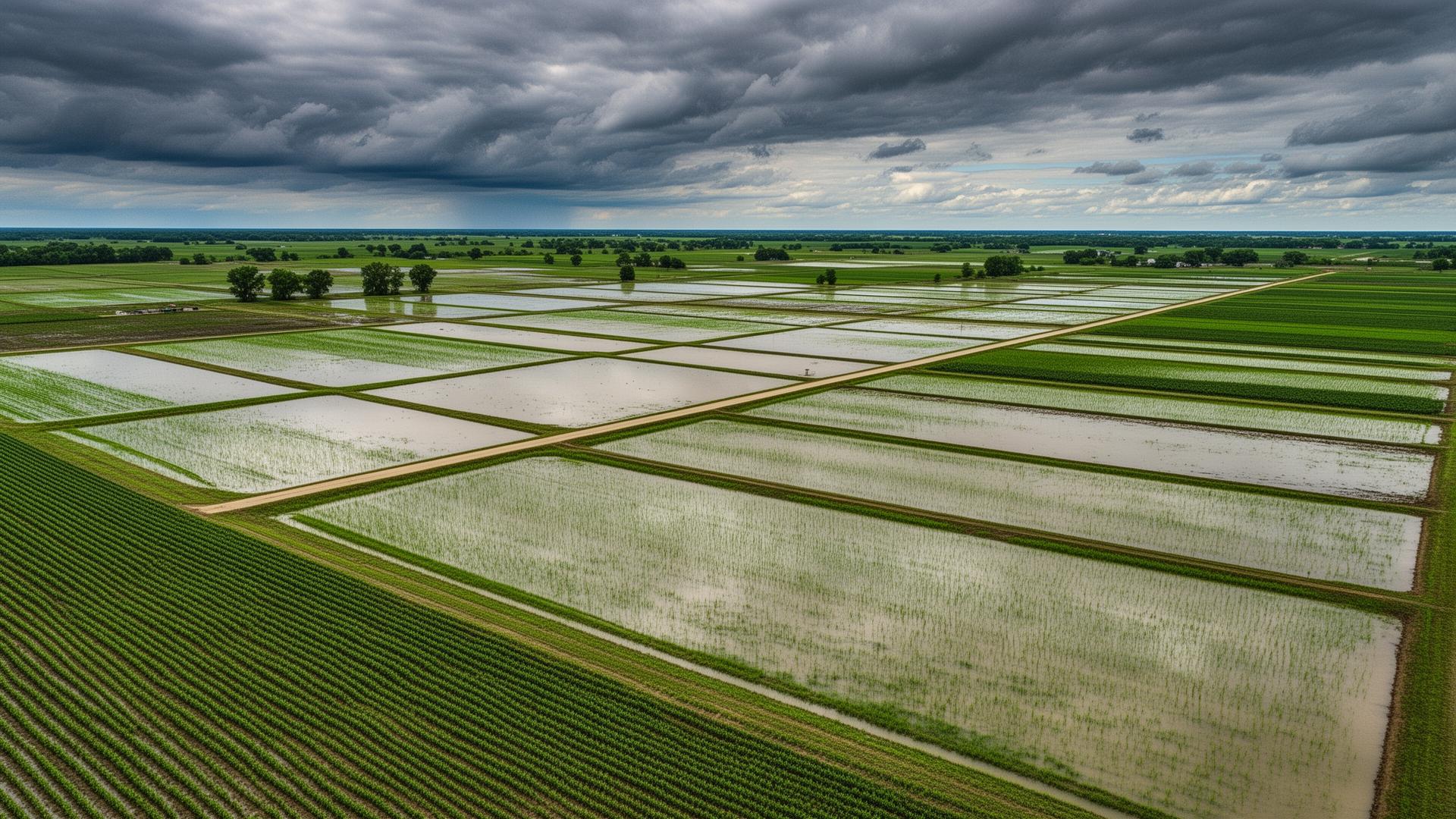
Arkansas farmers are bracing for another challenging year as projections from the University of Arkansas System Division of Agriculture indicate that net farm income will decline approximately 8% in 2025, dropping to around $2.91 billion. This downturn comes amid a confluence of factors that have been particularly devastating for producers in the Delta region, where row crop and rice farmers are facing what many agricultural economists are calling a full-blown "Delta farm crisis."
The projected decline represents a continuation of financial pressures that have been building over the past several years, as farmers contend with volatile commodity markets, extreme weather events, rising input costs, and shrinking profit margins. For Arkansas, which ranks as the nation's leading rice producer and a major player in soybean, cotton, and corn production, the implications extend far beyond individual farm operations—threatening the economic fabric of entire rural communities.
The Delta Farm Crisis: A Perfect Storm
The Arkansas Delta, stretching across the eastern portion of the state along the Mississippi River, has long been the agricultural heartland of Arkansas. This flat, fertile region produces the vast majority of the state's rice, soybeans, corn, and cotton. However, Delta farmers now find themselves caught in what agricultural experts describe as a "perfect storm" of adverse conditions.
According to recent analysis from the University of Arkansas Division of Agriculture, the combination of depressed commodity prices, elevated production costs, and weather-related challenges has pushed many Delta operations to the breaking point. Rice prices, in particular, have failed to keep pace with input cost inflation, leaving producers with razor-thin margins—or outright losses—on each acre planted.
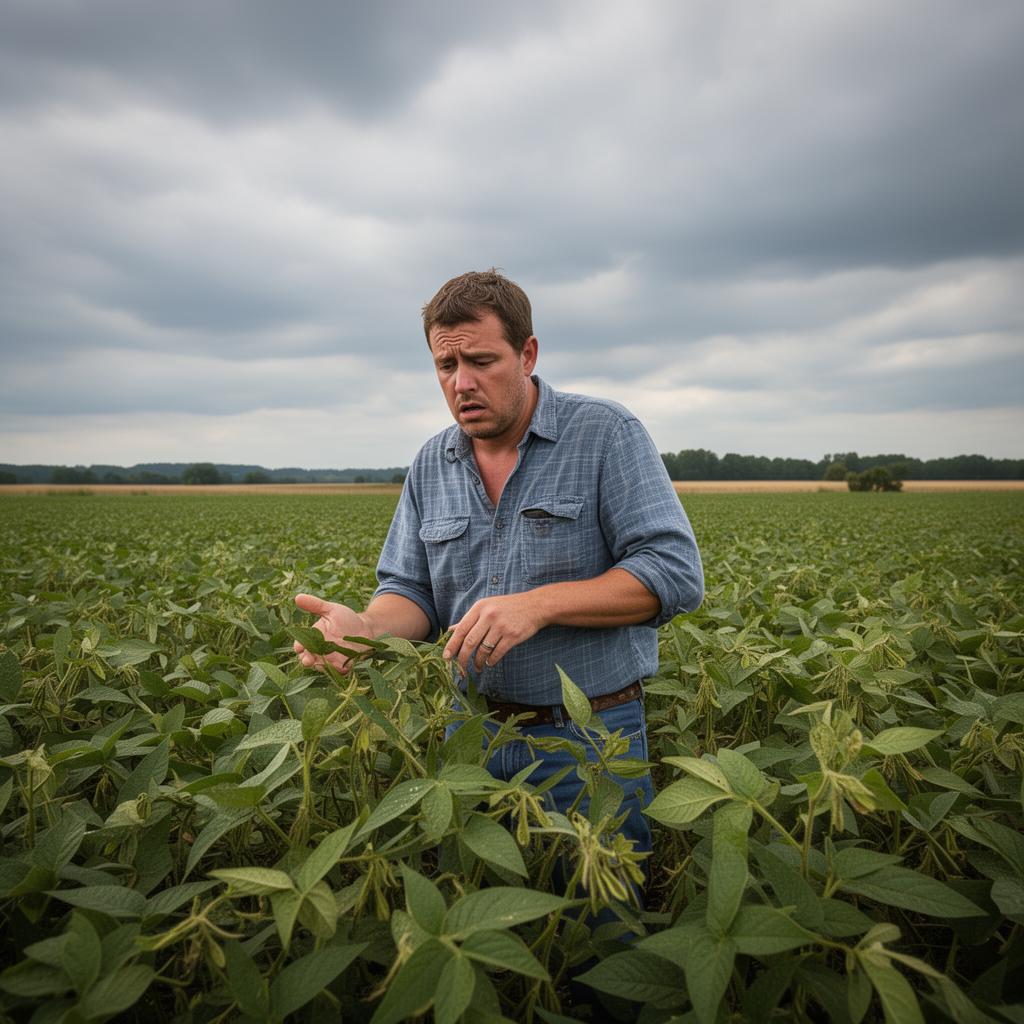
Delta farmers face mounting economic pressures
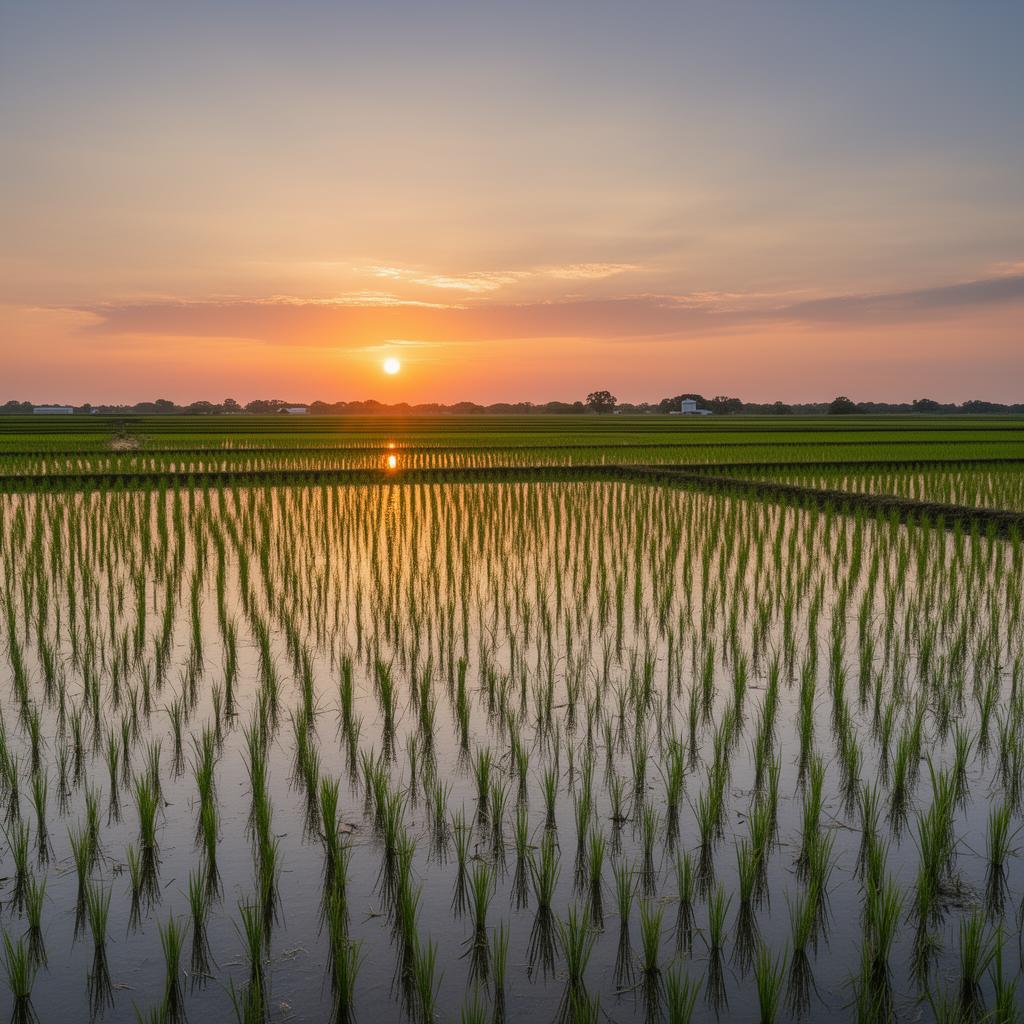
Arkansas leads the nation in rice production
Commodity Price Pressures
The decline in farm income is driven primarily by weakening commodity prices across nearly all major crops grown in Arkansas. Soybean prices have retreated significantly from their 2022 highs, while corn and cotton markets remain under pressure from global oversupply concerns and trade uncertainties. Rice, the signature crop of the Arkansas Delta, has been particularly hard-hit by international competition and a strong U.S. dollar that makes American rice less competitive in export markets.
For row crop farmers who invested heavily in land, equipment, and inputs during the commodity boom years, the current price environment has created severe cash flow challenges. Many operators took on significant debt to expand operations when commodity prices were favorable, only to find themselves struggling to service that debt as revenues have declined.
The situation is compounded by the fact that input costs—including fertilizer, fuel, seed, and chemicals—remain elevated despite the decline in commodity prices. This cost-price squeeze has left many farmers operating at a loss, with some estimating that every acre of rice planted in 2025 could result in negative returns.
Weather and Climate Challenges
Adding to the financial stress, Arkansas farmers have faced a series of challenging weather years that have impacted yields and increased production costs. Erratic rainfall patterns, including both drought conditions and excessive moisture during critical growing periods, have disrupted planting schedules and reduced harvest quality.
The Delta region, with its flat topography and heavy clay soils, is particularly vulnerable to both flooding and drought. When excessive rains occur during planting season, farmers may miss optimal planting windows or face waterlogged fields that prevent equipment access. Conversely, dry conditions during the growing season can stress crops and reduce yields, particularly for rice which requires consistent water availability.
These climate-related challenges have increased production risk and pushed farmers to invest in irrigation infrastructure, drainage improvements, and other adaptive measures—all of which add to the already-heavy burden of production costs.
Rising Bankruptcies and Farm Auctions
The financial distress in Arkansas agriculture is increasingly manifesting in rising farm bankruptcy filings and a growing number of farm auctions across the Delta region. Agricultural lenders report a significant uptick in delinquent loans, with many family operations exhausting their credit lines and savings while waiting for an economic turnaround that has yet to materialize.
Farm advocacy groups have documented a concerning pattern of multi-generational farms being forced to liquidate assets or sell land to remain solvent. These sales often occur under distressed conditions, with sellers receiving below-market prices due to the pressure to generate immediate cash flow.
State and federal officials have received growing calls for emergency assistance, with some farm organizations advocating for targeted relief programs similar to those implemented during previous agricultural crises. However, the political appetite for large-scale farm bailouts remains uncertain, leaving many producers in a precarious position.
Family Farms Under Threat
Perhaps the most concerning aspect of the current crisis is its impact on family-owned farming operations, which account for 94.7% of all farms in Arkansas. These operations, many of which have been passed down through multiple generations, form the backbone of rural Arkansas communities and represent a way of life that extends far beyond simple economic calculations.
For younger farmers who entered the industry in recent years, the current environment presents existential challenges. Many took on substantial debt to purchase or lease land at prices that reflected the higher commodity prices of the early 2020s, only to find themselves underwater as market conditions have deteriorated.
The aging farm population compounds these concerns, as many older farmers who had planned to transition operations to the next generation are now questioning whether farming offers a viable future for their children and grandchildren. Some are choosing to exit the industry entirely, either through retirement sales or—in more distressing cases—through bankruptcy proceedings.
Land Retention and Market Dynamics
The financial pressures facing Arkansas farmers have begun to ripple through the agricultural land market, with implications for both current landowners and prospective buyers. While Arkansas farmland values have remained relatively stable compared to some Midwestern states, there are growing signs of softening demand as farm profitability has declined.
For landowners considering their options, the current environment presents a complex calculus. Some are choosing to sell land outright rather than continue operating at a loss, while others are exploring alternative arrangements such as cash renting to larger operations that may be better positioned to weather the current downturn.
Those looking to sell Arkansas land fast are finding that the market dynamics have shifted significantly from just a few years ago. While agricultural land remains a valuable asset, the urgency among buyers has diminished as the profit potential from farming has decreased.
Looking Ahead: Glimmers of Hope
Despite the challenging outlook, agricultural experts point to several factors that could help stabilize the situation in coming years. Global demand for food continues to grow, particularly in developing nations, which should eventually support commodity prices. Additionally, the ongoing consolidation of the farm sector, while painful for individual operators, may ultimately result in more efficient operations better positioned to manage market volatility.
Some Arkansas farmers are exploring diversification strategies, including specialty crops, value-added products, and conservation programs that can provide alternative income streams. The state's location and climate make it well-suited for a variety of agricultural enterprises beyond traditional row crops, though transitioning to new production systems requires capital that many struggling operations simply do not have available.
For now, the immediate future remains challenging. The projected 8% decline in net farm income for 2025 represents a significant blow to an industry already reeling from multiple difficult years. Whether this marks the bottom of the current agricultural cycle or merely another step in an extended downturn remains to be seen, but one thing is certain: the resilience of Arkansas farmers will be tested like never before.