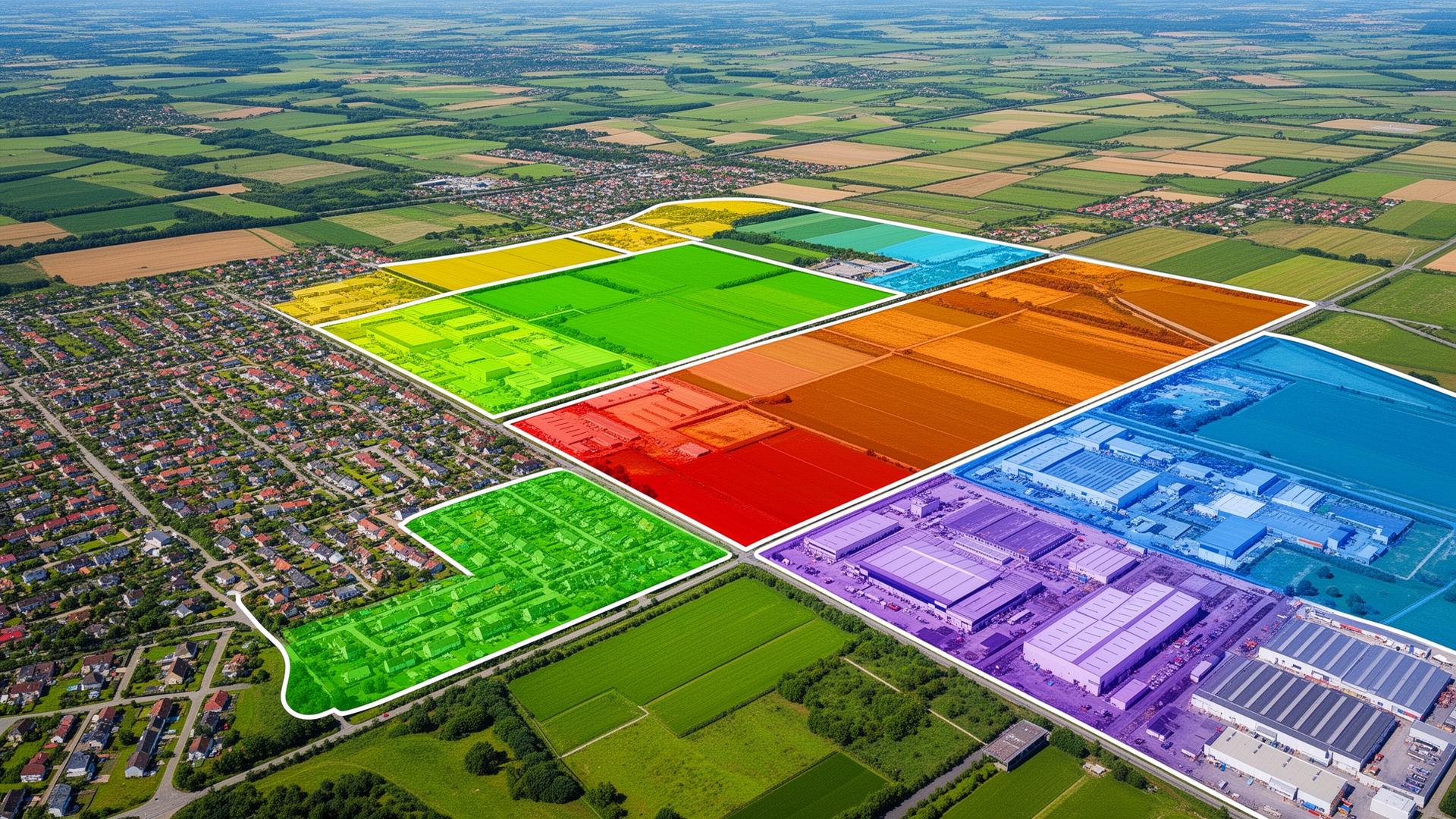
When you purchase a piece of land, it is natural to assume you have complete freedom to use it however you wish. Build a dream home, start a small farm, open a business—the possibilities seem endless. However, the reality is often more complicated. Zoning codes, those seemingly arcane regulations established by local governments, play a decisive role in determining what you can and cannot do with your property. Understanding these rules before you buy—or before you attempt a major project—can save you thousands of dollars and countless headaches.
What Are Zoning Codes?
Zoning codes are local laws that divide land into specific districts or zones, each with its own set of permitted uses, density requirements, building standards, and restrictions. These regulations emerged in the early twentieth century as cities grew rapidly and conflicts arose between incompatible land uses—imagine a noisy factory opening next to a quiet residential neighborhood.
Today, virtually every municipality in the United States maintains some form of zoning ordinance. These codes govern everything from the type of structures you can build to how tall they can be, how far they must sit from property lines (setback requirements), how much of your lot can be covered by buildings (lot coverage), and what activities are permitted on the premises.
The specific zoning designation assigned to your property fundamentally shapes its potential uses and, consequently, its market value. A parcel zoned for commercial development typically commands a higher price than an identical parcel restricted to agricultural use, precisely because commercial zoning unlocks more profitable development opportunities.
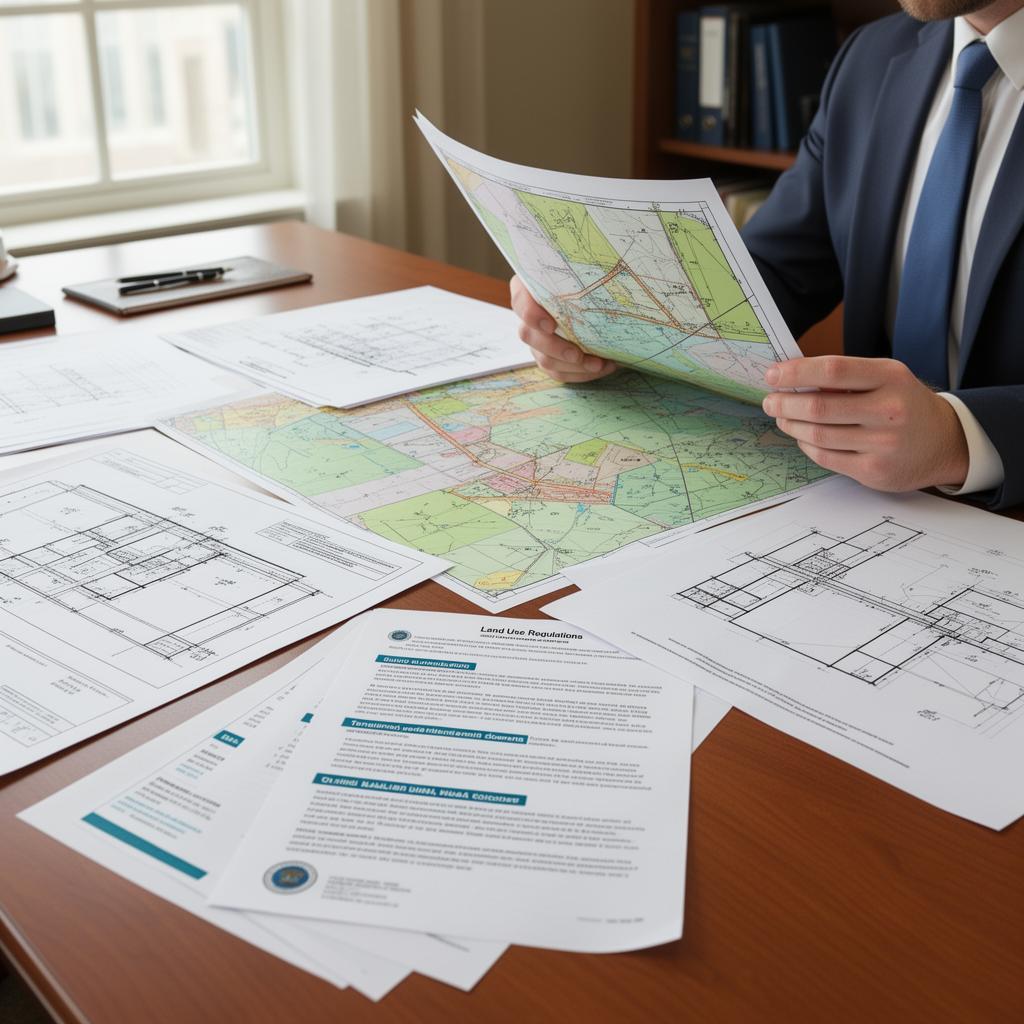
Researching zoning codes before purchasing land can prevent costly surprises and ensure your intended use is permitted.
Common Zoning Classifications Explained
Residential Zoning (R-1, R-2, R-3, etc.)
Residential zoning categories regulate housing development and are typically tiered by density. R-1 zones usually permit only single-family homes on larger lots, while R-2 and R-3 zones allow duplexes, townhouses, or multi-family apartment buildings. Key regulations include minimum lot sizes, maximum building heights, setback requirements, and restrictions on home-based businesses.
Commercial Zoning (C-1, C-2, C-3, etc.)
Commercial zoning encompasses retail stores, restaurants, offices, hotels, and other business uses. Different tiers may distinguish between neighborhood commercial (small shops and services), general commercial (larger retail and offices), or highway commercial (auto-oriented businesses). Parking requirements, signage regulations, and hours of operation often apply.
Agricultural Zoning (A-1, AG, etc.)
Agricultural zoning protects farmland and rural character by restricting non-farm development. These zones typically permit farming, ranching, orchards, and related agricultural activities. Many agricultural zones allow one residence per parcel but prohibit subdivisions or commercial development. Some jurisdictions permit agritourism activities like farm stands or U-pick operations.
Industrial Zoning (I-1, I-2, M-1, etc.)
Industrial zoning accommodates manufacturing, warehousing, distribution centers, and heavy industry. Light industrial zones (I-1 or M-1) typically allow cleaner operations like tech manufacturing or fulfillment centers, while heavy industrial zones permit activities with greater environmental impacts. Buffer requirements often separate industrial zones from residential areas.
How to Check Zoning on Your Property
Before purchasing land or planning any project, researching the applicable zoning is essential. Here are the most reliable methods for determining how your property is zoned:
County or City Planning Department
Contact your local planning or zoning department directly. Staff can provide the official zoning designation, explain permitted uses, and clarify any restrictions that apply to your specific parcel.
Online GIS Mapping Systems
Many jurisdictions maintain online Geographic Information Systems (GIS) that allow you to look up zoning by address or parcel number. These interactive maps show zoning boundaries and often link to the full zoning ordinance.
Property Tax Records
County assessor records sometimes include zoning information alongside property tax data. While not always current, this provides a useful starting point for your research.
Title Company or Real Estate Attorney
During a real estate transaction, your title company or attorney can research zoning as part of due diligence. They can also identify any recorded restrictions, easements, or covenants affecting the property.

Your land's zoning classification determines which uses are permitted—from building a home to farming to leaving it as open space.
What If Zoning Does Not Match Your Plans?
Discovering that your intended use conflicts with current zoning does not necessarily mean your plans are impossible. Several legal pathways exist for property owners seeking to use land in ways not explicitly permitted by existing zoning.
Zoning Variance
A variance is an official exception to zoning requirements granted by a local board of appeals. To obtain a variance, you typically must demonstrate that strict application of the zoning code creates an unnecessary hardship specific to your property—not merely an inconvenience. Variances are evaluated case-by-case and often face opposition from neighbors.
Conditional Use Permit (CUP)
Some zoning codes list certain uses as conditionally permitted, meaning they are allowed if specific criteria are met and a permit is approved. For example, agricultural zoning might conditionally permit a bed-and-breakfast if it meets certain size and operational requirements. CUPs often require public hearings.
Rezoning Request
In some cases, property owners petition the local government to change the zoning classification entirely. Rezoning is a legislative process that typically involves planning commission review, public hearings, and ultimately a vote by the city council or county commissioners. This is the most difficult path but may be appropriate for larger developments.
Common Zoning Restrictions That Surprise Landowners
Minimum Lot Size Requirements
Many zones require minimum lot sizes for building, which can prevent subdividing larger parcels or building on small lots.
Setback Restrictions
Buildings must be set back specific distances from property lines, roads, and water features, which can limit buildable area.
Home Business Limitations
Residential zones often restrict or prohibit commercial activities, limiting work-from-home businesses, especially those with customers or employees.
Accessory Structure Rules
Regulations often govern sheds, barns, and accessory dwelling units (ADUs), including size limits and placement requirements.
Livestock and Animal Restrictions
Even on larger lots, many residential zones prohibit or limit livestock, chickens, or other farm animals.
Mobile Home and RV Restrictions
Many zones prohibit manufactured homes or restrict RV living, even on rural properties where owners might expect more flexibility.
Pro Tips for Navigating Zoning
Always verify zoning before purchasing land—never rely solely on seller representations or listing descriptions.
Read the actual zoning ordinance, not just summaries—details matter when planning your project.
Check for additional restrictions like HOA covenants, conservation easements, or historic district overlays.
Consider hiring a land use attorney for complex projects or when seeking variances.
When Zoning Makes Selling the Right Choice
Sometimes, zoning restrictions make it impractical or impossible to use land as you intended. Perhaps you purchased rural property hoping to build, only to discover restrictive agricultural zoning that prohibits residential construction. Or maybe you inherited land with zoning that does not match your needs or interests.
In these situations, selling the property to a buyer whose intended use aligns with current zoning often makes the most financial sense. Rather than spending months or years pursuing variances or rezoning—with no guarantee of success—you can realize the value of your land immediately.
If zoning complications have left you uncertain about what to do with your property, you may want to explore your options to sell vacant land quickly for cash. Professional land buyers understand zoning complexities and can often purchase properties that prove difficult to sell through traditional channels.