From Dirt to Dream: 10 Creative Ways to Use Vacant Land for Income
Turn your undeveloped property into a profitable asset with these proven income-generating strategies that work for both small lots and large acreage.
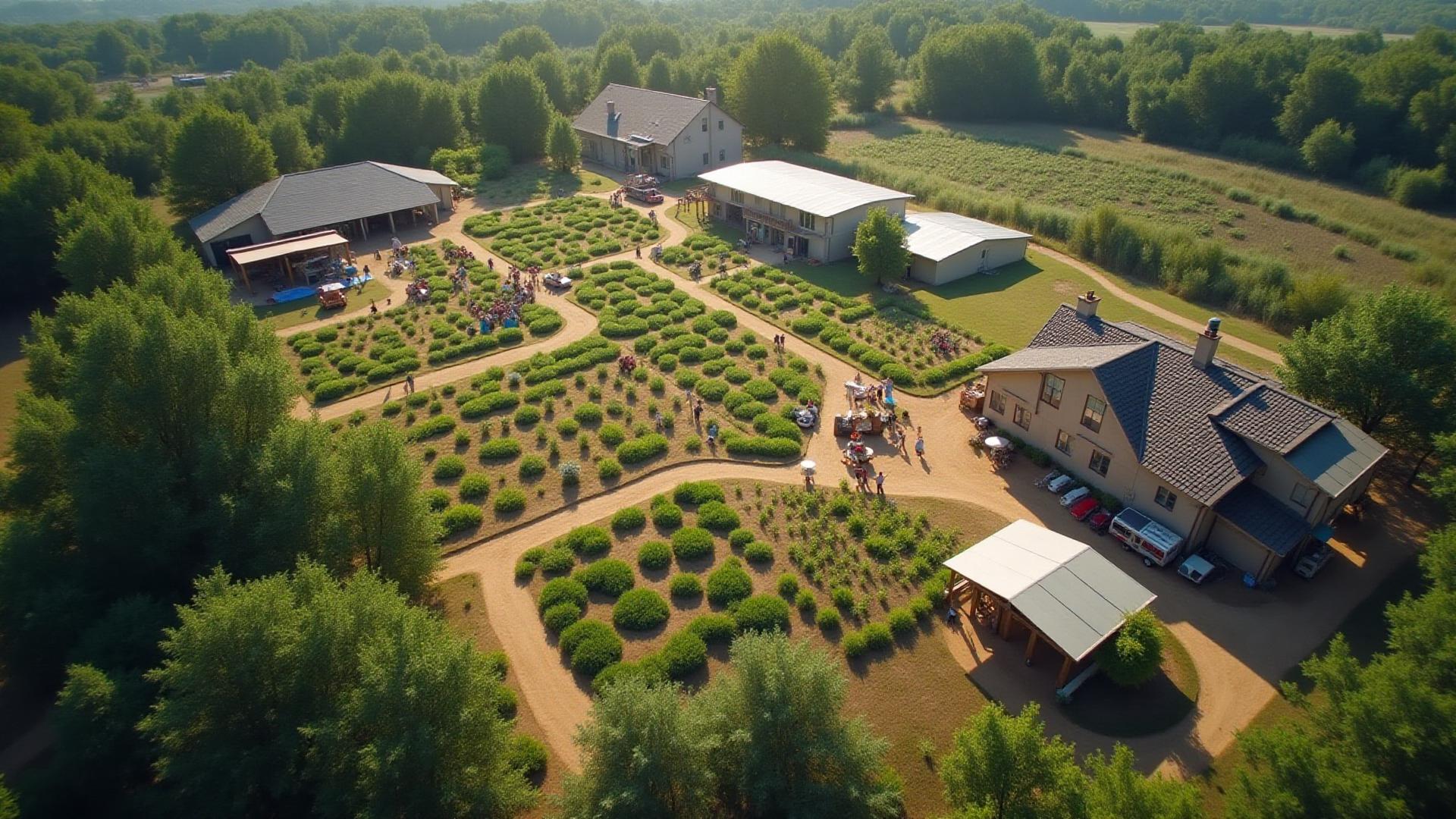
Transform your vacant land into a profitable income source with creative strategies
Quick Comparison — 15 Vacant Land Income Ideas
A snapshot of every idea covered in this guide. Detailed sections follow below.
| Idea | Startup Cost | Annual Revenue | Effort Level |
|---|---|---|---|
| Solar lease | $0 (developer pays) | $300–$2,000/acre | Very Low (passive) |
| Wind lease | $0 | $3,000–$8,000/turbine | Very Low (passive) |
| Cell tower lease | $0 | $12,000–$50,000/year | Very Low (passive) |
| Billboard lease | $0 | $2,000–$25,000/sign | Very Low (passive) |
| Hunting lease | $0–$500 | $5–$60/acre | Low |
| Timber harvest | $0 | $500–$3,000/acre (every 15–25 yrs) | Low (cyclical) |
| RV / camper hosting (Hipcamp) | $500–$5,000 | $3,000–$15,000 | Medium |
| Glamping / tiny cabins | $15,000–$60,000/unit | $20,000–$80,000/unit | High |
| Boat / RV storage | $5,000–$50,000 | $10,000–$60,000 | Medium |
| Horse boarding | $10,000–$75,000 | $3,600–$9,600/horse | High |
| U-pick farm | $5,000–$25,000 | $8,000–$40,000/acre | High (seasonal) |
| Tree nursery | $3,000–$20,000 | $10,000–$50,000/acre | Medium |
| Beekeeping / apiary | $500–$2,000/hive | $200–$600/hive | Low–Medium |
| Christmas tree farm | $3,000–$10,000/acre | $10,000–$30,000/acre | Medium (8-yr cycle) |
| Lavender / specialty crop | $8,000–$15,000/acre | $15,000–$40,000/acre | Medium |
Want to know what your land is worth before deciding? Run a free estimate with our land value calculator — it takes about a minute and gives you a baseline before you commit to any income strategy.
Owning vacant land can feel like a burden—property taxes keep coming, maintenance costs add up, and the land just sits there doing nothing. But what if that "empty" property could actually become a reliable income stream? Whether you own a small urban lot or expansive rural acreage in states like Texas, California, or Arizona, there are numerous creative ways to monetize your vacant land without massive upfront investments.
In this comprehensive guide, we'll explore ten proven strategies to transform your undeveloped property from a liability into a valuable asset. From passive income opportunities that require minimal effort to more active ventures that maximize profitability, these ideas will help you make money from land you already own.
1. Solar Farm Leasing: Passive Income from Renewable Energy
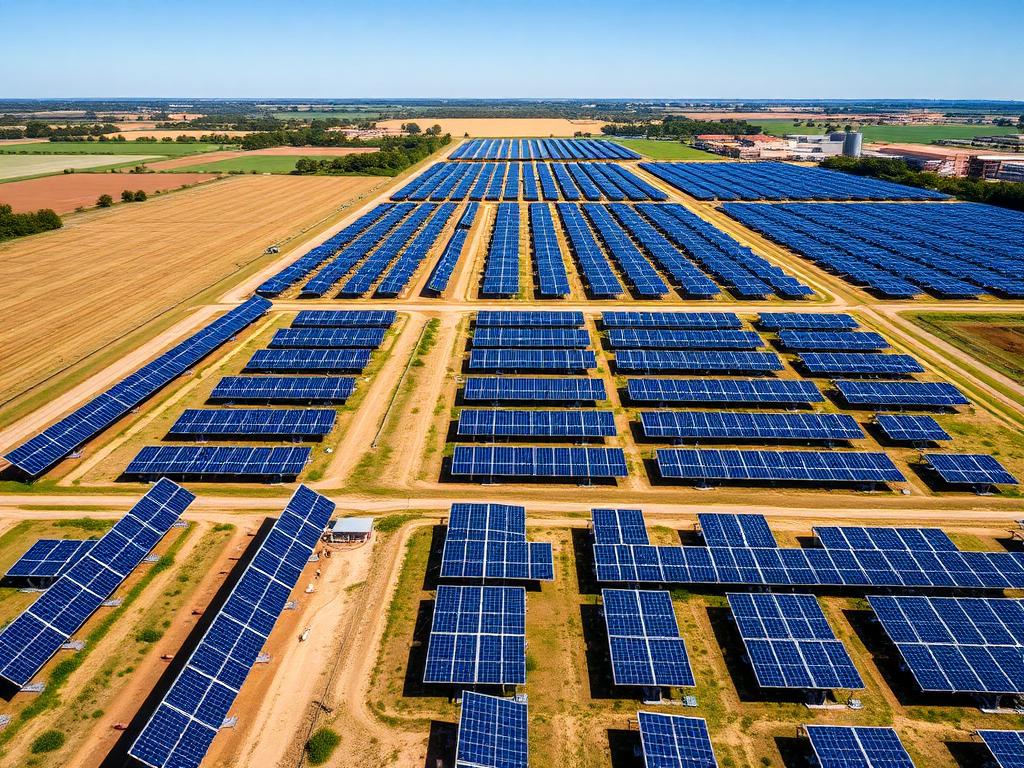
One of the most lucrative passive income opportunities for vacant land is leasing it to solar energy companies. With the growing demand for renewable energy, solar developers are actively seeking suitable land for utility-scale solar installations.
What You Need to Know:
- Ideal Size: 5-100+ acres (larger parcels preferred)
- Income Potential: $300-$2,000 per acre annually
- Requirements: Flat terrain, good sun exposure, proximity to power lines
- Lease Terms: Typically 20-30 years with escalation clauses
This option works particularly well for large vacant properties in sunny regions. If you own acreage in locations like Clovis, California or rural Tyler, Texas, solar leasing could provide substantial long-term passive income while requiring virtually no effort on your part.
2. Agricultural Leasing to Farmers
If your land has suitable soil and water access, leasing it to local farmers can provide steady income while keeping the property productive. This time-tested approach has supported landowners for generations.
Agricultural Lease Options:
This approach works especially well in agricultural regions across states like Oklahoma, Kentucky, and Arkansas.
3. Community Garden Plots
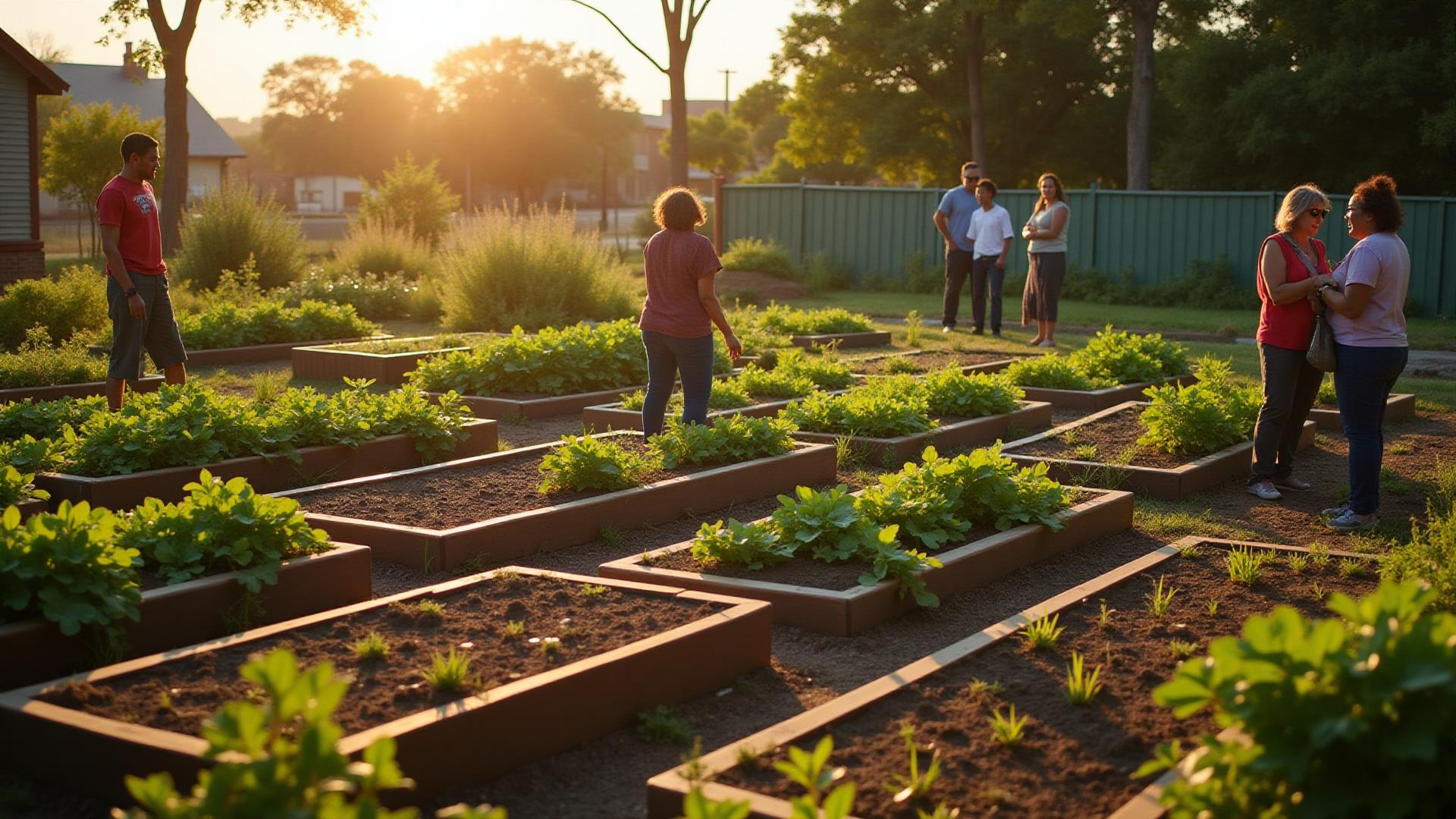
Urban and suburban vacant lots can be transformed into community gardens, where individuals rent small plots to grow vegetables, flowers, and herbs. This approach serves the community while generating income.
Community Garden Revenue Model:
- Plot Rental: $50-$150 per season per plot (10x10 feet)
- Initial Investment: $2,000-$5,000 for basic infrastructure
- Ongoing Maintenance: Minimal with member participation
- Best For: Urban/suburban lots 0.25-2 acres
This works particularly well in growing cities like Frisco, Texas or Fayetteville, North Carolina, where demand for local food production continues to grow.
4. RV and Boat Storage Facility
With millions of RV and boat owners struggling to find affordable storage near their homes, vacant land can be converted into a profitable storage facility with relatively minimal infrastructure investment.
Storage Facility Essentials:
- • Gravel or paved surface
- • Security fencing
- • Basic lighting
- • Gate access system
- • Outdoor spots: $50-$150/month
- • Covered spaces: $100-$250/month
- • Enclosed units: $150-$400/month
- • High-demand near recreational areas
This option works exceptionally well near lakes, coastlines, or popular recreational areas. Properties in locations like Queen Creek, Arizona or coastal regions are ideal for this income strategy.
5. Event Venue Rental
Scenic vacant land can be transformed into a sought-after event venue for weddings, corporate gatherings, festivals, and private parties. This high-margin business requires some investment but can generate substantial income.
Event Venue Income Breakdown:
Beautiful rural properties near urban centers in states like Tennessee, Georgia, or South Carolina are perfect for this venture.
6. Billboard or Cell Tower Leasing
If your vacant land has visibility from major roads or highways, it could be perfect for billboard advertising or cell tower installation—both offering excellent passive income with minimal land use.
Leasing Opportunities:
- •$300-$3,000+ monthly income
- •Higher rates near interstate highways
- •Minimal land required (small corner)
- •Long-term lease agreements
- •$500-$3,000+ monthly income
- •20-30 year lease terms common
- •Built-in rent escalation clauses
- •Uses minimal ground space
7. Timber Harvesting and Tree Farming
Wooded vacant land can generate income through selective timber harvesting or by establishing a tree farm. While this is a longer-term investment, it can provide substantial returns.
Timber Income Strategies:
- Selective Harvesting:Harvest mature trees while maintaining forest health
- Christmas Tree Farm:7-10 year growth cycle, $20-$100 per tree retail
- Hardwood Investment:20-40 year investment, potential $3,000-$10,000+ per acre
- Firewood Sales:Shorter-term income from thinning and deadfall
This approach works well in forested regions across Alabama, Virginia, and North Carolina.
8. Film and Photography Location Rental
Unique or scenic vacant land can be rented to film productions, photographers, and content creators. This growing industry constantly needs fresh, interesting locations.
Location Rental Rates:
List your property on platforms like Peerspace, Giggster, or location scouting services. Properties near major cities like those in California orTexas have especially high demand.
9. Campground or Glamping Site
With outdoor recreation booming, vacant land in scenic areas can be converted into campgrounds or trendy glamping (glamorous camping) destinations. Platforms like Hipcamp make it easy to get started.
Camping Income Options:
- • $20-$50 per night per site
- • Minimal infrastructure needed
- • Toilet facilities required
- • Fire pits and picnic tables
- • $75-$300+ per night
- • Furnished tents or cabins
- • Higher initial investment
- • Premium pricing potential
This works particularly well for properties with natural features near popular destinations. Land in states like Arizona, Georgia, or Kentucky can be ideal.
10. Self-Storage Units
Self-storage remains one of the most consistently profitable real estate investments. Converting vacant land into a self-storage facility can provide excellent returns with relatively passive management.
Self-Storage Business Model:
Climate-controlled units command premium prices. This strategy works well in growing suburban areas like McKinney, Texas orGreenville, South Carolina.
11–15 (and Beyond): More Ways to Earn from Your Land
Beyond the ten strategies above, here are several niche income ideas worth considering — especially if your land has the right characteristics for them. Some pair well with ideas already covered (a hunting lease and a solar lease can coexist on the same parcel), and others, like a homestead-style operation, work best when combined. If you're planning a small-acreage build, our one-acre homestead blueprint walks through layout, zoning, and realistic income per acre.
11. Hunting Lease
What it is: Lease seasonal hunting rights to a club or individual hunters.
Startup cost: $0–$500 (signage, basic boundary marking).
Typical annual revenue: $5–$25/acre nationally; $30–$60+/acre in prime whitetail country.
Best land type: Rural acreage (40+ acres) with cover, water, and game traffic.
Getting started: Post boundaries, draft a one-page lease (your state wildlife agency often provides templates), require liability insurance from the lessee, and list on HLRBO or Base Camp Leasing.
12. Wind Energy Lease
What it is: Lease land to a utility for one or more wind turbines.
Startup cost: $0 — the developer funds construction.
Typical annual revenue: $3,000–$8,000 per turbine, or 2–4% of gross energy revenue.
Best land type: Open ridgelines or plains (think Texas Panhandle, Iowa, Oklahoma) with consistent average wind speeds above 6.5 m/s.
Getting started: Wind developers find you, not the other way around — but you can register with NREL's WINDExchange to flag interest. Always have a wind lease reviewed by an attorney; terms run 30–50 years.
13. U-Pick Farm
What it is: Customers pay to harvest produce themselves — strawberries, blueberries, pumpkins, apples.
Startup cost: $5,000–$25,000 per acre depending on crop and irrigation.
Typical annual revenue: $8,000–$40,000 per acre.
Best land type: 1–10 acres within 30 minutes of a population center, with road access and parking room.
Getting started: Pick a single anchor crop, plant in year one, and plan to open in year two or three. Add agritourism elements (hayrides, photo spots) to boost per-visit revenue.
14. Tree Nursery
What it is: Grow and sell saplings or container trees to landscapers and homeowners.
Startup cost: $3,000–$20,000 for stock, irrigation, and basic infrastructure.
Typical annual revenue: $10,000–$50,000 per acre once mature.
Best land type: Well-drained, fertile soil with reliable water; 1–5 acres is enough to start.
Getting started: Choose 2–3 species in demand locally (native shade trees and fruit trees sell well), source liners from a wholesaler, and build relationships with regional landscape contractors.
15. Beekeeping / Apiary
What it is: Keep hives for honey, wax, queen sales, or pollination contracts.
Startup cost: $500–$2,000 per hive (bees, boxes, suit, extractor).
Typical annual revenue: $200–$600 per hive from honey alone; pollination contracts can double that.
Best land type: Anything with diverse forage within a 2-mile radius — works on as little as a half acre.
Getting started: Take a local beekeeping course, start with 2–3 hives, and check whether your state offers an agricultural tax exemption for apiaries (Texas does, for example).
16. Horse Boarding
What it is: Pasture, stall, or full-care boarding for horse owners without their own land.
Startup cost: $10,000–$75,000 depending on whether you build stalls, an arena, or just pasture board.
Typical annual revenue: $3,600–$9,600 per horse ($300–$800/month).
Best land type: 5+ acres with pasture, fencing, water access, and ideally a barn.
Getting started: Carry equine liability insurance, draft a clear boarding contract, and start with pasture board to test demand before investing in stalls.
17. Christmas Tree Farm
What it is: Grow Fraser fir, Douglas fir, or Scotch pine for cut-your-own and pre-cut sales.
Startup cost: $3,000–$10,000 per acre for seedlings, planting, and basic equipment.
Typical annual revenue: $10,000–$30,000 per acre at maturity, with the first harvest 7–10 years out.
Best land type: Well-drained, slightly acidic soil; 5–20 acres is the sweet spot for choose-and-cut operations.
Getting started: Plant in staggered blocks so you have inventory every year once mature, and join your state Christmas tree growers' association for marketing support.
18. Lavender or Specialty Crop Farm
What it is: Grow a high-margin specialty crop — lavender, saffron, hops, microgreens, cut flowers — for direct-to-consumer or wholesale.
Startup cost: $8,000–$15,000 per acre (lavender as benchmark).
Typical annual revenue: $15,000–$40,000 per acre once established (year 3+).
Best land type: 1–5 acres with full sun and excellent drainage.
Getting started: Pick one crop and learn it deeply, build a brand around farm-direct sales (essential oils, sachets, U-pick events), and add agritourism days to drive cash flow before the crop matures.
Key Considerations Before Starting
Zoning and Regulations
Always verify local zoning laws and obtain necessary permits before starting any income-generating venture on your land. Regulations vary significantly by location and intended use.
Initial Investment vs. Returns
Calculate your break-even point carefully. Some strategies require minimal investment (agricultural leasing, solar leases) while others need substantial capital (event venues, self-storage).
Time Commitment
Consider how much time you can realistically dedicate. Passive options like solar or billboard leasing require minimal time, while event venues or campgrounds need active management.
When Selling Makes More Sense
While these income strategies can be lucrative, sometimes selling your vacant land is the smarter financial decision. Consider selling if:
- Property taxes and maintenance costs exceed potential income
- You need immediate capital rather than long-term passive income
- The land doesn't suit any of these income-generating strategies
- You want to avoid the hassle and liability of managing the property
- You inherited land and prefer a clean, simple cash transaction
If you're considering selling, learn more about how to sell land without a realtor or explore our guide on selling inherited land fast.
Conclusion: Turning Vacant Land Into Valuable Assets
Vacant land doesn't have to be a financial burden. With creativity and the right strategy, that "empty" property can become a valuable income-producing asset. Whether you choose passive options like solar or agricultural leasing, or more active ventures like event venues or campgrounds, there's likely a strategy that fits your property, budget, and time commitment.
The key is to carefully evaluate your property's unique characteristics—location, size, terrain, zoning, and access—then match those features with the most appropriate income strategy. Start with lower-investment options to test the waters, then scale up as you gain experience and confidence.
Of course, if managing income-generating activities doesn't align with your goals, selling your vacant land for cash might be the best choice. Either way, you're taking control of an asset that was previously just costing you money.