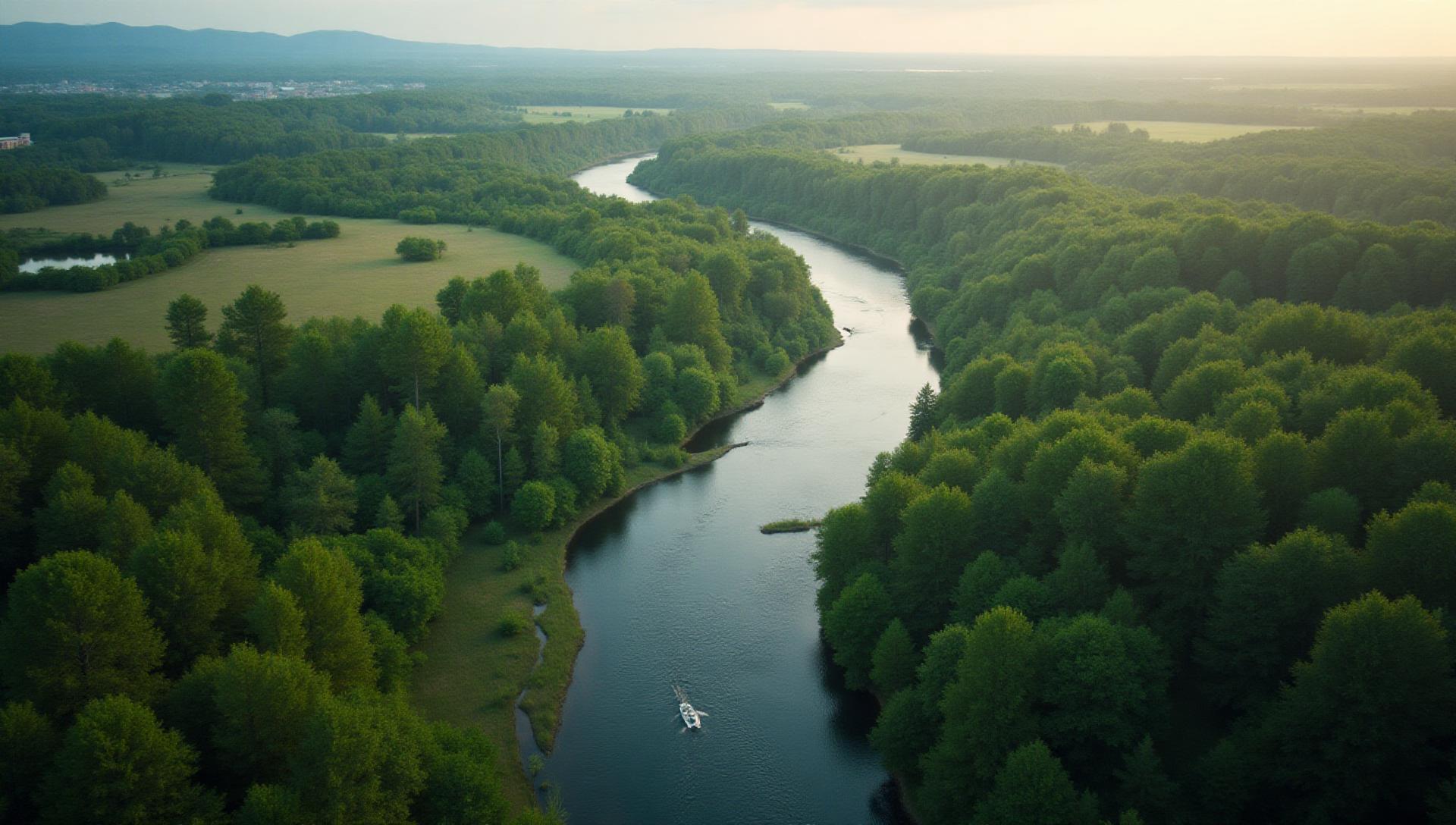
If you own land with significant natural, agricultural, or scenic value, you've likely heard about conservation easements. These legal agreements can provide substantial tax benefits while protecting land from future development—but they also come with permanent restrictions that affect your property's value and use. Understanding what a conservation easement really means for you and your heirs is crucial before making this irreversible decision.
40 Million+
Acres Protected by Conservation Easements in the U.S.
30-70%
Typical Range of Tax Deduction Based on Property Value
Permanent
Conservation Easements Run with the Land Forever
What Is a Conservation Easement?
A conservation easement is a legally binding agreement between a landowner and a qualified conservation organization (often called a "land trust") or government agency. Through this agreement, the landowner voluntarily restricts certain uses of their property to protect its conservation values—such as wildlife habitat, agricultural land, scenic views, or water resources—in perpetuity.
It's important to understand that with a conservation easement, you still own the land. You don't donate or sell the property itself. Instead, you're giving up specific development rights while retaining ownership and many other rights. You can typically continue using the land for farming, ranching, forestry, recreation, and even building a limited number of homes or structures, depending on the easement's terms.
The conservation organization holds the easement and is responsible for monitoring the property annually to ensure compliance with the easement terms. This monitoring continues indefinitely, binding all future owners of the property to the same restrictions.
Conservation easements are customized to each property and landowner. The specific restrictions are negotiated between you and the conservation organization, taking into account your land's conservation values, your family's needs, and your long-term goals for the property.
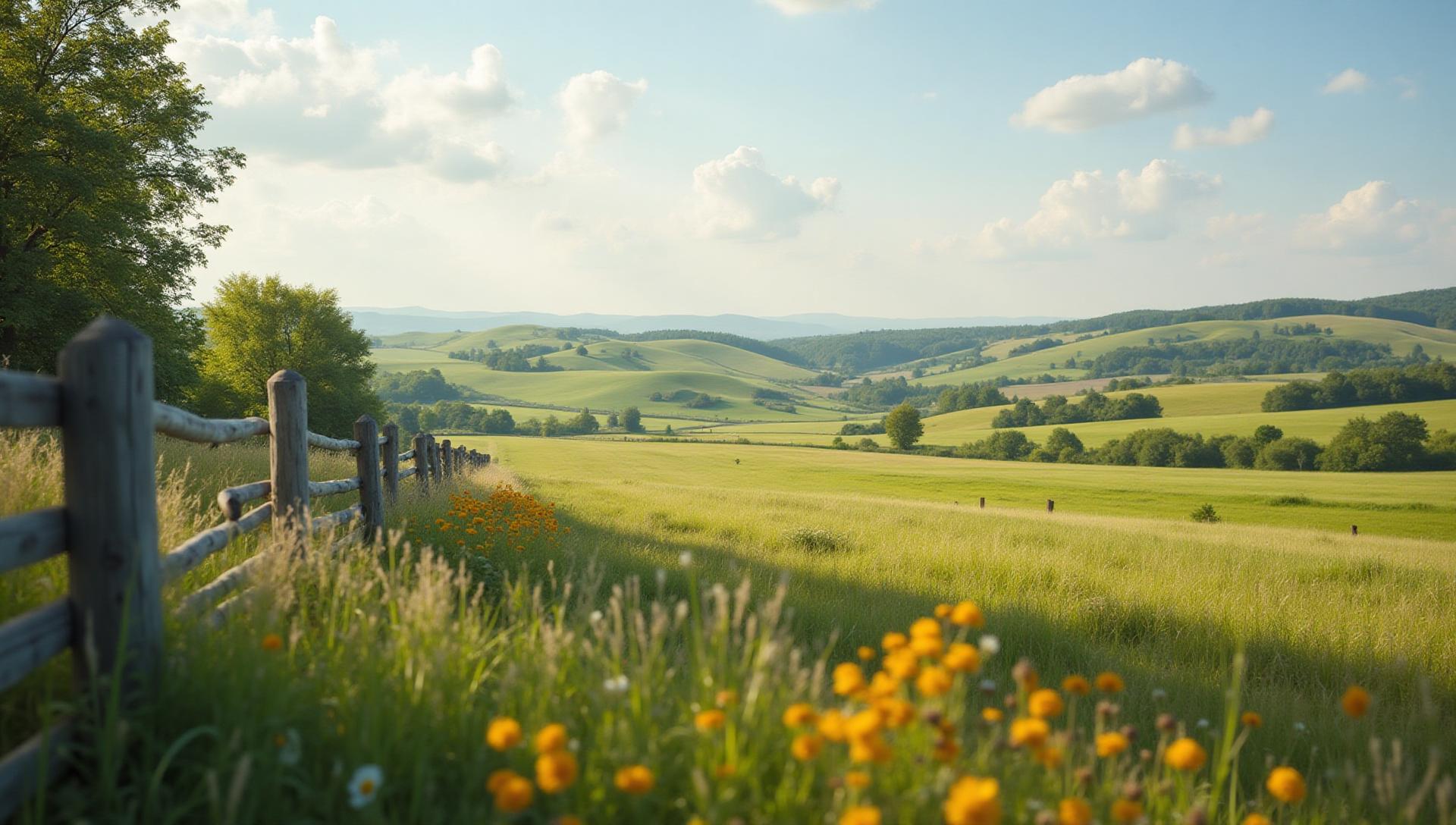
Conservation easements often protect working agricultural land while allowing continued farming operations
Understanding Conservation Easement Tax Benefits
The primary financial incentive for donating a conservation easement is the potential for significant tax benefits. When you donate a conservation easement to a qualified organization, you may be eligible for a federal income tax deduction equal to the value of the easement—essentially the difference between your property's value before and after the easement restrictions are applied.
For example, if your land is worth $1 million without restrictions but only $400,000 with the conservation easement limitations in place, you could potentially claim a $600,000 charitable tax deduction. This deduction can be carried forward for up to 15 years if you can't use it all in one year, and farmers and ranchers can deduct up to 100% of their adjusted gross income annually, while other landowners can deduct up to 50%.
Beyond federal income tax benefits, conservation easements may also reduce your property taxes since the land is now worth less due to development restrictions. Estate tax benefits can be substantial as well—the reduced land value means lower estate taxes for your heirs, which can be crucial for keeping land in the family across generations.
However, these tax benefits come with important caveats. The IRS has scrutinized conservation easement donations heavily in recent years due to abusive tax schemes. You must obtain a qualified appraisal, work with an accredited land trust, ensure your easement meets specific conservation purposes, and document everything meticulously. Working with experienced attorneys and tax advisors familiar with conservation easements is essential to ensure your donation meets IRS requirements.
Conservation Easement Pros and Cons
Benefits of Conservation Easements
- Substantial tax deductions that can offset income for many years
- Reduced property taxes based on the land's restricted value
- Estate tax savings that make passing land to heirs more affordable
- Conservation legacy protecting land for future generations
- Protection from development pressure ensuring the land's character remains intact
- Continued ownership and use of the property for compatible purposes
- Professional guidance from conservation organizations on land stewardship
Drawbacks and Considerations
- Permanent restrictions that bind you and all future owners forever
- Reduced property value making the land less marketable if you need to sell
- Complex legal and tax requirements with significant upfront costs for appraisals and legal fees
- Limited flexibility for future land use changes as your family's needs evolve
- Ongoing monitoring requiring annual inspections by the land trust
- Potential family conflicts if heirs disagree with the restrictions
- IRS audit risk particularly for high-value easements
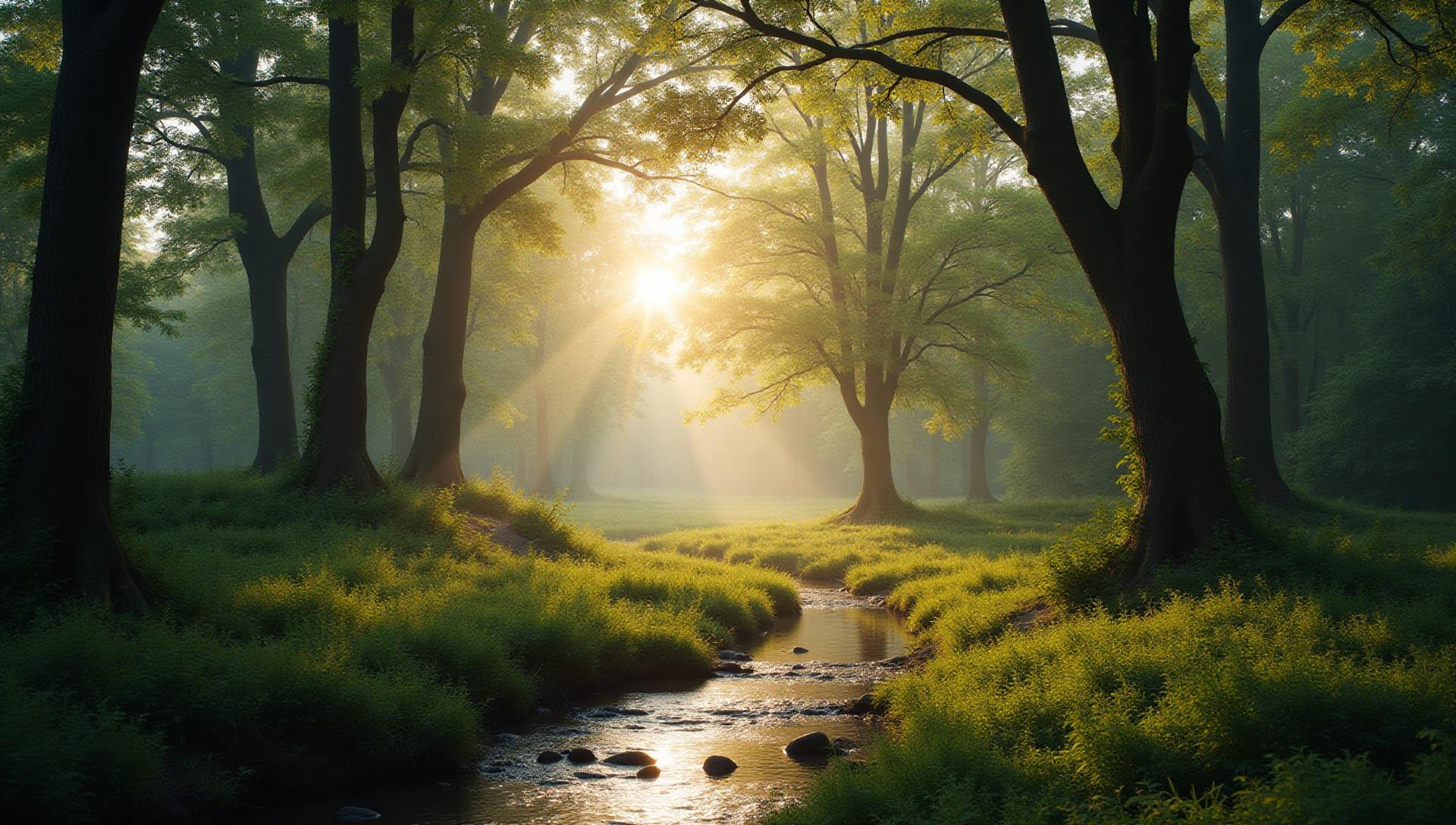
Woodland conservation easements protect critical wildlife habitat and watershed resources
Is a Conservation Easement Right for Your Property?
Conservation easements work best for landowners who are deeply committed to preserving their land's natural or agricultural character and who don't need to maximize the property's development value. They're particularly suitable if you meet several of these criteria:
You have significant taxable income that the deduction can offset, or your estate will face substantial estate taxes. The tax benefits are most valuable when you can actually use them—if your income is modest, you may not benefit fully from the deduction even with the extended carryforward period.
Your family is united in wanting to keep the land undeveloped. Conservation easements should never be used to settle family disputes or force a particular vision on unwilling heirs. Everyone who will inherit or benefit from the property should understand and support the decision.
The land has recognized conservation value—productive farmland, critical wildlife habitat, scenic vistas, watershed protection, or historical significance. Conservation organizations are selective and won't accept easements on properties that don't offer meaningful conservation benefits.
You're financially stable enough that you don't need the option to sell or develop the land in the future. While you can still sell land with a conservation easement, it will be worth significantly less, and the pool of potential buyers is much smaller. If there's any chance you might need to liquidate the property for financial reasons, a conservation easement could create serious problems.
You're willing to work with the land trust on ongoing stewardship and comply with the easement terms. Some landowners find the annual monitoring visits intrusive or disagreeable. If you value absolute privacy and autonomy on your land, the partnership aspect of conservation easements may not suit you.
Alternatives to Conservation Easements
Conservation easements aren't the only way to preserve land or achieve your goals. Before committing to this permanent restriction, consider these alternatives:
Selling to a conservation buyer: Some individuals and organizations specifically seek to purchase land for conservation purposes. You get full value for your property, and the new owner takes on the conservation mission. If you need liquidity but want the land preserved, this can be an ideal solution.
Term easements: While less common and offering fewer tax benefits, some states allow temporary conservation restrictions that expire after a set period (typically 30-99 years). This provides some flexibility for future generations while still offering conservation protection during your lifetime.
Outright donation or bargain sale: Donating the entire property to a land trust or government agency provides even greater tax benefits than an easement, though obviously you give up ownership. A bargain sale—selling land to a conservation organization below market value—can provide some cash while still generating a tax deduction for the difference.
Zoning and deed restrictions: Working with your local government on conservation zoning or placing private deed restrictions on your property offers some protection without the complexity of conservation easements, though with less robust tax benefits.
Selling to developers or investors: If conservation isn't your primary goal, or if you need to maximize the property's value for your family's financial security, selling to a developer or investor may be the most practical choice. If you're considering this option and want to sell vacant land quickly for cash, there are buyers who specialize in purchasing land as-is without the complications of easements or development requirements.
Making Your Conservation Easement Decision
If you're seriously considering a conservation easement, take your time and do thorough due diligence. Start by talking with multiple accredited land trusts to understand their approach, monitoring practices, and the types of easements they accept. Each organization has different standards and philosophies.
Consult with a team of advisors including an attorney experienced in conservation easements, a CPA knowledgeable about conservation tax law, and a qualified appraiser who can estimate the easement's value. These professionals should be independent—not referred by the land trust—to ensure you get unbiased advice.
Consider your family's long-term plans carefully. Will your children want to continue your conservation vision, or might they resent the restrictions? How will the reduced land value affect their inheritance and financial security? Have honest conversations with all family members who will be affected.
Think about your own financial future too. Could you foresee circumstances where you might need to sell or borrow against the land? Economic downturns, health crises, business failures, or other unexpected events can create situations where the inability to access your property's full value becomes a serious problem.
Finally, understand that this decision is permanent. Conservation easements can theoretically be modified or terminated, but the legal hurdles are enormous, costly, and rarely successful. Approach this decision with the knowledge that once you sign the easement documents, you're committing your land to this path essentially forever.
Conservation easements represent a powerful tool for landowners who want to protect their land's natural character while potentially gaining significant tax benefits. For the right landowner with the right property and the right motivations, they can be transformative—preserving landscapes, protecting wildlife, maintaining agricultural heritage, and creating a lasting conservation legacy.
But they're not for everyone. The permanent nature of easements, the reduction in property value, the complexity of the tax implications, and the ongoing relationship with the land trust all require careful consideration. There's no shame in deciding that a conservation easement doesn't align with your financial needs or family goals.
Whether you ultimately choose to pursue a conservation easement, explore alternative conservation strategies, or decide to sell vacant land to maximize its value for your family's benefit, the most important thing is making an informed decision that truly serves your interests and respects your land's future.
Thinking About Selling Your Land Instead?
If a conservation easement isn't the right fit, we can help. Get a fair cash offer for your land within 24 hours—no restrictions, no easements, no complications.
- No fees or commissions
- Close in as little as 7 days
- We buy land in any condition