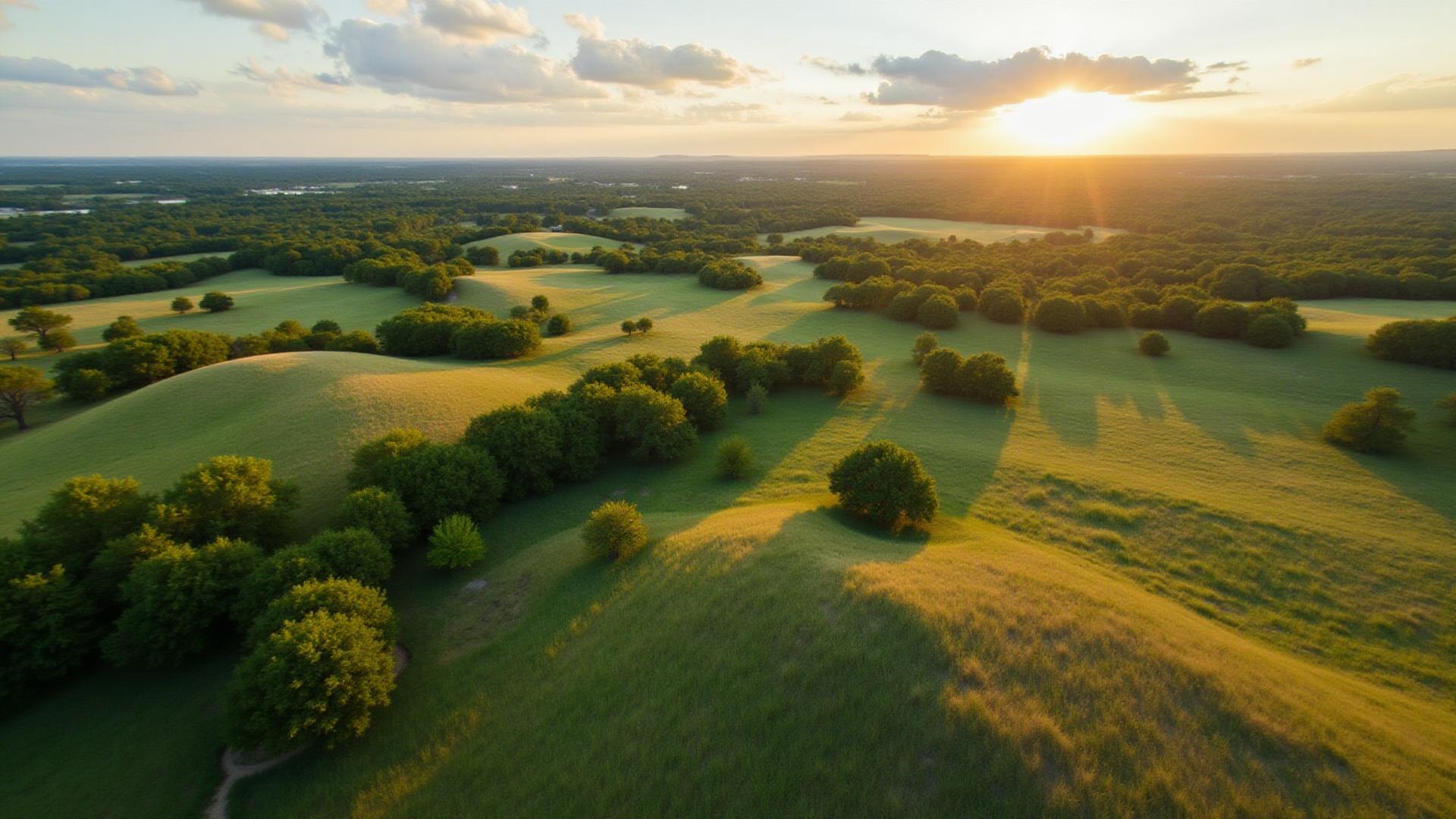
Texas' Centennial Parks Boom – Turning Private Acres into Public Treasures
As Texas approaches its 200th year of statehood, an unprecedented surge in public park creation is reshaping the state's relationship with its land—and creating new opportunities for private landowners.
Acres Acquired in 2025
Investment in Parks
New Parks Planned
Annual Park Visits
In what conservation leaders are calling the most significant public land expansion since the New Deal era, Texas is on track to add more than 50,000 acres of new state parkland by the end of 2025. This historic push comes as the state races to preserve natural spaces before rapid urbanization makes acquisition impossible—or prohibitively expensive.
The initiative, spearheaded by Texas Parks and Wildlife Department (TPWD), represents a fundamental shift in how the Lone Star State views land conservation. With Texas adding approximately 1,000 new residents daily and urban sprawl consuming an estimated 2 million acres over the past decade, state officials recognized that without immediate action, future generations would inherit a Texas with little accessible natural space.
The Perfect Storm: Why Now?
Several factors have converged to create what conservationists call a "once-in-a-century opportunity" for Texas land preservation. First, the state's explosive population growth—from 29 million in 2020 to a projected 35 million by 2030—has created unprecedented pressure on natural areas. Major metropolitan regions like Austin, Dallas-Fort Worth, Houston, and San Antonio are expanding at breakneck speed, with suburban development pushing deeper into what was once rural countryside.
Second, a confluence of federal conservation funding, state bond measures approved by voters, and private philanthropy has created a war chest exceeding $2.3 billion specifically earmarked for parkland acquisition. The 2023 Texas Parks and Wildlife Bond Proposition, which passed with 67% voter approval, allocated $1.2 billion for land acquisition and park improvements—the largest such measure in state history.
Third, and perhaps most critically, many longtime rural landowners are reaching retirement age and looking to transition their properties. Some families have held their land for generations but lack heirs interested in maintaining it. For these landowners, selling to the state for conservation purposes offers an attractive alternative to traditional real estate development—providing fair compensation while preserving the land's natural character in perpetuity.
Where Texas Is Buying Land
TPWD has identified strategic corridors and ecosystems across the state where land acquisition will have the greatest impact. Priority regions include:
Hill Country Conservation Corridor
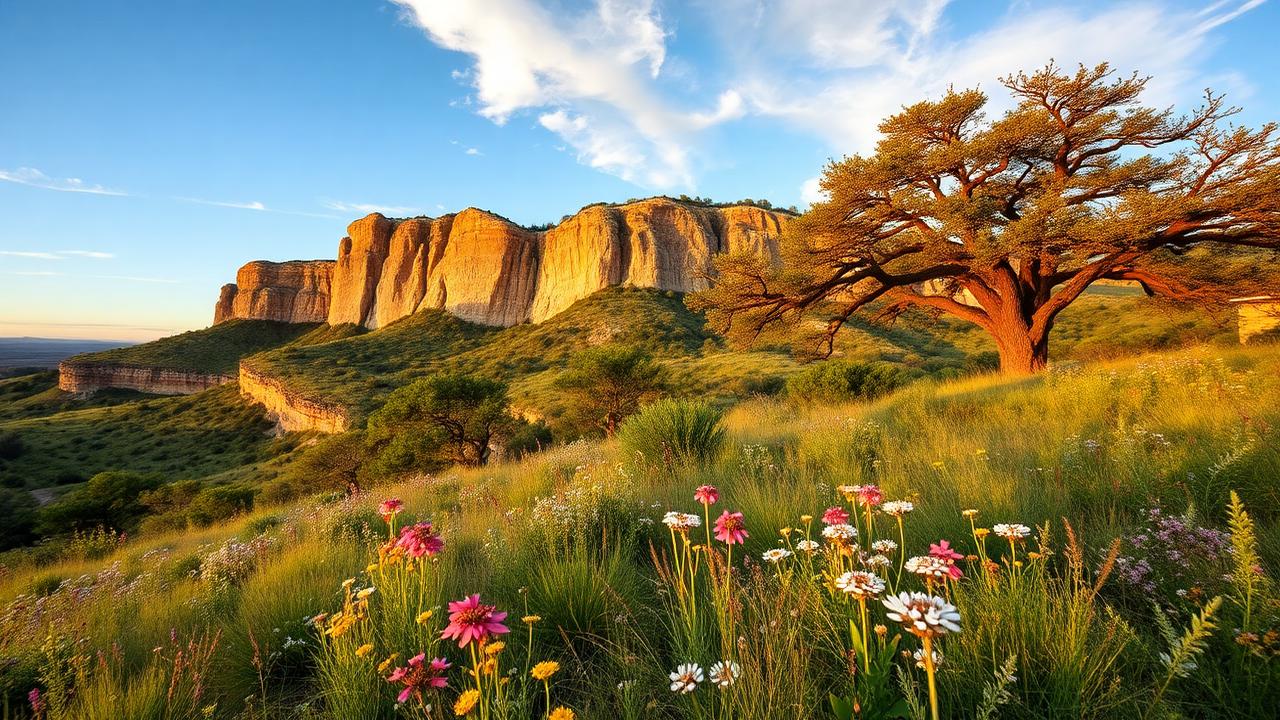
The Edwards Plateau region, stretching from Austin to San Antonio, is seeing the most aggressive acquisition efforts. This area's unique limestone geology, spring-fed rivers, and old-growth juniper-oak woodlands support endangered species like the Golden-cheeked Warbler. The state aims to create a continuous protected corridor of more than 100,000 acres by 2030.
Piney Woods Expansion
East Texas forests, once abundant, have been dramatically reduced by timber harvesting and development. TPWD is targeting 25,000 acres of longleaf pine forest restoration, working with private timber companies willing to transition lands to conservation easements.
Coastal Prairie Preservation
Less than 1% of Texas' original coastal prairie ecosystem remains. The state is prioritizing acquisitions near Galveston Bay and the Upper Texas Coast, protecting critical habitat for migratory birds and providing storm surge buffers for coastal communities.
Trans-Pecos Desert Wilderness
West Texas, while less threatened by development, offers opportunities for large-scale wilderness protection. The state is negotiating with several ranching families to acquire lands adjacent to Big Bend Ranch State Park and Guadalupe Mountains.
What This Means for Private Landowners
For Texans who own rural or undeveloped property, the state's aggressive acquisition strategy presents both opportunities and considerations. TPWD is actively seeking willing sellers, particularly for properties that meet specific conservation criteria: proximity to existing parks, unique ecological features, water access, or lands that create wildlife corridors.
The acquisition process typically begins with TPWD conducting feasibility studies and environmental assessments. Properties of interest undergo independent appraisals to determine fair market value, with the state offering competitive prices—often at or above what developers might pay, particularly for properties with development restrictions or limited access.
However, not all landowners are interested in selling to the state. Some prefer to sell vacant land through traditional real estate channels, maintaining the option for future development or wishing to maximize immediate financial returns. The emergence of private land buyers who can close quickly with cash offers has created alternatives for landowners not interested in the lengthy public acquisition process.
Conservation easements represent a middle ground—landowners retain ownership while granting development rights to the state in exchange for tax benefits and compensation. This approach has gained popularity among ranching families who want to keep working the land while ensuring it never becomes a subdivision.
The Economic Calculus
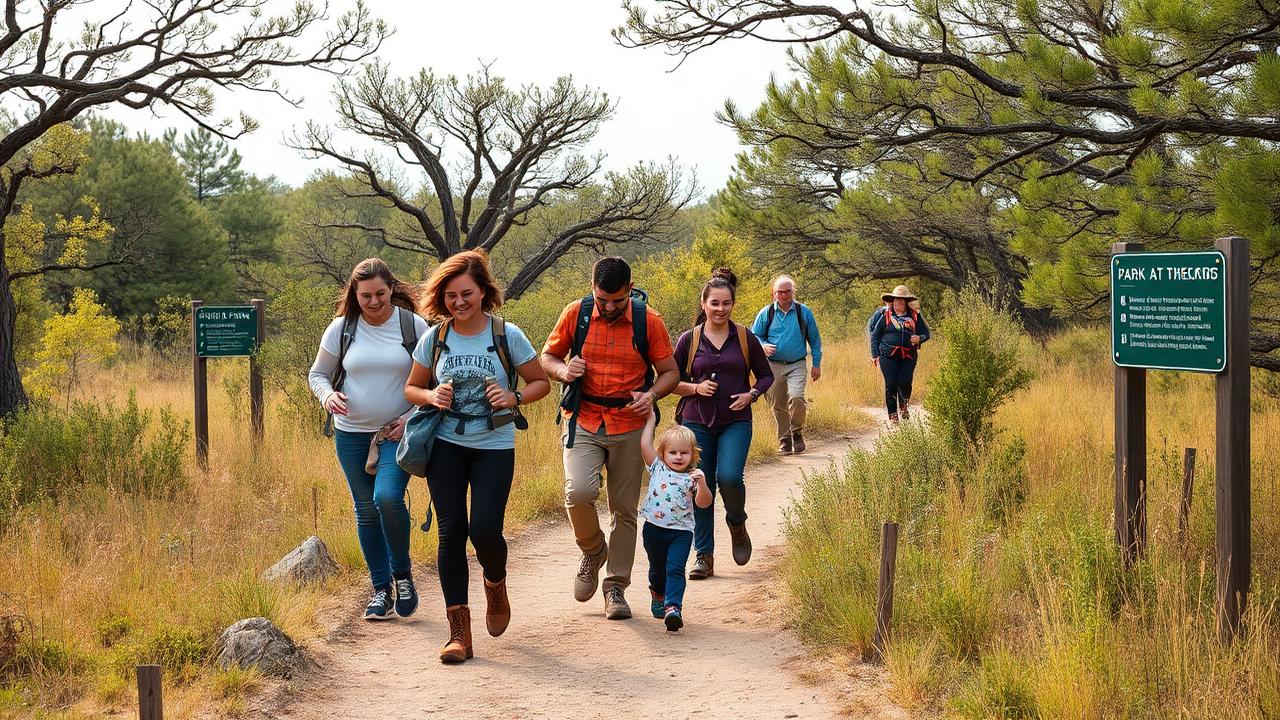
Texas Parks and Wildlife officials argue that park investments generate substantial economic returns. According to TPWD data, every dollar invested in state parks generates approximately $6 in economic activity through tourism, local business support, and property value enhancement in surrounding communities.
State parks attracted 8.5 million visitors in 2024, generating an estimated $1.4 billion in economic impact. Popular destinations like Palo Duro Canyon, Enchanted Rock, and Garner State Park have become significant tourism drivers for their regions, supporting thousands of jobs in hospitality, retail, and outdoor recreation sectors.
Critics, however, point to the opportunity cost of removing land from the tax rolls and private development potential. In fast-growing areas like Williamson County north of Austin, some local officials have expressed concern that aggressive state acquisition could limit future residential and commercial development options.
The debate reflects broader tensions in Texas politics between conservation and development interests. Yet public opinion polls consistently show overwhelming support for park funding, with surveys indicating that more than 70% of Texans believe the state needs more public natural spaces, even as they value property rights and economic development.
Timeline and Future Outlook
TPWD has set ambitious targets for its Centennial Parks Initiative, named to commemorate Texas' bicentennial approaching in 2036. The agency plans to complete 18 major land acquisitions by 2027, with several properties already in advanced negotiations.
Notable upcoming additions include a 12,000-acre property in the Hill Country west of Fredericksburg, which would become the state's largest new park in decades. In Southeast Texas, a 5,000-acre coastal prairie tract near Houston is slated for acquisition, providing much-needed green space for the nation's fourth-largest metropolitan area.
The initiative faces potential headwinds, including rising land prices, competing interests from private developers with deeper pockets, and political opposition from some rural legislators who view aggressive public land acquisition as government overreach. Budget constraints could also slow the pace of purchases if economic conditions worsen or if future legislatures prove less supportive of conservation funding.
Nevertheless, momentum appears strong. Major conservation organizations, including The Nature Conservancy and Texas Land Trust Council, have committed to partnering with the state on land acquisitions, often serving as intermediaries to purchase properties and later transfer them to public ownership. Private foundations have pledged more than $400 million in matching funds to supplement state investments.
What Landowners Need to Know
If you own undeveloped land in Texas and are considering your options, the current environment offers multiple pathways. Direct sale to TPWD remains attractive for those who prioritize conservation legacy over maximum financial return. The process is transparent, with clear timelines and fair market appraisals, though it can take 18-36 months from initial contact to closing.
For landowners seeking faster transactions or who own properties outside TPWD's target areas, private land buyers offer alternatives. These companies specialize in purchasing rural and vacant land quickly, often closing within weeks and handling all transaction costs.
Conservation easements deserve serious consideration for families wanting to retain ownership while ensuring long-term land protection. Tax benefits can be substantial—up to 50% of adjusted gross income for charitable deductions, with five-year carryforward provisions. However, easements permanently restrict development rights, so careful consideration with legal and tax advisors is essential.
Regardless of which path you choose, the next few years represent a unique moment in Texas land history. The combination of available funding, willing government buyers, and societal recognition of conservation's importance creates opportunities that may not exist in future decades.
A Legacy for Future Generations
As Texas barrels toward its bicentennial, the Centennial Parks Initiative represents a defining choice about the state's identity. Will Texas preserve enough natural space for its projected 50 million residents in 2050 to experience the landscapes that shaped its character? Or will unchecked growth consume the prairies, forests, and hill country that make Texas distinctly Texas?
The current surge in park creation suggests Texans are choosing preservation—recognizing that once land is developed, it rarely returns to its natural state. Whether through direct sales to the state, conservation easements, or other mechanisms, private landowners are playing a crucial role in shaping this legacy.
For a state that values both private property rights and outdoor heritage, finding this balance won't be easy. But if the Centennial Parks Initiative achieves its goals, future Texans will inherit a state where wild places remain accessible to all—a fitting tribute as the Lone Star State enters its third century.
Have Land in Texas?
Whether you're considering selling to the state, exploring conservation easements, or looking for a quick private sale, understanding your options is crucial. Contact us for a free consultation about your Texas land.
Explore Your Options