Updated: July 2026
Figuring out how to sell land in South Carolina looks simple until you're actually doing it. Between attorney-required closings, regional value swings from the Lowcountry to the Upstate, and the choice between listing, going FSBO, or selling directly for cash, most SC landowners spend more time researching than they need to. This 2026 guide lays out all three sale paths side-by-side, with real pricing data, the exact documents you'll need, and what each route nets you on a typical Palmetto State parcel.
South Carolina Land Values Are Climbing in 2026
USDA reported South Carolina farm real estate averaging $4,180 per acre in 2025, up 4.5% year-over-year. Non-agricultural land listings — coastal parcels, Upstate mountain tracts, and Greenville-adjacent development land — carry a much wider distribution, with a statewide median around $16,107 per acre across current listings. Coastal counties and Upstate mountain acreage pull that median upward; Midlands farmland pulls it down.
See how PlaceAcre buys land across South Carolina →Three Ways to Sell — Compared on a $75K SC Parcel
Before you commit to a path, here's what each realistically looks like on a typical $75,000 South Carolina vacant parcel:
| Method | Time to Close | Typical Net on $75K Parcel | Hassle |
|---|---|---|---|
| Realtor (MLS) | 12–24 months | ~$68,500 (after ~6% commission + fees) | Medium |
| FSBO | 6–12 months | ~$71,500 (after marketing, transfer, closing) | High |
| Cash buyer (PlaceAcre) | 14–30 days | ~$60,000–$68,000 (no fees, no closing costs) | Very low |
Net figures are illustrative. If you'd rather skip a year of showings, we buy South Carolina land in every county with a written offer in 24 hours.
The 4-Step Roadmap to Selling SC Land
Step 1: Price Your South Carolina Land
Pricing is where most SC sellers lose money — either by asking too much and stalling for a year, or by leaving thousands on the table. Start by pulling comparable sales from your county assessor, then cross-check what's actually listed and sold on LandWatch and Zillow. Sold prices matter far more than asking prices.
South Carolina splits sharply by region. Lowcountry marshland and coastal-adjacent parcels (Charleston, Beaufort, Georgetown, Horry, Colleton) carry the highest premium, driven by second-home and retiree demand. Upstate mountain and lake-adjacent acreage (Oconee, Pickens, Greenville) commands strong appreciation from Greenville-area growth spillover. Midlands and Piedmont farmland (Richland, Newberry, Kershaw, Fairfield) sits in the middle — steady agricultural demand but rarely explosive price movement.
For a fast sanity check, run your parcel through our free land value estimator — regional comps in under a minute.
Step 2: Prepare Your Documents
Have these ready before you list — SC attorneys and title companies will need every one of them:
- • General Warranty Deed — SC requires a licensed real estate attorney to prepare and record the deed. This is non-negotiable in South Carolina.
- • Recent property survey — an existing survey if you have one; otherwise budget $600–$1,800 for a fresh one, more for wooded or coastal parcels.
- • Title search — ordered through your closing attorney to confirm clean title before signing.
- • Known-issues disclosure — SC expects you to disclose known environmental hazards, wetlands, easements, access problems, and zoning restrictions that affect value or use. Vacant land carries narrower disclosure obligations than residential property; still, err on the side of full disclosure.
- • Property tax receipts — current and prior year, proving you're paid up.
- • Any recorded easements, right-of-way agreements, or timber/mineral leases.
Step 3: Market Your Land
Vacant land sells slower than houses, so put it where land buyers actually look:
- • LandWatch and Land.com — the two marketplaces serious land buyers and investors actually check.
- • Zillow — free FSBO listings, broad reach; less land-specific but high traffic.
- • Facebook Marketplace and local South Carolina land buy/sell groups — surprisingly effective for parcels under $100K.
- • Local county classifieds and small-town newspaper sites — neighbors are frequently your best buyer, especially in rural counties.
Drone photos are strongly recommended for coastal, marsh, and mountain-view parcels. A single golden-hour aerial that shows the marsh line or ridge view will pull more clicks than ten ground-level shots.
Step 4: Close the Sale
This is where South Carolina differs from most states: SC law requires a licensed real estate attorney at every closing. Not a title company — an attorney. They prepare the deed, run title, hold escrow, collect funds, and record the deed with the county Register of Deeds.
South Carolina's deed recording fee (often called "deed stamps") is $1.85 per $500 of the sale price, split between the state ($1.30) and the county ($0.55). This replaces what many other states call a transfer tax, and by convention it's paid by the seller unless the contract says otherwise.
Plan on 1–4% of the sale price in total seller-side closing costs — covering the recording fee, attorney fees ($400–$1,200 for a straightforward land closing), title search, and prorated property taxes. Funds typically wire the same day the deed records.
46
SC Counties
$4,180
Avg Farm $/Acre (2025)
+4.5%
YoY Farm Value Growth
1–4%
Typical Seller Closing Costs
FSBO in South Carolina: Advantages vs. Challenges
Skipping the realtor is legal in SC — you just still need an attorney at closing. Whether FSBO makes sense depends on how much time you have and how well you know your local market.
FSBO Advantages
- • Save 5–6% in listing-side commission on the sale price
- • Full control over pricing, terms, and who you sell to
- • Direct communication with buyers — no telephone game
- • Flexibility on showing schedules
- • You know your land better than any agent will
Challenges to Consider
- • 6–12 months of active marketing is typical for SC land
- • No MLS exposure unless you buy a flat-fee listing
- • You handle all inquiries — including tire-kickers
- • Negotiating without a buffer can be uncomfortable
- • Serious buyers may still expect a small buyer-agent commission
Commission Savings — Worked Example
If you sell 20 acres of South Carolina land for $150,000, a traditional 6% commission costs you $9,000. Going FSBO typically keeps 5–6% of that in your pocket (you may still pay a small buyer-agent commission of 2–3% to attract MLS-cooperating agents). Selling directly to a cash buyer eliminates commission entirely — the tradeoff is a lower headline price in exchange for speed and certainty.
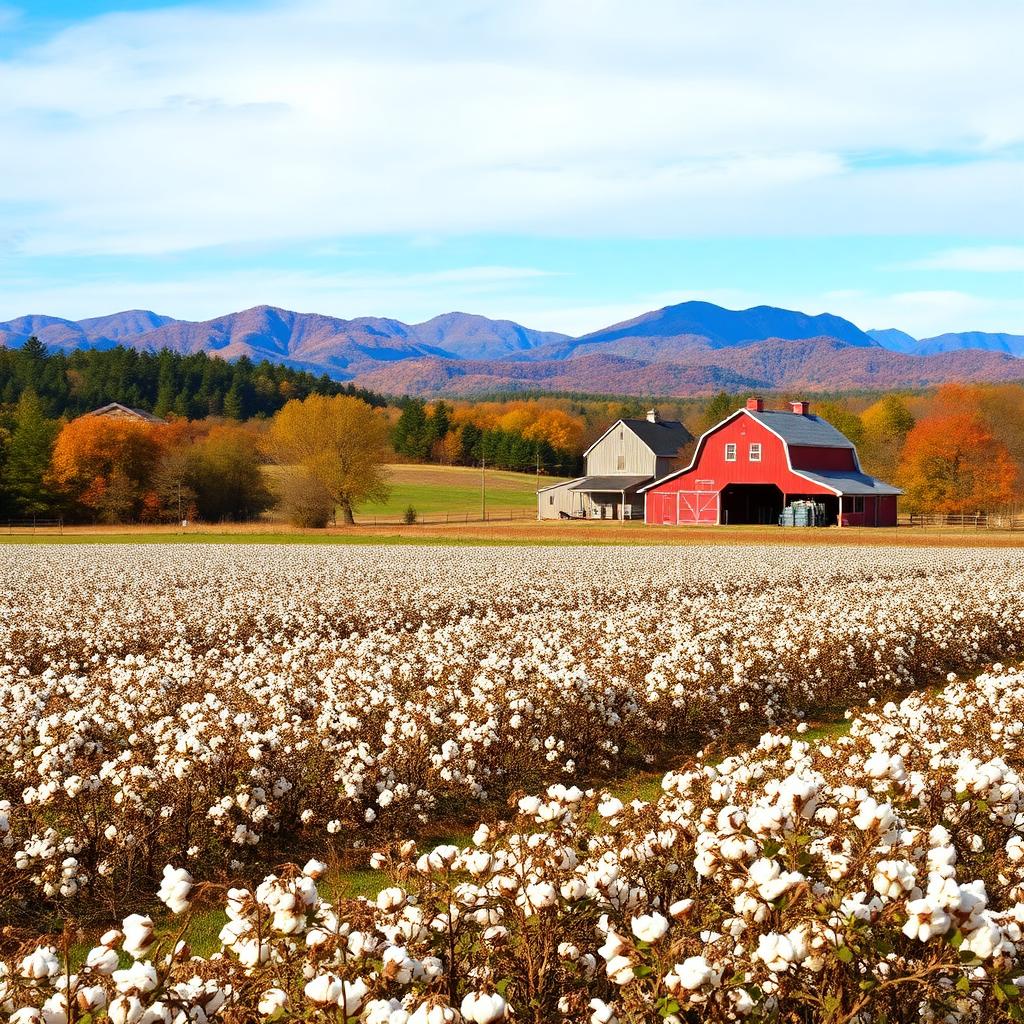
Upstate South Carolina farmland — ridge-view acreage near Greenville is among the state's fastest-appreciating land.
South Carolina Legal Requirements
South Carolina has a few state-specific rules that trip up out-of-state sellers and first-time FSBO landowners alike. Here's what you actually have to comply with.
Attorney-Required Closings (SC-Specific)
Unlike most states — which allow title companies or escrow agents to close real estate transactions — South Carolina requires a licensed South Carolina attorney to conduct the closing. This is established SC Supreme Court law, not something you can waive. Budget $400–$1,200 for a straightforward land closing; complex parcels (multiple owners, heir property, coastal wetlands) run higher.
Required Disclosures
- •Environmental hazards — known contamination, underground storage tanks, prior industrial use.
- •Wetlands — Lowcountry parcels in particular; wetland designation dramatically affects buildability.
- •Easements — recorded access, utility, timber, or right-of-way easements.
- •Access problems — landlocked parcels, seasonal roads, or contested access.
- •Zoning restrictions — anything limiting the buyer's intended use.
South Carolina's Residential Property Condition Disclosure Statement is written primarily for improved residential property, so vacant land has narrower formal disclosure requirements. Requirements can change — confirm current obligations with a South Carolina real estate attorney before you list.
Closing Documents Needed
- • General Warranty Deed (attorney-prepared)
- • Title search & title insurance
- • Affidavit of title
- • Settlement statement (ALTA form)
- • Recording fee documentation
- • Applicable disclosure forms
SC Seller Closing Costs
- • Deed recording fee: $1.85 per $500 of sale price
- — state portion: $1.30 per $500
- — county portion: $0.55 per $500
- • Attorney fees: $400–$1,200
- • Title search & insurance: varies
- • Prorated property taxes
- • Survey (if needed): $600–$1,800+
Rather Skip All This?
FSBO works — but it's months of pricing, marketing, showings, and coordinating with attorneys. If you'd rather skip the whole thing, PlaceAcre buys South Carolina land directly — no listing, no commissions, no closing costs on your side.
Send us the parcel details and you'll have a written cash offer within 24 hours, closing in 14–30 days through a licensed SC attorney.
South Carolina Land Values by Region
South Carolina's three broad regions price land very differently. Understanding where your parcel sits — geographically and economically — is the difference between a fast sale and a stale listing.
Lowcountry / Coastal
- • Marshland and coastal-adjacent tracts
- • Highest premium in the state
- • Second-home and retiree demand
- • Wetlands due diligence critical
- Existing coverage: Williamsburg, Horry
Midlands / Piedmont
Upstate
- • Mountain and lake-adjacent parcels
- • Strong appreciation from Greenville spillover
- • View and elevation premium
- • Growing recreational demand
- Existing coverage: Greenville, Spartanburg, Oconee
Marketing & Photography Tips for SC Land
Land photography sells the daydream. For South Carolina in particular, that daydream is either the marsh at low tide or the Blue Ridge at first light — capture that and buyers will click.
Photography Tips for SC Land Listings
Must-Have Shots
- • Aerial/drone view showing full boundary
- • Road frontage and access point
- • Water features (creek, pond, marsh, lake edge)
- • Timber stands, pastures, and any clearings
- • Coastal views or ridge/mountain views
Best Practices
- • Shoot during golden hour (sunrise/sunset)
- • Marshland: shoot at low tide for definition
- • Mountain parcels: clear days only, avoid haze
- • Include a marked plat or GIS screenshot
- • Avoid overcast, gray-sky shots
For coastal parcels, note tide timing on your listing — buyers who understand Lowcountry land will look for it. For Upstate mountain parcels, mention any Blue Ridge or lake views prominently. For inherited SC land specifically, our guide on what to do after inheriting land in South Carolina covers the specific paperwork and heir-property considerations that come up before you can list at all.
The Cash-Sale Alternative
If a year of showings isn't realistic — you inherited the parcel out of state, you're settling an estate, you need liquidity, or you just don't want to deal with it — a direct cash sale trades some headline price for speed and certainty.
Close in 14–30 Days
Through a licensed SC attorney — no financing contingencies, no month-long inspection windows.
No Commission, No Fees
We cover the closing costs. Your net offer is what you actually walk with.
We Handle Everything
Title work, attorney coordination, deed recording — all on our side.
South Carolina Land Selling — FAQ
Do I need a realtor to sell land in South Carolina?→
No — South Carolina law does not require a realtor to sell land. But South Carolina does require a licensed real estate attorney to conduct the closing itself. So while you can list, market, and negotiate your parcel yourself (FSBO), the actual transfer of title has to go through an SC attorney regardless of which sale path you choose.
Who pays the deed recording fee in South Carolina?→
The seller almost always pays South Carolina's deed recording fee (sometimes called "deed stamps") unless the contract shifts it to the buyer. The fee is $1.85 per $500 of the sale price — split between the state ($1.30) and the county ($0.55). On a $75,000 parcel, that's about $278 total.
Do I have to disclose issues when selling vacant land in SC?→
South Carolina's Residential Property Condition Disclosure Statement is written primarily for improved residential property, so vacant unimproved land has narrower disclosure obligations than a house. That said, you're still expected to disclose known material issues that affect value or use — environmental hazards, wetlands, access problems, easements, and zoning restrictions. Requirements can change; confirm current disclosure obligations with a South Carolina real estate attorney before you list.
What's the fastest way to sell South Carolina land?→
A direct cash buyer is the fastest path. PlaceAcre and other reputable land buyers can typically close South Carolina parcels in 14 to 30 days through a licensed SC attorney. FSBO listings usually take 6 to 12 months; MLS listings for vacant land can run 12 to 24 months.
Have an SC parcel and want a number before you commit? Get a no-obligation cash offer in 24 hours.
Related Resources
Related Locations
Get Your Free Cash Offer
Fill out the form below and receive a no-obligation offer within 24 hours