How to Sell Agricultural Land in South Carolina
Your comprehensive guide to selling farmland, cropland, and agricultural property in the Palmetto State
Selling agricultural land in South Carolina is a unique process that requires understanding market dynamics, property valuation, legal considerations, and buyer expectations. Whether you own cropland, pasture, timberland, or a working farm, this comprehensive guide will walk you through every step of successfully selling your agricultural property in South Carolina.
Understanding the South Carolina Agricultural Land Market
South Carolina's agricultural land market is diverse and dynamic. The state is home to over 25,000 farms covering approximately 4.9 million acres. The agricultural sector contributes billions to the state economy, with major commodities including poultry, cattle, timber, soybeans, cotton, and corn.
Agricultural land values in South Carolina vary significantly based on location, soil quality, water access, and development potential. Upstate regions near Greenville and Spartanburg command different prices than Lowcountry areas near Charleston or agricultural heartlands in the Pee Dee region.
Steps to Sell Your Agricultural Land in South Carolina
1. Determine Your Land's Agricultural Value
Before listing your agricultural property, understand what makes it valuable. Key factors include tillable acres, soil classification, drainage systems, water rights, existing infrastructure (barns, silos, irrigation), timber value, and proximity to markets. Consider hiring a rural property appraiser who specializes in agricultural land to get an accurate valuation.
In South Carolina, properties enrolled in the Agricultural Use Assessment program receive favorable tax treatment. Buyers interested in continuing agricultural operations will value this designation, so be prepared to provide documentation about your property's agricultural use classification.
2. Gather Essential Documentation
Selling agricultural land requires more documentation than typical residential property. Compile property surveys, soil maps, water rights documentation, agricultural use tax records, lease agreements (if applicable), timber cruises (if forested), production records, and any easements or restrictions.
South Carolina requires specific disclosures about agricultural properties, particularly regarding septic systems, well water quality, and environmental considerations. Having this documentation ready accelerates the sales process and builds buyer confidence.
3. Consider Your Selling Options
Agricultural landowners in South Carolina have several selling options. You can list with a rural real estate agent who specializes in farmland, auction your property through an agricultural land auction company, sell land fast to a direct cash buyer, or market directly to farmers and investors in your network.
Each method has advantages. Traditional listings provide maximum market exposure but take longer and involve commissions. Auctions create urgency but may not achieve top dollar. Cash buyers offer speed and convenience, closing in days rather than months, which is ideal for landowners who need quick liquidity or want to avoid lengthy negotiations.
4. Prepare Your Agricultural Property for Sale
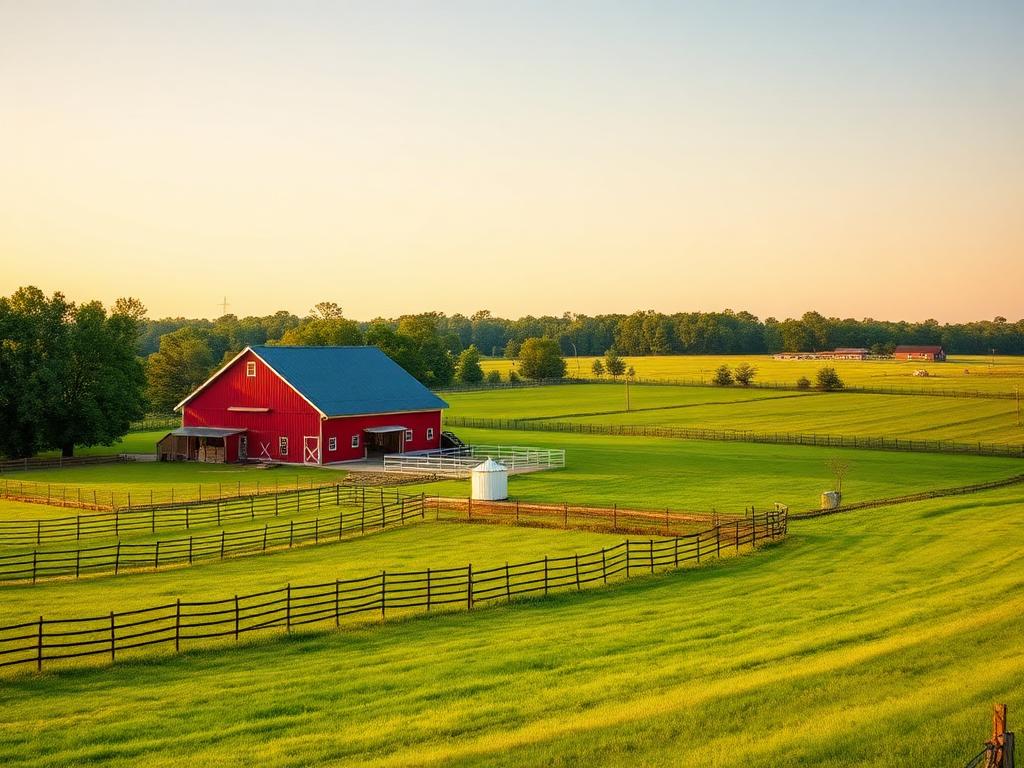
First impressions matter even for agricultural land. Clear fence lines, mow primary access roads, remove trash and debris, ensure gates are functional, and maintain any structures in reasonable condition. Aerial drone photography and videos showcase agricultural properties exceptionally well, giving buyers a comprehensive view of the land's layout and features.
Highlight productive capacity in your marketing materials. Include soil test results, historical crop yields, grazing capacity, timber volume estimates, and water availability. Buyers of agricultural land are making business decisions and want data to support their investment.
5. Market to the Right Agricultural Buyers
Identifying your ideal buyer helps target your marketing effectively. Potential buyers include established farmers looking to expand operations, beginning farmers seeking their first property, investors interested in ag land as an asset class, developers eyeing future growth areas, hunting enthusiasts looking for recreation land, and timber companies interested in forest management.
South Carolina has active agricultural communities. Market through farm publications, rural real estate websites, county extension offices, farm bureau networks, and word-of-mouth within agricultural communities. Social media platforms like Facebook have active land sale groups specific to South Carolina regions.
6. Navigate South Carolina Agricultural Land Regulations
South Carolina has specific regulations affecting agricultural land transactions. The Agricultural Use Assessment program provides reduced property tax rates for qualifying agricultural land. When selling, new owners must apply to continue this beneficial designation, or the property may be subject to rollback taxes.
Be aware of conservation easements, soil and water conservation district regulations, riparian buffer requirements along waterways, and potential implications if the land will be converted from agricultural to other uses. Working with an attorney familiar with South Carolina agricultural law protects both parties.
Pricing Your South Carolina Agricultural Land
Pricing agricultural land accurately is crucial for a successful sale. Research recent comparable sales in your area, focusing on similar land types, acreage, and agricultural uses. South Carolina agricultural land prices generally range from $3,000 to $8,000 per acre for quality farmland, though prices vary widely by region and property characteristics.
Consider both agricultural value and development potential. Properties near growing metropolitan areas like Charleston, Greenville, Columbia, and Myrtle Beach may command premiums due to future development possibilities. However, overpricing based on speculative development value can deter serious agricultural buyers.
Price per acre often decreases as total acreage increases. A 10-acre tract might sell for $7,000 per acre, while a 200-acre farm might average $4,500 per acre. Factor in the property's income-generating potential, especially if it has rental income from crop leases or timber harvesting contracts.
How Long Does It Take to Sell Agricultural Land in SC?
The timeline for selling agricultural land in South Carolina varies based on property size, location, price, and market conditions. Traditional listings through real estate agents typically take 6 to 18 months from listing to closing. Larger properties and those in rural areas often take longer to sell than smaller parcels near population centers.
The agricultural land market has seasonal patterns. Spring and early summer tend to be more active as farmers plan for upcoming seasons. However, serious agricultural investors and institutional buyers operate year-round.
If you need to sell agricultural land quickly in South Carolina, working with cash land buyers provides the fastest option. These buyers can close in as little as 7 to 14 days, paying cash for your property as-is without requiring you to make improvements, provide financing contingencies, or wait for traditional buyer loan approvals.
Tax Considerations When Selling Agricultural Land
Selling agricultural land in South Carolina has important tax implications. Capital gains tax applies to the difference between your sale price and your cost basis (original purchase price plus improvements). Long-term capital gains rates apply if you've owned the property for more than one year, offering more favorable tax treatment than short-term rates.
If your land has been in Agricultural Use Assessment, removing it from agricultural use may trigger rollback taxes—up to five years of the difference between agricultural use assessment and fair market value assessment. Consult with a tax professional to understand your specific situation and plan accordingly.
Consider 1031 exchange opportunities if you plan to reinvest proceeds into another investment property. This tax-deferral strategy allows you to defer capital gains taxes by purchasing like-kind property within specific timeframes, preserving more of your equity for reinvestment.
Why South Carolina Agricultural Landowners Choose Cash Buyers
Many South Carolina agricultural landowners are discovering the advantages of selling to professional cash land buyers. This option eliminates listing periods, showing requirements, buyer financing contingencies, and lengthy negotiations. Cash sales typically close in days rather than months, providing immediate liquidity.
Cash buyers purchase agricultural land as-is, meaning you don't need to invest in repairs, maintenance, or property improvements. There are no real estate commissions to pay, no buyer inspections to navigate, and no deal falling through due to financing issues. The entire process is streamlined and straightforward.
This selling method particularly appeals to landowners dealing with inherited agricultural property, estate settlements, financial transitions, out-of-state ownership challenges, or simply those who want a quick, hassle-free transaction without the complexities of traditional land sales.
Ready to Sell Your South Carolina Agricultural Land?
Get a fair cash offer for your agricultural property in as little as 24-48 hours. No commissions, no repairs, no hassles. We buy farmland, cropland, and agricultural properties throughout South Carolina.
Trusted by hundreds of South Carolina agricultural landowners.
Conclusion
Selling agricultural land in South Carolina requires understanding the unique aspects of the agricultural property market, from soil quality and water rights to tax implications and buyer motivations. Whether you choose traditional listing methods, auctions, or direct cash sales, having a clear strategy and proper documentation positions you for success.
The South Carolina agricultural land market offers opportunities for sellers who price competitively, market effectively, and understand buyer needs. By following this comprehensive guide and potentially working with experienced agricultural land professionals, you can navigate the selling process confidently and achieve your goals for your agricultural property.