
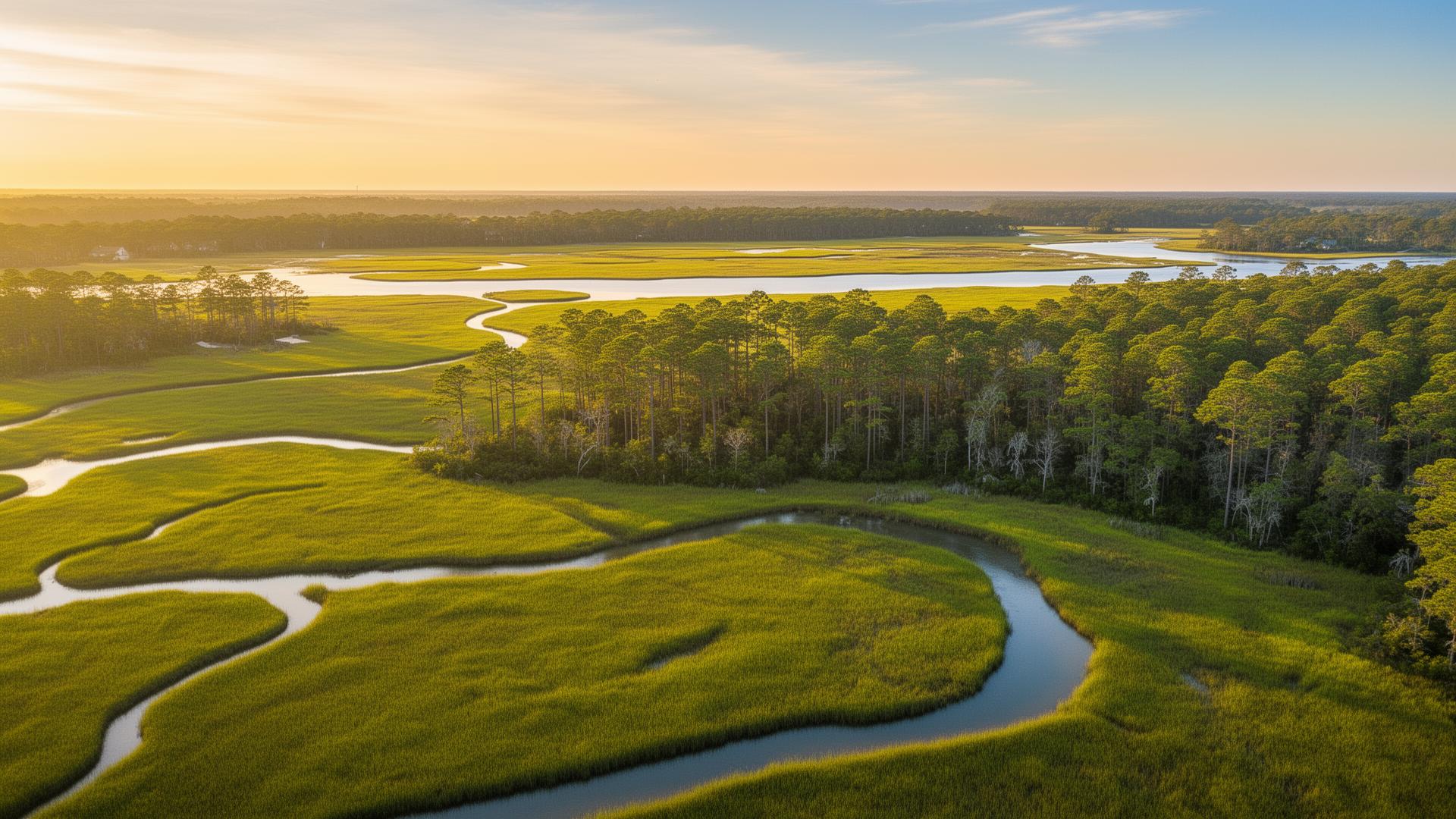
South Carolina's diverse landscape—from the tidal marshes of the Lowcountry to the Blue Ridge foothills of the Upstate—creates unique opportunities and challenges for landowners looking to sell. Whether you've inherited property in Charleston County, own hunting land in the Pee Dee region, or hold agricultural acreage in the Midlands, selling your South Carolina land for cash offers a streamlined alternative to the traditional real estate market.
This comprehensive guide will walk you through everything you need to know about how to sell land for cash in South Carolina, including understanding your property's value, finding legitimate cash buyers, navigating legal requirements, and closing quickly without the headaches of realtor commissions or financing contingencies.
Why Sell Your South Carolina Land for Cash?
Traditional land sales in South Carolina can take 12-18 months, involve 6-10% in realtor commissions, and often fall through due to buyer financing issues. Cash sales eliminate these problems entirely. Here's why Palmetto State landowners are increasingly choosing cash buyers:
Fast Closing Timeline
Close in as little as 7-14 days instead of waiting months for traditional buyers to secure financing. Cash transactions bypass mortgage underwriting delays entirely.
No Financing Contingencies
Cash offers aren't subject to bank appraisals, loan approvals, or last-minute financing denials that derail deals at closing.
Sell As-Is Condition
No need for costly clearing, drainage improvements, or environmental assessments. Cash buyers purchase land in current condition.
Zero Commissions or Fees
Save 6-10% in realtor commissions. Many cash buyers also cover closing costs, putting more money in your pocket.
For landowners dealing with hidden costs of owning raw land—including property taxes, liability insurance, and maintenance—a cash sale provides immediate relief and liquidity.
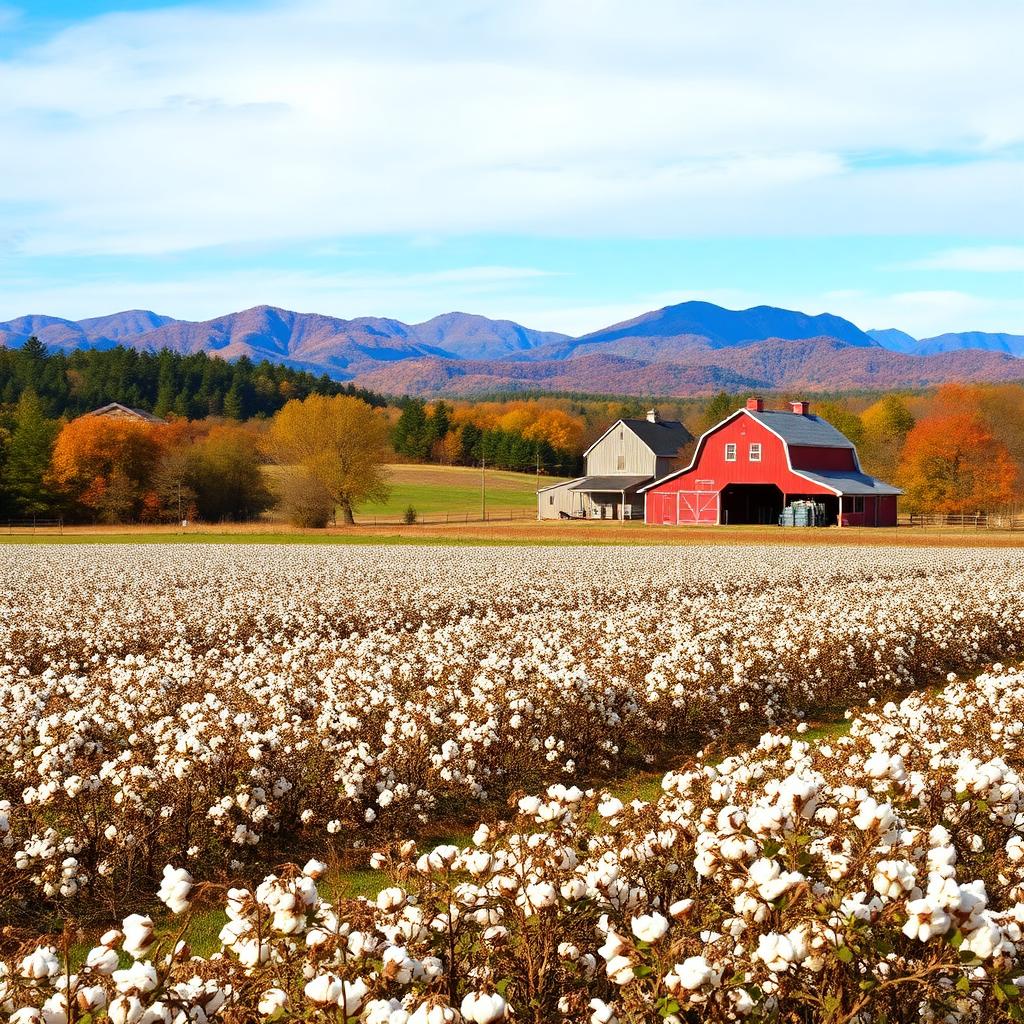
South Carolina Upstate farmland near the Blue Ridge foothills—prime agricultural and recreational property
Understanding South Carolina's Regional Land Markets
South Carolina's land values vary dramatically by region. Understanding your property's location within the state's distinct geographic zones helps you evaluate fair cash offers:
Lowcountry (Charleston, Beaufort, Berkeley, Colleton)
The Lowcountry represents South Carolina's most valuable land market, with waterfront and marsh-adjacent properties commanding premium prices. Barrier island lots, ACE Basin acreage, and historic plantation tracts attract luxury developers and conservation buyers alike. Average prices range from $8,000-$50,000+ per acre depending on water access and development potential.
- Waterfront lots command 3-5x inland prices
- DHEC-OCRM permits required for coastal development
- Conservation easement value may exceed development price
Upstate (Greenville, Spartanburg, Anderson, Pickens)
The Upstate benefits from explosive growth driven by BMW, Michelin, and the I-85 corridor's manufacturing boom. Mountain view properties in Pickens and Oconee counties attract retirees and second-home buyers, while development land near Greenville commands commercial-grade prices. Values range from $3,500-$15,000 per acre.
- Lake Keowee and Lake Jocassee frontage highly valued
- Strong demand for 5-20 acre homesites
- Agricultural use valuation (CAUV) reduces property taxes
Midlands (Richland, Lexington, Kershaw, Sumter)
Columbia's suburban expansion drives demand in the Midlands, with Lake Murray properties particularly desirable. Agricultural land in Orangeburg and Calhoun counties supports row crops and timber production. Prices typically range from $2,500-$8,000 per acre based on development proximity and land use.
- Fort Jackson proximity impacts Richland County values
- Lake Murray waterfront averages $10,000+ per acre
- Timber income potential on larger rural tracts
Pee Dee Region (Florence, Marion, Dillon, Marlboro)
The Pee Dee's agricultural heritage keeps land prices affordable, making it attractive for hunting clubs, timber investors, and farmers. Tobacco, cotton, and peanut operations dominate, with increasing solar farm interest on large parcels. Values typically range from $1,500-$4,000 per acre.
- Strong hunting lease income potential ($10-25/acre)
- Solar development offers $500-1,500/acre lease rates
- Great Pee Dee River access adds value
Whether you're selling Lowcountry marsh land, Upstate mountain property, or Pee Dee farmland, understanding your regional market helps you evaluate cash offers fairly. For guidance on assessing your specific property, see our guide on how to sell land for cash in South Carolina.
Step-by-Step: Selling South Carolina Land for Cash
Gather Property Documentation
Before contacting buyers, compile essential documents that verify ownership and property characteristics. South Carolina requires specific documentation for land transfers:
- Current deed and tax map number (TMS)
- Most recent property tax statement
- Survey or plat map (if available)
- Title insurance policy from purchase
- Any easement or right-of-way documentation
- Timber cruise or forestry management plan (if applicable)
Research Comparable Sales
South Carolina's Register of Deeds offices maintain public records of recent land transactions. Research sales in your county from the past 6-12 months, focusing on similar acreage, location, and land type. The SC Department of Revenue also publishes county-level agricultural land value studies.
Cash buyers typically offer 70-85% of retail market value in exchange for speed and certainty. Understanding your baseline market value helps you evaluate whether an offer is fair.
Contact Reputable Cash Buyers
Legitimate cash land buyers in South Carolina will provide a no-obligation offer after reviewing your property details. Look for buyers who:
- Operate in South Carolina with verifiable transaction history
- Provide written offers with clear terms
- Don't require upfront fees or "processing charges"
- Use licensed South Carolina closing attorneys
- Can provide proof of funds upon request
Negotiate Terms and Accept Offer
Cash offers are negotiable. Key terms to discuss include:
- Purchase price and earnest money deposit
- Who pays closing costs (often the buyer in cash transactions)
- Closing timeline and date flexibility
- Due diligence period length
- Title search and insurance responsibilities
Complete Title Work and Close
South Carolina requires an attorney to conduct real estate closings. The closing attorney will:
- Order and review the title search
- Prepare the warranty deed for transfer
- Calculate and collect deed recording fees (approximately $25-50)
- Handle the deed stamp tax (currently $3.70 per $1,000 of sale price)
- Disburse funds via wire transfer or certified check
Cash closings typically complete in 7-14 days once the purchase agreement is signed, compared to 45-60 days for financed transactions.

Cash transactions close quickly with minimal paperwork compared to financed deals
South Carolina Legal Requirements for Land Sales
South Carolina has specific legal requirements for transferring real property. Understanding these ensures a smooth closing process:
Key Legal Requirements
Attorney Requirement
South Carolina requires a licensed attorney to conduct real estate closings. The closing attorney oversees title examination, document preparation, and fund disbursement.
Deed Stamp Tax
South Carolina imposes a deed recording fee of $1.85 per $500 of property value ($3.70 per $1,000). This tax is typically paid by the seller but can be negotiated.
Disclosure Requirements
Sellers must disclose known material defects including flood zone location, environmental contamination, boundary disputes, and easement encumbrances. A Seller's Disclosure Statement is standard.
Coastal Zone Considerations
Lowcountry properties within the eight coastal counties require DHEC-OCRM (Ocean and Coastal Resource Management) disclosures regarding critical area permits and setback requirements.
Working with an experienced cash buyer who understands South Carolina's legal framework simplifies compliance. Reputable buyers have established relationships with closing attorneys and handle most paperwork on your behalf.
Common Situations for Cash Land Sales in South Carolina
Inherited Property
South Carolina's probate process can extend 8-12 months. Once the estate closes, heirs often prefer cash sales to quickly divide proceeds among beneficiaries without ongoing property management responsibilities. Learn more about how to sell land for cash in South Carolinafor inherited parcels.
Out-of-State Ownership
Absentee landowners managing South Carolina property from other states face challenges with tax payments, liability exposure, and maintenance oversight. Cash buyers handle all aspects remotely, including mail-away closings.
Tax Burden Relief
South Carolina property taxes, while lower than many states, still burden landowners with annual obligations. Sellers facing delinquent taxes can often negotiate cash deals that clear liens and provide immediate relief.
Difficult-to-Sell Parcels
Landlocked parcels, wetland-heavy tracts, or properties with access issues struggle on the traditional market. Cash buyers specialize in these challenging properties and understand how to value unique characteristics fairly.
Avoiding Scams: Red Flags When Selling SC Land for Cash
While most cash land buyers operate legitimately, protect yourself by watching for these warning signs:
Warning Signs to Watch For
- ✕Upfront fees: Legitimate buyers never charge "processing," "application," or "holding" fees before closing.
- ✕Pressure tactics: Real buyers give you time to consider offers and don't create artificial urgency.
- ✕No physical presence: Verify the buyer has a real business address and can provide references from past sellers.
- ✕Unusual payment methods: Legitimate transactions use wire transfers or certified checks through the closing attorney.
- ✕Bypassing attorneys: Any buyer suggesting you skip the required closing attorney is breaking South Carolina law.
Always verify that your cash buyer uses a licensed South Carolina closing attorney and provides proof of funds before signing any purchase agreement.
Tax Considerations for South Carolina Land Sales
Understanding tax implications helps you plan for the net proceeds from your cash sale:
Capital Gains Tax
If you've owned the land more than one year, profits are taxed at federal long-term capital gains rates (0-20% depending on income). South Carolina also taxes capital gains as ordinary income (0-7% marginal rate). The stepped-up basis for inherited property can significantly reduce or eliminate capital gains.
1031 Exchange Option
Investors can defer capital gains by reinvesting proceeds into "like-kind" property through a 1031 exchange. This requires strict timeline compliance (45-day identification, 180-day closing) and qualified intermediary involvement.
Deed Stamp Tax
South Carolina's transfer tax of $3.70 per $1,000 of sale price is typically the seller's responsibility, though this can be negotiated in cash transactions where buyers often cover closing costs.
Consult with a tax professional before closing to understand your specific situation and explore strategies for minimizing tax liability.
Ready to Sell Your South Carolina Land for Cash?
Get a no-obligation cash offer for your South Carolina property today. Whether you own Lowcountry marshland, Upstate mountain acreage, or Pee Dee farmland, we'll provide a fair offer within 24-48 hours.
Call Now: 830-500-5118Get Your Free Cash Offer
Fill out the form below and receive a no-obligation offer within 24 hours
Summary: Selling South Carolina Land for Cash
Selling land for cash in South Carolina offers significant advantages over traditional sales: faster closings, no financing contingencies, zero realtor commissions, and the ability to sell property as-is. Whether you're dealing with inherited land, out-of-state ownership challenges, or simply want a quick, hassle-free sale, cash buyers provide a streamlined alternative.
The key to a successful cash sale is working with a reputable buyer who understands South Carolina's regional land markets, legal requirements, and can provide transparent terms. By gathering your documentation, researching comparable sales, and verifying buyer legitimacy, you can confidently navigate the process and maximize your proceeds.
For more information on how to sell land for cash in South Carolina and other states where we buy land, explore our location guides or contact us directly for a personalized consultation.