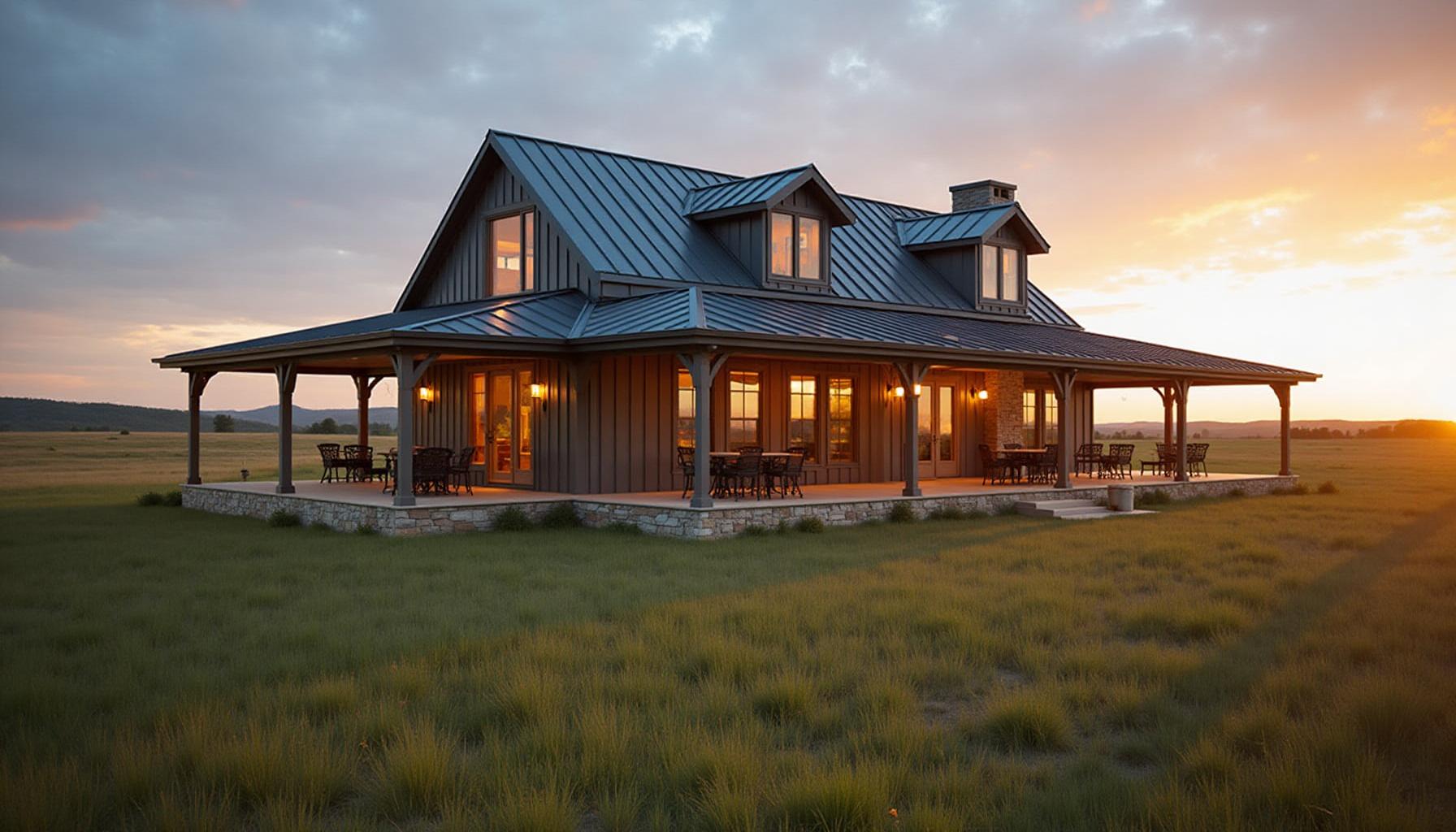
If you're planning to build on rural acreage, you've likely encountered the barndominium craze sweeping through the countryside. These steel-framed, barn-style homes have exploded in popularity, promising lower costs and faster construction. But are they really the right choice for your property? Before you commit to a building style, understanding the full picture—from construction costs to resale value—is essential for making the smartest investment on your land.
What Exactly is a Barndominium?
A barndominium—often called a "barndo"—is a metal building converted or designed as a residential dwelling. Originally popular in Texas ranching communities, these structures combine the durability of steel construction with open-concept living spaces. Modern barndominiums range from simple converted pole barns to luxury custom homes with high-end finishes.
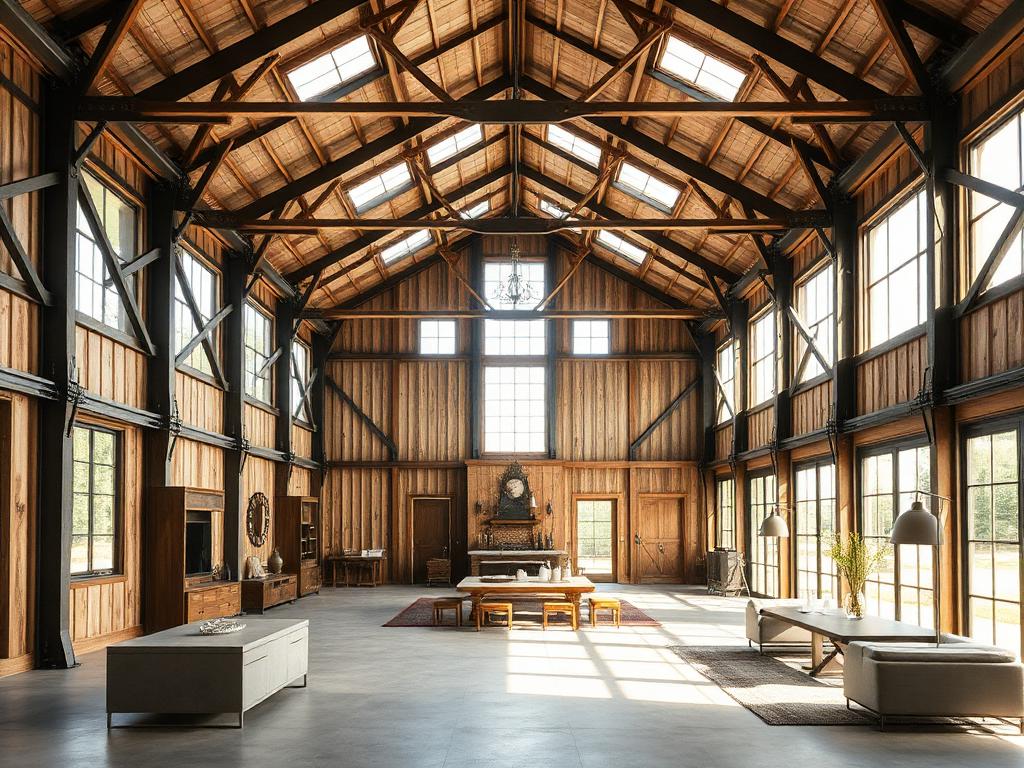
Typical Features
- Steel frame and metal exterior siding
- Open floor plans with minimal load-bearing walls
- High ceilings (often 14-20 feet)
- Attached shop or garage space
Common Sizes
- Small: 1,200-2,000 sq ft
- Medium: 2,000-3,500 sq ft
- Large: 3,500-6,000+ sq ft
- Often 30-60% dedicated to shop/storage
The Real Cost Breakdown
Understanding the true construction costs helps you budget accurately for your rural property build.
Construction Cost Comparison
One of the biggest draws of barndominium construction is the potential cost savings. However, the real numbers depend heavily on your finish level, location, and specific design requirements. Here's what you can expect when building on rural land:
Barndominium
Shell Only (DIY Interior)
$30-$50/sq ft
Basic Finish
$80-$120/sq ft
Custom/Luxury Finish
$150-$250/sq ft
Traditional Home
Builder Grade
$125-$175/sq ft
Semi-Custom
$175-$275/sq ft
Full Custom
$275-$400+/sq ft
Important Note: These costs don't include land preparation, septic systems, well drilling, driveways, or utility connections—expenses that apply equally to both building types on rural property. If you're considering whether to sell vacant land instead of building, understanding these additional costs is crucial.
Barndominium Advantages
Faster Construction Timeline
Metal building kits arrive prefabricated, reducing framing time dramatically. Most shells can be erected in 2-4 weeks versus 3-6 months for traditional stick-built framing.
Lower Initial Investment
Steel construction typically costs 30-50% less for the shell compared to conventional framing, freeing up budget for interior finishes or land improvements.
Superior Durability
Steel frames resist termites, rot, and warping. Metal roofing lasts 40-70 years versus 15-25 for asphalt shingles. Minimal maintenance required for exterior.
Flexible Floor Plans
Clear-span construction eliminates the need for interior load-bearing walls, allowing completely open layouts and easy future modifications.
Energy Efficiency Potential
When properly insulated with spray foam, metal buildings can achieve excellent energy performance. Cool metal roofing reflects heat in summer months.
Workshop Integration
Perfect for hobby farmers, mechanics, and craftspeople who want attached workshop space without sacrificing living quality or building a separate structure.
Barndominium Disadvantages
Financing Challenges
Many traditional lenders don't offer conventional mortgages for barndominiums. You may need construction loans, portfolio lenders, or specialized barndominium financing.
Appraisal Difficulties
Limited comparable sales make accurate appraisals challenging. This can affect both financing approval and resale value expectations.
Zoning & Permit Issues
Some counties restrict metal buildings in residential zones. HOAs typically prohibit barndominiums entirely. Always verify local regulations before purchasing land.
Insulation Requirements
Metal buildings require careful insulation planning to prevent condensation and temperature extremes. Spray foam insulation adds significant cost.
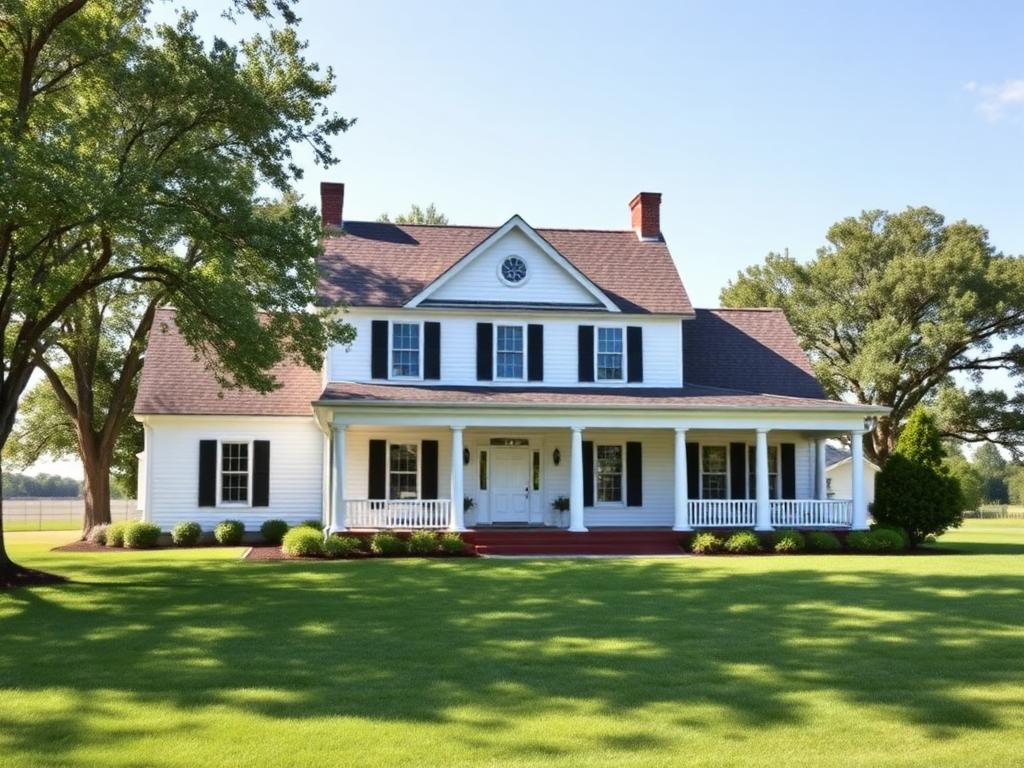
Traditional Home Benefits
Conventional construction offers proven performance and universal market appeal.
Traditional Home Advantages
Universal Financing Availability
Every lender offers conventional mortgages for traditional homes. FHA, VA, USDA, and conventional loans all apply, often with better rates and lower down payments than barndominium financing.
Predictable Resale Market
Traditional homes have established markets with abundant comparable sales data. Buyers understand the product, and appraisals are straightforward. This translates to faster sales and more predictable valuations.
Abundant Contractor Availability
Finding skilled builders for conventional construction is easier in most areas. More contractors means competitive bidding and better pricing, especially in rural markets.
Design Flexibility
Traditional construction accommodates virtually any architectural style—from modern farmhouse to craftsman to Mediterranean. You're not limited to the rectangular footprints common in metal buildings.
Insurance Simplicity
Standard homeowner's insurance policies readily cover traditional construction. Barndominiums may require specialized policies or agricultural classifications that limit coverage options.
Which Option is Right for Your Rural Land?
Choose a Barndominium If:
- You need integrated workshop or agricultural space
- Budget is a primary concern and you're willing to DIY finishes
- You value durability and low maintenance over traditional aesthetics
- Your county allows residential metal buildings
- You have cash or access to specialized financing
- Resale value is secondary to personal utility
Choose a Traditional Home If:
- You need conventional financing with standard terms
- Resale value and market appeal matter to you
- You prefer classic architectural styles
- Your area has zoning restrictions on metal buildings
- You want standardized insurance options
- Easy access to experienced local contractors is important
Critical Factors for Rural Property Owners
Regardless of which building style you choose, several factors apply specifically to rural land development. Before breaking ground on either option, carefully evaluate your property's characteristics and local regulations.
Land Preparation Costs
Both building types require similar site preparation—clearing, grading, driveway construction, and utility installation. On rural acreage, these costs can range from $15,000 to $50,000+ depending on terrain, tree coverage, and distance from utility connections. Factor these expenses into your total budget regardless of construction method.
Septic and Well Requirements
Most rural properties require private septic systems ($10,000-$30,000) and wells ($5,000-$15,000). These costs apply equally to both barndominiums and traditional homes. Ensure your land passes perc tests before committing to any construction plans.
County Building Codes
Some rural counties have minimal building restrictions, making barndominiums easier to permit. Others enforce strict residential zoning that effectively prohibits metal buildings. Always consult your county planning department before purchasing land for a specific building type. If you discover restrictive zoning that limits your plans, you might consider whether to evaluate your raw land options differently.
The Hybrid Approach: Best of Both Worlds?
Some rural property owners are choosing hybrid designs that combine steel construction with traditional exterior finishes. These "shouses" (shop-houses) use metal building shells with stone, brick, or wood siding to achieve traditional aesthetics while maintaining steel's cost and durability advantages.
A hybrid approach can solve financing and appraisal challenges while preserving barndominium benefits. The additional exterior finishing adds $15-30 per square foot but may pay for itself through better financing terms and improved resale potential.
Final Thoughts: Making the Right Choice
The barndominium versus traditional home debate ultimately comes down to your specific priorities, budget constraints, and long-term plans for your rural property. Both options can create beautiful, functional living spaces—the key is matching your choice to your circumstances.
If you're drawn to barndominium living for its unique character and cost advantages, ensure you've thoroughly researched local zoning, secured appropriate financing, and budgeted accurately for quality finishes and insulation. If traditional construction better suits your needs, focus on finding the right builder and maximizing your investment through thoughtful design choices.
Whatever direction you choose, understanding the full scope of rural property development—from water rights considerations to utility installation—will help you avoid costly surprises and build the rural lifestyle you've envisioned.