When purchasing rural property, most buyers focus on location, price, and acreage—but the quality of soil beneath your feet can make or break your land investment. Whether you're planning to farm, build a home, establish a homestead, or simply hold land as an investment, understanding how to assess soil quality before buying rural property is essential knowledge that could save you thousands of dollars and years of frustration.
Poor soil quality can mean failed septic systems, flooded basements, crop failures, and expensive remediation costs. On the other hand, high-quality soil can support productive gardens, healthy pastures, proper drainage, and stable building foundations. This comprehensive guide will walk you through everything you need to know about evaluating soil quality before you sign on the dotted line.
Why Soil Quality Matters for Rural Property Buyers
Soil quality directly impacts virtually every use case for rural land. Here's why savvy buyers always assess soil conditions before purchasing:
Understanding the Major Soil Types
Before you can assess soil quality on a rural property, you need to understand the basic soil types you'll encounter. Most soils are a combination of these primary components:
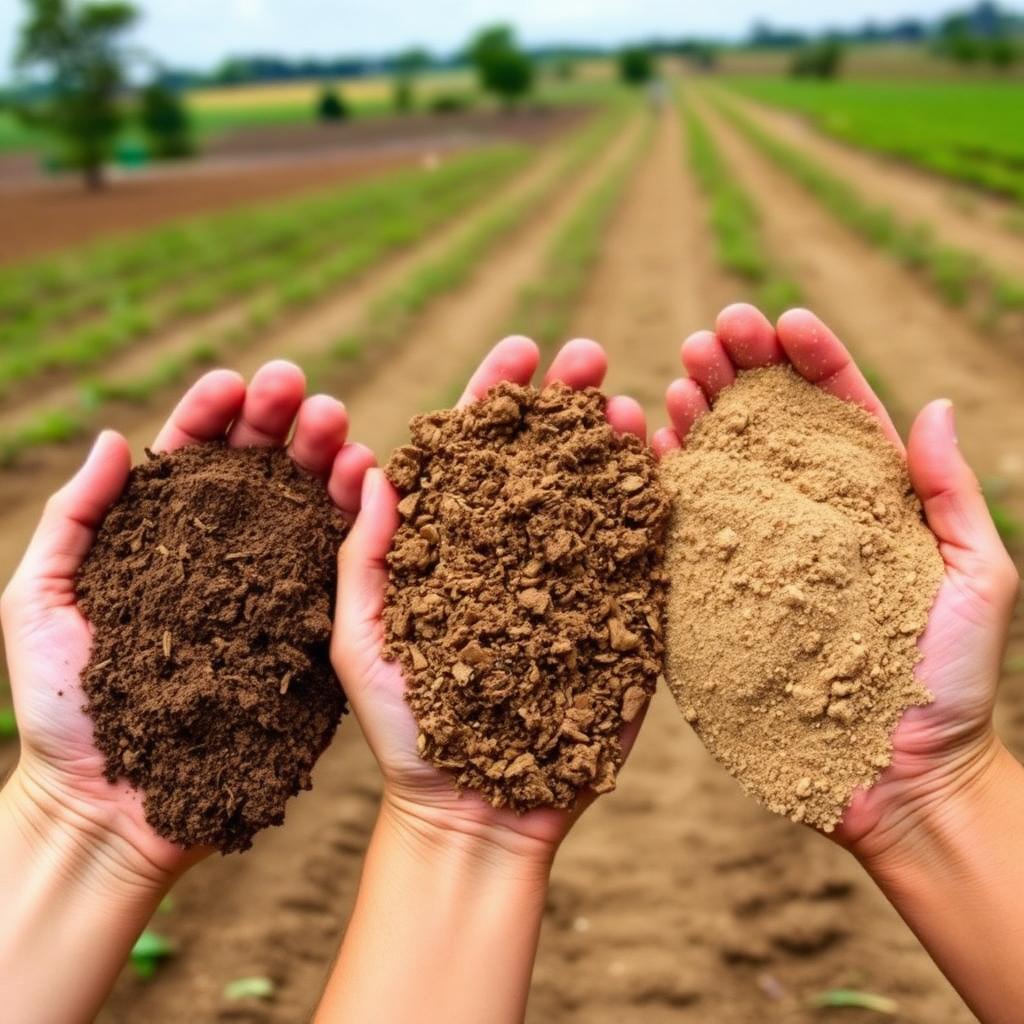
Clay Soil
Fine particles that compact easily. Holds water and nutrients well but drains poorly. Can become waterlogged in wet seasons and crack when dry.
Loam Soil
The gold standard—balanced mix of clay, sand, and silt. Excellent drainage while retaining moisture and nutrients. Ideal for most purposes.
Sandy Soil
Large particles with excellent drainage—sometimes too much. Doesn't hold nutrients or water well. Warms quickly in spring but requires more irrigation.
Pro Tip: The Jar Test
Collect soil samples from various spots on the property, place them in clear jars with water, shake vigorously, and let settle for 24 hours. Sand settles first (bottom), then silt (middle), then clay (top). The proportions reveal your soil composition at a glance.
Key Soil Quality Indicators to Evaluate
When you visit a rural property, there are several soil quality indicators you can assess with simple observation and basic testing. These factors will tell you a lot about the land's potential before investing in professional soil analysis.
1. Soil pH Level
Soil pH measures acidity or alkalinity on a scale of 0-14, with 7 being neutral. Most plants thrive in slightly acidic to neutral soil (pH 6.0-7.0). Extreme pH levels lock up nutrients, making them unavailable to plants regardless of their presence in the soil.
Common in areas with high rainfall. May need lime amendments for most crops.
Ideal range for most vegetables, fruits, and pasture grasses.
Common in arid regions. May require sulfur or other amendments.
2. Organic Matter Content
Organic matter is the lifeblood of healthy soil. It improves structure, water retention, nutrient availability, and supports beneficial microorganisms. Healthy agricultural soil typically contains 3-6% organic matter, though even 2% is workable.
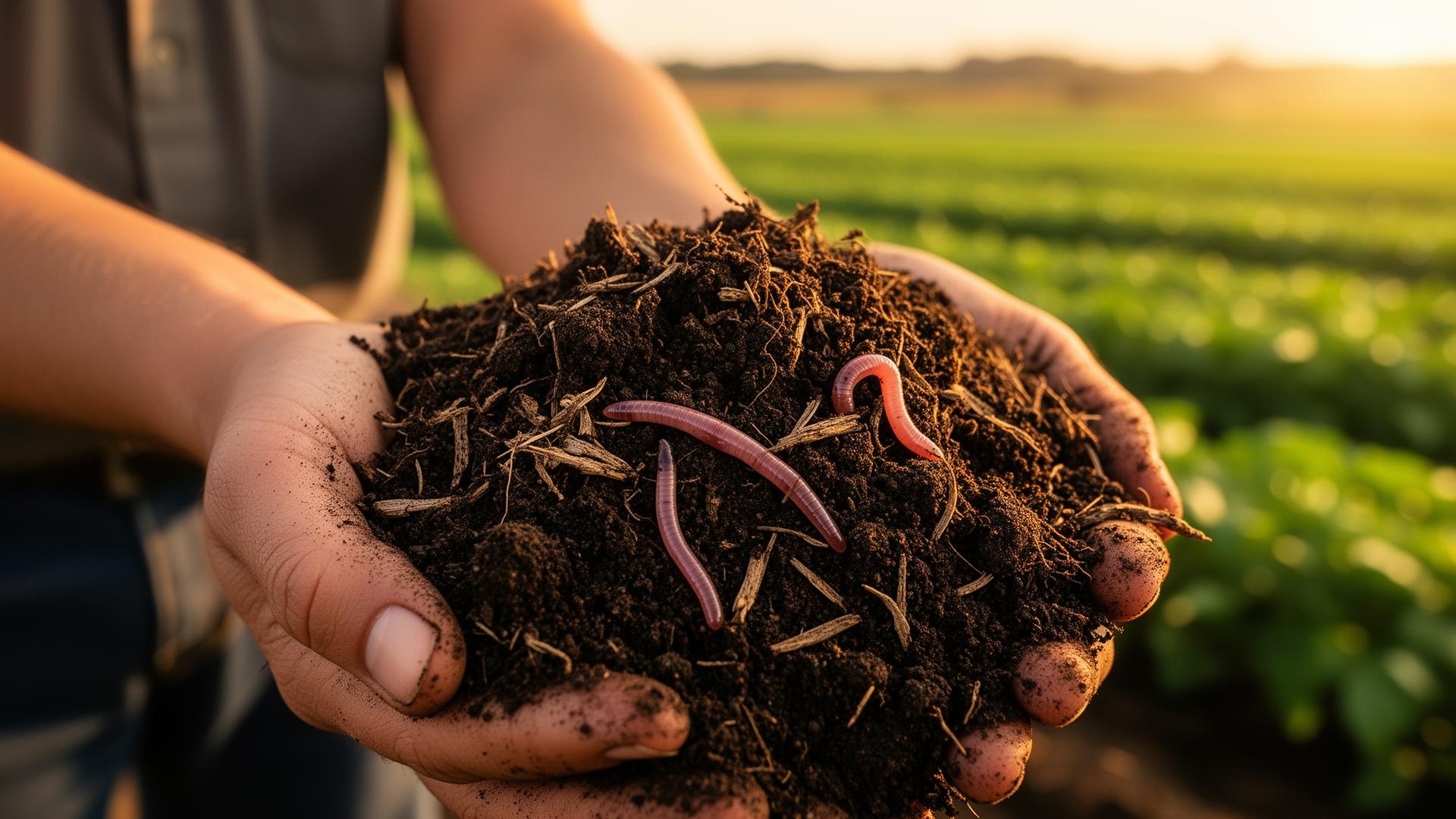
Visual Indicator: Rich, dark-colored soil with visible earthworms indicates healthy organic content. Pale, grayish soil often lacks organic matter.
3. Drainage and Water Retention
Proper drainage is critical for septic systems, building foundations, and preventing waterlogging. You can perform a simple drainage test by digging a 12-inch deep hole, filling it with water, and timing how long it takes to drain.
4. Soil Compaction
Compacted soil restricts root growth, limits water infiltration, and can indicate previous heavy equipment use or overgrazing. Test by pushing a wire flag or thin rod into moist soil—it should penetrate easily to at least 12 inches.
Red flags: Soil that forms a hard crust when dry, visible hardpan layers, or areas where water pools after rain may indicate compaction issues requiring remediation through deep tillage or cover cropping.
Professional Soil Testing: When and How
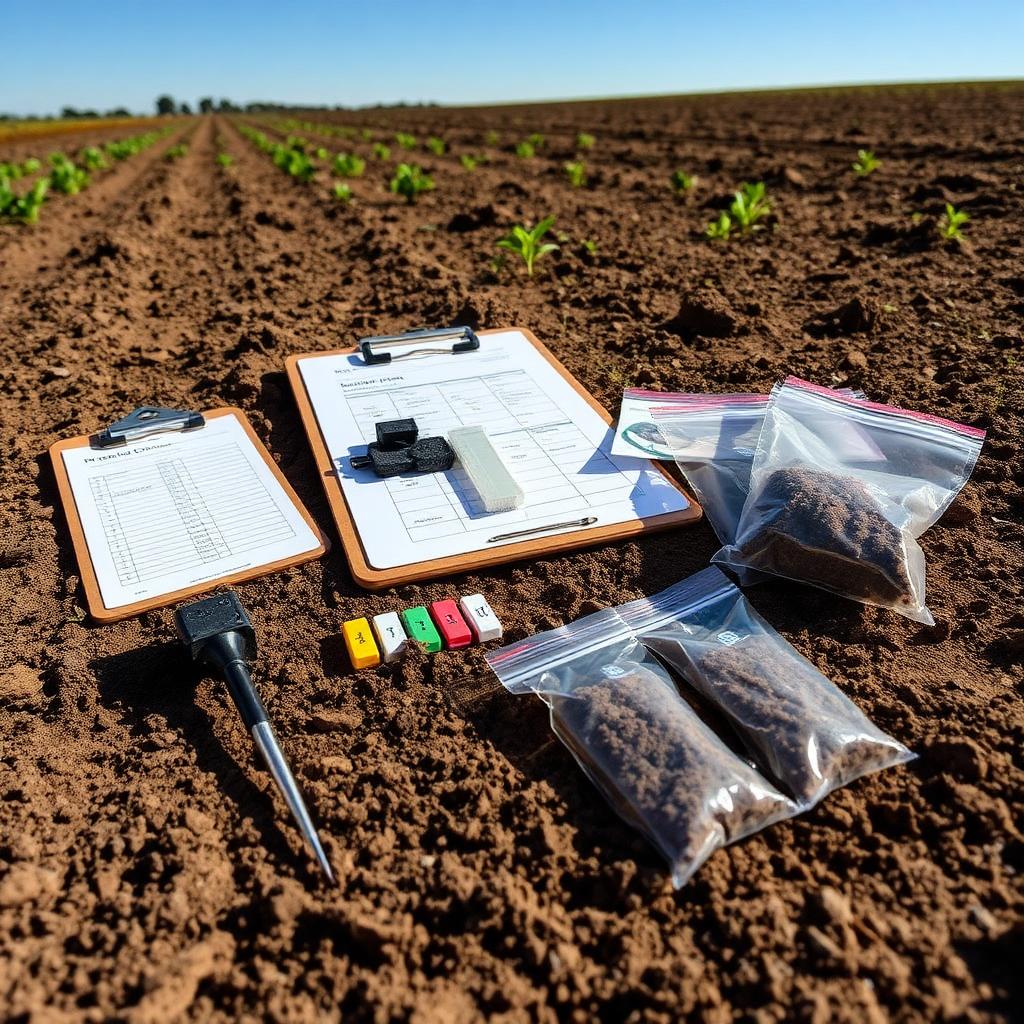
While visual assessment and simple tests provide valuable insights, professional soil testing from your county extension office or a certified laboratory gives you the complete picture. Most tests cost between $20-75 and provide detailed analysis of:
- pH levels (acidity/alkalinity)
- Nitrogen, phosphorus, potassium (N-P-K)
- Organic matter percentage
- Micronutrients (calcium, magnesium, sulfur)
- Soil texture classification
- Cation exchange capacity (CEC)
- Heavy metal contamination
- Amendment recommendations
Collecting Proper Soil Samples
For accurate results, collect samples from multiple locations across the property. Take samples from 6-8 inches deep, avoiding unusual spots like old burn piles or animal feeding areas. Mix samples from similar areas (e.g., all pasture land) into one composite sample.
Request a perc test if you plan to install a septic system—this specialized test determines if the soil can properly filter wastewater.
Free Resources: USDA Web Soil Survey
Before visiting a property, you can research its soil composition for free using the USDA Web Soil Survey. This tool provides detailed soil maps and data for nearly every parcel in the United States, including:
- •Soil classification and parent material
- •Drainage class and water table depth
- •Farmland classification and productivity ratings
- •Building site development limitations
- •Septic system suitability ratings
This preliminary research helps you identify potential issues before scheduling property visits, saving time and helping you make informed decisions about which properties warrant further investigation.
Red Flags: Soil Problems That Should Concern You
Indicates poor drainage and potential flooding issues
Sign of poor aeration and seasonal high water table
Indicates salinity problems that inhibit plant growth
May indicate contamination from previous land use
May fail perc tests and cause foundation problems
Indicates soil loss and potential slope instability
Related Land Buying Resources
Assessing soil quality is just one part of due diligence when buying rural property. For more comprehensive guidance, explore our other resources:
Final Thoughts: Don't Skip the Soil Assessment
Taking time to properly assess soil quality before buying rural property is one of the smartest investments you can make as a land buyer. The cost of professional soil testing is minimal compared to the expense of dealing with drainage problems, failed septic systems, or unproductive farmland after purchase.
Remember that soil conditions can vary significantly across a single property, so sample and test multiple areas if you have specific use cases in mind. What works for one corner of the land may not work for another.
Whether you're buying land to build your dream home, start a homestead, or invest for the future, understanding what's beneath your feet gives you the knowledge to make confident decisions and negotiate fairly.
Own Land You No Longer Want?
If you're looking to sell land fast, PlaceAcre buys rural property in any condition—regardless of soil quality. Get a fair cash offer with no fees, no commissions, and close on your timeline.