
Lauderdale County, Tennessee
Sell Lauderdale County, Tennessee Land, Farms & Ranches Fast
From Ripley, the county seat, out to Henning, Halls, and Gates, Lauderdale County is Mississippi River bottomland row-crop country — cotton ground for more than a century, now diversified into soybeans, corn, and wheat. Between the fields you'll find hardwood bottomland timber and some of the best duck- and deer-hunting tracts on the Mississippi Flyway. If you're ready to sell, PlaceAcre gives you a cash offer in 24–48 hours — no agents, no fees, no repairs.
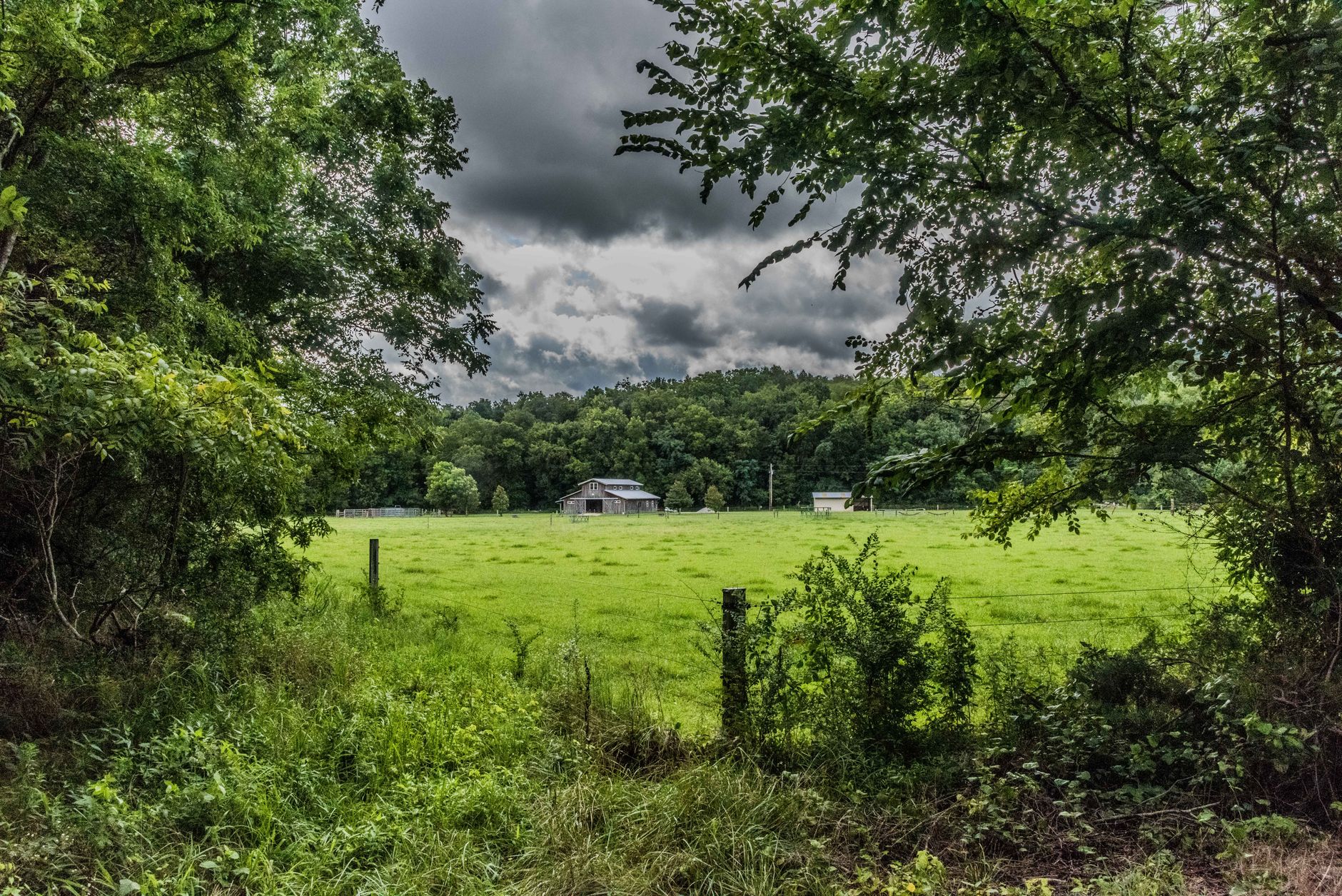
Rural West Tennessee farmland near the Mississippi River, golden hour.
Call or text us today: 830-500-5118
Get Your Cash OfferWhy We Buy Lauderdale County Property
Lauderdale County sits in the West Tennessee Coastal Plain along the Mississippi River, covering 471.9 square miles of land area (U.S. Census Bureau QuickFacts, 2020) made up of river-bottom farmland, oxbow lakes, and hardwood bottomland forest. The county was carved out of Tipton, Dyer, and Haywood counties in November 1835, and the shape of that farming economy hasn't changed much since — flat, productive ground running west toward the river.
Cotton dominated the county's economy for over a century. Today the mix has diversified into soybeans, corn, wheat, and poultry operations, alongside strong recreational demand for Mississippi Flyway duck- and deer-hunting land drawn to the county's oxbow lakes and river bottoms. That gives us two active buyer pools for nearly every tract here — working farm ground and recreational acreage — which is exactly why we buy directly and in cash across the county.
Why Landowners Choose Us in Lauderdale County
Fair Cash Offers
A real written number on your parcel. Soil productivity on river-bottom row crop, drainage and levee protection, road access, and hunting value all factor in.
No Fees or Commissions
No agent commission, no listing costs, no repair requests. PlaceAcre covers standard closing costs on a direct cash purchase.
Any Condition Welcome
Flood-prone bottoms, grown-up fields, tired poultry houses, or back tracts with no road frontage. We buy river-bottom and row-crop ground exactly as it sits.
Types of Lauderdale County Land We Buy
Mississippi River Bottomland & Row-Crop Acreage
Soybean, corn, wheat, and cotton ground in the river bottoms — farmed yourself or cash-leased to a neighbor.
Duck & Deer Hunting Tracts (Mississippi Flyway)
Flooded timber, oxbow-lake frontage, and river-bottom deer ground, with or without blinds, pits, and leases.
Inherited & Heirs' Land
Family ground split among several heirs, often out of state, with or without probate wrapped up.
Tax-Delinquent or Distressed Land
Back taxes, liens, or years of deferred upkeep. We can usually clear it out of the sale proceeds at closing.
Poultry Farm Operations & Outbuildings
Active or shuttered poultry houses, equipment sheds, and the acreage they sit on.
Small Acreage & Rural Homesites
A few acres outside Ripley, Halls, Gates, or Henning — vacant lots and homesite tracts included.
Lauderdale County Land Market in 2026
The most useful numbers for a Lauderdale County seller are county-level listing data. Current LandWatch listings for the county show farmland averaging roughly $3,720 per acre, with river-bottom cropland running from about $3,200 per acre for large unimproved Mississippi River-frontage tracts up to roughly $6,300 per acre for smaller income-producing farms near Ripley. Treat that as active-listing data, not closed-sale comps — publicly available closed-sale data isn't published at the county level here, so asking prices are the best transparent benchmark we have.
For broader context, Tennessee's statewide average cropland value reached roughly $6,400–$6,500 per acre in USDA NASS's 2026 Land Values Summary. That is a statewide figure, not a Lauderdale-County-specific one. On the listing evidence above, the county appears to trade at a meaningful discount to the state average — plausibly reflecting river-bottom flood risk, levee and drainage variability, and access factors that don't apply to Middle Tennessee cropland.
What that means in practice: two tracts a mile apart in this county can price very differently depending on flood history, whether the ground is protected, road frontage, tract size, and whether it carries hunting value on top of farm income. For a free estimate on your specific parcel, try our Land Value Calculator, or request a cash offer for a firm written number.
How the Process Works in Tennessee
Deed Type
Tennessee land sales typically convey by General Warranty Deed, which warrants clear title back through the full chain of ownership.
Where Closings Happen
Tennessee is commonly a "closing attorney or title company" state — closings are typically handled by a closing attorney or licensed title company rather than always requiring an attorney at the table, though many sellers still use one for a title opinion.
Typical Close Timeline
A cash land sale can typically close in roughly 2-4 weeks once title work is complete.
How Funds Are Disbursed
Proceeds are disbursed via wire transfer or certified check at closing, through the title company's or attorney's trust/escrow account, with the deed recorded at the Lauderdale County Register of Deeds.
General information only — not legal advice. Closing customs vary by transaction, so talk to a local Lauderdale County closing attorney about the specifics of your sale.
Lauderdale County by the Numbers
Source: U.S. Census Bureau QuickFacts
25,143
Population (2020 Census) — 24,617 as of the 2025 estimate
471.9
Square Miles (land area)
$143,200
Median Home Value
39.2
Median Age (years)
What Tennessee Landowners Say
"I wanted out of a row-crop tract before planting season and didn't want it sitting on the market. They had a number to me the next day and we closed without a single headache."
— Bobby T., Ripley-area row-crop farmer
"The bottomland came to us through my father's estate and none of us live close enough to keep it up. No repairs, no listing, no waiting — they bought it the way it was."
— Carla M., Mississippi River bottomland heir near Henning
Fascinating Facts About Lauderdale County
Alex Haley's Boyhood Home
Author Alex Haley, who wrote "Roots," spent his boyhood in Henning with his grandparents from 1921 to 1929. His boyhood home is preserved today as the Alex Haley State Historic Site and Museum.
Fort Pillow
Fort Pillow, on the Mississippi River bluffs in the county, was the site of the April 12, 1864 Battle of Fort Pillow, one of the Civil War's most contested engagements. The site is preserved today as Fort Pillow State Historic Park.
The Tomato Festival
Ripley hosts the annual Lauderdale County Tomato Festival every second Friday and Saturday of July, celebrating the county's noted "Ripley tomato" crop. The festival has run since 1984.
Named for a Battle of New Orleans Officer
The county is named for Lt. Col. James Lauderdale, the highest-ranking Tennessean killed at the 1815 Battle of New Orleans. His brother, William Lauderdale, is the namesake of an entirely different place — Fort Lauderdale, Florida.
Lauderdale County Land Selling FAQ
How fast can I sell my Lauderdale County land?
Most sellers have a written cash offer within 24-48 hours of reaching out, and a clean cash sale typically closes in as little as 2-4 weeks once title work is complete.
Do you buy farms and row-crop land in Lauderdale County?
Yes — Mississippi River bottomland, soybean, corn, wheat, and cotton ground, hardwood bottomland tracts, and poultry operations with outbuildings. Leased-out farm ground is fine too.
What's my Lauderdale County land worth?
Current LandWatch listings in the county run roughly $3,200 per acre for large unimproved Mississippi River-frontage tracts up to about $6,300 per acre for smaller income-producing farms near Ripley, averaging around $3,720 per acre. That is active-listing data, not closed-sale comps. Our free Land Value Calculator is a good starting point, and we'll give you a firm written number on your specific parcel.
Do you pay closing costs?
Yes — PlaceAcre covers standard closing costs on the offers we make, so the number you agree to is the number you're working from.
Do you buy land with back taxes or tax liens?
Yes. Delinquent taxes and most liens can usually be paid off out of the sale proceeds at closing, so the purchase itself clears them rather than requiring you to pay up front.
Do you buy hunting land along the Mississippi Flyway?
Yes — duck and deer tracts near the river, the oxbow lakes, and the hardwood bottoms are some of the most in-demand ground in the county, and we buy them with or without blinds, pits, or leases in place.
Where We Buy Land in Lauderdale County
Communities we serve: Ripley, Henning, Halls, Gates, and Curve.
Get Your Cash Offer Today
No agents, no fees, no repairs. Just a fair, direct offer on your Lauderdale County land.
Get Your Cash OfferTell Us About Your Lauderdale County Land
Fill out the form — we'll follow up within 24-48 hours with a written cash offer.
Get Your Free Cash Offer
Fill out the form below and receive a no-obligation offer within 24 hours