60,000+
Acres Protected
$250M+
Invested in Conservation
20+ Years
Conservation Commitment
While millions know Tim Sweeney as the billionaire founder of Epic Games—the company behind Fortnite and Unreal Engine—fewer realize he's also quietly become one of North Carolina's largest private landowners. Since the early 2000s, the Epic Games CEO has assembled a conservation empire spanning more than 60,000 acres across the state, making him one of the region's most significant private forest conservationists.
The Silent Guardian of Appalachia
Unlike many high-profile philanthropists who seek public recognition, Sweeney's conservation work has operated largely under the radar. Since the early 2000s, he has been quietly purchasing pristine mountain properties throughout western North Carolina, particularly in the Appalachian highlands. These aren't just any parcels—they're ecologically critical tracts featuring old-growth forests, mountain streams, and habitats for endangered species.
His holdings stretch across multiple counties, with significant concentrations in Alamance, Orange, and the mountainous western regions. Each property is carefully selected for its ecological value, biodiversity, and potential for long-term preservation. According to The Nature Conservancy, North Carolina has lost over 13 million acres of forestland to development since 1990, making Sweeney's efforts increasingly critical.

Ancient forests like these are the focus of Sweeney's conservation efforts
What sets Sweeney apart from other wealthy landowners is his commitment to permanent protection. Rather than holding land for investment or personal use, he partners with conservation organizations to establish conservation easements—legal agreements that restrict future development while maintaining private ownership. This approach ensures that these forests will remain wild long after he's gone.
Why Forests Matter: The Economics of Conservation
Sweeney's conservation philosophy reflects a growing understanding among scientists and economists: intact forests provide enormous economic value beyond timber. These ecosystems filter water, prevent erosion, sequester carbon, support biodiversity, and provide recreational opportunities worth billions annually.
North Carolina's mountain forests are particularly valuable. They serve as the headwaters for countless streams and rivers, providing drinking water for millions of people. They're also home to extraordinary biodiversity—the southern Appalachians harbor more salamander species than anywhere else on Earth and contain some of the continent's oldest trees.
The Land Market Context
For landowners looking to sell vacant land in North Carolina, Sweeney's acquisitions have had an interesting effect on the market. His willingness to pay fair market value for conservation properties has helped establish price floors in certain areas, while simultaneously demonstrating that land can have value beyond development potential.
A Personal Mission Born from Childhood
Sweeney's conservation passion stems from his childhood experiences exploring the forests around his Maryland home. In interviews, he's described the profound impact of watching woodlands disappear to suburban development during his youth. This early loss instilled a determination to prevent similar destruction elsewhere.
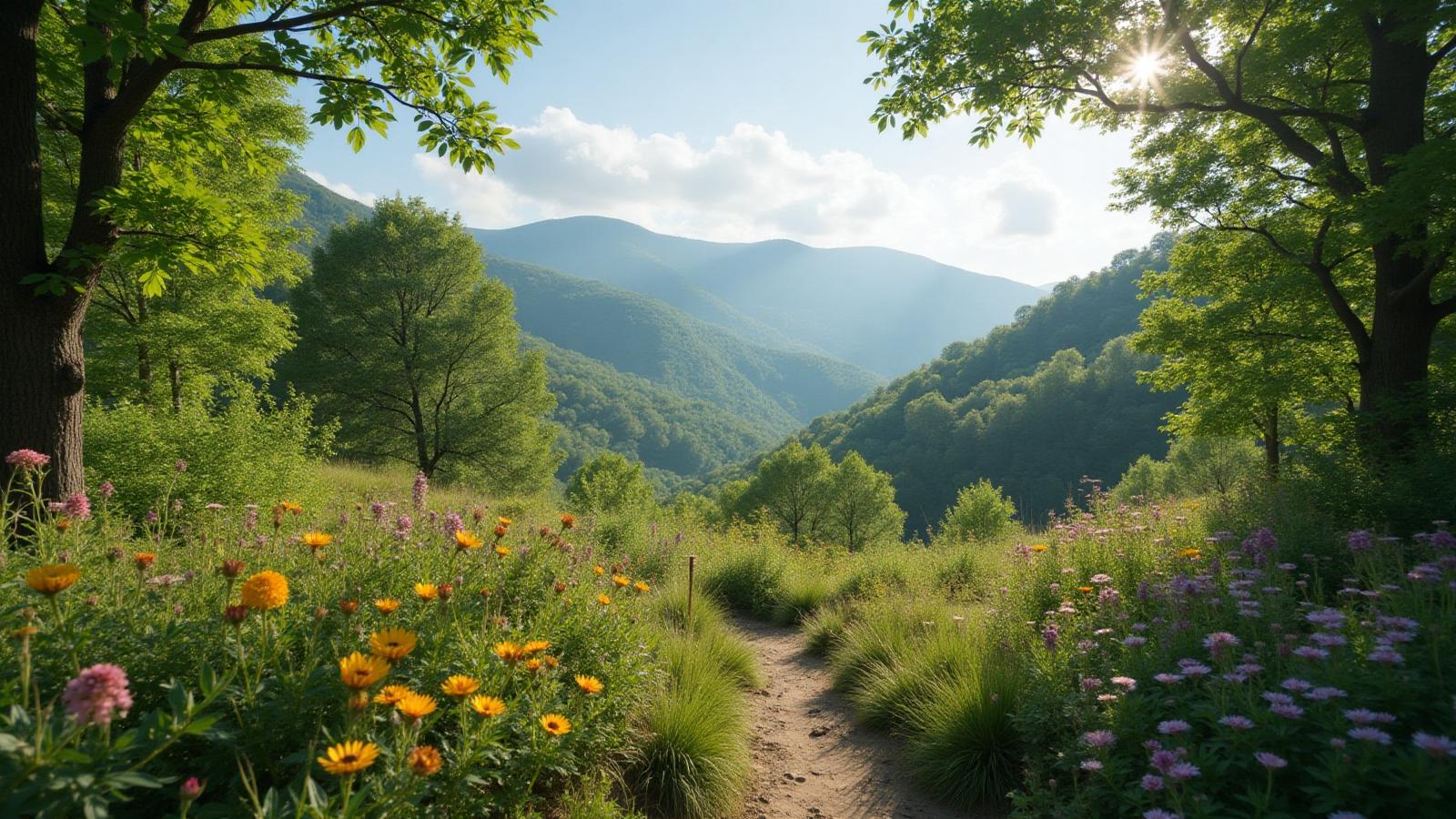
Sweeney's protected lands remain accessible for low-impact recreational use
When Epic Games' success provided him with substantial wealth, Sweeney saw an opportunity to make a difference. Rather than following the typical billionaire playbook of establishing a high-profile foundation, he took a more direct approach: buying land himself and working with trusted conservation partners to protect it permanently.
His strategy focuses on creating large, contiguous protected areas rather than scattered parcels. This approach, known as landscape-scale conservation, is more effective at protecting biodiversity and ecosystem functions. By connecting his holdings with existing public lands and other conservation areas, Sweeney is helping to build wildlife corridors essential for species survival in a warming climate.
Impact on Local Communities and Landowners
Sweeney's land acquisitions have had mixed effects on local communities. On one hand, his conservation easements ensure these forests remain open for public recreation, providing hiking, hunting, and fishing opportunities. The protected lands also support rural economies through ecotourism and maintain the scenic character that attracts residents and visitors.
On the other hand, some rural counties have expressed concerns about lost tax revenue and reduced development opportunities. However, studies consistently show that protected natural areas often provide greater long-term economic benefits than alternative land uses, particularly in regions dependent on tourism and outdoor recreation.
For property owners considering whether to sell land fast in these areas, Sweeney's model offers an alternative to traditional development. Conservation buyers increasingly seek properties with ecological value, creating a market for landowners who want to see their property preserved rather than subdivided.
A Model for Private Conservation
Sweeney's approach represents a growing trend of wealthy individuals using private funds for conservation. Unlike government programs that face political uncertainties and budget constraints, private conservation can move quickly and maintain long-term commitments. However, it also raises questions about democratic control of natural resources and the role of billionaires in shaping landscapes.
Critics argue that private conservation shouldn't replace public funding for land protection, and they're right. But in an era of limited government resources, private efforts like Sweeney's fill a critical gap. His partnerships with established conservation organizations also ensure professional management and public oversight.
What makes Sweeney's work particularly impressive is its scale and permanence. By establishing conservation easements rather than simply holding land personally, he's ensuring these forests will remain protected regardless of future ownership changes. This legacy approach sets a powerful example for other wealthy individuals considering how to use their resources for lasting impact.
The Future of Forest Conservation
As climate change accelerates and development pressures intensify, Sweeney's conservation work becomes increasingly vital. Scientists project that protected areas will be crucial for helping species adapt to changing conditions, providing climate refugia where ecosystems can persist even as surrounding landscapes transform.
North Carolina's forests also play an important role in carbon sequestration. A single acre of mature forest can store over 100 tons of carbon—making Sweeney's 60,000+ protected acres a significant climate asset. As carbon markets develop, these conservation lands may generate additional value through carbon credits, creating financial models that support further protection.
Perhaps most importantly, Sweeney's work demonstrates that business success and environmental stewardship aren't mutually exclusive. The same innovative thinking that built Epic Games into a gaming powerhouse can be applied to conservation challenges. His model shows that private wealth, when deployed strategically and in partnership with conservation experts, can achieve remarkable results.
Frequently Asked Questions About Tim Sweeney's Conservation Efforts
Related Conservation Stories
Tim Sweeney's massive land conservation push represents more than just one billionaire's pet project. It's a blueprint for how private individuals can make lasting contributions to environmental protection, a demonstration of landscape-scale conservation in action, and a powerful reminder that some things—like ancient forests and pristine watersheds—are too valuable to lose.
As North Carolina continues to grow and develop, Sweeney's protected lands will become increasingly precious—islands of wilderness in a sea of suburban sprawl. Future generations will benefit from his foresight, just as we benefit today from the conservation efforts of previous generations. In the game of conservation, Tim Sweeney is playing the long game, and North Carolina's forests are all the better for it.
Own Land in North Carolina?
Whether you're interested in conservation options or simply want to sell your property quickly for cash, we can help. Get a fair, no-obligation offer within 24-48 hours.
Get Your Cash Offer Today