
Trump's National Farm Security Action Plan Targets Chinese Farmland Grab – Could This Be the End of Foreign Adversary Land Deals?
New executive action aims to restrict foreign adversary agricultural land purchases, with immediate implications for Chinese-owned farmland across America
Key Highlights
- Executive action targets land purchases by China, Russia, Iran, and North Korea entities
- Immediate freeze on pending transactions involving foreign adversary nations
- Review process for existing foreign-owned agricultural holdings near military installations
- Landowners with foreign ties may face divestment requirements within 24 months
In a sweeping move that could fundamentally reshape foreign investment in American agriculture, the Trump administration has unveiled the National Farm Security Action Plan—an executive order specifically targeting land acquisitions by foreign adversary nations, with particular emphasis on Chinese-controlled entities. The announcement, made at a press conference at the Department of Agriculture headquarters, signals what administration officials are calling "the most significant agricultural sovereignty protection measure in decades."
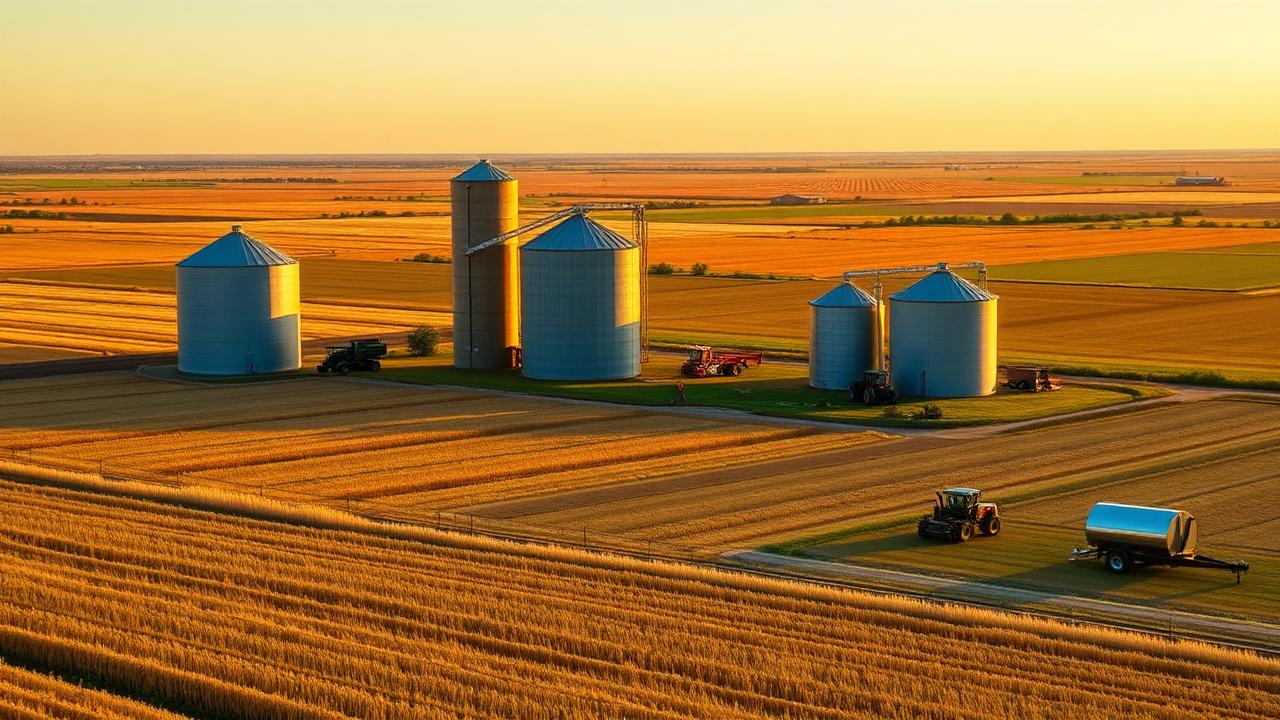
The American agricultural heartland faces new scrutiny over foreign ownership patterns
The Scale of Foreign Agricultural Investment
According to the latest data from the U.S. Department of Agriculture , foreign entities currently control approximately 40 million acres of U.S. agricultural land—roughly 3.1% of all privately held agricultural land in the country. Chinese investors alone have increased their holdings from less than 14,000 acres in 2010 to over 384,000 acres as of 2023, according to USDA's Agricultural Foreign Investment Disclosure Act (AFIDA) reports.
Foreign Farmland Ownership by the Numbers
40M+
Total acres foreign-owned
384K+
Chinese-owned acres (2023)
2,700%
Increase since 2010
17 States
With Chinese farmland holdings
The National Farm Security Action Plan establishes a multi-agency task force led by the Committee on Foreign Investment in the United States (CFIUS) to review and potentially block agricultural land transactions involving entities from designated foreign adversary nations. The order specifically names China, Russia, Iran, and North Korea as countries of primary concern, citing national security risks related to food supply chains, proximity to military installations, and potential for economic coercion.
What the Plan Actually Does
The executive action introduces several concrete measures that will take effect immediately:
Transaction Freeze
All pending agricultural land purchases by entities with 25% or greater ownership from foreign adversary nations are immediately frozen pending national security review. This includes both direct purchases and indirect acquisitions through subsidiary companies.
Proximity Restrictions
New purchases within a 100-mile radius of military installations, critical infrastructure, or sensitive government facilities are prohibited. Existing holdings in these zones must undergo mandatory security review.
Divestment Requirements
Properties deemed to pose national security risks must be divested within 24 months. The federal government retains first right of refusal on these properties, though administration officials indicated preference for sale to American farmers and agricultural companies.
Enhanced Disclosure
Stricter reporting requirements under AFIDA, including beneficial ownership disclosure and annual compliance certifications. Penalties for non-compliance increase from civil fines to potential criminal prosecution.

Foreign agricultural investment faces unprecedented federal scrutiny
Industry and Political Reactions
Response to the National Farm Security Action Plan has been sharply divided along predictable lines. Agricultural trade associations have expressed concerns about potential retaliatory measures from China, which remains one of the largest export markets for American agricultural products. The American Farm Bureau Federation issued a cautious statement acknowledging national security concerns while warning against "precipitous actions that could harm farm income and export markets."
National security hawks in Congress have largely praised the initiative. Senator Tom Cotton (R-AR), who has been a vocal advocate for restricting foreign adversary land purchases, called it "long overdue protection for American agricultural sovereignty." Representative Dan Newhouse (R-WA), who sponsored similar legislation in the House, stated that the executive action "sends a clear message that American farmland is not for sale to hostile foreign powers."
Critics, including some agricultural economists and international trade experts, argue that the plan could set a concerning precedent for reciprocal restrictions on American agricultural investments abroad. The USDA Economic Research Service has documented substantial U.S. agricultural holdings in other countries, and officials worry about potential retaliation affecting these assets.
Implications for Landowners
For American landowners, particularly those in rural communities that have seen increased foreign investment interest, the National Farm Security Action Plan creates both opportunities and complications. Properties previously marketed to international buyers may see reduced competition, potentially affecting sale prices in the short term. However, administration officials argue that long-term effects will be positive, preventing artificial price inflation driven by foreign capital seeking safe haven assets rather than productive agricultural use.
Landowners currently engaged in lease agreements with foreign-owned entities face particular uncertainty. The executive order includes provisions requiring disclosure of all leasing arrangements with foreign adversary-linked companies, and some agricultural leases may be subject to review and potential termination if deemed to pose national security risks.
For those looking to sell vacant land quickly, the new restrictions may actually accelerate decision-making among domestic buyers, who now face less competition from well-capitalized foreign purchasers. Real estate professionals specializing in agricultural properties report receiving inquiries from American investment groups seeking to acquire properties before foreign entities potentially divest under the new rules.
Expert Analysis: What This Means for Rural Land Markets
Agricultural economist Dr. Sarah Mitchell of Iowa State University notes: "We're entering unprecedented territory in terms of federal involvement in agricultural land markets. While national security concerns are legitimate, the secondary effects on land values, particularly in states with significant foreign investment, remain unclear. Landowners should expect a transitional period of market uncertainty before new pricing equilibriums emerge."
Real estate analysts predict increased interest from domestic agricultural REITs and pension funds looking to acquire properties potentially divested by foreign entities, which could partially offset downward price pressure from reduced buyer competition.
State-Level Actions and Coordination
The federal action comes as numerous states have already implemented or are considering their own restrictions on foreign agricultural land ownership. According to the National Conference of State Legislatures , at least 24 states currently have laws restricting foreign ownership of agricultural land, though enforcement has historically been inconsistent.
States like Texas, Arkansas, and North Dakota have passed some of the most restrictive measures, with outright bans on land purchases by entities from designated countries. The National Farm Security Action Plan establishes coordination mechanisms between federal and state enforcement agencies, potentially giving new teeth to previously underenforced state-level restrictions.
Looking Ahead: Legal Challenges and Implementation
Legal experts anticipate significant court challenges to the executive action. Constitutional questions regarding executive authority over private property rights, as well as potential conflicts with international trade agreements, are likely to be litigated extensively. The American Civil Liberties Union has already indicated it is reviewing the order for potential discrimination concerns, particularly regarding provisions that could affect American citizens with familial or business ties to designated countries.
Implementation timelines remain unclear for many provisions. While the transaction freeze takes effect immediately, the broader review process for existing holdings could take years to complete, creating prolonged uncertainty for affected landowners and foreign investors alike.
The agriculture industry will be watching closely to see whether the plan triggers the anticipated retaliatory measures from China, which could significantly impact American agricultural exports. U.S. agricultural exports to China totaled approximately $32 billion in 2024, making trade relationship stability a critical concern for farm state economies.
Conclusion: A New Era in Agricultural Land Policy
The National Farm Security Action Plan represents the most significant federal intervention in agricultural land markets since the Agricultural Foreign Investment Disclosure Act of 1978. Whether it proves to be effective policy or regulatory overreach will largely depend on implementation details still being developed by the inter-agency task force.
For landowners, particularly those in regions with significant foreign investment activity, the coming months will require careful attention to evolving regulations and market conditions. The policy shift may create both risks and opportunities, depending on individual circumstances and property characteristics.
As the debate over foreign ownership of American farmland continues to evolve, one thing is certain: the intersection of national security policy and agricultural land markets has never been more complex—or more consequential for rural America's economic future.