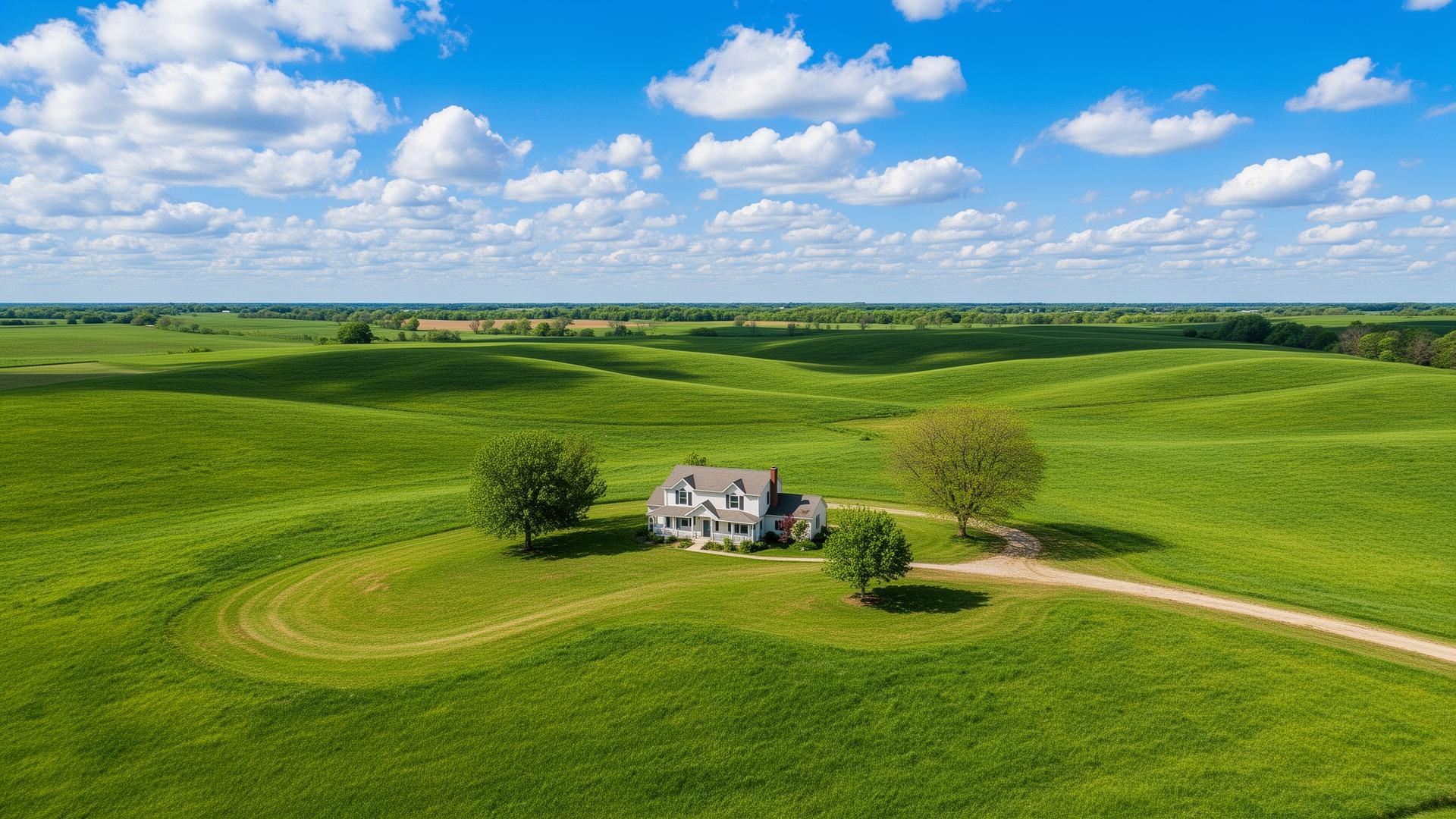
A seismic shift is underway in American real estate. While urban and coastal housing markets struggle under the weight of elevated interest rates and affordability concerns, a different story is unfolding across the heartland. Rural counties throughout the Midwest and South are experiencing a dramatic surge in home prices, driven by an unprecedented influx of remote workers, retiring baby boomers, and city dwellers seeking refuge from density, high costs, and the frenetic pace of metropolitan life.
The Numbers Tell the Story
According to recent analysis from Realtor.com , many non-metropolitan areas in states such as Missouri, Arkansas, Kentucky, Iowa, and Alabama have seen median home prices jump between 10% and 20% or more year-over-year—figures that often outpace national averages. In some of the hottest rural markets, bidding wars have become commonplace, and properties with significant acreage are selling within days of listing.
The U.S. Census Bureau has documented substantial net migration from metropolitan to non-metropolitan counties since 2020, reversing decades of urban-centric population growth. This demographic shift has created intense competition for a limited housing stock that was never designed to accommodate such demand.

Remote work has untethered millions of Americans from geographic constraints, enabling them to trade cramped urban apartments for spacious rural properties with dedicated home offices.
Who Is Driving the Rural Boom?
Remote Workers
Tech employees, consultants, and professionals who discovered during the pandemic that they could perform their jobs from anywhere with reliable internet. Many are trading $3,000/month urban rentals for mortgage payments half that size—with acreage included.
Retiring Baby Boomers
With the largest generation in American history entering retirement, many are cashing out expensive coastal homes and relocating to rural communities where their equity buys considerably more property, lower taxes, and a quieter pace of life.
First-Time Buyers
Young families priced out of metropolitan markets are increasingly looking to rural areas where they can actually afford to own land, build equity, and raise children in communities with lower crime rates and more affordable childcare.
"What we are witnessing is nothing short of a fundamental realignment of where Americans want to live," says Dr. Jessica Lautz, Deputy Chief Economist at the National Association of Realtors . "The pandemic accelerated trends that were already in motion, and the persistence of remote work has made rural living viable for demographics that never considered it before."
Hottest Rural Markets
Midwest Leaders
- Missouri Ozarks Region+18.2%
- Southeast Iowa Counties+15.7%
- Northern Indiana Lake Region+14.3%
Southern Leaders
- Arkansas River Valley+19.4%
- Eastern Kentucky+16.8%
- North Alabama+13.9%
These markets share common characteristics: relative affordability compared to national averages, access to natural amenities like lakes, forests, and mountains, improving broadband infrastructure, and proximity (within a few hours' drive) to major metropolitan areas for occasional in-person work or access to airports.
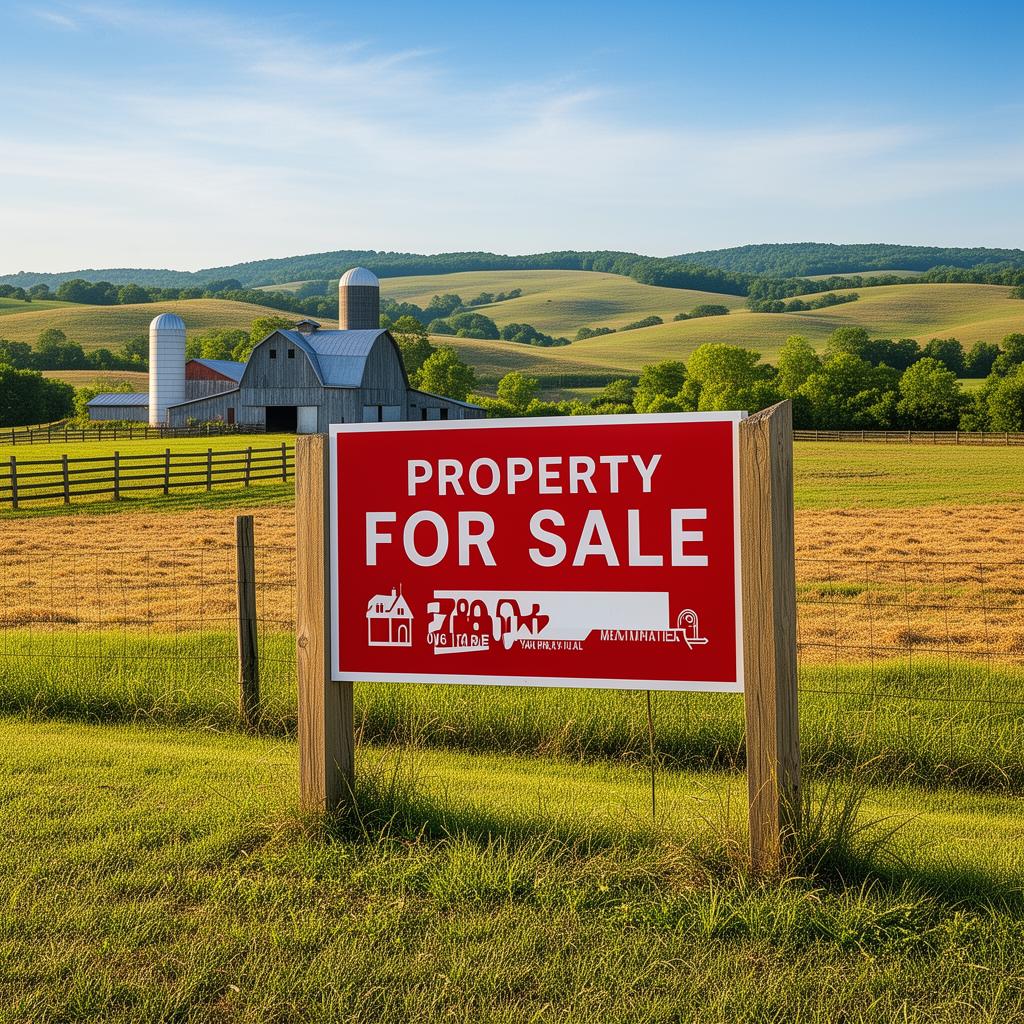
Properties with acreage are in particularly high demand, with many rural listings receiving multiple offers within days. Limited inventory has created seller-favorable conditions across the heartland.
The Inventory Crunch
Perhaps the most significant factor driving rural price appreciation is the severe shortage of available inventory. Unlike urban areas where developers can build high-density housing to meet demand, rural markets face unique constraints. Zoning regulations, septic system requirements, well water availability, and the sheer logistical challenges of building in remote areas mean that new construction cannot easily keep pace with surging buyer interest.
According to data from the National Association of Home Builders , new home construction in non-metropolitan areas has increased by only 8% since 2020, while demand has grown by an estimated 25-30%. This supply-demand imbalance has created a seller's market that shows few signs of cooling.
For landowners in these hot rural markets, the dynamics present a compelling opportunity. Those who have held land or property for years—whether inherited family farms, hunting tracts, or undeveloped parcels—are finding that their assets have appreciated substantially. Many are choosing to capitalize on this unprecedented demand by listing their properties or seeking direct cash offers from land buyers.
What This Means for Landowners
If you own rural land in the Midwest or South, whether it is a small homestead, timberland, pasture, or undeveloped acreage, current market conditions represent a potentially optimal time to explore your options. The combination of high demand, limited supply, and buyers willing to pay premium prices for properties with land creates favorable conditions for sellers.
Many rural landowners prefer to bypass the traditional real estate process entirely. Listing with agents means paying commissions of 5-6%, waiting months for the right buyer, and navigating inspections, appraisals, and financing contingencies that can delay or derail transactions. For those seeking a faster, simpler path, working with professional land buyers who can provide cash offers and close on flexible timelines has become an increasingly popular alternative.
If you are considering selling your rural property and want to understand its current market value, you can sell vacant land quickly through a streamlined process that eliminates the traditional hassles of real estate transactions.
Looking Ahead: A Lasting Shift?
Real estate economists are divided on whether the rural housing boom represents a temporary pandemic-era phenomenon or a more permanent restructuring of American settlement patterns. However, several factors suggest the trend has staying power.
First, remote work appears to be a permanent fixture of the American economy. Major employers including Amazon, Google, Microsoft, and countless smaller companies have adopted hybrid or fully remote policies that are unlikely to be reversed. Second, the millennial generation—now entering their prime home-buying years—has shown strong preferences for space, affordability, and lifestyle amenities over urban density.
Third, continued investment in rural broadband infrastructure, supported by billions of dollars in federal funding through the Internet for All initiative , is eliminating one of the historic barriers to rural living. As high-speed internet reaches more remote areas, the pool of potential rural residents will only expand.
For landowners, investors, and anyone paying attention to American real estate trends, the message is clear: rural America is no longer a backwater being left behind by the knowledge economy. It is increasingly where the knowledge economy's workers want to live—and they are willing to pay premium prices for the privilege.