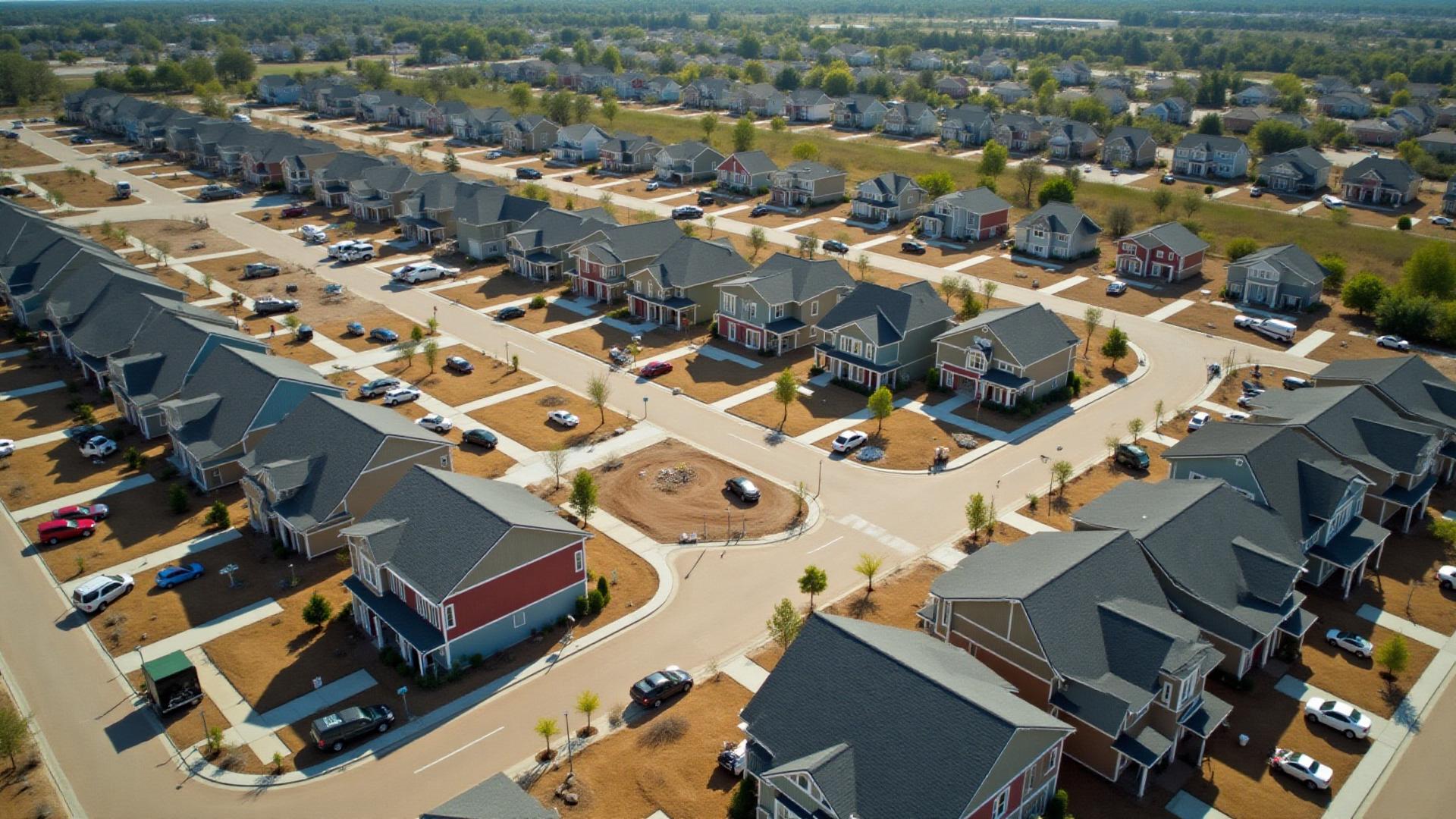
How Trump's Aggressive Immigration Policies Are Reshaping American Real Estate
From construction sites to farmland, the ripple effects of mass deportation policies are sending shockwaves through property markets nationwide.
As the Trump administration accelerates its promised mass deportation campaign, America's real estate markets are bracing for what economists warn could be a transformative—and potentially destabilizing—shift. The interconnected web of immigration, labor, and property values is being tested like never before, with consequences that will be felt from suburban subdivisions to rural farmland.
The administration's aggressive immigration enforcement, which officials say aims to remove millions of undocumented immigrants, is already sending ripples through industries that form the backbone of American real estate: construction, agriculture, and property maintenance. For landowners looking to sell vacant land or develop property, understanding these dynamics has become essential.
The Construction Labor Crisis
The construction industry, already grappling with a shortage of roughly 500,000 workers according to the Associated General Contractors of America, faces an existential threat from immigration crackdowns. Industry data indicates that approximately 30% of construction workers are foreign-born, with a significant portion lacking legal work authorization.
"We're looking at a scenario where home construction could slow dramatically," said one Texas homebuilder who requested anonymity due to the political sensitivity. "The workers who frame houses, pour foundations, and install drywall—many of them are the exact people being targeted."
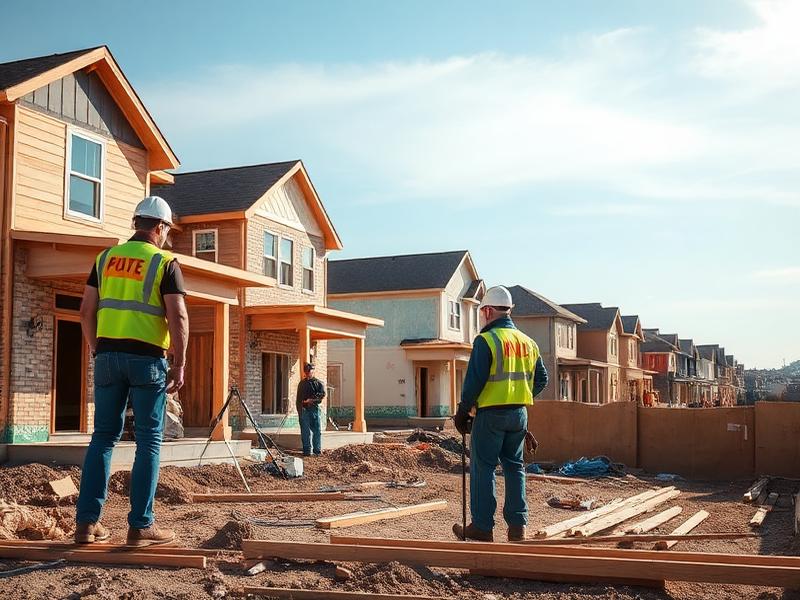
Construction sites across America face severe labor uncertainty as immigration enforcement intensifies.
Impact on Housing Costs
The National Association of Home Builders estimates that labor shortages could add $10,000 or more to the cost of each new home. With the median U.S. home price already exceeding $400,000, these additional costs would further strain affordability for first-time buyers and push homeownership further out of reach for middle-class families.
Agricultural Land Values at Risk
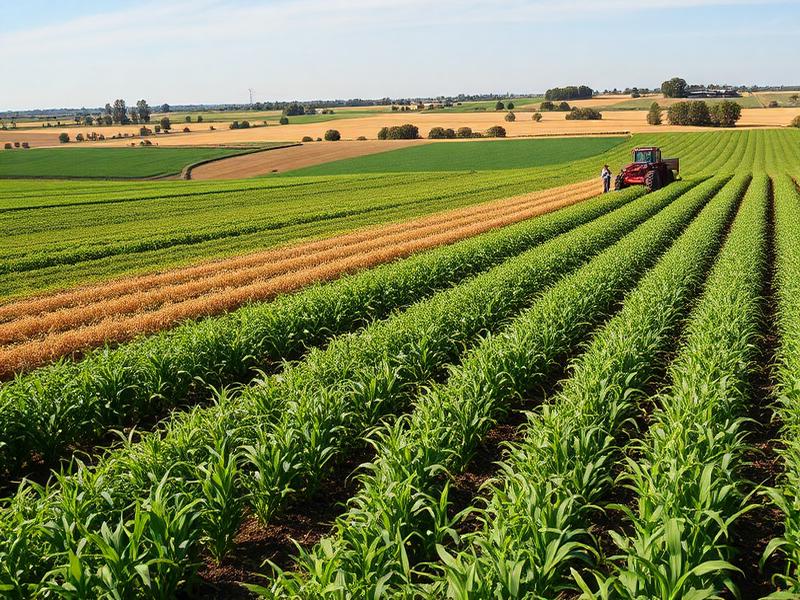
U.S. agriculture depends heavily on immigrant labor, particularly for labor-intensive crops.
The agricultural sector faces perhaps the most acute vulnerability. According to the U.S. Department of Agriculture, approximately 73% of farmworkers are foreign-born, and roughly half lack legal work authorization. These workers are concentrated in labor-intensive crops like fruits, vegetables, and dairy operations.
For landowners seeking to sell agricultural property in states like California, Texas, and Florida, the uncertainty is creating market hesitation. Buyers are questioning whether farmland can maintain its productive value without reliable access to labor.
"The value of agricultural land is fundamentally tied to its productivity," explains a California agricultural economist. "If you can't harvest crops because there's no one to pick them, that land becomes worth significantly less—regardless of soil quality or water rights."
This reality is already affecting land transactions. Some farm owners are choosing to sell their land quickly before potential value declines, while investors are becoming more cautious about agricultural acquisitions that depend on manual labor.
Regional Market Variations
The impact of immigration policy on real estate is not uniform across the country. Border states and regions with high immigrant populations face the most immediate disruption, while some interior markets may see minimal short-term effects.
High Impact
- • Texas border regions
- • California Central Valley
- • Florida agricultural areas
- • Arizona construction markets
- • Georgia poultry regions
Moderate Impact
- • North Carolina farms
- • Colorado construction
- • Nevada development
- • Washington agriculture
- • Illinois meatpacking regions
Lower Impact
- • Upper Midwest grain regions
- • Maine rural markets
- • Montana ranch land
- • Vermont dairy farms
- • Wyoming cattle operations
For those looking to sell land in Arizona or other high-impact states, timing and pricing strategy have become critical considerations. Markets that were once predictable are now subject to policy-driven volatility.
The Economic Paradox
Economists note a fundamental tension in the policy's approach to real estate markets. While the administration argues that removing undocumented workers will open jobs for American citizens and reduce competition for housing, the immediate economic reality suggests more complex outcomes.
Key Economic Tensions
Housing Supply Squeeze
Reduced construction labor means fewer new homes built, potentially worsening the existing housing shortage and driving prices higher—the opposite of making housing more affordable.
Rental Market Pressure
While some argue that deportations will reduce demand for rental housing, the supply-side construction slowdown may offset any demand reduction, keeping rents elevated.
Food Prices & Farm Values
Labor shortages in agriculture typically lead to higher food prices, which affects household budgets and can indirectly impact how much families can afford for housing.
Property Maintenance Costs
Landscaping, cleaning, and maintenance services heavily employ immigrant labor. Higher costs for these services affect both homeowners and commercial property operators.
Research from the Cato Institute and other think tanks suggests that immigrant workers contribute more to housing supply (through construction labor) than they add to housing demand, meaning their removal could actually increase, not decrease, housing costs.
What This Means for Landowners
For property owners across America, particularly those with vacant land or agricultural holdings, these policy shifts create both risks and opportunities that demand careful consideration.
Agricultural Land Valuation Risk
Farmland values could decline if labor shortages make operations unprofitable. Owners of labor-intensive agricultural land should carefully evaluate market timing.
Development Land Uncertainty
Land zoned for residential development may face extended timelines as builders struggle to staff projects. This uncertainty is reflected in slower appreciation rates.
Cash Buyer Advantage
In uncertain markets, cash buyers who can close quickly become more attractive. Sellers may benefit from working with professional land buyers rather than waiting for traditional market sales.
Looking Ahead
The full impact of current immigration policies on American real estate will unfold over months and years, not days and weeks. What's clear is that the interconnected nature of labor markets, housing supply, and property values means that policy decisions in one domain inevitably affect the others.
For landowners navigating this uncertainty, staying informed and maintaining flexibility is essential. Whether you're looking to hold, develop, or sell property, the policy environment demands active monitoring and strategic planning.
PlaceAcre continues to monitor policy developments and their impact on land markets nationwide. For landowners considering their options, our team provides fair cash offers regardless of market conditions.