
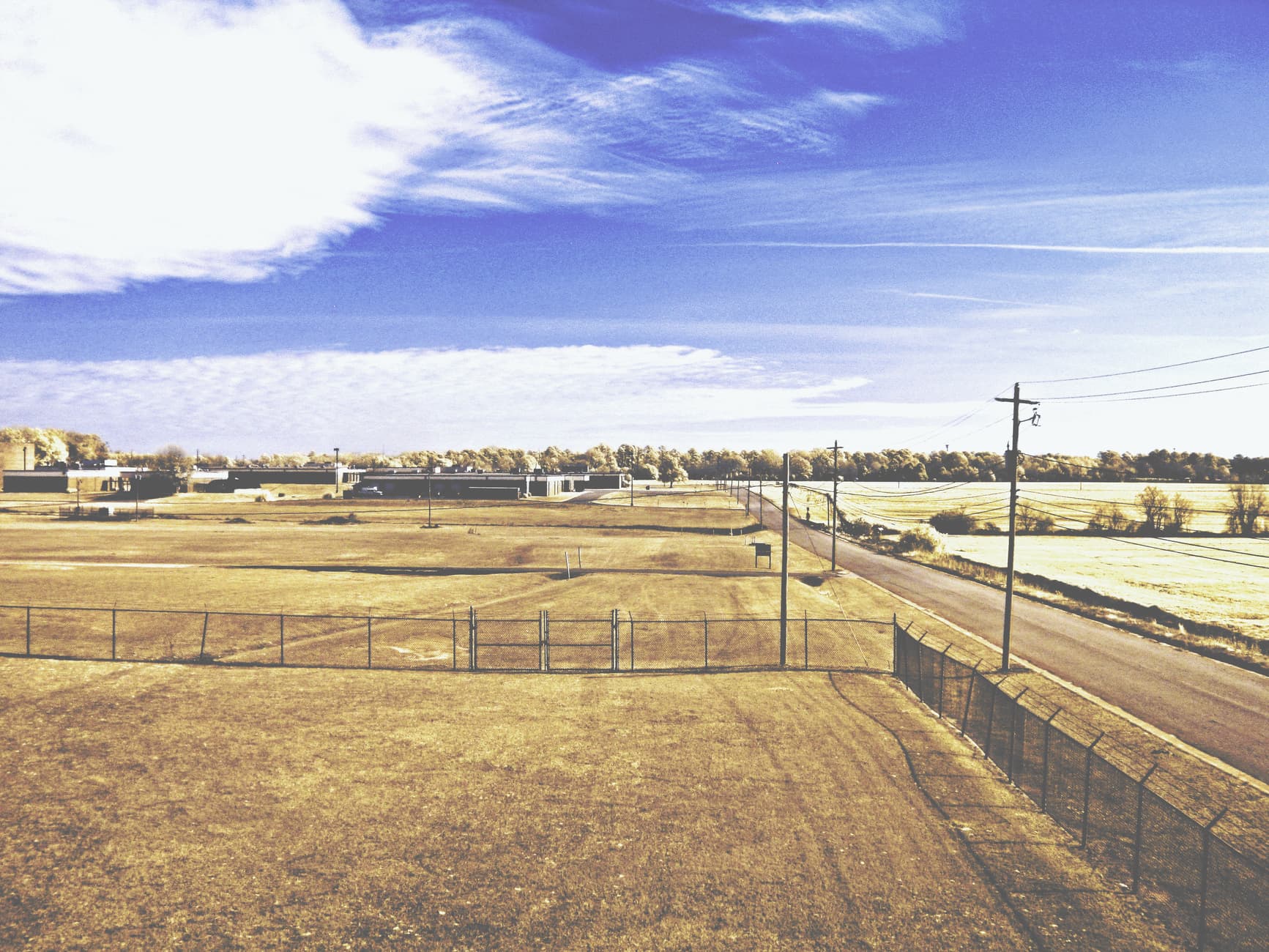
Lee County, Georgia
Sell Lee County, Georgia Land, Farms & Ranches Fast
From Leesburg — the county seat — out to Smithville and the unincorporated community of Palmyra, Lee County is southwest Georgia Coastal Plain peanut-and-cotton row-crop country that has also become one of the fastest-growing bedroom communities on Albany's northern edge. If you own acreage here, PlaceAcre buys it directly, with a cash offer in 24 hours — no agents, no fees, no repairs.
Peanut and cotton row-crop farmland in southwest Georgia's Coastal Plain.
Call or Text Us: 830-500-5118
Talk to a real person about your Lee County acreage — no pressure, no obligation.
Why We Buy Lee County Property
Lee County sits in Georgia's Coastal Plain along the Flint River system, forming the fast-growing northern fringe of the Albany metro area. The terrain is flat to gently rolling, and the deep, aquifer-fed sandy loam soils here are exactly what makes this strong peanut and cotton country — with center-pivot irrigation drawing from the same groundwater that feeds the Flint.
That combination pulls two very different buyer pools. Row-crop investors want in on the peanut-and-cotton belt — Georgia grows nearly half of the nation's peanut crop — while rural-residential buyers priced out of nearby Albany are hunting for five, ten, or fifty acres with room to build. When both groups are competing for the same ground, landowners have real leverage, and we'd rather buy directly than watch a parcel sit on the market for a year.
Why Landowners Choose Us in Lee County
Fair Cash Offers
We price off real southwest Georgia peanut and cotton farmland comps and local rural-residential tract sales — then put a firm number in writing.
No Fees or Commissions
No agent commission, no listing costs, and we cover standard closing costs. What we offer on your Lee County land is what you net.
Any Condition Welcome
Fallow row-crop ground, an overgrown rural-residential tract, cutover timber, or heir property still in probate — bring it as-is. No cleanup required.
Types of Lee County Land We Buy
Peanut & Cotton Row-Crop Acreage
Irrigated pivots and dryland fields across Lee County's Coastal Plain soils — the backbone of the local farm economy.
Small Rural-Residential Tracts
Five to fifty acres in the Leesburg school-district corridor, where Albany-area buyers are looking for room to build.
Timberland
Planted pine, mixed hardwood bottoms along the Flint, and cutover tracts anywhere in the county.
Quail-Hunting & Recreational Land
This corner of southwest Georgia carries a long quail-plantation hunting tradition — we buy the pine-and-broomsedge ground that supports it.
Inherited Family Farmland
Multi-heir farms still working through probate or an estate settlement. We coordinate with the heirs and the closing attorney.
Tax-Delinquent or Distressed Parcels
Back taxes, liens, or a parcel you simply stopped paying on — we buy it and settle what's owed at closing.
Lee County Land Market in 2026
The cleanest benchmark for what Georgia row-crop ground is worth comes from USDA NASS, which put Southeast regional cropland at $5,830 per acre in 2025, up 4.4% year over year. Lee County's irrigated peanut and cotton ground generally prices above that regional average; dryland and cutover tracts generally below it.
The structural demand story underneath those numbers is peanuts. Georgia produces nearly 50% of the entire U.S. peanut crop, a crop valued at over $773 million for the state — and Lee County's aquifer-fed soils are part of that engine. When a commodity that concentrated has its center of gravity in your county, farm ground keeps finding buyers even in slower years.
Layer on the rural-residential pressure from Albany's northward spread, and Lee County is one of the few southwest Georgia counties where both a row-crop investor and a homesite buyer might bid on the same 40 acres. That's good news if you're selling — but it also means pricing your parcel correctly matters more here than in a purely agricultural county.
For a parcel-specific number, run yours through the PlaceAcre Land Value Calculator — free, no signup — or request a written cash offer below.
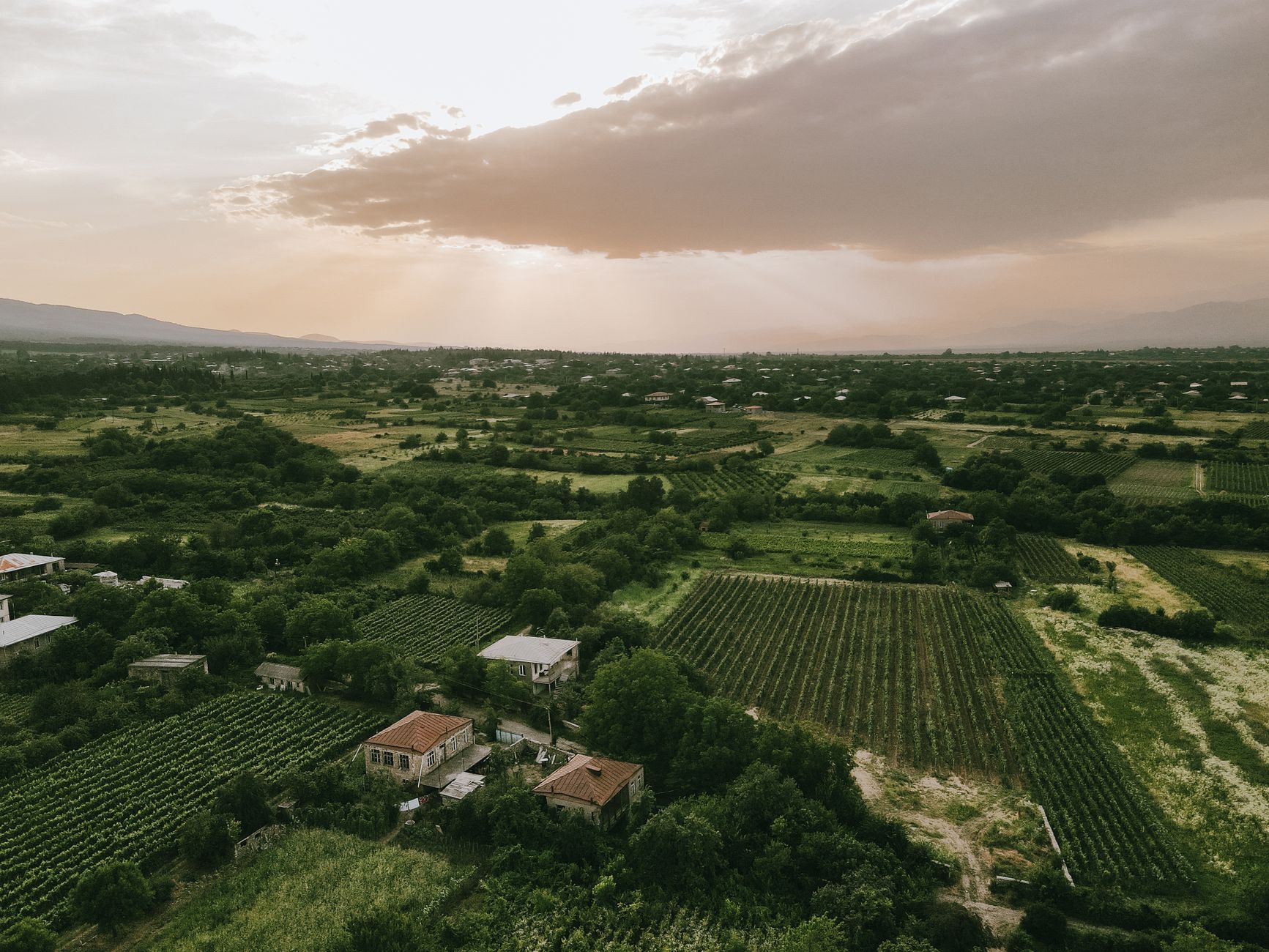
How the Process Works in Georgia
Attorney-Closing State
Georgia law requires a licensed Georgia attorney to conduct every real estate closing. That's not optional, even on a straight cash sale — and we work with local closing attorneys routinely.
Deed Type & Recording
Lee County transfers are typically conveyed by Limited Warranty Deed, recorded with the Clerk of Superior Court in Leesburg.
Transfer Tax
Georgia's real estate transfer tax is $1.00 for the first $1,000 of value plus $0.10 for each additional $100. It's customarily paid by the seller and must be paid before recording.
Typical Close Timeline
Plan on 2-4 weeks from accepted offer to funding, with proceeds disbursed through the closing attorney's trust account.
Lee County by the Numbers
Source: U.S. Census Bureau QuickFacts
33,163
Population (2020 Census; 2025 Census estimate is 34,179)
355.88
Square Miles (2020 land area)
$231,800
Median Home Value (2020-2024 ACS)
37.7
Median Age
What Georgia Landowners Say
"My father's peanut ground outside Leesburg passed to three of us and none of us farm anymore. PlaceAcre worked with all the heirs, handled the closing attorney, and we had the money split before the next planting season."
— Denise M., Leesburg-area peanut farm heir
"I had 62 acres near Smithville that I'd been meaning to sell for six years. Called on a Tuesday, had a written number on Thursday, closed inside a month. Nobody pushed me and nobody nickel-and-dimed me at the table."
— Carl T., Smithville landowner
Fascinating Facts About Lee County
Created From an 1825 Treaty Cession
Lee County was created June 9, 1825 (and officially named December 11, 1826) from Creek land ceded under the 1825 Treaty of Indian Springs — alongside Muscogee, Troup, Coweta, and Carroll counties.
Nobody Agrees Who It's Named For
Historians still dispute the namesake. Some sources credit Revolutionary War signer Richard Henry Lee; others credit cavalry commander "Light-Horse Harry" Lee, father of Robert E. Lee. No definitive record survives.
Leesburg Started as Wooten Station
The county seat was originally incorporated as Wooten Station in 1872, and wasn't renamed Leesburg until 1874.
Part of the Peanut Engine
Lee County's Coastal Plain soils and aquifer access have made it part of the engine behind Georgia's peanut industry, which produces nearly half of the entire U.S. peanut crop.
Lee County Land Selling FAQ
How fast can I sell my Lee County land?
With PlaceAcre's cash-offer process, as fast as 14-30 days once you accept an offer. There's no listing period, no showings, and no waiting on a buyer's financing.
Do you buy ranches and farms in Lee County?
Yes — including peanut and cotton row-crop acreage, small farms, pasture, and inherited family land around Leesburg, Smithville, and Palmyra.
What's my Lee County land worth?
It depends on soil productivity, acreage, and road access, but Southeast cropland averaged about $5,830 per acre in 2025 per USDA NASS. Use PlaceAcre's free land value calculator for a personalized estimate.
Do you pay closing costs?
Yes — PlaceAcre covers standard closing costs on the offers we make, including the Georgia closing attorney's standard fees.
Do you buy land with back taxes?
Yes, including tax-delinquent parcels. Outstanding taxes are typically settled out of the proceeds at closing.
Do you buy hunting or recreational land in Lee County?
Yes — including land suited to southwest Georgia's long quail-hunting tradition, along with deer and turkey tracts and mixed pine timber.
Where We Buy Land in Lee County
Communities we serve: Leesburg, Smithville, Palmyra, and unincorporated Lee County.
Get Your Cash Offer Today
No agents, no fees, no repairs. Just a fair, direct offer on your Lee County land.
Get Your Cash OfferTell Us About Your Lee County Land
Fill out the form — we'll follow up within 24-48 hours with a written cash offer.
Get Your Free Cash Offer
Fill out the form below and receive a no-obligation offer within 24 hours
More Counties We Buy Land In Across Georgia
From the PlaceAcre Blog: Selling Land in Georgia
Nearby Counties We Buy Land In
More Counties We Buy Land In Across Georgia
- Sell Land in Baldwin County, GA
- Sell Land in Barrow County, GA
- Sell Land in Bartow County, GA
- Sell Land in Bibb County, GA
- Sell Land in Bryan County, GA
- Sell Land in Bulloch County, GA
- Sell Land in Camden County, GA
- Sell Land in Carroll County, GA
- Sell Land in Catoosa County, GA
- Sell Land in Chatham County, GA
- Sell Land in Cherokee County, GA
- Sell Land in Clarke County, GA
From the PlaceAcre Blog: Selling Land in Georgia
Practical guides from local landowners and the PlaceAcre team: