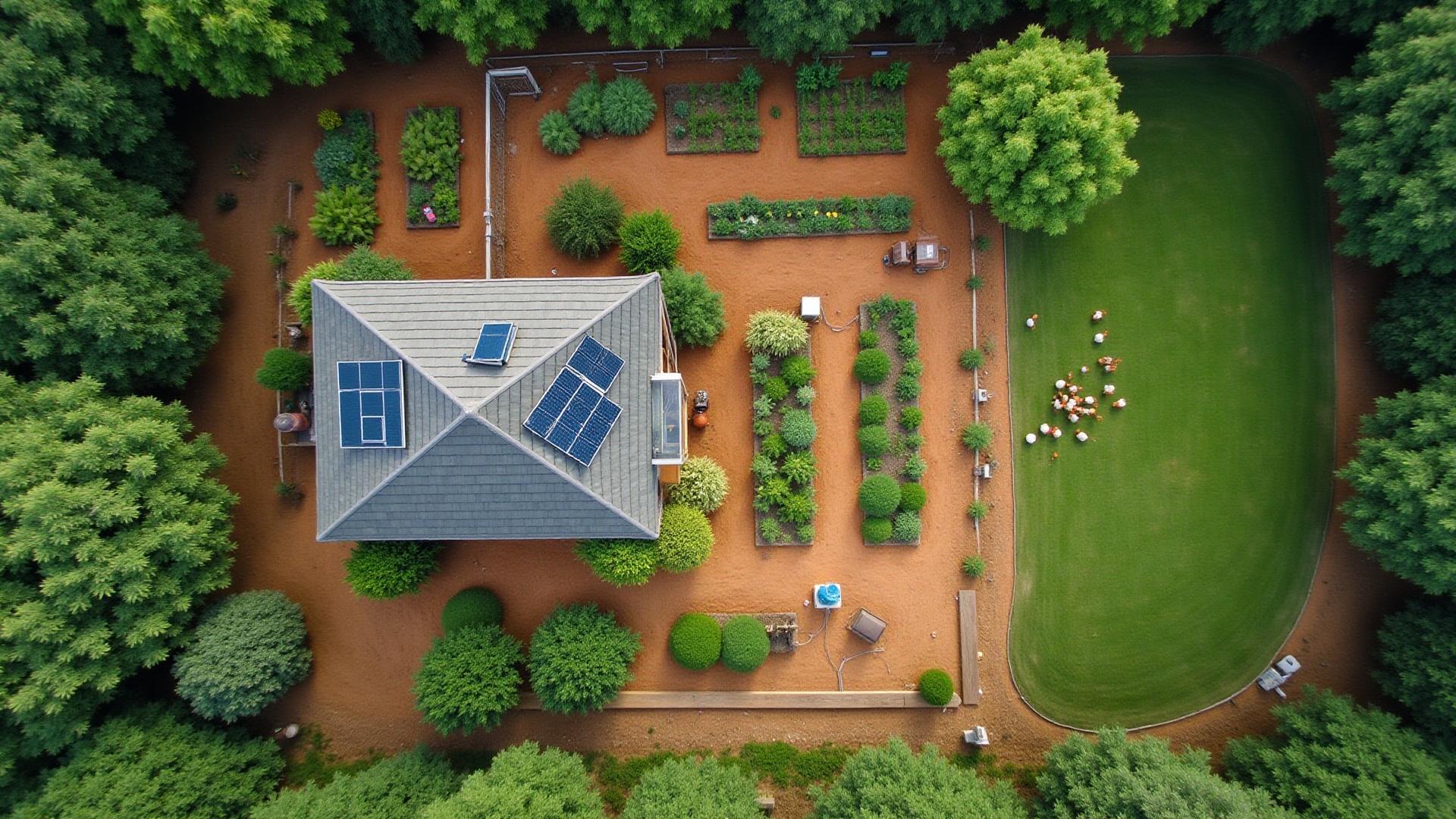
Dreaming of self-sufficient living but worried about the cost? You're not alone. The modern homesteading movement has exploded in popularity as people seek sustainable alternatives to conventional living. The good news? You can establish a productive 1-acre homestead for under $15,000—and we'll show you exactly how.
Whether you're planning to sell vacant land to fund your homesteading dreams or already own your perfect acre, this comprehensive blueprint will guide you through every step of creating a thriving, self-sufficient property on a budget.
Why One Acre is the Sweet Spot for Homesteading
One acre (43,560 square feet) offers the ideal balance between productivity and manageability. It's large enough to grow substantial food, raise small livestock, and implement renewable energy systems—yet small enough for one or two people to maintain without expensive equipment or overwhelming labor demands.
Studies show that a well-planned 1-acre homestead can produce up to 85% of a family's food needs while requiring just 10-15 hours of weekly maintenance once established. This makes small-scale homesteading accessible even for those with full-time jobs or limited farming experience.
Garden Layout & Expected Crop Yields
Recommended Garden Allocation (0.25 acres / 10,890 sq ft)
- •Root Vegetables (2,000 sq ft): Potatoes, carrots, beets, onions - Yield: 800-1,200 lbs/year
- •Leafy Greens (1,500 sq ft): Lettuce, kale, spinach, chard - Yield: 400-600 lbs/year
- •Fruiting Vegetables (3,000 sq ft): Tomatoes, peppers, squash, cucumbers - Yield: 1,000-1,500 lbs/year
- •Legumes (1,500 sq ft): Beans, peas - Yield: 300-450 lbs/year
- •Perennial Herbs (500 sq ft): Basil, oregano, thyme, rosemary - Fresh herbs year-round
- •Berry Bushes (2,390 sq ft): Blueberries, raspberries, blackberries - Yield: 200-400 lbs/year
Total Annual Yield: 2,700-4,150 lbs of fresh produce (equivalent to $5,400-$8,300 at retail prices)
Budget Tip: Start your garden from seeds rather than transplants to save 70-80% on initial costs. A $50 seed investment can produce thousands of dollars worth of food. Use free compost from kitchen scraps and fallen leaves to build healthy soil without expensive amendments.
Affordable Solar Power System Under $5,000
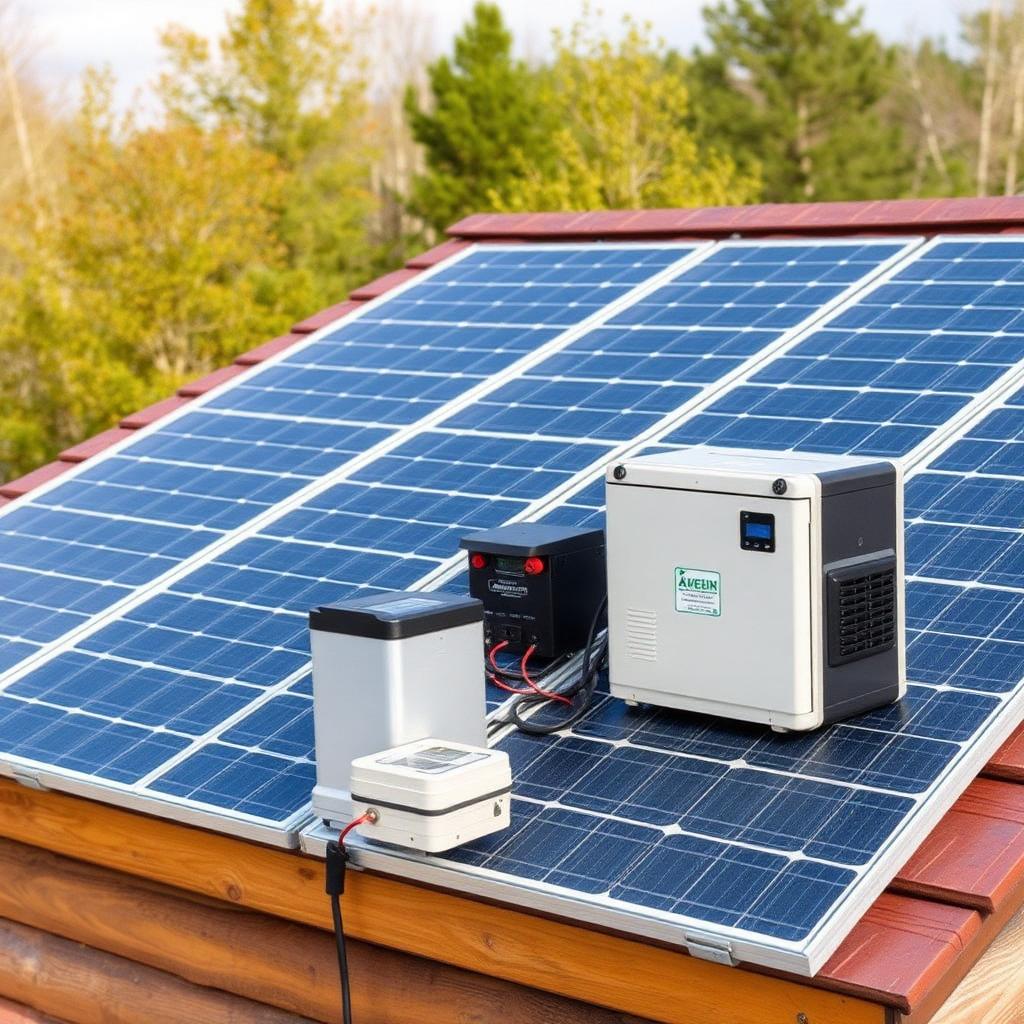
Going off-grid doesn't mean sacrificing modern conveniences. A modest solar system can power essential homestead needs including lighting, water pumps, refrigeration, and charging stations for tools and devices.
Basic 3kW Off-Grid Solar Setup: $4,500-$4,800
- 8x 400W Solar Panels: $1,600-$2,000 (used or wholesale)
- 3000W Pure Sine Wave Inverter: $600-$800
- Battery Bank (4x 200Ah Deep Cycle): $1,600-$2,000
- Charge Controller (MPPT 60A): $300-$400
- Wiring, Breakers, Mounting: $400-$600
Daily Power Production: 12-15 kWh (enough for lights, water pump, refrigerator, laptop, phone charging, and power tools)
Annual Savings: $1,200-$1,800 in electricity costs
Pro tip: Purchase used solar panels from commercial installations or wholesalers to cut costs by 40-60%. Many panels removed from commercial sites still have 80-90% efficiency and decades of life remaining.
Water Systems: Rainwater Harvesting & Well Options
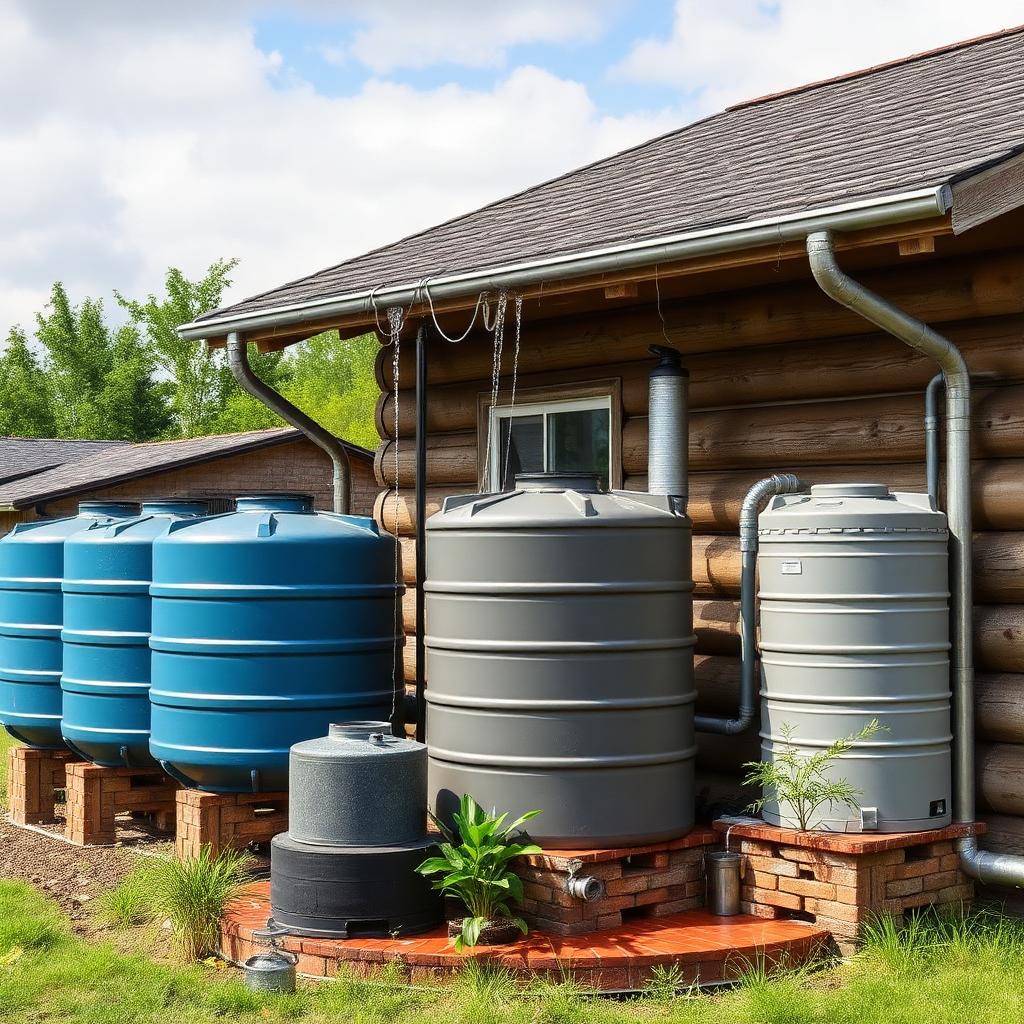
Water independence is crucial for homestead self-sufficiency. Most 1-acre homesteads can implement effective water systems for $2,000-$3,500 through rainwater harvesting or shallow well drilling.
Rainwater Harvesting: $2,000-$2,500
- • Two 500-gallon tanks: $800-$1,000
- • Gutter system & downspouts: $400-$600
- • First-flush diverter & filters: $200-$300
- • Pump & pressure system: $400-$500
- • Plumbing & installation: $200-$300
Collection capacity: A 1,000 sq ft roof can harvest 600 gallons per inch of rain (varies by region)
Shallow Well Option: $2,500-$3,500
- • DIY hand-driven well point: $200-$400
- • Submersible pump (1/2 HP): $400-$600
- • Pressure tank & switch: $300-$500
- • Well casing & piping: $600-$900
- • Water treatment/filtration: $500-$700
- • Installation labor/equipment: $500-$800
Note: Feasibility depends on local water table depth (ideal for water tables under 25 feet)
Many homesteaders combine both systems—using rainwater for gardens and livestock while maintaining a well for household use. This redundancy ensures water security during droughts or system maintenance.
Small Livestock for 1-Acre Homesteads
Allocating 0.15-0.20 acres (6,500-8,700 sq ft) to small livestock adds protein, eggs, and natural fertilizer to your homestead ecosystem. Here's what fits comfortably on one acre:
Chickens (12-15 birds): $300-$500 setup
Annual yield: 3,000-4,000 eggs + meat birds. Requires 40-60 sq ft coop + 100-150 sq ft run. Feed cost: $400-$600/year.
Rabbits (3-5 breeding does): $400-$600 setup
Annual yield: 150-200 lbs meat. Requires 50-80 sq ft hutch space. Feed cost: $300-$500/year. Excellent manure for gardens.
Goats (2 dairy goats): $800-$1,200 setup
Annual yield: 400-600 gallons milk. Requires 200-400 sq ft shelter + 2,000-4,000 sq ft pasture. Feed cost: $600-$900/year.
Budget Strategy: Start with chickens first year, add rabbits second year, consider goats year three after mastering the basics. This staggered approach spreads costs and prevents overwhelm.
Complete 1-Acre Homestead Budget Breakdown
Year One Total Investment: $12,950-$14,950
Important note: This budget assumes you already own the land. If you need to acquire property first, consider exploring affordable rural acreage options. Many people successfully sell vacant land they're not using to fund their homestead purchase elsewhere.
Return on Investment
- • Year 1: $3,000-$5,000 in food production + $1,200-$1,800 energy savings
- • Year 2: $5,000-$8,000 in food production + energy savings (as systems mature)
- • Year 3+: $6,000-$10,000+ annual value with minimal additional investment
Most homesteaders recoup their initial investment within 3-4 years while building long-term food security and energy independence.
Getting Started: Your First 90 Days
Days 1-30: Planning & Preparation
- • Test soil and map sun exposure patterns across your acre
- • Design your homestead layout on paper (garden, structures, livestock areas)
- • Research local zoning regulations and required permits
- • Source used materials and equipment (Craigslist, Facebook Marketplace, estate sales)
- • Start composting and building soil health
Days 31-60: Infrastructure Installation
- • Install water collection/well system first (most critical)
- • Set up solar power basics (even if starting small)
- • Build or place primary shelter structure
- • Install fencing and prepare garden beds
- • Set up tool storage and work areas
Days 61-90: Planting & Launching
- • Plant your first crops (season-appropriate for your region)
- • Introduce chickens if coop is ready
- • Plant fruit trees and berry bushes
- • Establish daily routines and maintenance schedules
- • Connect with local homesteading community for support and knowledge-sharing
Essential Tips for Budget Homesteading Success
Buy Used & Salvage
Save 50-70% on tools, materials, and equipment by shopping auctions, estate sales, and salvage yards. Many homesteaders build entire barns from reclaimed materials.
Start Small, Scale Gradually
Don't try to implement everything year one. Master gardens before livestock, perfect rainwater before adding solar, build skills progressively.
Embrace DIY Learning
YouTube, homesteading forums, and library books provide free education. Most homestead tasks can be learned through patient practice without hiring professionals.
Focus on Perennials
Fruit trees, berry bushes, asparagus, and perennial herbs require one-time investment but produce for 10-30+ years with minimal ongoing costs.
Build Community Connections
Trade surplus produce, share equipment with neighbors, join seed exchanges, and tap into local knowledge. Community is your most valuable resource.
Track Your Progress
Journal your yields, expenses, and lessons learned. This data becomes invaluable for optimizing your systems in subsequent years.
How Much Can You Make on One Acre?
One acre won't replace a full-time salary on its own, but the right mix of small enterprises can comfortably cover property taxes, feed bills, and a meaningful side income. The numbers below are realistic ranges from working homesteaders — not the inflated figures you'll see in YouTube thumbnails. For a deeper menu of options beyond what's listed here, our guide to making money from vacant land walks through passive plays too.
| Activity | Startup Cost | Annual Revenue Range | Time Commitment |
|---|---|---|---|
| Market garden (½ acre, CSA + farmers market) | $5,000–$15,000 | $15,000–$45,000 | 25–40 hrs/week in season |
| U-pick berries or pumpkins | $3,000–$8,000 | $4,000–$12,000 | Seasonal weekends |
| Pastured egg layers (50–100 hens) | $2,500–$6,000 | $3,000–$9,000 | 1–2 hrs/day |
| Apiary (4–8 hives) | $1,500–$4,000 | $1,200–$5,000 | A few hours/month |
| Cut flower farm (¼ acre) | $2,000–$6,000 | $10,000–$30,000 | 20–30 hrs/week in season |
| Agritourism (workshops, farm dinners) | $3,000–$15,000 | $5,000–$25,000 | Event-based |
| Short-term RV / Hipcamp hosting (1–2 sites) | $1,000–$10,000 | $3,000–$12,000 | A few hours/week |
| Solar lease (utility or community) | $0 (developer pays) | $300–$1,500/acre | Passive (20–25 yr term) |
The most successful one-acre operations stack two or three of these — eggs and a market garden, or flowers and weekend Hipcamp hosting. Diversification protects you when one season disappoints.
Rural Zoning and One-Acre Builds
Before you fall in love with a parcel, the zoning code decides what's actually possible. A one-acre lot in a rural-residential or agricultural district is usually flexible — but the details matter, and they vary by county. Always pull the zoning ordinance and confirm with the planning office before closing. For a full pre-purchase walkthrough, see our guide on how to check if vacant land is buildable.
Setbacks
Most rural zones require 25–50 ft front setbacks and 10–25 ft side/rear setbacks. On a 1-acre rectangular lot (roughly 145 × 300 ft), this leaves plenty of buildable area, but odd-shaped or narrow flag lots can shrink fast.
Well & Septic Minimums
Health departments typically require 50–100 ft between a well and septic drainfield, plus 10 ft from property lines. Some counties require a minimum lot size of 1 acre for any septic — making sub-acre lots unbuildable without sewer.
Accessory Dwelling Units (ADUs)
Many rural counties now allow one ADU (guest house, in-law unit, tiny home on foundation) per parcel, often capped at 800–1,200 sq ft. Permanent RVs as dwellings are usually prohibited outside designated camp zones.
Common Restrictions
Watch for limits on livestock counts (often "one large animal per acre"), commercial activity, roadside farm stands, short-term rentals, and outbuilding height. HOAs can layer extra rules even on rural lots.
One-Acre Homestead Layouts
How you arrange your acre depends on what you want out of it. Here are three patterns that consistently work, drawn from real homesteads — not idealized magazine spreads.
1. Production-First Layout
House and driveway compressed to the front 1/8 acre. The rest is split into a half-acre intensive market garden, a quarter-acre orchard with cover-cropped alleys, and a small barn for tools and washing produce. Best for someone planning to sell at farmers markets or run a CSA. Aesthetics take a back seat to throughput.
2. Self-Sufficiency Layout
Centered house surrounded by zones: kitchen garden and herb spiral within 30 ft, then a 4,000 sq ft annual vegetable plot, a small chicken run with a moveable coop, a fruit and nut tree guild along the south fence, and a rainwater-fed greenhouse for season extension. Designed for feeding a family of four with minimal outside inputs.
3. Homestead + Income Layout
House and family garden on the front half. The back half hosts an income generator: a small cut-flower plot, a tucked-away Hipcamp tent pad with privacy screening, or a hive yard plus pollinator strip. Walking paths and a simple shared parking pull-off keep guest traffic separate from family space.
Your Path to Self-Sufficient Living
Building a self-sufficient 1-acre homestead on a shoestring budget isn't just possible—it's being done successfully by thousands of people across the country. The key is strategic planning, prioritizing essential systems, and embracing gradual implementation over perfection.
With an initial investment of $12,950-$14,950, you can establish productive gardens yielding thousands of pounds of food annually, renewable energy systems cutting utility costs to near-zero, and reliable water independence through rainwater or well systems. Add small livestock over time, and your homestead becomes a thriving ecosystem providing 70-85% of your family's food needs.
Remember that every successful homesteader started exactly where you are now—with a dream, limited resources, and determination to build something meaningful. The journey requires patience, but the rewards of growing your own food, generating your own power, and living sustainably make every challenge worthwhile.
Whether you're planning to sell vacant land to fund your homesteading vision or already have your perfect acre, the blueprint laid out here provides a proven roadmap to self-sufficiency without breaking the bank. Start planning today, take that first step, and watch your homestead dreams become reality—one season, one harvest, one small victory at a time.
Ready to Start Your Homesteading Journey?
Have vacant land you're not using? Get a fair cash offer in 24-48 hours and use the proceeds to fund your dream homestead property. We buy land in any condition, nationwide.
Get Your Free Cash Offer
Fill out the form below and receive a no-obligation offer within 24 hours