
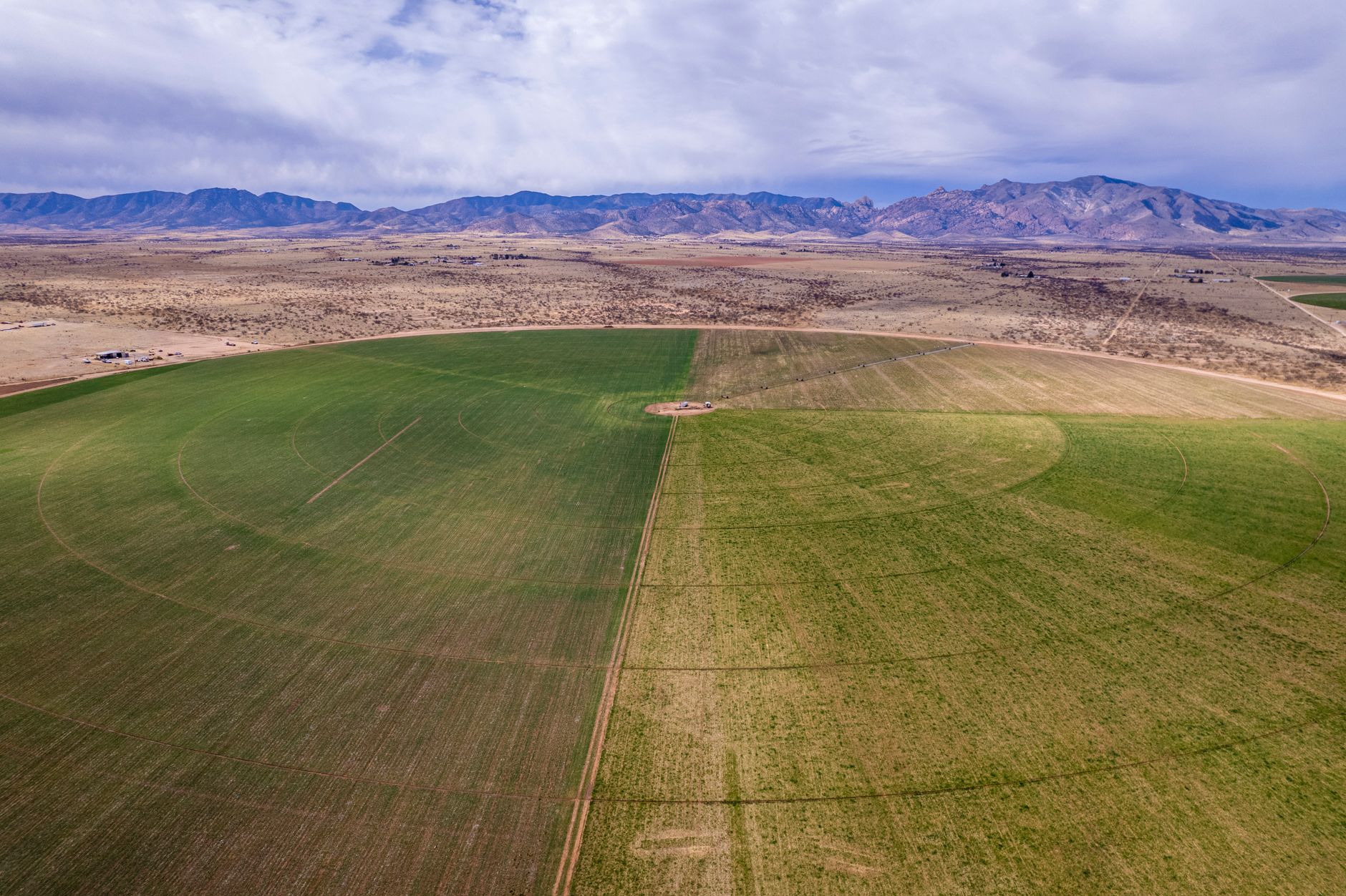
Raw and vacant land is notoriously hard to finance through a conventional bank — most lenders want 20–50% down and charge higher rates than a typical home mortgage, if they'll lend on unimproved acreage at all. That gap is exactly why owner financing (also called seller financing or a land contract) has become one of the most effective tools land sellers use to close a sale faster and at a fuller price. This guide walks through how it actually works, what terms are typical, the legal guardrails you need to know, and when a cash sale is still the smarter move.
The core idea is simple: instead of the buyer bringing a bank to the table, you become the bank. The buyer puts money down, signs a promissory note, and pays you monthly — with interest — until the note is paid off or a balloon payment comes due. You keep a security interest in the land the whole time, so if the buyer stops paying, you have a legal path to take the property back.
What makes this so useful on land specifically is who it unlocks. A buyer with solid income, a real down payment, and a plan for the parcel may still be turned down by every ag lender and community bank in the county simply because the collateral is unimproved dirt. Offer terms and that buyer becomes yours.
Why owner financing matters more in 2026
Bank financing for raw land remains especially tight and expensive right now — as PlaceAcre reported this month, USDA trimmed its direct farm operating and ownership loan rates for August 2026, but land mortgages are still the priciest they've been since 2007 (see: Farm loan rates: real estate mortgages stay elevated, August 2026). That's widening the pool of buyers who can't get bank approval for land but can still afford seller-financed terms.
Realtor vs. FSBO Cash Sale vs. Owner-Financed Sale
Here's how the three most common paths compare on a sample 20-acre parcel priced at $80,000.
| Factor | Realtor (MLS) | FSBO Cash Sale | Owner-Financed Sale |
|---|---|---|---|
| Typical time to accepted offer | 4–9 months (land sits longer than homes) | 1–4 months | 2–6 weeks (larger buyer pool) |
| Commission | 6–10% (~$4,800–$8,000) | $0 | $0 |
| Buyer pool | Cash + bank-financeable buyers only | Cash buyers only | Cash buyers + buyers who can't get a bank land loan |
| Net proceeds at sale | ~$72,000–$75,200 after commission | Full $80,000, but only if a cash buyer appears quickly | $80,000+ purchase price, plus interest income over the note term (often $8,000–$20,000+ in interest on an 8–10% note) |
| Seller's ongoing involvement | None after closing | None after closing | Must collect payments (or hire a loan servicer) until payoff or balloon |
Figures are illustrative for a $80,000, 20-acre parcel. Your actual terms, timeline, and interest income depend on the parcel, your market, and the buyer you find.
The 4-Step Roadmap: Terms → Rules → Structure → Close
Step 1 — Decide your terms before you list
Set your down payment (typically 10–30% of price; smaller parcels under $10,000 sometimes see just $500–$1,500 down), your interest rate, and your term length. Most land sellers charge 8–12% interest, reflecting the extra risk of carrying the note yourself.
A common structure is a 3-, 5-, or 7-year term with a balloon payment due at the end, when the buyer is expected to sell, refinance with a bank, or pay off the balance. The monthly payment is usually amortized over a longer schedule so it stays affordable, with the remaining principal due at the balloon date.
Under IRS rules, if you charge below the monthly Applicable Federal Rate (AFR), the IRS will impute interest and tax you on it anyway — so check the current AFR before setting your rate. Pricing well above the AFR is normal on land; pricing below it just creates a paperwork problem without saving the buyer anything meaningful.
Step 2 — Know the federal rules that apply (and don't)
The Dodd-Frank Act and the SAFE Act impose ability-to-repay and licensing requirements on seller financing — but only for owner-occupied residential property. Loans secured by vacant land, raw acreage, commercial property, or investment property fall outside Dodd-Frank's seller-financing restrictions entirely.
That's a meaningful advantage for land sellers versus home sellers: you have far more flexibility to structure the deal, though you should still document everything in writing and, in most states, have a real estate attorney or title company prepare the note, deed, and security instrument. The absence of a federal mandate is not an invitation to use a handshake.
Step 3 — Choose your legal structure: land contract vs. deed of trust/mortgage
In a "contract for deed" (land contract), you keep legal title until the buyer pays off the note — simpler to set up, but forfeiture/foreclosure rules vary sharply by state and some states require you to go through a formal judicial process to reclaim the property if the buyer defaults.
In a seller-carried mortgage or deed of trust, you transfer title at closing and record a lien against the property, which gives you a more standard, court-tested foreclosure path if something goes wrong. Most experienced land sellers gravitate toward this structure for exactly that reason.
Rules on which structure protects you best — and how fast you can act on a default — differ by state, so this is the one step worth paying an attorney for regardless of which state you're in.
Step 4 — Close, record, and (optionally) hand off servicing
Record the deed and any security instrument with the county clerk or recorder where the land sits, just as you would in a cash sale. An unrecorded security instrument is the single fastest way to turn a solid deal into a legal mess.
From there, either collect payments yourself or hire a third-party loan servicer (typically 0.5–1% of the loan balance annually) to handle payment tracking, escrow, and 1098 tax reporting — a common step for sellers who don't want to chase down a late payment personally.
Owner Financing: Advantages vs. Challenges
Advantages
- Opens your buyer pool to people who can't get bank land loans.
- You may accept full asking price (or more) since you're earning interest.
- Interest income can supplement retirement or other cash flow.
- Capital gains can often be spread over multiple tax years via an IRS installment sale (see our capital gains guide).
- Closes faster than waiting for a bank-financed buyer.
Challenges
- You don't get all your cash at closing.
- You're taking on the buyer's credit risk.
- You may need to handle (or pay someone to handle) collections if a payment is late.
- State-specific default/foreclosure rules mean you need real legal guidance, not a generic template.
- If the buyer stops paying, reclaiming the land can take months depending on your state and contract structure.
Worked Example: The Installment-Sale Tax Advantage
On a $150,000 land sale with a $30,000 down payment and the balance financed over 5 years at 9% interest, a seller who qualifies for IRS installment-sale treatment (IRC Section 453) can generally report capital gains proportionally as principal payments are received, rather than paying tax on the full gain in the year of sale — a materially different cash-tax picture than a lump-sum cash sale.
This is a general illustration, not tax advice — consult a CPA on your specific situation; see our full breakdown of capital gains treatment on land sales.
Five Tactical Steps That Protect You
1. Screen the buyer anyway.
Even without Dodd-Frank's ability-to-repay mandate, pulling a credit check and asking for proof of income protects you — you're the bank now. A buyer who bristles at a basic credit pull is telling you something useful before you've signed anything.
2. Get a real down payment.
Sellers who accept less than 10% down see meaningfully higher default rates industry-wide; don't skip this to close faster. Skin in the game is the cheapest form of collections insurance you can buy.
3. Draft (or attorney-review) the promissory note and security instrument together.
A mismatched pair is one of the most common and costly land-contract mistakes. The note sets the payment obligation; the security instrument is what actually lets you take the land back. They have to describe the same deal, the same parcel, and the same default terms.
4. Escrow property taxes and insurance if you can.
Land taxes are usually modest, but a buyer who lets taxes go delinquent can create a lien problem that complicates your position if you have to foreclose.
5. Set a clear default and cure process in writing.
Spell out how many days late triggers notice, what cures the default, and what happens if it isn't cured — before you ever need it. Negotiating a cure process with a buyer who has already stopped paying is a losing position.
Legal Requirements and Closing Costs
Owner-financed land sales are governed primarily by state contract, real property, and (where applicable) usury law rather than a single federal standard — usury caps, forfeiture/foreclosure timelines, and required disclosures vary meaningfully by state, so sellers should have a local real estate attorney review the note and security instrument before signing.
Closing costs on an owner-financed land sale are typically limited to recording fees (commonly $25–$150 depending on county) and attorney/document-prep fees (commonly $300–$900), since there's no lender title policy or origination fee to pay.
Regional Variation: Where Owner Financing Is Most Common
Owner financing is especially common for land sales in the South and Southwest, where rural acreage often exceeds what conventional ag lenders will underwrite without a large down payment, and in states with judicial foreclosure processes, sellers using a deed-of-trust structure (rather than a land contract) generally have a faster path to reclaiming property after a default than in states requiring full judicial foreclosure. Always confirm your specific state's rules before choosing a structure. If your parcel is in the desert Southwest, start with our Arizona land selling hub for state-level context.
Marketing an Owner-Financed Listing
When advertising an owner-financed listing, lead with the terms ("Owner financing available — $X down, $X/month") since that's often the search term buyers use, and be specific about the down payment and rate up front to filter out unqualified inquiries before they waste your time.
Don't Want to Carry the Note Yourself?
Skip owner financing altogether and get a straightforward cash offer instead — no fees, no buyer risk, close in 24–48 hours. It's one option among several; pick the one that fits your timeline.
Get My Cash OfferOwner Financing FAQ
Is owner financing legal for land sales?
Yes — and land sellers have more flexibility than home sellers because Dodd-Frank's seller-financing restrictions only apply to owner-occupied residential property, not vacant or investment land.
What interest rate can I charge on a seller-financed land sale?
Most sellers charge 8–12%, though rates as low as 6% and as high as the low teens appear depending on the deal; the IRS's monthly Applicable Federal Rate sets a practical floor, since charging below it can trigger imputed-interest tax treatment.
What happens if the buyer stops paying?
It depends on your state and whether you used a land contract or a deed of trust/mortgage; deed-of-trust structures generally offer a more standardized (though still state-specific) path to reclaiming the property than land contracts in states with strict forfeiture rules.
Do I have to offer owner financing to sell my land fast?
No — a cash sale to a buyer like PlaceAcre closes just as fast or faster, without the ongoing responsibility of collecting payments; owner financing is a tool for sellers willing to trade a slower payout for a larger buyer pool and interest income.