
You've found the perfect piece of raw land for your dream home, farm, or investment property. But there's a problem: traditional banks won't finance it. If you've heard "we don't loan on vacant land" more times than you can count, you're not alone. Financing raw land is notoriously difficult through conventional banking channels, but that doesn't mean it's impossible.
The good news is that there are numerous creative financing options available for buying undeveloped land without traditional bank approval. From owner financing to specialized land loans, this comprehensive guide will walk you through every alternative method to help you secure that perfect property.
Why Traditional Banks Reject Raw Land Loans
Before exploring alternatives, it's important to understand why banks are hesitant to finance raw land purchases. Banks view vacant land as a high-risk investment for several reasons:
- No income generation: Unlike rental properties, raw land typically doesn't produce immediate cash flow
- Higher default rates: Statistically, land loans have higher default rates than traditional mortgages
- Difficult to liquidate: Vacant land can take longer to sell in case of foreclosure
- Uncertain value: Undeveloped property value can be harder to appraise accurately
Owner Financing: The Most Popular Alternative
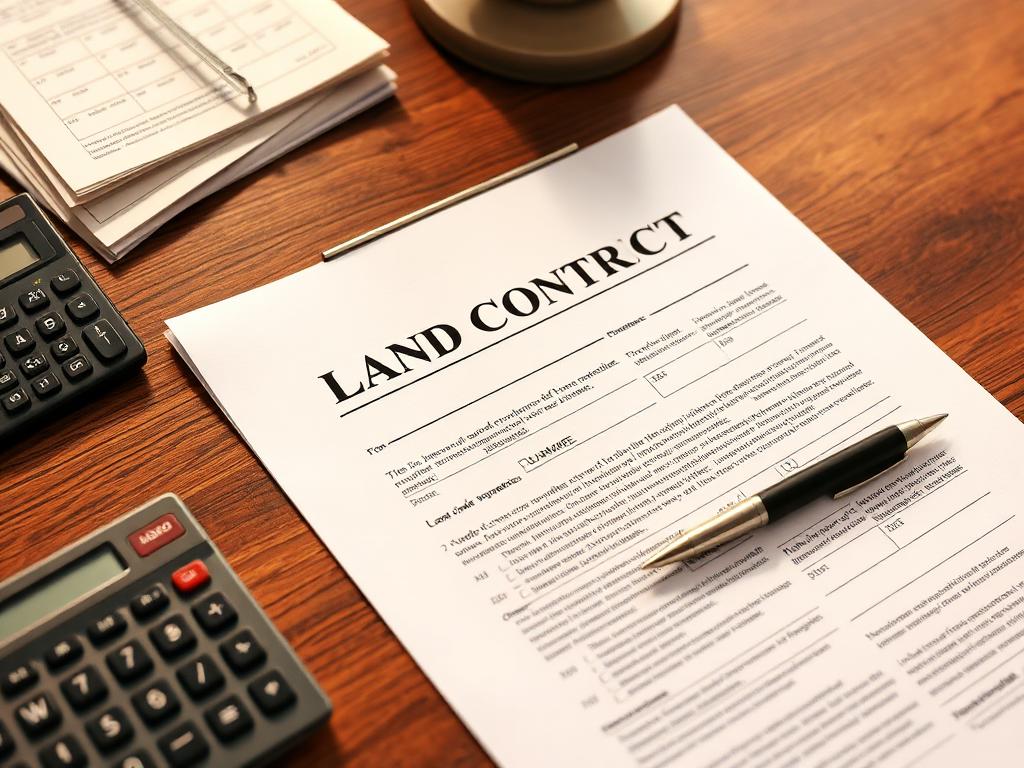
Owner financing, also known as seller financing, is one of the most accessible ways to purchase raw land when banks won't approve a loan. In this arrangement, the property seller acts as the lender, allowing you to make monthly payments directly to them instead of a bank.
How Owner Financing Works
With owner financing for raw land, you negotiate terms directly with the seller, including down payment amount, interest rate, payment schedule, and loan duration. Typically, owner-financed land deals require a down payment of 10-30%, carry interest rates slightly higher than conventional loans (often 6-12%), and feature shorter loan terms ranging from 5-10 years with a balloon payment at the end.
Benefits of Owner Financing
- Flexible credit requirements: Sellers are often more lenient than banks regarding credit scores and financial history
- Faster closing process: Without bank underwriting, transactions can close in weeks instead of months
- Negotiable terms: Everything from interest rates to payment schedules can be customized
- Lower closing costs: Fewer fees compared to traditional bank financing
Key Considerations
Always work with a real estate attorney to review owner financing contracts, ensure the seller has clear title to the property, understand balloon payment requirements, and verify property taxes and insurance obligations. Having professional legal guidance protects both parties and ensures a smooth transaction.
Specialized Land Loan Lenders
While traditional banks may say no, specialized lenders focus exclusively on land financing. These lenders understand the unique nature of raw land investments and offer products specifically designed for vacant property purchases.
Types of Land Loan Lenders
Farm Credit Services
Farm Credit institutions provide loans for agricultural land purchases, offering competitive rates for rural property and farmland. These lenders specialize in understanding agricultural land value and often provide more favorable terms than conventional banks for rural acreage.
Local Credit Unions
Community credit unions often have more flexible lending criteria than large national banks. They understand local land markets and may be more willing to finance raw land purchases, especially for members with good standing and established relationships.
Online Land Loan Specialists
Several online lenders specialize in vacant land financing, offering streamlined application processes and competitive rates. These modern lenders use technology to assess land value and borrower qualifications more efficiently than traditional institutions.
Specialized land loan lenders typically require larger down payments (25-50%), charge higher interest rates (1-3% above conventional mortgages), and offer shorter loan terms (10-20 years). However, they provide a viable path to land ownership when traditional financing isn't available.
USDA Land Loans for Rural Property

The United States Department of Agriculture (USDA) offers loan programs specifically designed for rural property purchases. If you're looking to buy raw land in a rural area, USDA loans can provide attractive financing options with competitive terms.
USDA Direct Farm Ownership Loans
These loans help farmers and ranchers purchase farmland, including raw acreage. The USDA provides direct loans to qualified applicants, with favorable interest rates and extended repayment terms up to 40 years. Eligibility is based on farming experience, inability to obtain commercial credit, and income limits.
USDA Construction Loans
If you plan to build on your raw land, USDA construction loans allow you to finance both the land purchase and home construction in a single loan. This eliminates the need for separate land and construction financing, simplifying the process and potentially saving thousands in fees.
To qualify for USDA land loans, the property must be located in an eligible rural area (USDA provides online maps), you must meet income requirements, and demonstrate ability to repay the loan. USDA loans often feature no down payment requirements and below-market interest rates, making them extremely attractive for qualified buyers.
Additional Creative Financing Strategies
Home Equity Loans or HELOCs
If you own a home with substantial equity, you can use a home equity loan or home equity line of credit (HELOC) to finance raw land purchases. These loans typically offer lower interest rates than land loans because they're secured by your existing home. This strategy works well if you have significant equity and stable income.
Personal Loans
For smaller land parcels, personal loans can provide quick financing without collateral requirements. While interest rates are higher than secured loans, personal loans offer fast approval and flexible use. This option works best for land purchases under $50,000 when you need immediate funding.
Partnerships and Syndication
Pooling resources with partners or investors can make large land purchases achievable without traditional financing. Real estate syndication allows multiple investors to collectively purchase land, sharing both costs and potential profits. This approach requires clear legal agreements but can provide access to properties that would be unaffordable individually.
Lease-to-Own Agreements
Some sellers offer lease-to-own arrangements where you lease the land with an option to purchase after a specified period. Monthly lease payments often credit toward the purchase price, allowing you to build equity while using the land. This strategy provides time to improve your credit or save for a larger down payment.
401(k) Loans
While generally not recommended due to tax implications and penalties, borrowing from your 401(k) can provide land purchase capital in specific situations. If you're confident in your repayment ability and the land investment is strategic, this option provides access to your retirement funds without credit checks or lengthy approval processes.
Tips for Successful Land Financing
- Build a larger down payment: The more cash you can put down, the more financing options become available and the better terms you'll receive
- Improve your credit score: Even alternative lenders review credit history. A higher score improves your negotiating position
- Research multiple lenders: Don't accept the first offer. Compare terms from several sources to find the best deal
- Have a clear land use plan: Lenders and sellers are more confident when you demonstrate a specific vision for the property
- Get professional advice: Work with real estate attorneys and financial advisors familiar with land transactions
When Selling Makes More Sense Than Buying
If you currently own land but financing challenges are preventing your next investment, consider selling your existing property for cash. A cash sale eliminates monthly payments, provides immediate capital for new opportunities, and simplifies your financial situation.
Many landowners find that selling land fast to cash buyers creates better opportunities than holding onto property with complicated financing. If you're considering liquidating land holdings to simplify your portfolio or fund new ventures, cash buyers can close quickly without financing contingencies.
Final Thoughts on Financing Raw Land
While traditional banks may reject your raw land loan application, numerous alternative financing options exist for determined buyers. Owner financing remains the most accessible path for many purchasers, offering flexibility and simplified approval processes. Specialized land lenders, USDA loans, and creative financing strategies provide additional avenues to secure your ideal property.
The key to successful land financing is persistence, preparation, and willingness to explore non-traditional options. With the right approach and adequate research, you can overcome bank rejections and achieve your raw land ownership goals. Whether you pursue seller financing, specialized lenders, or creative arrangements, the perfect financing solution exists for your situation.