Selling land in North Carolina without a realtor can save you thousands of dollars in commission fees—typically 5-6% of your sale price. Whether you own wooded acreage in the Piedmont, farmland in the Coastal Plain, or mountain property in the Appalachians, this comprehensive guide will walk you through the entire For Sale By Owner (FSBO) process step by step.
North Carolina's diverse landscape—from the Great Smoky Mountains to the Atlantic beaches—creates unique opportunities and challenges for land sellers. Understanding your local market, whether you're in Wake County, Mecklenburg County, or rural Wilkes County, is essential for a successful sale. If you're looking to sell vacant land in the Tar Heel State, you've come to the right place.
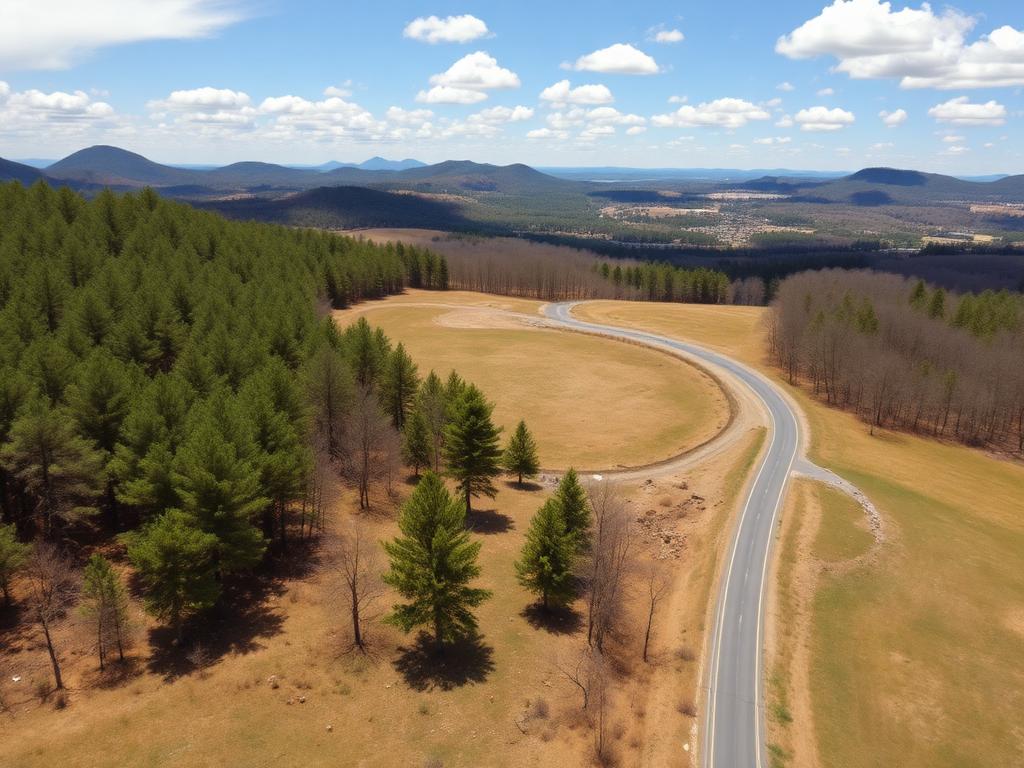
Beautiful North Carolina rural land—from mountains to coast, the state offers diverse property types.
Why North Carolina Landowners Choose FSBO
The Tar Heel State has seen significant growth in land values, particularly in the Charlotte metro area, Research Triangle, and mountain communities. Many landowners are discovering that selling without a realtor can be both profitable and manageable when you have the right information.
1Determine Your North Carolina Land's True Value
Accurate pricing is the foundation of a successful FSBO sale. Price too high, and your land sits unsold for months. Price too low, and you leave money on the table. Here's how to find the sweet spot:
Key Valuation Factors in North Carolina:
- Location: Properties near Charlotte, Raleigh-Durham, Asheville, and Wilmington command premium prices. Consider proximity to employment centers, hospitals, and schools.
- Zoning: Check with your county planning department. Residential zoning near growing areas is particularly valuable.
- Topography: Flat, buildable land commands higher prices than steep or flood-prone parcels. Mountain views add significant value in western NC.
- Timber & Natural Resources: Mature timber, creek frontage, or pond sites add value. Consider getting a timber cruise for wooded parcels over 20 acres.
Research comparable sales through your county's tax assessor website and real estate platforms like Zillow, Realtor.com, and LandWatch. Look for similar parcels sold within the past 6-12 months in your county or adjacent areas. When evaluating your property, consider reading our guide on essential factors for evaluating raw land.
2Gather Essential Documents for Your NC Land Sale
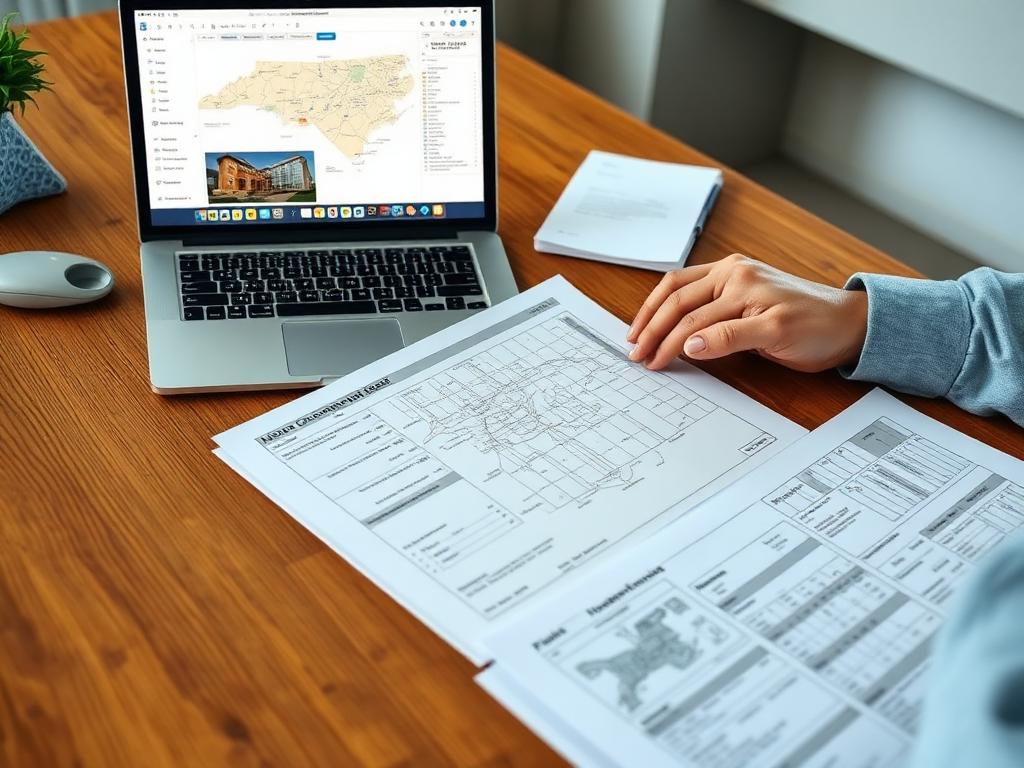
Having your documentation ready before listing demonstrates professionalism and builds buyer confidence. North Carolina has specific requirements that differ from other states:
Property Deed
Recorded deed from your county Register of Deeds office
Survey or Plat
Current survey showing boundaries, ideally within 5 years
Tax Records
Property tax statements showing you're current on payments
Title Search
Preliminary title report showing clear ownership
Soil/Perc Test
Septic suitability test if no public sewer available
Easement Records
Any access, utility, or conservation easements on file
Zoning Certificate
Letter from county planning confirming current zoning
Environmental Reports
Phase I if commercial use history; wetland delineation if applicable
3Market Your North Carolina Land Effectively
Successful FSBO land sales require strategic marketing. Unlike selling a house, land buyers often search differently and respond to specific features:
Effective Marketing Channels:
Online Listing Platforms
List on LandWatch, Land.com, Zillow, Craigslist, and Facebook Marketplace. Include drone footage if possible—it's worth the investment for larger parcels.
Professional Photography
High-quality photos showing property boundaries, road frontage, topography, mature trees, and any water features. Golden hour photos sell land faster.
Physical Signage
Professional "For Sale By Owner" signs on the property with your phone number. Include signs at major road intersections if permitted by your county.
Local Networking
Contact local builders, developers, and farmers. Neighboring property owners often make the best buyers—they know the area and may want to expand.
Be aware of hidden costs of owning raw land that buyers will ask about—having answers ready shows you're a knowledgeable seller.
4Navigate North Carolina's Legal Requirements
North Carolina has specific disclosure requirements and closing procedures. Unlike some states, NC allows attorneys to handle real estate closings, which is often less expensive than using a title company:
Critical NC Legal Requirements
- Residential Property Disclosure Statement: Required for most residential land sales. Disclose known defects, boundary disputes, and environmental issues.
- Mineral Rights Disclosure: NC requires disclosure if mineral rights have been severed from the surface rights.
- Lead-Based Paint: Only applies if there are structures built before 1978 on the property.
- Attorney Requirement: While not legally required, using a real estate attorney for closing is standard practice in NC and highly recommended.
Consider hiring a real estate attorney ($500-$1,500 for a straightforward land sale) to review your purchase agreement and handle the closing. This is far less than the 5-6% commission you'd pay a realtor on a $100,000+ property.
5Negotiate and Close Your NC Land Sale
When offers come in, stay calm and professional. Many land sales involve some negotiation, and that's normal. Here's what to expect:
Review Offers Carefully
Look beyond price. Consider financing contingencies, due diligence periods, and closing timelines. Cash offers with short due diligence are often worth accepting at a slightly lower price.
Earnest Money
Request 1-3% of the purchase price as earnest money. This should be held by a neutral third party—typically the closing attorney or title company.
Due Diligence Period
North Carolina's Offer to Purchase typically includes a due diligence period. During this time, the buyer can terminate for any reason but forfeits their due diligence fee.
Closing Process
Your closing attorney will prepare the deed, handle title insurance, and manage the transfer of funds. Closings typically take 30-60 days from accepted offer.
The Easier Alternative: Sell to a Cash Land Buyer
While the FSBO process can save you money, it does require time, effort, and some expertise. If you want to avoid the hassle of marketing, showing, and negotiating, consider selling directly to a professional cash land buyer like PlaceAcre.
Close in 7 Days
Skip months of waiting
No Commissions
Keep more of your sale
Sell As-Is
No repairs or cleanup needed
We purchase land throughout North Carolina—from Asheville to Charlotte, Raleigh to Wilmington, and everywhere in between. Whether you own inherited property, farmland you no longer use, or vacant lots, we make fair cash offers within 24-48 hours.
Ready to Sell Your North Carolina Land?
Whether you choose FSBO or want a quick cash offer, we're here to help. Call us today for a free, no-obligation consultation.
Conclusion
Selling your North Carolina land without a realtor is absolutely achievable with the right preparation and knowledge. By accurately pricing your property, gathering essential documents, marketing effectively, and understanding the legal requirements, you can successfully complete a FSBO sale and keep thousands of dollars in your pocket.
However, if the FSBO process seems overwhelming, remember that professional cash buyers offer a fast, hassle-free alternative. At PlaceAcre, we specialize in purchasing North Carolina land quickly and fairly. Contact us today to learn how we can help you sell vacant land on your timeline.