Selling land by owner in North Carolina can save you thousands of dollars in real estate commissions while giving you complete control over the transaction. Whether you own a wooded lot in the Blue Ridge Mountains, farmland in the Piedmont, or coastal property near the Outer Banks, this comprehensive guide will walk you through every step of the for-sale-by-owner (FSBO) process for land in the Tar Heel State.
While selling land without a realtor requires more effort on your part, many landowners find the cost savings and personal involvement well worth the investment. In North Carolina, where land values vary dramatically from region to region, understanding the local market and legal requirements is essential for a successful FSBO transaction.
Benefits of Selling Land By Owner in NC
Save on Commissions
Avoid paying the typical 5-6% real estate commission, which on a $100,000 land sale could save you $5,000-$6,000.
Direct Buyer Communication
Communicate directly with potential buyers to answer questions about your property and negotiate terms without intermediaries.
Flexible Pricing Strategy
Set and adjust your price based on market feedback without pressure from agents focused on quick sales.
Control Your Timeline
Manage the sale on your own schedule without listing agreements or contractual obligations to agents.
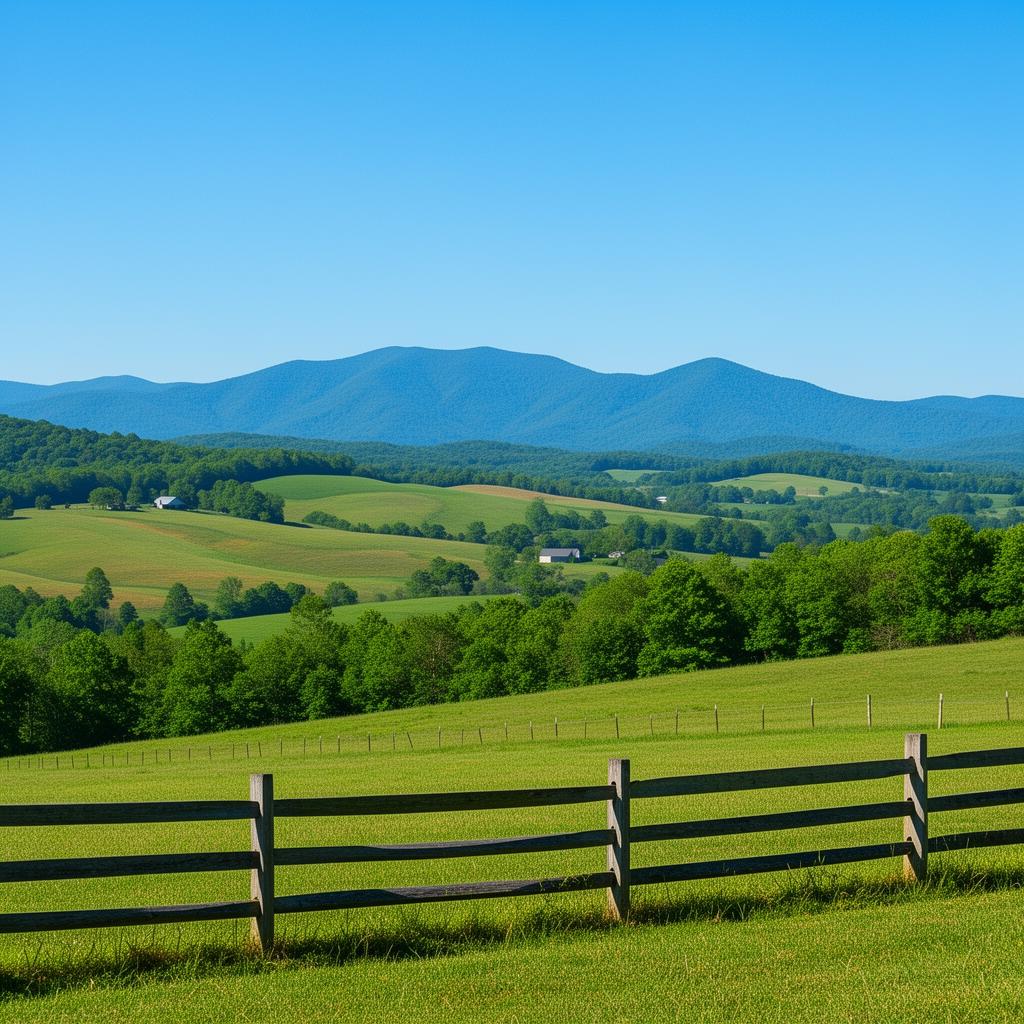
North Carolina offers diverse land types from mountains to coast
Step 1: Price Your North Carolina Land Correctly
Pricing your land correctly is perhaps the most critical factor in a successful FSBO sale. Price too high, and your property will languish on the market; price too low, and you leave money on the table. Here's how to determine the right price for your North Carolina land:
Research Comparable Sales
Start by researching recent sales of similar properties in your area. North Carolina county tax records are available online through the Register of Deeds office in each county. Look for land parcels with similar characteristics: acreage, road frontage, topography, and zoning. Focus on sales within the past 6-12 months for the most relevant comparisons.
Consider Key Value Factors
North Carolina land values are influenced by several factors including location (proximity to cities like Charlotte, Raleigh, or Asheville), road access (paved vs. gravel vs. landlocked), utilities availability (electric, water, septic potential), topography (buildable areas, mountain views), and zoning restrictions. Properties with utilities and good road access typically command premium prices.
Get a Professional Appraisal
For larger or more valuable properties, consider investing $300-$500 in a professional land appraisal. An appraiser will provide an objective valuation based on market data and property characteristics, giving you confidence in your asking price and providing documentation that may help during negotiations.
Step 2: Gather Essential Documents
Before listing your property, assemble the documentation that buyers and their lenders will require. Having these ready will streamline the sale process and demonstrate professionalism to potential buyers.
Essential Documents Checklist:
- Property deed and legal description
- Recent property tax statements
- Survey or plat map (if available)
- Title insurance policy from your purchase
- Zoning verification letter from the county
- Soil and perc test results (if applicable)
- HOA documents and restrictions (if applicable)
- Utility availability letters
- Environmental reports or assessments
Step 3: Market Your North Carolina Land
Effective marketing is essential for attracting qualified buyers to your FSBO land listing. Unlike selling a house, land marketing requires different strategies that highlight the property's potential rather than existing improvements.
Photography and Drone Footage
Quality photos are non-negotiable. For land sales, aerial drone footage is particularly valuable as it shows property boundaries, topography, and surrounding context. If possible, capture photos during different seasons—autumn foliage in the NC mountains or spring blooms can be compelling selling points.
Online Listing Platforms
List your property on multiple platforms to maximize exposure. Popular options for FSBO land in North Carolina include Zillow, Realtor.com (with FSBO option), LandWatch, Land.com, Craigslist, Facebook Marketplace, and local NC land-focused websites. Many of these platforms offer free or low-cost listing options for owners.
Write a Compelling Description
Your listing description should paint a picture of the property's potential. Include specific details about acreage, road access, utilities, topography, and permitted uses. Mention nearby amenities, distances to major cities, and any unique features like streams, mountain views, or mature timber.
Physical Marketing
Don't overlook traditional marketing methods. A professional "For Sale By Owner" sign on the property can attract local buyers who may not search online listings. Include a phone number and consider adding a waterproof information box with property details and flyers.
Proper documentation ensures a smooth closing process
Step 4: Understand NC Legal Requirements
North Carolina has specific legal requirements for real estate transactions that FSBO sellers must understand and follow. While you can legally sell your own land without a real estate agent, certain aspects of the transaction require professional assistance.
Attorney Requirement
North Carolina requires that a licensed attorney conduct all real estate closings. This is actually beneficial for FSBO sellers, as the closing attorney will prepare the deed, handle the title search, ensure proper recording, and facilitate the funds transfer. Expect to pay $500-$1,500 for closing attorney services depending on transaction complexity.
Disclosure Requirements
Unlike home sales, North Carolina does not require sellers to complete a formal property disclosure statement for vacant land. However, you must disclose any known material facts that could affect the property's value, such as environmental contamination, easements, or zoning violations. Failure to disclose known issues could result in legal liability after the sale.
Purchase Contract
You'll need a legally binding purchase contract (also called an Offer to Purchase) that outlines the sale terms. While you can use standard NC real estate contract forms, having your closing attorney review any contract before signing is advisable. Key elements include purchase price, earnest money requirements, due diligence period, closing date, and contingencies.
Important Legal Note
While this guide provides general information, real estate laws can change and vary by situation. Always consult with a North Carolina real estate attorney for advice specific to your transaction.
Step 5: Negotiate and Close the Sale
When you receive an offer on your North Carolina land, the negotiation process begins. Being prepared and professional will help you secure the best possible terms while maintaining a positive relationship with the buyer through closing.
Evaluating Offers
Look beyond just the purchase price when evaluating offers. Consider the buyer's financing (cash offers typically close faster and more reliably), proposed closing timeline, contingencies, and earnest money amount. A lower offer with fewer contingencies may be more valuable than a higher offer with extensive conditions.
Due Diligence Period
North Carolina contracts typically include a due diligence period during which the buyer can investigate the property and secure financing. During this time, the buyer may conduct surveys, soil tests, and title searches. Be prepared to provide access to your property and any documentation the buyer requests.
The Closing Process
Once all contingencies are satisfied, you'll proceed to closing with your attorney. The closing attorney will conduct a title search to ensure clear title, prepare the warranty deed, calculate prorated taxes and any other adjustments, facilitate the signing of all documents, and record the deed with the county Register of Deeds. You'll receive your proceeds either at closing or within a few days via wire transfer or check.
An Alternative: Sell to a Land Buying Company
While selling land by owner can save on commissions, it also requires significant time and effort. Marketing, showings, negotiations, and paperwork can take months—and there's no guarantee of a sale. If you want to sell land by owner in North Carolina but prefer a faster, simpler process, working with a professional land buying company offers distinct advantages.
Land buying companies like PlaceAcre specialize in purchasing vacant land directly from owners for cash. This approach eliminates the need for marketing, showings, and lengthy negotiations. You receive a no-obligation cash offer, typically within 24-48 hours, and can close on your timeline—often in as little as 7 days.
While a cash buyer may offer less than what you might achieve through a traditional sale, the speed, certainty, and convenience can be valuable—especially if you need to sell quickly, live out of state, or simply don't want the hassle of managing a months-long FSBO sale.
Final Thoughts on Selling NC Land By Owner
Selling land by owner in North Carolina is entirely achievable with proper preparation and knowledge. The key factors for success include pricing your property accurately based on comparable sales, gathering all necessary documentation before listing, implementing a comprehensive marketing strategy, understanding North Carolina's legal requirements, and being prepared to negotiate professionally with potential buyers.
Whether you choose the FSBO route or opt for a faster sale to a land buying company, the important thing is selecting the approach that best fits your timeline, financial goals, and personal preferences. North Carolina's diverse land market—from mountain acreage to coastal lots to Piedmont farmland—offers opportunities for sellers willing to put in the effort to find the right buyer.