Arkansas ranks among America's top agricultural states, with over 14 million acres of farmland generating billions in annual production. The Natural State leads the nation in rice production, ranks third in poultry, and maintains substantial cattle, soybean, cotton, and timber operations. Understanding how to sell agricultural land in Arkansas requires navigating this diverse agricultural landscape and connecting with the right buyer segments.
Whether you're selling irrigated Delta cropland, an Ozark cattle operation, a Northwest Arkansas poultry farm, or southern pine timberland, this comprehensive guide covers everything from valuation and documentation to marketing and closing your Arkansas agricultural land sale.
Understand Arkansas Agricultural Land Values by Region
Arkansas agricultural land values vary dramatically based on region, soil quality, water access, and production capabilities. Accurate pricing requires understanding these regional differences and recent comparable sales.
Arkansas Delta (Eastern Arkansas)
Prime irrigated rice and soybean land: $4,000-$8,000+ per acre. Values peak for properties with reliable irrigation infrastructure, leveled fields, and documented yields. Counties like Poinsett, Cross, and Crittenden command premium prices.
Northwest Arkansas (Ozark Highlands)
Cattle and poultry operations: $3,000-$6,000 per acre for improved pasture. Poultry farms with active contracts sell at significant premiums. Proximity to Tyson, Simmons, and George's processing facilities adds value.
Southern Arkansas Timberland
Managed pine plantations: $1,800-$3,500 per acre depending on timber age and density. Properties near sawmills in El Dorado, Crossett, or Ashdown areas benefit from lower hauling costs.
Valuation Tip: Get a professional agricultural appraisal from an MAI-certified appraiser with Arkansas farm experience. Generic residential appraisers often misvalue agricultural properties by 20-40%.
Compile Essential Agricultural Documentation
Agricultural buyers conduct extensive due diligence before purchasing. Having comprehensive documentation ready accelerates sales and demonstrates professionalism. Missing records raise red flags and slow negotiations.
Required Documentation for Arkansas Agricultural Land:
- FSA Records: Farm Service Agency documentation showing base acres, yields, and program participation
- Production History: 5-10 years of yield data, crop rotations, and input records
- Irrigation Rights: Water permits, well logs, pump capacity, and irrigation system specifications
- Soil Maps: USDA Web Soil Survey data showing soil types and productivity ratings
- Survey & Title: Current boundary survey and preliminary title report
- Lease Agreements: Current tenant agreements with termination provisions
Understanding essential factors for evaluating raw land helps you anticipate what agricultural buyers examine during due diligence.
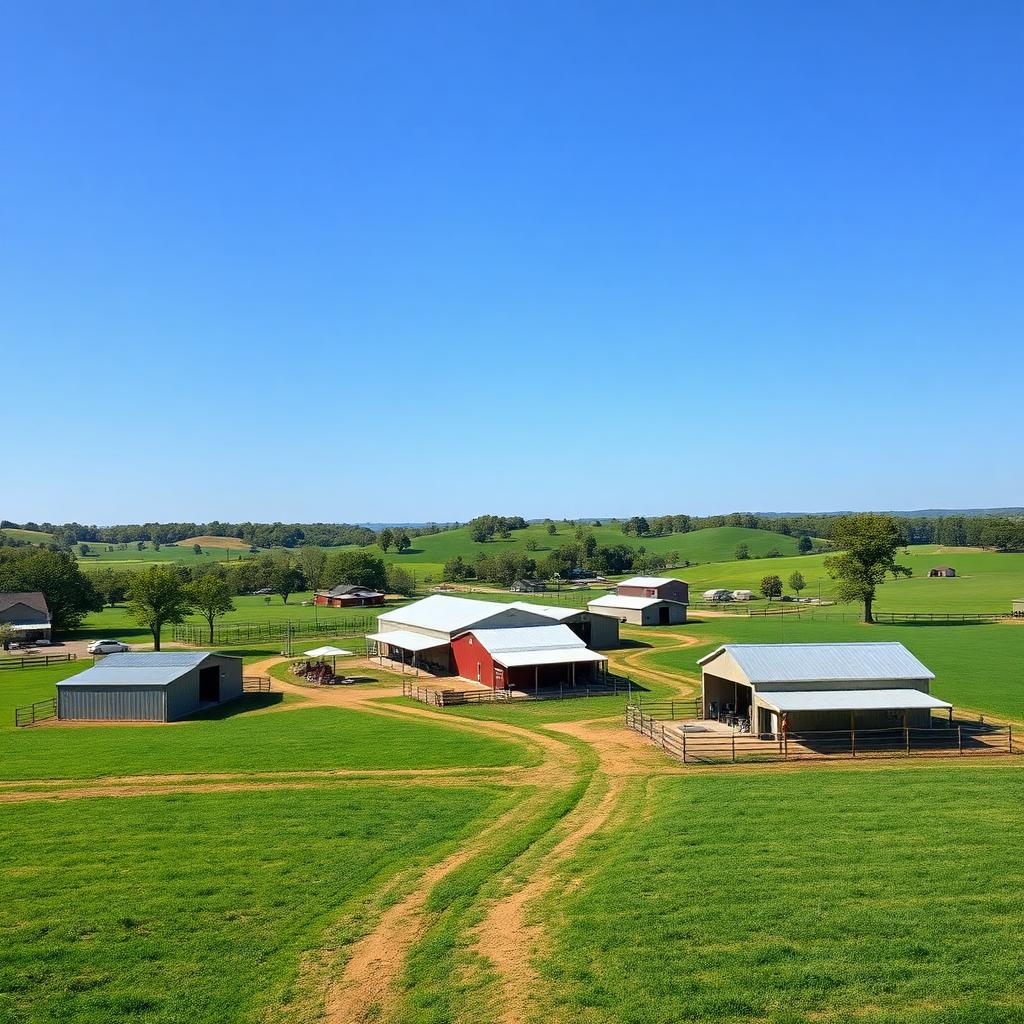
Northwest Arkansas poultry operations with active integrator contracts command premium prices
Navigate Arkansas Agricultural Property Laws
Arkansas has specific laws affecting agricultural land sales that differ from residential real estate transactions. Understanding these regulations protects both sellers and buyers.
- Right to Farm Laws:Arkansas's Right to Farm Act (Ark. Code § 2-4-101) protects agricultural operations from nuisance lawsuits—a selling point for buyers
- Agricultural Use Assessment:Properties receiving preferential tax treatment may face recapture if converted to non-agricultural use
- Water Rights:Arkansas follows reasonable use doctrine for groundwater—document your wells' permitted usage
- Conservation Easements:If your property has NRCS easements or wetland reserves, these restrictions transfer to buyers
Consider consulting an Arkansas agricultural attorney, especially for complex properties with multiple water rights, tenant leases, or conservation programs. Be aware of the hidden costs of owning raw land that buyers will want disclosed.
Identify and Target the Right Buyer Segments
Different types of Arkansas agricultural land attract distinct buyer pools. Matching your marketing to the right audience dramatically improves response rates and sale prices.
Delta Row Crop Land Buyers
- • Existing farmers expanding operations (often adjacent landowners)
- • Institutional investors (pension funds, REITs, family offices)
- • 1031 exchange buyers from higher-priced states
- • Beginning farmers using FSA loan programs
Ozark Cattle Ranch Buyers
- • Cattlemen expanding herds from Texas/Oklahoma
- • Recreational buyers seeking cattle + hunting combination
- • Retirees wanting hobby farm lifestyle
- • Urban professionals from Dallas, Tulsa, Kansas City
Poultry Farm Buyers
- • Contract growers seeking additional houses
- • New growers attracted by steady contract income
- • Investors viewing poultry as agricultural investment
- • Farm families transitioning from cattle to poultry
Timberland Buyers
- • Timber Investment Management Organizations (TIMOs)
- • Real Estate Investment Trusts (REITs) like Weyerhaeuser, PotlatchDeltic
- • Conservation organizations (TNC, land trusts)
- • Recreational buyers wanting hunting + timber income
Choose the Right Selling Method
Arkansas agricultural land can be sold through several channels, each with distinct advantages. Your choice depends on property type, timeline, and desired involvement level.
- Specialized Land Brokers: Firms like National Land Realty, Whitetail Properties, or Mossy Oak Properties maintain buyer databases and understand agricultural valuations. Expect 5-10% commission but gain access to serious buyers.
- Farm Auctions: Companies like Schrader Real Estate or Halderman create competitive bidding environments. Best for unique properties or when you want definite sale dates.
- Direct Sale (FSBO): List on LandWatch, Lands of America, and local farm publications. Requires more work but saves commission dollars.
- Cash Land Buyers: Companies like PlaceAcre purchase agricultural properties directly for cash. Fastest option with least hassle—ideal for inherited property or when speed matters.

Southern Arkansas timberland attracts institutional investors, TIMOs, and conservation buyers
Market Your Arkansas Agricultural Land Effectively
Agricultural land buyers expect detailed information beyond what residential buyers need. Your marketing materials should demonstrate the property's income potential and operational capabilities.
Essential Marketing Components:
- Aerial Drone Video: Showcase field layouts, drainage patterns, improvements, and terrain from above
- Production Data Package: Historical yields, crop inputs, and income statements
- Soil & Water Analysis: USDA soil maps with productivity indexes and water test results
- Infrastructure Inventory: Irrigation equipment, grain bins, fencing, buildings with ages and conditions
- GIS Property Map: Detailed map showing field boundaries, waterways, and access points
List on platforms that agricultural buyers use: LandWatch, Lands of America, Land.com, Arkansas Farm Bureau classifieds, and regional agricultural publications like Delta Farm Press.
Handle Tenant and Lease Considerations
Many Arkansas agricultural properties are leased to tenant farmers. These arrangements affect both marketability and timing. Buyers typically want vacant possession or assume favorable lease terms.
Key Lease Considerations:
- Review termination provisions—most Arkansas farm leases require notice by September 1 for the following crop year
- Document current lease rates—buyers use this to calculate investment returns
- Clarify who owns growing crops and when harvest payments are due
- Communicate with tenants early—quality tenants can be a selling point
Timing Tip: The best time to market Arkansas cropland is October through February, after harvest when buyers can evaluate fields and before spring planting commitments.
Sell to Cash Agricultural Land Buyers
Traditional agricultural land sales often take 12-24 months and involve complex due diligence, financing contingencies, and negotiation over equipment, leases, and program payments. For sellers who prioritize speed and certainty, cash land buyers offer a streamlined alternative.
PlaceAcre purchases Arkansas agricultural properties directly—no marketing required, no commissions, no FSA program complications. We understand how to sell agricultural land in Arkansas and can close in as little as 2-4 weeks.
- Fast Closings: Close in 2-4 weeks vs. 6-18 months for traditional sales
- No Marketing Required: Skip drone videos, brochures, and endless field showings
- Handle Complex Situations: Inherited farms, partnership dissolutions, or deferred maintenance
- Zero Seller Costs: No commissions, no closing costs, no surprises
Get Your Free Arkansas Farmland Valuation
Tell us about your Arkansas agricultural property and receive a no-obligation cash offer within 24 hours. We purchase farms, ranches, and timberland across all 75 Arkansas counties.
Get Your Free Cash Offer
Fill out the form below and receive a no-obligation offer within 24 hours
Key Takeaways for Selling Arkansas Agricultural Land
Questions about selling your Arkansas agricultural land? We're here to help.
830-500-5118