Seminole County, Oklahoma
Sell Seminole County, Oklahoma Land, Farms & Ranches Fast
From Wewoka, the county seat, to Seminole, the county's largest city, and out through Konawa, Bowlegs, and Sasakwa, this is rolling cross-timbers prairie between the Sac and Fox hills and Canadian River bottoms. The historic 1920s Seminole oil field left widespread severed mineral estates beside cattle pasture and hay ground. PlaceAcre can make a cash offer within 24 hours—with no agents, fees, or repairs.
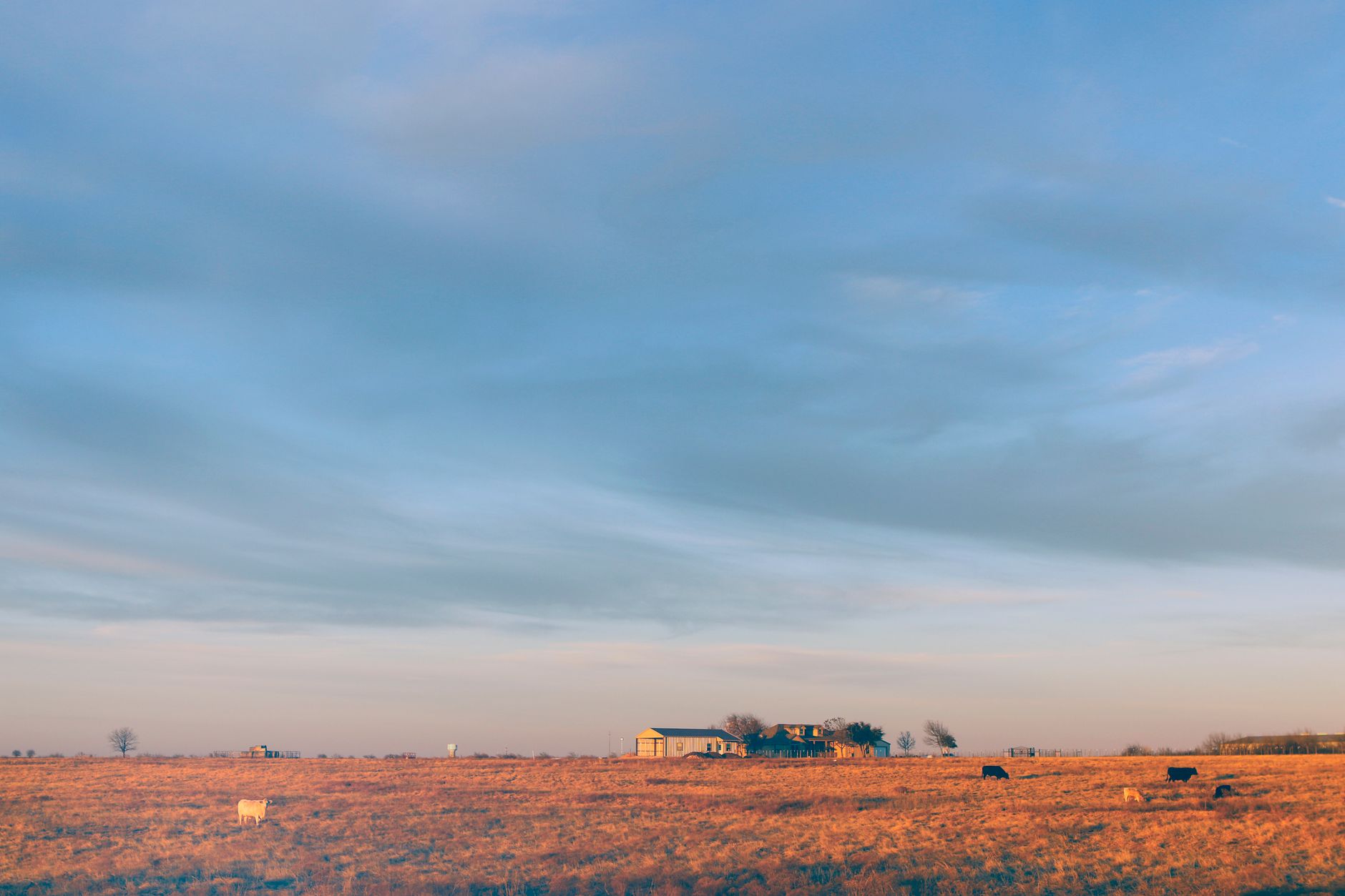
Rolling cross-timbers rangeland in Seminole County, Oklahoma.
Call or text: 830-500-5118
Get Your Cash OfferWhy We Buy Seminole County Property
Seminole County sits in east-central Oklahoma's cross-timbers transition zone, where rolling post-oak-and-blackjack prairie meets the Canadian River bottoms—a mix of pasture, hay ground, and small-acreage rural home sites, much of it part of the historic Seminole oil field discovered in 1923.
Decades of oil-and-gas activity left many parcels with severed surface and mineral estates, which can complicate a traditional sale—exactly the kind of clean-title challenge a direct cash buyer is built to handle. The county's small towns and rural acreage also draw buyers who want to close in cash without financing contingencies.
Why Landowners Choose Us in Seminole County
Fair Cash Offers
A clear written offer, even when the land has a severed mineral estate or an existing oil-and-gas lease.
No Fees or Commissions
No agent commission, listing charge, or fee is deducted from your direct-sale proceeds.
Any Condition Welcome
We consider land as it sits, including inherited allotment or heirship land and parcels with title work to resolve.
Types of Seminole County Land We Buy
Small Rural Acreage & Homesites
Buildable or unimproved tracts near Wewoka, Seminole, Konawa, Bowlegs, Sasakwa, and Maud.
Cattle Pasture
Fenced or open grazing acreage, with or without ponds, barns, working pens, or deferred maintenance.
Row-Crop & Hay Ground
Productive or idle fields in the county's prairie and Canadian River-bottom country.
Hunting Land
Cross-timbers cover and open ground supporting whitetail deer and bobwhite quail habitat.
Inherited or Heirship Land
Family property, including restricted Native allotment land common in this part of former Indian Territory.
Mineral-Interest Parcels
Oil-and-gas royalty or mineral-interest parcels where the surface estate has been severed.
Seminole County Land Market in 2026
Land.com reports a median asking price of approximately $4,019 per acre for active Seminole County listings. That is an asking-price figure—not closed-sale comparable data—and no county-specific assessor or extension-survey dataset was identified in this research pass.
For broader context, Oklahoma farm real estate averaged $2,880 per acre in 2025, up 5.9% from 2024, according to the USDA NASS Land Values Summary. That number is statewide, not specific to Seminole County, and individual pasture, homesite, hunting, and mineral-interest parcels can vary substantially.
Acreage, legal access, improvements, water, mineral status, leases, and title history all affect a parcel's likely value. Use the free Land Value Calculator for a starting estimate, or request a property-specific cash offer.
How the Process Works in Oklahoma
Deed Type
Oklahoma sales typically use a general or special warranty deed, depending on the transaction and title condition.
Where Closings Happen
Oklahoma closings are customarily handled through a title company rather than an attorney's office.
Typical Timeline
A cash sale often closes in 2-3 weeks. A severed mineral title search can take longer, especially in legacy oil counties like Seminole.
How Funds Are Disbursed
The title company generally disburses proceeds by wire transfer or cashier's check at closing.
Seminole County by the Numbers
Source: U.S. Census Bureau QuickFacts
23,556
Population (2020 Census)
640
Square Miles (633 land / 7.6 water)
$113,209
Median Home Value
39.2
Median Age
What Oklahoma Landowners Say
The examples below are illustrative and are not quotes from identified customers.
“The mineral ownership was separate from the surface, and I needed a buyer who understood why the title work mattered. The process stayed clear from the first review through closing.”
— Denise K., Wewoka-area mineral heir
“I wanted a firm cash number without preparing the pasture for showings or waiting on a financed buyer. The timing worked for my family and the ranch.”
— Randy T., Konawa cattle rancher
Fascinating Facts About Seminole County
The Seminole Nation's Capital
Wewoka has been the Seminole Nation's tribal capital since 1866. Its name means “barking water” in the Seminole language.
The 1923 Oil Boom
Discovery of the Seminole oil field near Wewoka triggered a boom that swelled the town from about 1,520 residents in 1925 to more than 20,000 by 1927—briefly making it Oklahoma's third-largest city.
A Statehood County
Seminole County was created in 1907 when Indian Territory and Oklahoma Territory merged to form Oklahoma. Voters chose Wewoka as county seat the following year.
Black Seminole Roots
Wewoka traces its founding to 1849, when Black Seminoles led by John Horse settled there. The historic “Whipping Tree,” associated with 19th-century Seminole Lighthorsemen justice, remains on the county courthouse grounds.
Seminole County Land Selling FAQ
How fast can I sell my Seminole County land?
Cash offers typically come within 24 hours, with closings in as little as 7-14 days once title is ready.
Do you buy ranches and farms in Seminole County?
Yes, including cattle pasture, hay ground, and row-crop acreage.
What's my Seminole County land worth?
It depends on acreage, access, mineral status, and land type. Use the free Land Value Calculator or request a no-obligation cash offer for a specific number.
Do you pay closing costs?
Yes, PlaceAcre covers standard closing costs on a direct cash sale.
Do you buy land with back taxes?
Yes, delinquent property taxes can typically be resolved as part of closing.
Do you buy land with a severed mineral estate or an existing oil and gas lease?
Yes. Seminole County's oil-field legacy means many parcels have a severed surface and mineral estate, and PlaceAcre routinely handles these more complex titles.
Where We Buy Land in Seminole County
Towns and communities we serve: Wewoka, Seminole, Konawa, Bowlegs, Sasakwa, and Maud.
Get Your Cash Offer Today
If a direct sale fits your plans, ask for a no-obligation offer on your Seminole County land.
Get Your Cash OfferGet Your Free Cash Offer
Fill out the form below and receive a no-obligation offer within 24 hours
Nearby Counties We Buy Land In
More Counties We Buy Land In Across Oklahoma
From the PlaceAcre Blog: Selling Land in Oklahoma
How to Sell Land by Owner in Oklahoma
Mineral Rights: What Land Sellers Need to Know
How to Sell Inherited Land in Oklahoma
When a direct sale makes sense for you, request an optional cash offer—there is no obligation to accept it.
Nearby Counties We Buy Land In
More Counties We Buy Land In Across Oklahoma
- Sell Land in Bryan County, OK
- Sell Land in Caddo County, OK
- Sell Land in Canadian County, OK
- Sell Land in Carter County, OK
- Sell Land in Cherokee County, OK
- Sell Land in Cleveland County, OK
- Sell Land in Comanche County, OK
- Sell Land in Creek County, OK
- Sell Land in Delaware County, OK
- Sell Land in Garfield County, OK
- Sell Land in Grady County, OK
- Sell Land in Kay County, OK
From the PlaceAcre Blog: Selling Land in Oklahoma
Practical guides from local landowners and the PlaceAcre team: