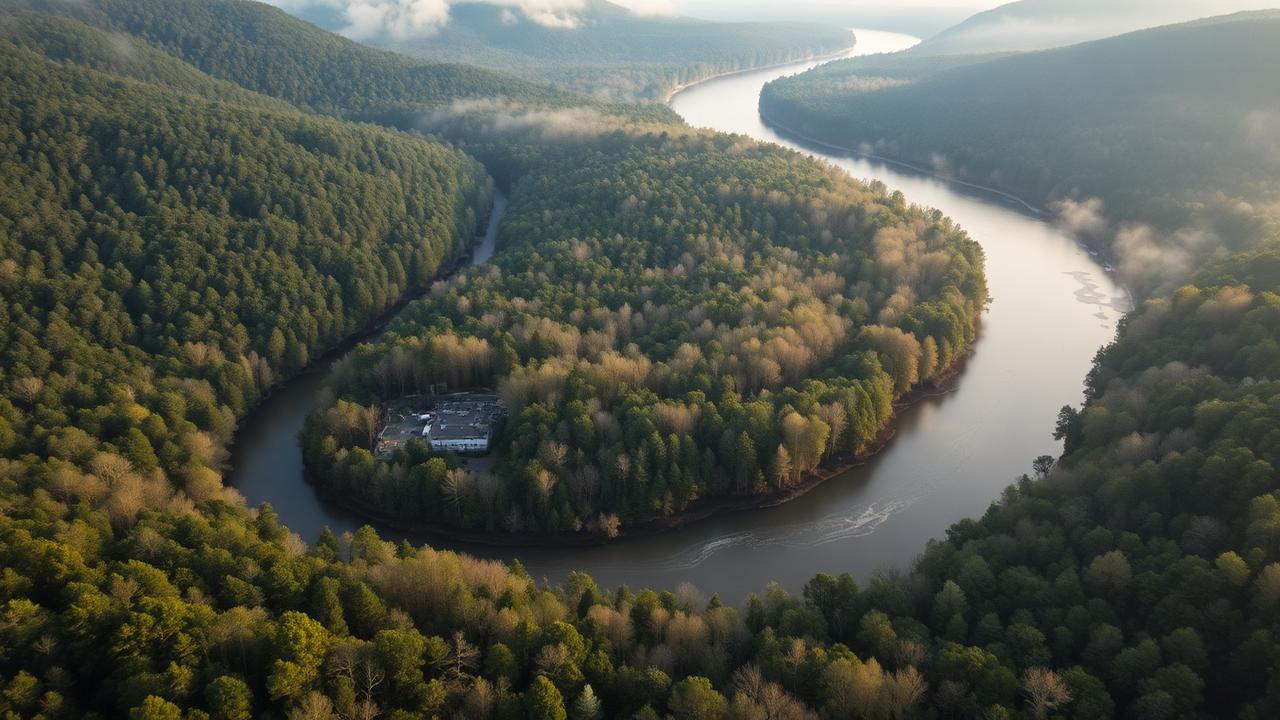
In a landmark announcement that has captured the attention of conservationists, outdoor enthusiasts, and land investors alike, Tennessee has officially designated its 16th state forest: the Wolf River State Forest in Fayette County, West Tennessee. This 5,477-acre tract along the scenic Wolf River represents one of the most significant conservation achievements in the state's recent history, coming at a critical time when development pressures threaten many of Tennessee's remaining natural landscapes.
The acquisition, which was finalized through a collaborative effort involving the Tennessee Department of Agriculture's Division of Forestry (TDF), The Conservation Fund, and several other conservation partners, marks a turning point in how Tennessee approaches the balance between development and preservation. The forest is set to open to the public in 2025, offering new opportunities for hiking, fishing, birdwatching, and sustainable forestry while permanently protecting vital wetlands, wildlife habitats, and water resources.
The Historic Ames Plantation Connection
The Wolf River State Forest encompasses a portion of the historic Ames Plantation, a name that resonates deeply with those familiar with Tennessee's agricultural and sporting heritage. Located approximately 60 miles east of Memphis, the Ames Plantation has been a cornerstone of West Tennessee's landscape for generations, known for its agricultural research programs and its role as host to the National Championship for Bird Dogs since 1896.
The decision to transfer this significant acreage to state forest status ensures that the land will be managed for multiple uses, including timber production, wildlife habitat conservation, watershed protection, and public recreation. This multi-use approach represents a model for how private landholdings can transition to public benefit while maintaining ecological integrity and economic productivity.
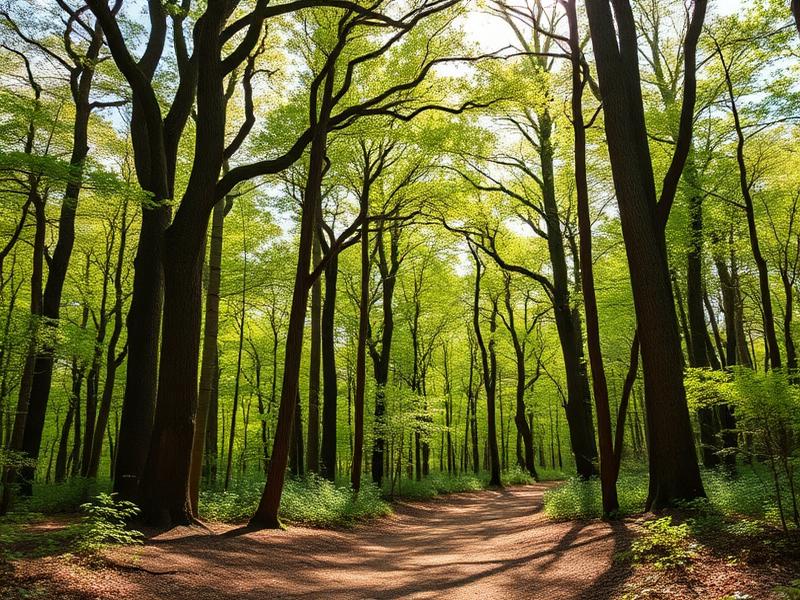
The Wolf River State Forest will feature hiking trails through mature hardwood forests, offering visitors a chance to experience Tennessee's natural beauty.
Why This Matters: Development Pressures in Tennessee
Tennessee has experienced explosive population and economic growth over the past decade. Cities like Nashville, Memphis, and Chattanooga have seen unprecedented development, with suburban sprawl extending further into previously rural areas. This growth, while economically beneficial, has placed enormous pressure on the state's natural resources and agricultural lands.
According to the American Farmland Trust, Tennessee loses approximately 50,000 acres of farmland and natural areas to development each year. West Tennessee, with its fertile soils and relatively affordable land prices, has been particularly vulnerable to this trend. The establishment of the Wolf River State Forest represents a significant countermeasure, permanently removing over 5,400 acres from the development pipeline.
Ecological Significance: Protecting the Wolf River Watershed
The Wolf River, which flows through the heart of the new state forest, is one of West Tennessee's most ecologically significant waterways. As a tributary of the Mississippi River, the Wolf River watershed provides critical ecosystem services including flood control, water filtration, and habitat connectivity for numerous species of fish, birds, and wildlife.
The state forest's wetland areas are particularly valuable. Wetlands act as natural sponges, absorbing excess rainfall and reducing downstream flooding—a service that becomes increasingly important as climate change brings more intense precipitation events to the region. These wetlands also serve as natural water treatment facilities, filtering sediments and pollutants before they reach larger waterways.
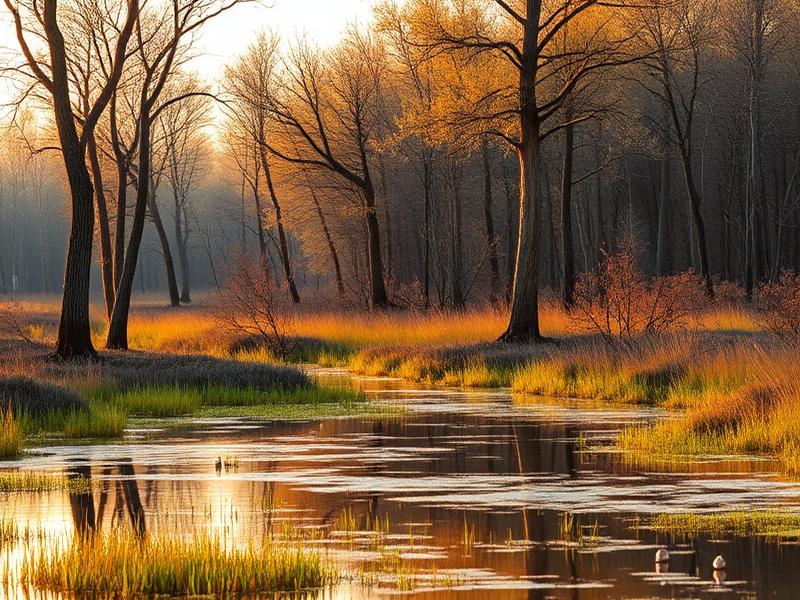
The forest's wetland areas provide critical habitat for waterfowl, wading birds, and numerous aquatic species while offering natural flood control benefits.
Recreation Opportunities: What Visitors Can Expect
When the Wolf River State Forest opens to the public in 2025, visitors will have access to a variety of recreational opportunities that showcase West Tennessee's natural beauty. The Tennessee Division of Forestry has outlined plans for developing the property while maintaining its ecological integrity.
Sustainable Forestry: Balancing Conservation and Economy
Unlike some conservation designations that prohibit timber harvesting, Tennessee's state forests are managed for sustainable forestry practices. This means that the Wolf River State Forest will continue to produce timber products while maintaining and enhancing ecological values. The Division of Forestry employs science-based management techniques that improve forest health, create diverse wildlife habitats, and generate revenue for state forest programs.
This approach demonstrates that conservation and economic productivity need not be mutually exclusive. Well-managed forests can provide timber, create jobs in rural communities, sequester carbon, protect water quality, and offer recreational opportunities—all simultaneously. The Wolf River State Forest will serve as a demonstration site for these sustainable practices.
Impact on the Regional Land Market
The designation of the Wolf River State Forest has implications for the broader West Tennessee land market. On one hand, removing 5,477 acres from potential development reduces the overall supply of land available for sale. On the other hand, the presence of a state forest can enhance property values for adjacent landowners by providing permanent open space, recreational amenities, and scenic views.
For landowners in Fayette County and surrounding areas considering their options, this development underscores the importance of understanding how conservation initiatives can affect property values. Whether you're looking to sell vacant land or hold for long-term appreciation, the changing landscape of West Tennessee presents both opportunities and challenges.
The conservation of the Wolf River corridor may also spur interest in adjacent properties for hunting, recreation, or rural residential use, as buyers seek to locate near protected public lands.
The Collaborative Conservation Model
One of the most noteworthy aspects of the Wolf River State Forest acquisition is the collaborative approach that made it possible. The Conservation Fund, a national nonprofit organization that has protected more than 8.5 million acres across America, played a crucial role in facilitating the transaction. By working with multiple partners—including state agencies, private landowners, and conservation organizations—the project demonstrates how complex land conservation deals can be structured to benefit all stakeholders.
This collaborative model may serve as a template for future conservation efforts in Tennessee and beyond. As development pressures continue to mount, creative partnerships between public agencies, nonprofit organizations, and private landowners will be essential for protecting the landscapes that define Tennessee's character.
Looking Ahead: The Future of Tennessee Conservation
The establishment of the Wolf River State Forest comes at a pivotal moment for Tennessee. With the state's population projected to continue growing and development pressures showing no signs of abating, decisions made today about land conservation will shape the state's landscape for generations to come.
State officials have indicated that they remain committed to expanding Tennessee's state forest system where opportunities arise. The success of the Wolf River acquisition may encourage other large landholders to consider conservation options for their properties, knowing that workable models exist for transitioning private lands to public benefit.
For those interested in Tennessee's land conservation efforts, the opening of Wolf River State Forest in 2025 will provide an opportunity to experience firsthand the benefits of thoughtful land stewardship. Whether you're a hiker, angler, birdwatcher, or simply someone who appreciates natural beauty, the new state forest promises to be a valuable addition to Tennessee's public lands portfolio.
The Wolf River State Forest stands as a testament to what can be achieved when conservation organizations, government agencies, and private landowners work together toward a common goal. In an era of rapid change and development pressure, this 5,477-acre preserve ensures that a significant piece of West Tennessee's natural heritage will remain intact for future generations to enjoy, study, and appreciate.
As Tennessee continues to grow and evolve, projects like the Wolf River State Forest remind us that progress and preservation can coexist—and that the choices we make about our land today will echo across the decades to come.