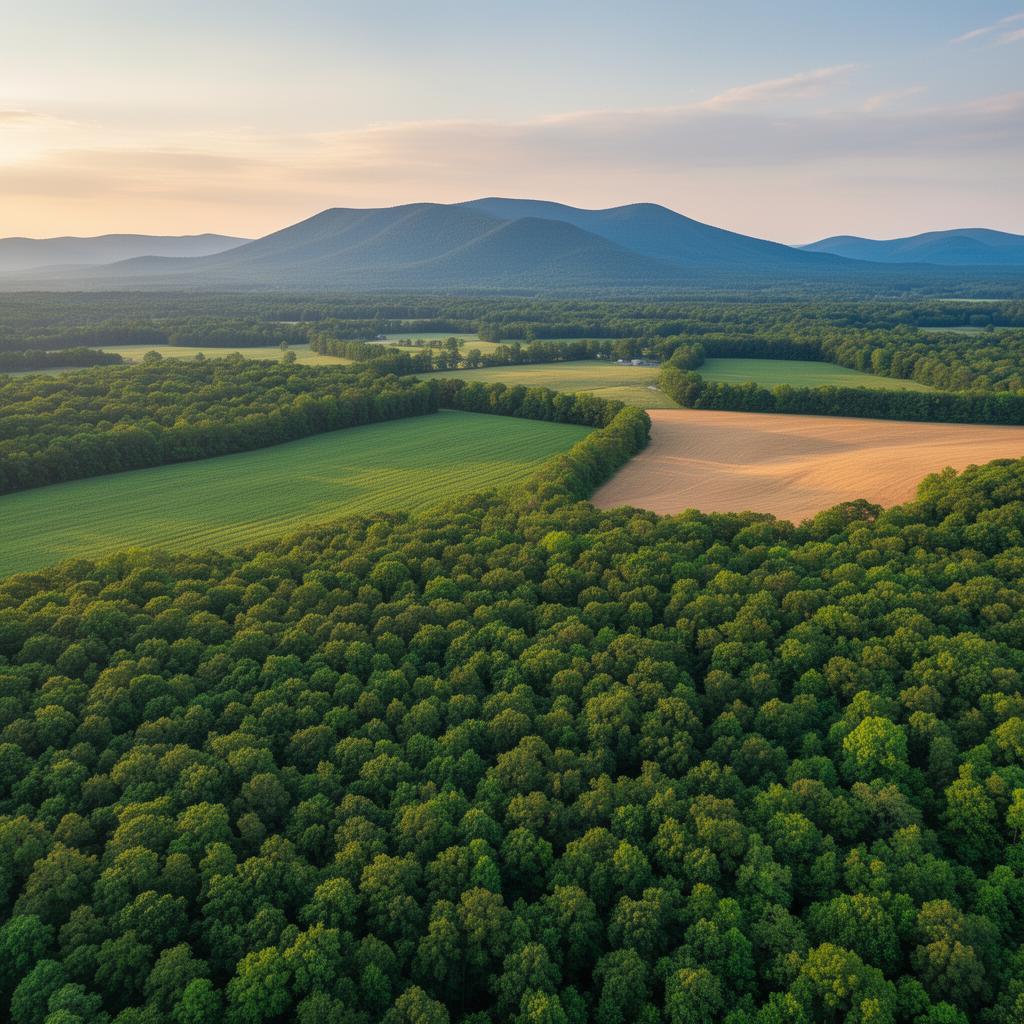
In what conservation advocates are calling a watershed moment for Virginia's environmental future, Governor Glenn Youngkin announced on November 10, 2025, a transformative $15.5 million investment through the Virginia Land Conservation Foundation (VLCF). This funding wave will permanently protect more than 8,600 acres of forests, working farms, and critical natural habitats across the Commonwealth—a decisive response to the twin pressures of climate change and explosive urban development.
The announcement comes at a pivotal moment for Virginia landowners and investors. As Northern Virginia's suburban sprawl continues its inexorable march westward and southward, swallowing farmland at an alarming rate, and as the state's first comprehensive climate assessment sounds the alarm on rising seas and intensifying heat events, the calculus of land ownership in Virginia is fundamentally shifting. For those considering their options—whether to hold, develop, or sell vacant land—this conservation push adds new dimensions to consider.
Key Highlights of the VLCF Funding Announcement
$15.5 Million in Grants
The largest single VLCF funding round in recent years, distributed across 42 conservation projects statewide
8,600+ Acres Protected
Forests, farms, wetlands, and natural habitats permanently preserved from development
Flood Mitigation Focus
Strategic acquisition of floodplains and wetlands to buffer communities from climate-driven flooding
Biodiversity Preservation
Protection of critical wildlife corridors and habitats for endangered species throughout Virginia
Virginia's Climate Wake-Up Call
The timing of this conservation investment is no coincidence. Virginia's first comprehensive climate assessment, released earlier this year, painted a sobering picture of environmental changes already reshaping the Commonwealth. Sea levels along Virginia's coast have risen approximately 17 inches since 1927—nearly twice the global average—with Hampton Roads now experiencing recurrent tidal flooding that was virtually unheard of a generation ago.
The assessment warns that without aggressive action, Virginia can expect more frequent and intense heat waves, increased precipitation volatility leading to both floods and droughts, and continued coastal erosion threatening billions of dollars in property and infrastructure. The VLCF grants directly address these threats by prioritizing land that provides natural flood protection and climate resilience.
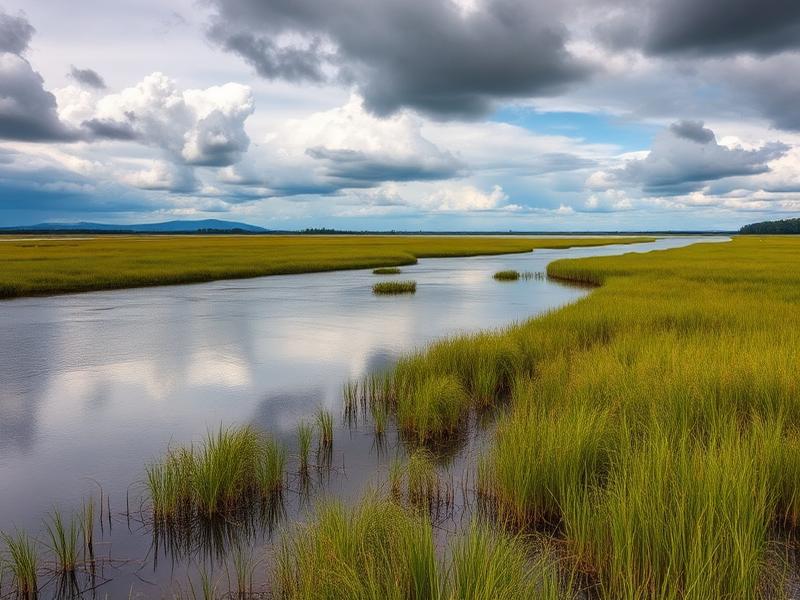
Virginia's coastal wetlands serve as critical buffers against storm surge and sea level rise
Virginia Climate Assessment: Key Findings
Northern Virginia's Relentless Development Pressure
While climate change represents a long-term existential threat to Virginia's landscape, the more immediate pressure comes from human development—particularly the explosive growth radiating outward from the Washington, D.C. metropolitan area. Northern Virginia counties like Loudoun, Prince William, and Fauquier have experienced some of the most rapid land conversion in the nation over the past two decades, with farms and forests giving way to subdivisions, data centers, and commercial development.
According to the Virginia Department of Forestry, the Commonwealth loses approximately 26,000 acres of forest cover annually to development. Agricultural land faces similar pressures: the USDA's Census of Agriculture shows Virginia lost more than 500,000 acres of farmland between 2002 and 2022, a decline of nearly 7%. Much of this loss is concentrated in the high-growth corridors surrounding Northern Virginia and Hampton Roads.
For landowners in these regions, the development pressure creates a stark choice. Rising land values driven by developer interest can make selling attractive, while conservation easements and VLCF-supported land trusts offer alternatives that preserve family legacies while providing tax benefits. Those looking to sell land fast in Virginia are increasingly weighing these considerations as the conservation landscape evolves.
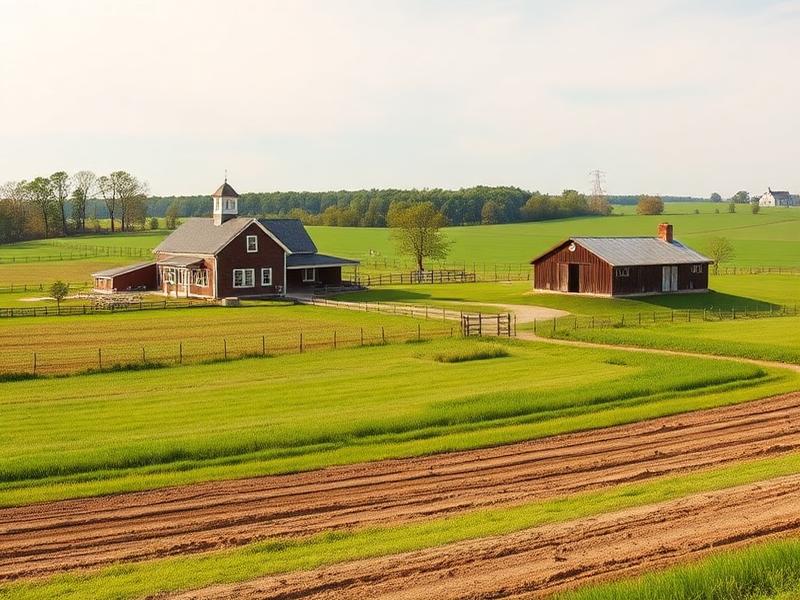
Virginia's working farms and forests represent both economic assets and irreplaceable environmental resources
Where the $15.5 Million Will Go
The VLCF grants support a diverse portfolio of conservation projects across Virginia's varied landscape. The funding flows to land trusts, local governments, and state agencies that have identified priority parcels for protection. Projects range from small urban greenspaces in Hampton Roads to sprawling mountain forests in Southwest Virginia.
Forest Conservation
$5.2MProtection of mature hardwood forests, wildlife corridors, and carbon sequestration areas
Agricultural Preservation
$4.1MWorking farm easements protecting productive agricultural land from development
Wetlands & Floodplains
$3.8MAcquisition of flood-prone areas providing natural stormwater management
Historic & Scenic
$2.4MProtection of battlefields, scenic viewsheds, and historic landscapes
What This Means for Virginia Landowners
Conservation Easements Gain Momentum
The VLCF funding signals continued state support for conservation easements, which can provide landowners with significant tax benefits while preserving family land. Easement values are often based on the difference between development value and restricted use value—making them particularly valuable in high-growth areas.
Development Land Becomes Scarcer
As more land enters permanent conservation status, the remaining developable parcels in growth corridors may command premium prices. Landowners sitting on development-potential property should carefully consider timing and market conditions.
Climate Considerations Affect Values
Flood-prone areas and coastal properties face increasing scrutiny from lenders and insurers. Land in protected upland areas may gain relative value as climate risks are priced into the market more aggressively.
Agricultural Land Sees New Interest
Working farms protected under agricultural easements often remain productive while providing owners with financial flexibility. The VLCF's focus on preserving productive farmland highlights its ongoing economic viability.
Balancing Growth with Green Spaces
Not everyone celebrates aggressive land conservation. Critics argue that removing land from potential development exacerbates Virginia's housing affordability crisis, particularly in Northern Virginia where demand far outstrips supply. The Commonwealth's population continues to grow, driven by federal contractor jobs, technology sector expansion, and quality-of-life migration from more expensive metropolitan areas.
"We need thoughtful planning that includes conservation, but we also need places for people to live and work," notes one Northern Virginia county supervisor quoted in local media. "Locking up too much land in permanent conservation can drive up housing costs and push development into areas less equipped to handle it."
Proponents counter that conservation and development aren't mutually exclusive. Well-planned conservation can actually enhance property values in adjacent areas by guaranteeing green space access, protecting water quality, and creating recreational amenities. The Virginia Outdoors Plan, which guides VLCF priorities, emphasizes connecting conservation lands to create greenway corridors that serve both ecological and recreational functions.
For individual landowners, the debate underscores the importance of understanding local market dynamics and conservation opportunities. A parcel's highest and best use depends on many factors—location, zoning, natural features, and the landowner's personal goals and financial situation.
Looking Ahead: Virginia's Conservation Future
The $15.5 million VLCF investment represents just one piece of Virginia's evolving conservation landscape. The state has set ambitious goals to protect 30% of its lands and waters by 2030, aligning with national conservation targets. Meeting this goal will require continued public investment, private landowner participation, and creative partnerships between government, land trusts, and communities.
For Virginia landowners considering their options, this moment presents both challenges and opportunities. Whether preserving family land through a conservation easement, selling development rights while retaining ownership, or choosing to sell outright to either conservation buyers or developers, understanding the full range of possibilities has never been more important.