Maryland Hits 30% Land Conservation Milestone Early—What It Means for Future Land Buyers and Sellers
The Old Line State becomes a national leader in land preservation, with major implications for property values and development across the region
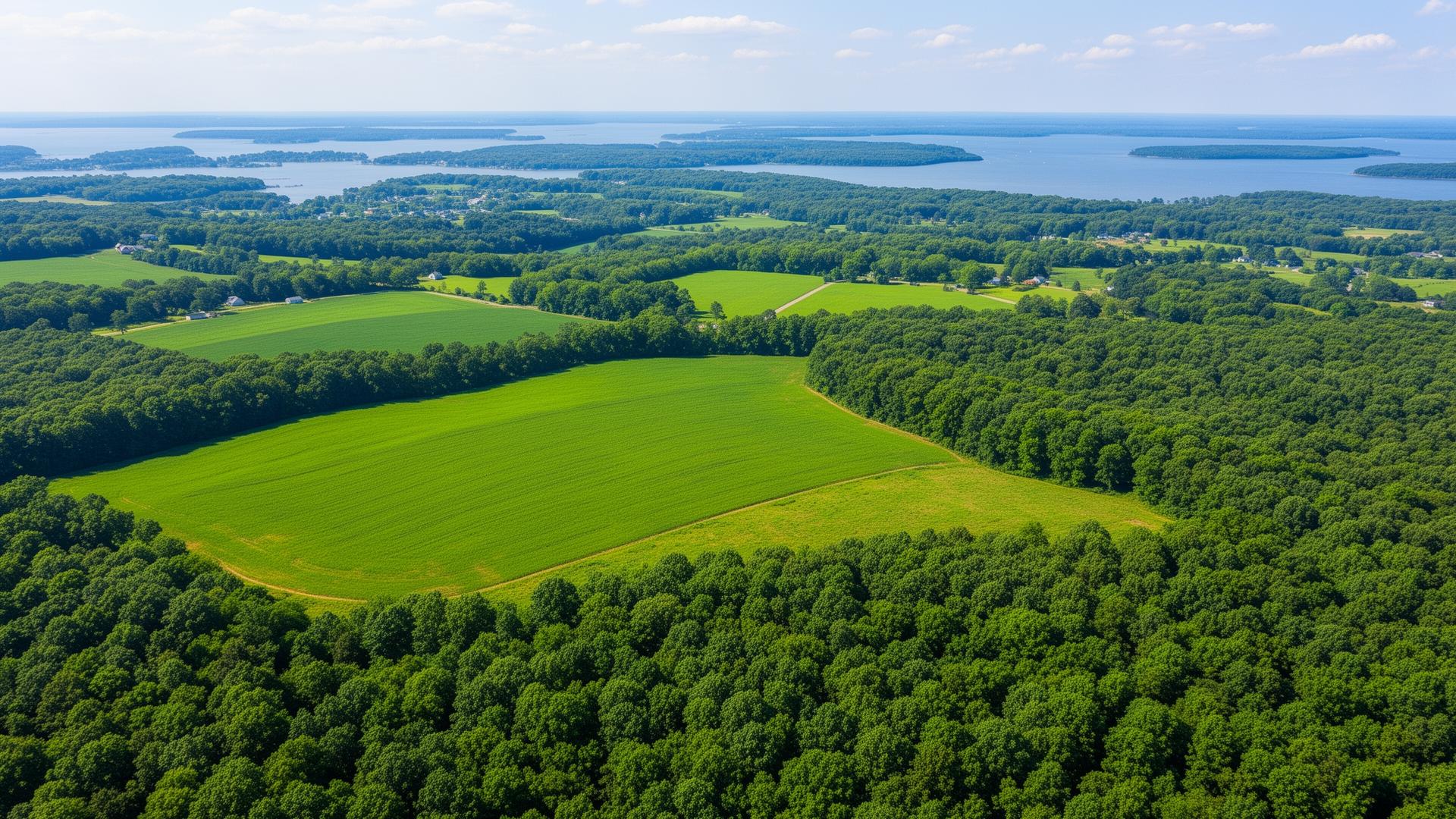
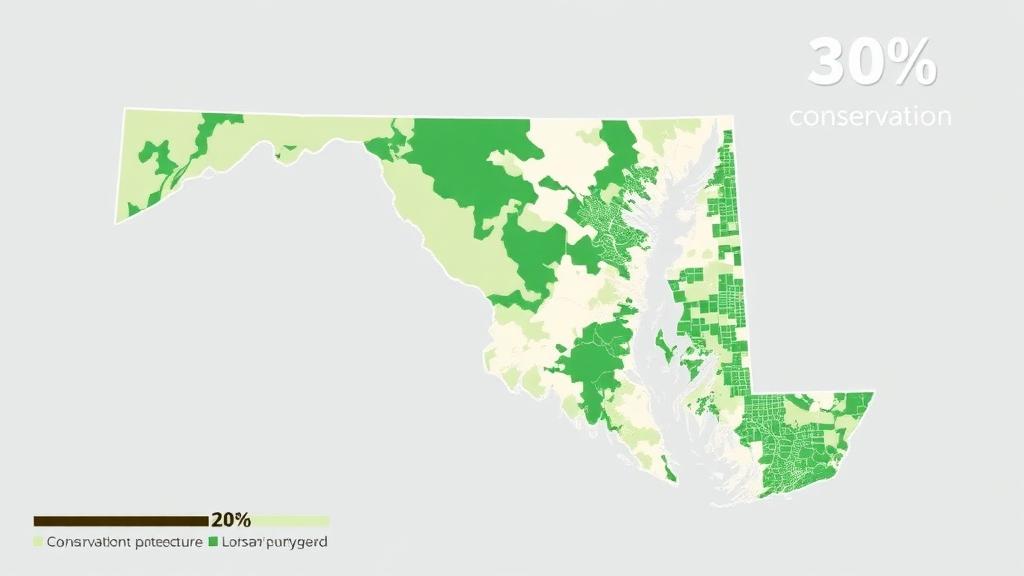
In a landmark achievement for environmental conservation, Maryland has officially reached its ambitious goal of protecting 30% of its land and waterways—a full four years ahead of the 2030 target date. According to the Maryland Department of Natural Resources (DNR), the state has now permanently preserved over 1.9 million acres of forests, farmland, wetlands, and critical habitat areas, making it one of the first states to achieve the federal "30 by 30" conservation initiative.
This historic milestone carries profound implications for landowners across the state. Whether you're considering selling agricultural land, purchasing rural property, or simply understanding how conservation policies affect local real estate markets, this development reshapes the landscape of land transactions in Maryland for years to come.
Understanding the 30 by 30 Initiative
The "30 by 30" initiative is a global conservation framework endorsed by the Biden administration in 2021 through Executive Order 14008, aiming to conserve at least 30% of U.S. lands and waters by 2030. Maryland embraced this challenge with particular enthusiasm under Governor Wes Moore's administration, implementing aggressive land acquisition and conservation easement programs.
According to the USDA Natural Resources Conservation Service, Maryland has led the nation in utilizing federal conservation easement programs, with landowners voluntarily enrolling hundreds of thousands of acres in exchange for fair compensation while retaining ownership and agricultural use rights.
The state's success stems from a multi-pronged approach: the Rural Legacy Program, Maryland Agricultural Land Preservation Foundation (MALPF), Program Open Space, and strategic partnerships with land trusts like the Nature Conservancy and Chesapeake Conservancy. Together, these programs have created a patchwork of protected lands that now covers nearly one-third of the state's total land area.
Impact on Property Values and Market Dynamics
The conservation milestone creates a fascinating paradox in Maryland's land market. On one hand, the increased protection of rural lands limits the overall supply of developable acreage, which typically drives up prices for unprotected parcels. On the other hand, landowners with conservation easements often find their property tax burdens significantly reduced while maintaining the land's agricultural productivity.
Key Market Effects
- •Reduced Land Supply: With 30% of land now permanently protected, available acres for development become increasingly scarce, potentially boosting values for unrestricted parcels in growth corridors.
- •Easement Payments: Landowners can receive substantial cash payments—often $3,000 to $10,000+ per acre—for placing conservation easements on their property while retaining ownership.
- •Tax Advantages: Properties under conservation easements typically qualify for reduced property tax assessments and potential federal tax deductions.
- •Premium for Unrestricted Land: Buyers seeking development potential may pay premiums for parcels without conservation restrictions, especially near urban growth boundaries.
According to real estate analysts, unrestricted agricultural land in Maryland's central and western counties has appreciated 15-25% faster than the national average over the past five years, driven partly by the shrinking supply of developable parcels. This trend is expected to accelerate as conservation programs continue and development pressure from the Washington D.C. and Baltimore metropolitan areas intensifies.
What This Means for Maryland Land Sellers
For landowners considering selling property in Maryland, the conservation milestone creates both opportunities and strategic considerations. Understanding your land's status relative to protected areas, development zones, and market trends is more critical than ever.
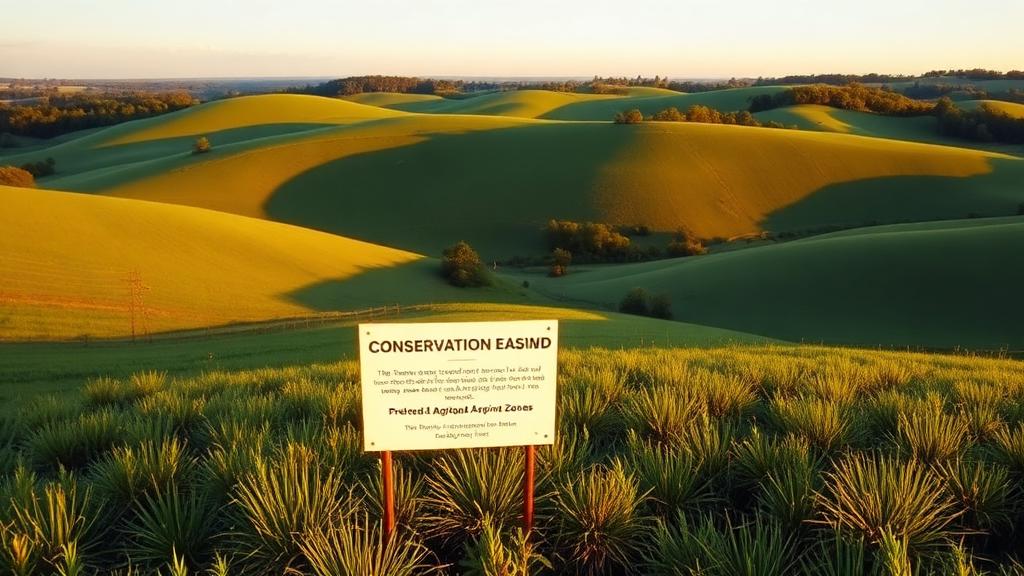
If your land is under a conservation easement: While development rights may be restricted, your property still holds significant value for agricultural operations, outdoor recreation, hunting leases, or rural residential use. Buyers specifically seeking preserved farmland or recreational retreats often pay competitive prices for easement-protected properties because they value the permanent protection from neighboring development.
If your land is unrestricted: The scarcity factor works in your favor. With fewer acres available for potential development or subdivision, buyers—particularly investors and developers—may be willing to pay premium prices for unrestricted parcels in strategic locations. This is especially true in counties experiencing population growth from the D.C. suburbs.
Whether you own farmland in Frederick County, timberland on the Eastern Shore, or rural acreage in Western Maryland, now may be an optimal time to explore your options. If you're looking to sell vacant land in Maryland, understanding these market dynamics is essential for maximizing your property's value.
Regional Conservation Breakdown
Western Maryland
Garrett, Allegany, Washington Counties
Over 45% of land now protected, including vast state forests and mountain wilderness areas. Agricultural valleys remain valuable for farming and rural residential development.
Central Maryland
Frederick, Carroll, Howard, Montgomery Counties
Highest development pressure meets aggressive farmland preservation. Unrestricted parcels command premium prices; conservation easement payments reach peak levels.
Eastern Shore
Talbot, Queen Anne's, Dorchester, Wicomico Counties
Critical Chesapeake Bay watershed protections drive conservation. Waterfront and agricultural land values remain strong despite development restrictions.
Southern Maryland
Charles, Calvert, St. Mary's Counties
Balanced growth with preservation. Military base proximity and D.C. commuter demand create opportunities for both protected farmland and developable parcels.
Opportunities for Land Buyers
Prospective land buyers in Maryland face a transformed marketplace. The 30% conservation achievement means buyers must be more strategic about identifying properties that match their intended use—whether that's agricultural production, recreational retreat, potential development, or long-term investment.
Due Diligence is Critical
Before purchasing any rural property in Maryland, verify its conservation status. Check with the Maryland Department of Natural Resources and local land use offices to determine if the parcel carries any easements, restrictions, or is located within a designated preservation area. What appears to be developable land may have hidden restrictions that affect your plans.
For buyers seeking land without restrictions, competition is intensifying. Properties in growth corridors near Frederick, Hagerstown, and the I-95 corridor between Baltimore and the Pennsylvania border are particularly sought after. Buyers should be prepared to move quickly and offer competitive terms when suitable parcels become available.
Conversely, buyers interested in conservation-friendly uses—sustainable farming, hunting properties, or rural estates—may find excellent opportunities on easement-protected lands. These properties often sell at discounted prices relative to unrestricted parcels while offering guarantees against future neighboring development that could impact the rural character.
Looking Ahead: What's Next for Maryland Land?
With the 30% goal achieved, state officials are already discussing even more ambitious targets. Governor Moore's administration has floated the possibility of pursuing a "40 by 40" goal, which would place additional pressure on remaining unprotected farmland and rural parcels. The Maryland Department of Agriculture continues to prioritize farmland preservation, with $100 million+ annually allocated to easement purchases.
Climate resilience is also reshaping conservation priorities. Lands that provide flood mitigation, carbon sequestration, and watershed protection are receiving increased attention and funding. The Chesapeake Bay watershed restoration efforts alone involve billions of federal and state dollars flowing into Maryland's rural regions, creating additional incentives for landowners to participate in conservation programs.
For landowners sitting on the fence about selling, the message is clear: the window for capturing maximum value from unrestricted land may be narrowing as conservation programs continue to expand. Conversely, those interested in conservation easement payments should act while funding remains robust and competition for program participation is manageable.
Own Land in Maryland? Get a Fair Cash Offer Today
Whether your property is under conservation easement or unrestricted, we provide fair cash offers and close on your timeline. No fees, no hassles—just a straightforward transaction.
Trusted land buyers serving all Maryland counties
The Bottom Line
Maryland's achievement of the 30% land conservation milestone marks a watershed moment for the state's environmental legacy and real estate landscape. For landowners, buyers, and investors, understanding how this policy success affects property values, development potential, and market dynamics is essential for making informed decisions.
The conservation push creates clear winners: landowners who capitalize on easement programs, buyers who secure unrestricted parcels before supply tightens further, and communities that benefit from preserved open spaces and agricultural heritage.
As Maryland moves toward even more ambitious conservation targets, the time for strategic action is now. Whether you're looking to sell land, explore easement options, or acquire property in this evolving market, understanding the full implications of this historic milestone will position you for success in Maryland's new land economy.