
One of the hottest stories gripping the U.S. land and real estate sector right now is the explosive surge in relocations from high-tax, high-regulation states like New York to Florida—dubbed the "Mamdani Migration" after Zohran Mamdani's recent electoral win in New York, which has amplified fears of aggressive progressive policies on taxes and business regulation.
This isn't just anecdotal. Real estate agents in Palm Beach and Miami are reporting an unprecedented flood of inquiries from New York City clients, with property showings spiking dramatically immediately following the election results. Businesses across the Northeast are pausing major investments to scout Southern properties, and commercial real estate brokers are working overtime to handle the demand. It's a textbook example of how policy shifts are driving interstate land transfers, turning Florida into a de facto winner in America's ongoing competition for economic freedom.
The Political Catalyst: Understanding the Mamdani Effect
Zohran Mamdani's victory in New York has become symbolic of a broader political shift that's sending shockwaves through real estate markets. His platform, which includes aggressive wealth redistribution policies, higher corporate taxes, and increased business regulations, has created what economists are calling a "policy migration accelerator."
According to U.S. Census Bureau data, Florida has been the nation's top destination for domestic migration for several consecutive years, but the pace has accelerated dramatically in recent months. The state welcomed over 319,000 net new residents from other states in 2024 alone, with New York contributing the largest single share at over 91,000 individuals.
The Real Estate Response: Markets in Overdrive
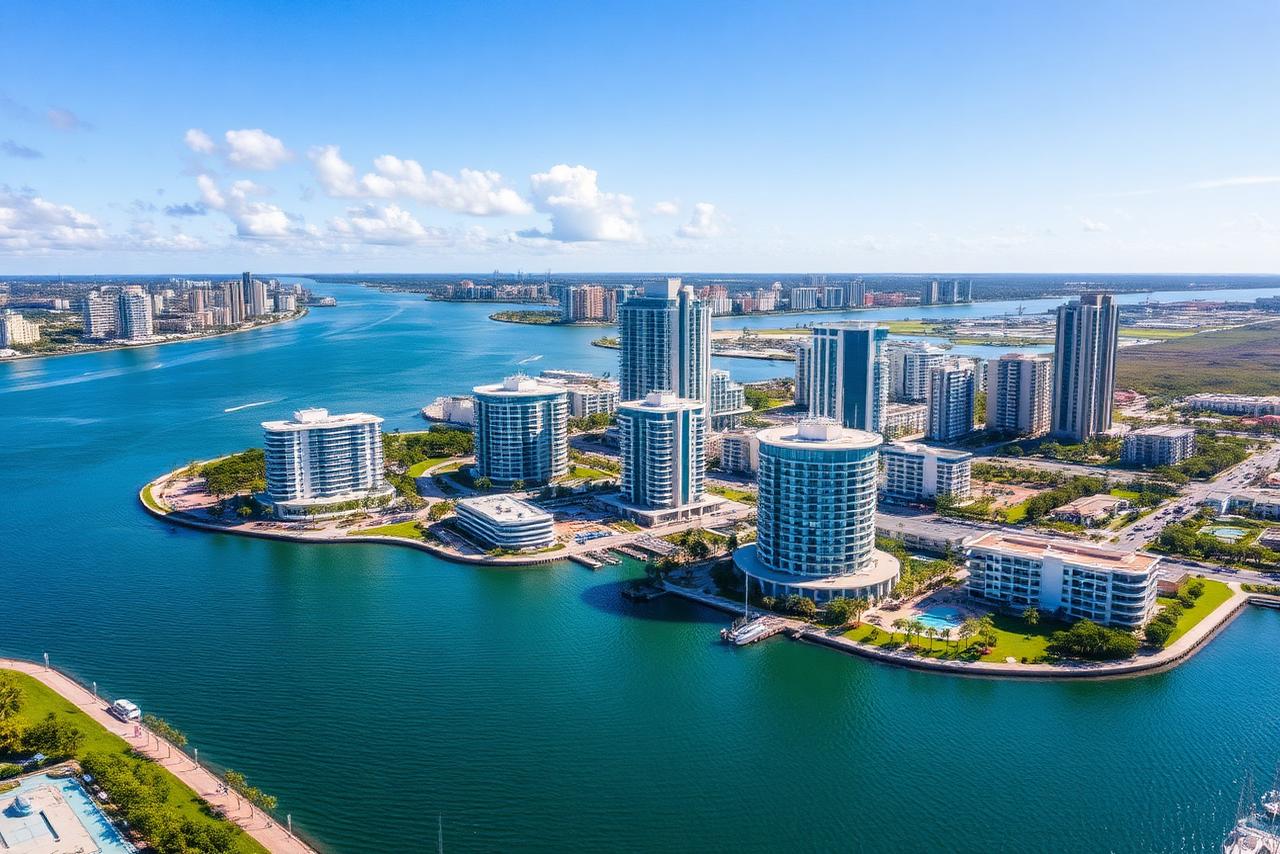
Real estate professionals on the ground in Florida are witnessing unprecedented demand. Luxury real estate agents in Palm Beach County report that showings have increased by 40-60% in the weeks following the New York election, with many clients explicitly citing concerns about future tax policies in their home states.
Miami's commercial real estate sector is experiencing similar momentum. According to National Association of Realtors data, commercial property inquiries in South Florida have surged 35% year-over-year, with a significant portion coming from Northeast-based businesses exploring relocation options.
Market Snapshot: Florida vs. High-Tax States
Business Migration: More Than Just Residency
The migration isn't limited to individuals seeking better tax treatment. Entire businesses are evaluating relocation strategies, creating unprecedented demand for commercial and industrial land throughout Florida.
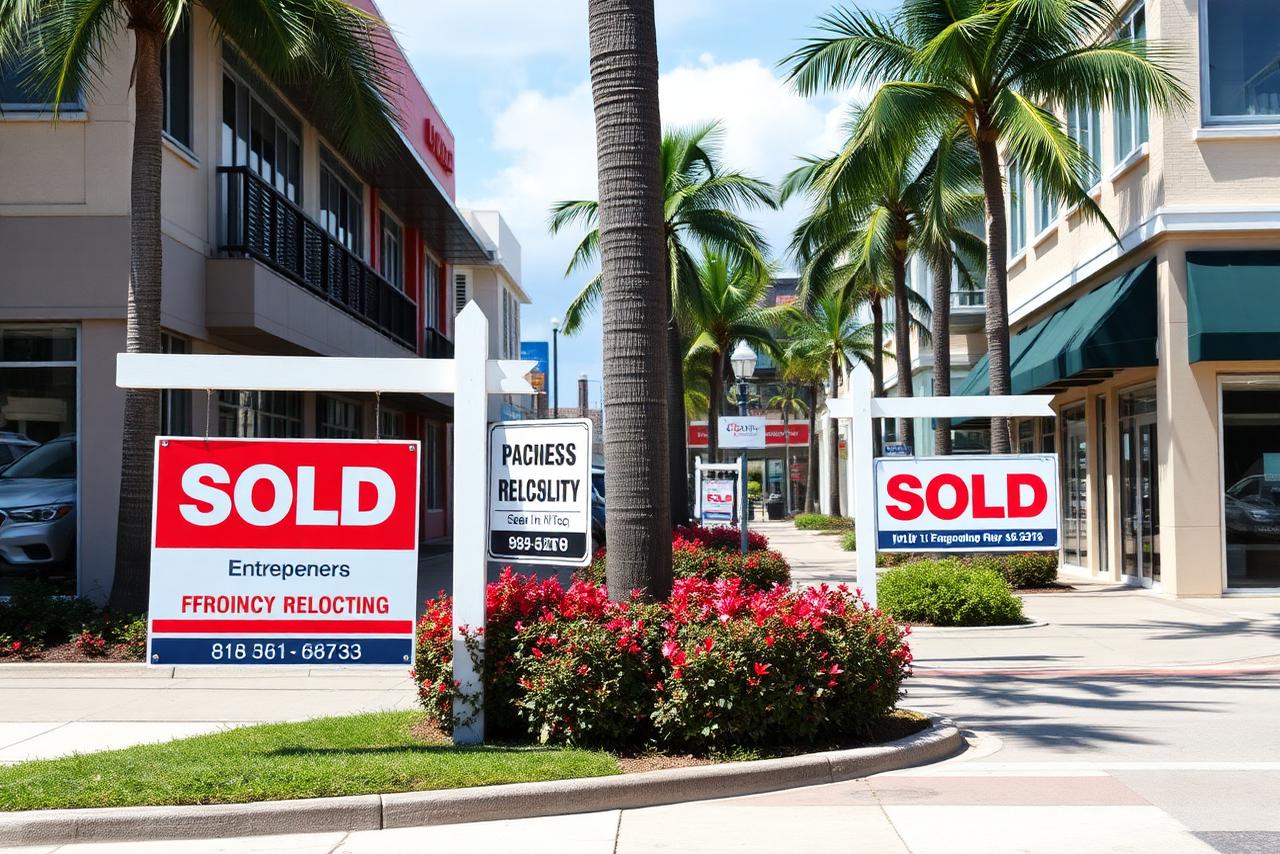
Financial services firms, technology companies, and manufacturing operations are all exploring Florida as a business-friendly alternative. The state's combination of zero personal income tax, relatively low corporate taxes, and pro-business regulatory environment creates a compelling value proposition that's becoming impossible for companies to ignore, especially when faced with potential policy changes in their home states.
Enterprise Florida, the state's official economic development organization, reports handling a record number of business relocation inquiries, with many explicitly referencing concerns about policy directions in high-tax states. The organization notes that businesses aren't just interested in office space—they're looking to sell vacant land in other states and acquire development-ready parcels in Florida for long-term strategic positioning.
Land Market Implications: Winners and Losers
The redistribution of wealth and economic activity from high-tax to low-tax states is creating clear winners and losers in the national land market. Florida land values have appreciated significantly, particularly in counties like Miami-Dade, Broward, Palm Beach, and rapidly developing areas like Sarasota and Fort Myers.
Florida Gains
- ✓Residential land values up 18-25% year-over-year in prime counties
- ✓Commercial development sites seeing bidding wars
- ✓Record low inventory driving accelerated price appreciation
- ✓$36.3 billion in annual income migration strengthening local economies
Northeast Challenges
- ✗Commercial vacancy rates rising in major cities
- ✗Suburban and rural land seeing declining interest from developers
- ✗Property tax base erosion as high earners depart
- ✗Extended time on market for commercial and investment properties
The contrast is stark: while Florida land transactions are closing above asking price with multiple offers, properties in high-tax states are experiencing longer market times and increased price reductions. This divergence is creating opportunities for savvy investors who understand the policy-driven dynamics reshaping American land markets.
The Long-Term Outlook: Sustainable or Bubble?
The critical question for land investors and property owners is whether the "Mamdani Migration" represents a sustainable trend or a temporary bubble driven by political uncertainty. Market analysts suggest the migration pattern has structural foundations that will likely persist regardless of short-term political fluctuations.
Florida's population growth is supported by several durable factors beyond taxes: climate preferences (especially among retirees), business-friendly regulatory environment, no estate tax, robust infrastructure investment, and a diverse economy that extends beyond tourism to include finance, technology, healthcare, and logistics.
However, the rapid appreciation has created concerns about affordability and infrastructure capacity. Florida's insurance market challenges, particularly related to hurricane risk, and questions about water supply and environmental sustainability in rapidly developing areas present legitimate concerns for long-term investors.
Strategic Implications for Land Owners
For landowners in both receiving and sending states, the "Mamdani Migration" creates distinct strategic considerations:
For Florida Landowners:
- Capitalize on Peak Demand: Current market conditions represent potentially historic pricing opportunities, especially for development-ready parcels in high-growth corridors.
- Position for Commercial Use: Properties suitable for commercial or mixed-use development are commanding premium valuations.
- Consider Long-Term Hold: If migration trends continue, appreciation may persist for years, making strategic holds attractive for positioned investors.
For High-Tax State Landowners:
- Evaluate Exit Strategies: Properties that were held for appreciation may need reassessment if demographic outflows continue.
- Understand Market Reality: Extended selling timelines and price adjustments are becoming more common in outflow states.
- Consider Alternative Uses: Properties struggling to attract traditional buyers might find value through conservation easements, alternative uses, or quick-sale to land investment companies.
Conclusion: Policy as Land Market Driver
The "Mamdani Migration" demonstrates a fundamental truth about American land markets: policy matters. When state policies create meaningful differences in tax treatment, regulatory burden, and business environment, mobile capital and individuals will relocate to more favorable jurisdictions.
This policy-driven migration is reshaping American land markets in real time, creating clear winners in low-tax, business-friendly states like Florida and challenging markets in high-tax jurisdictions. For land investors, property owners, and businesses evaluating real estate strategy, understanding these migration patterns isn't just helpful—it's essential.
The question isn't whether policy drives land values—the data clearly shows it does. The question is whether current policies in high-tax states will adjust to stem outflows, or whether Florida and similar states will continue capturing America's most mobile wealth and businesses. Either way, the "Mamdani Migration" has already written a new chapter in how politics reshapes American land markets.
Related Resources & Data Sources
Considering Selling Land in High-Tax States?
Get a fast, fair cash offer from Place Acre. We buy land nationwide, regardless of location or market conditions.