Spotlight on South Carolina: Heirs' Property Crisis
Unlocking Family Land in the Lowcountry – A Battle for Heritage and Equity
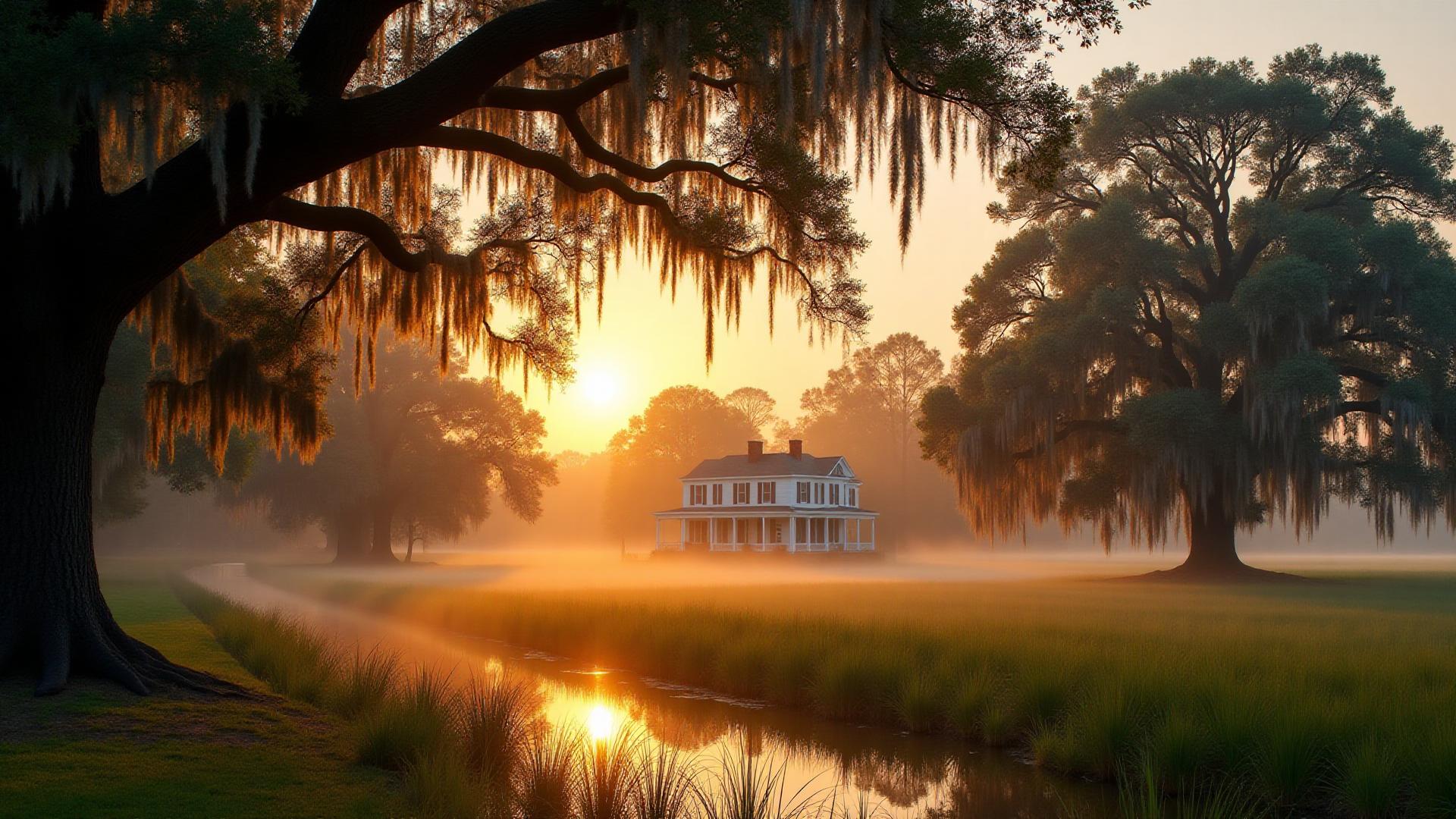
In the heart of South Carolina's Lowcountry, where Spanish moss drapes ancient oak trees and tidal marshes stretch toward the Atlantic, a quiet crisis threatens to erase generations of Black land ownership. This is the story of heirs' property—family land passed down informally through generations without clear legal titles—and the thousands of families fighting to preserve their ancestral heritage in one of America's most rapidly developing coastal regions.
The issue exploded into national consciousness with a November 18, 2024 New York Times feature highlighting Gullah-Geechee families whose ancestral lands have become entangled in murky ownership chains, making them vulnerable to disputes, tax sales, and predatory development. It's a human-interest crisis blending heritage, equity, and opportunity—with profound implications for anyone looking to understand or sell vacant land in the region.
Understanding Heirs' Property
A legal structure that leaves families vulnerable
Heirs' property occurs when land passes through generations without a formal will or estate planning. Instead of a single clear owner, the property belongs collectively to all descendants—sometimes dozens or even hundreds of people. This creates a tangled web of "tenancy in common" where any heir can force a sale, even against the wishes of family members living on or caring for the land.
In South Carolina alone, an estimated 40,000 to 80,000 properties are caught in this legal limbo. According to the Clemson University Heirs' Property Study, these properties represent billions of dollars in wealth that families cannot leverage for loans, development, or even basic property improvements because they lack clear title.
The Gullah-Geechee Connection
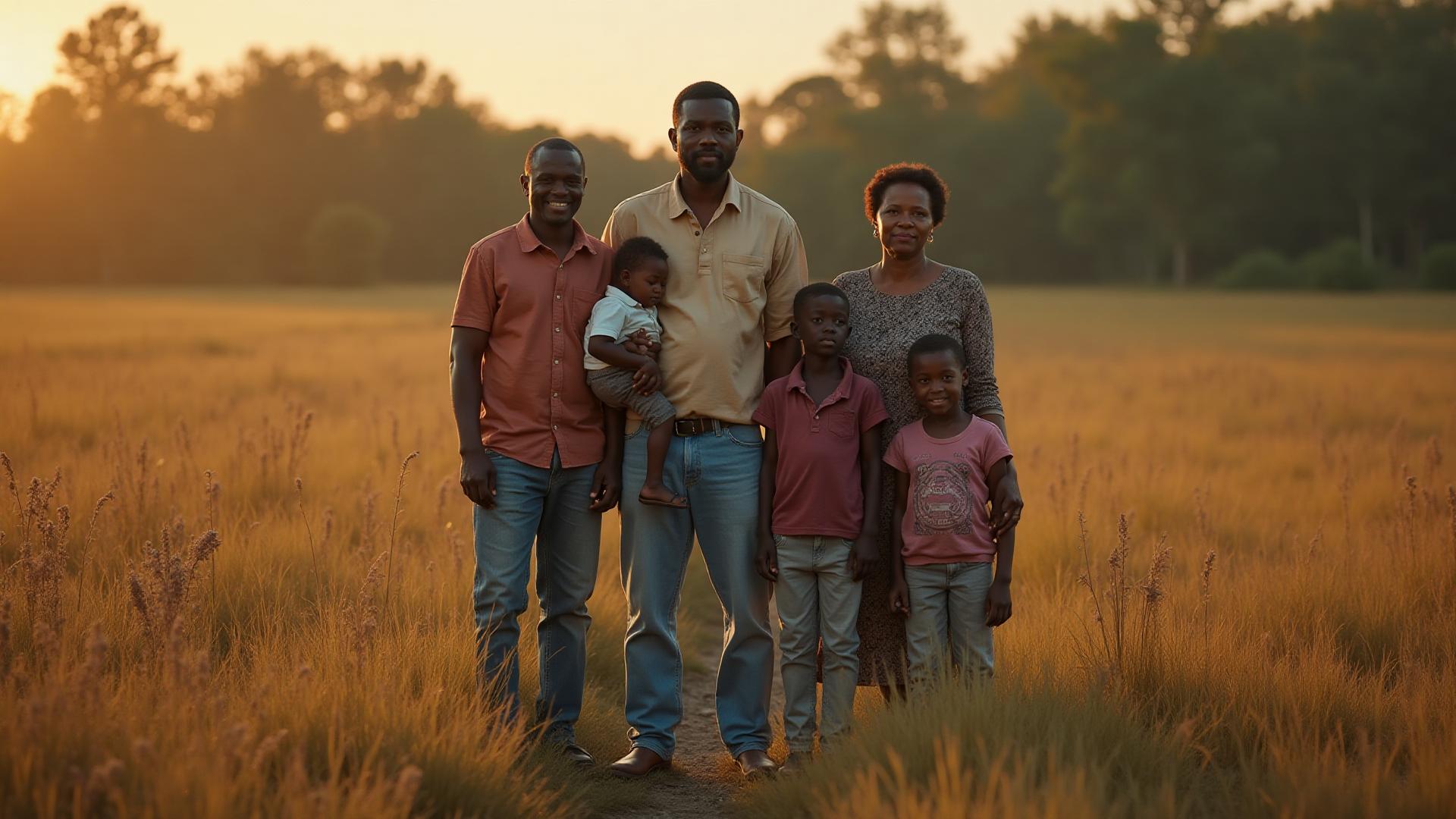
The heirs' property crisis disproportionately affects Gullah-Geechee communities—descendants of enslaved Africans who created a unique culture in the coastal regions of South Carolina, Georgia, and North Carolina. After emancipation, many formerly enslaved people acquired land in these areas, establishing self-sufficient communities that preserved African traditions, language, and customs.
For over 150 years, these families maintained their connection to the land through oral tradition rather than legal documentation. In tight-knit communities where everyone knew who owned what, formal deeds seemed unnecessary. But as property values have skyrocketed—driven by coastal development, tourism, and wealthy buyers seeking beachfront estates—this informal system has become a liability.
Cultural Significance
The Gullah-Geechee Cultural Heritage Corridor, designated by Congress in 2006, stretches from Wilmington, North Carolina to Jacksonville, Florida. This region represents one of the most intact African-descended communities in North America, with unique linguistic patterns, spiritual practices, and agricultural traditions. Losing this land doesn't just impact property values—it threatens an irreplaceable cultural legacy.
A Perfect Storm of Vulnerability
Several factors have converged to create the current crisis in the Lowcountry:
Skyrocketing Property Values
Coastal South Carolina has seen explosive growth in property values. Land that was worth a few thousand dollars per acre in the 1980s now commands hundreds of thousands or millions, particularly near Charleston, Hilton Head, and Beaufort. This makes heirs' property an attractive target for developers and speculators.
Partition Sales
Under South Carolina law, any co-owner of heirs' property can file for a partition sale, forcing the entire property to be sold at auction. Often, families who have lived on the land for generations cannot afford to bid against deep-pocketed developers, resulting in involuntary dispossession.
Tax Sales and Liens
With multiple owners, tax bills often go unpaid because no single person feels responsible or financially capable. Counties can then sell tax liens to investors who aggressively pursue foreclosure, sometimes without proper notification to all heirs.
Predatory Schemes
Some buyers specifically target heirs' property, contacting distant relatives who have no connection to the land and persuading them to sell their fractional interest for a pittance. Once they own a share, they can force a partition sale.
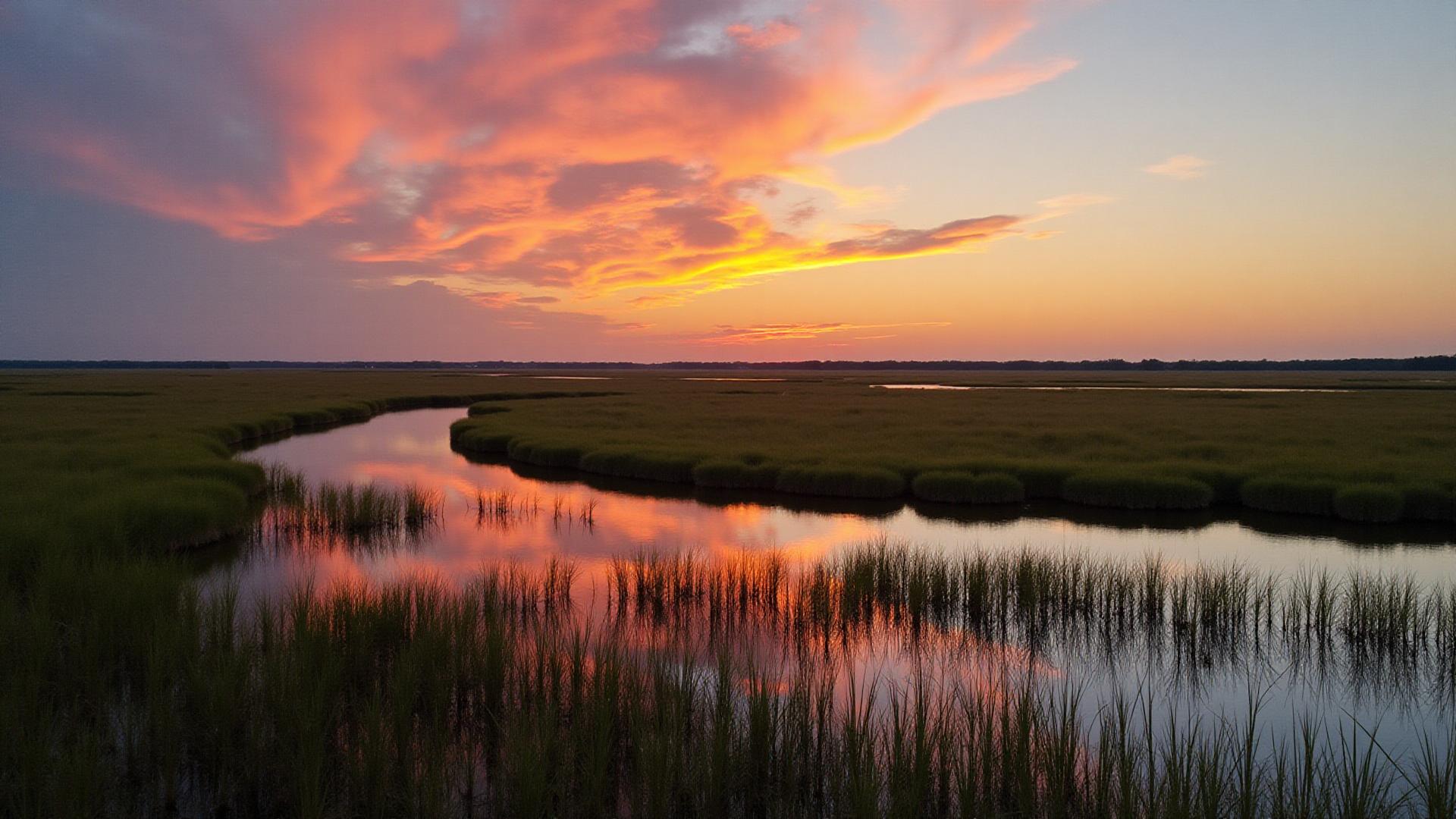
The natural beauty of Lowcountry coastal property drives development pressure
Fighting Back: Solutions and Progress
Despite the challenges, families, activists, and lawmakers are fighting to preserve heirs' property and protect Gullah-Geechee heritage. Several initiatives are showing promise:
The Uniform Partition of Heirs Property Act (UPHPA)
South Carolina adopted this law in 2017, providing crucial protections. The UPHPA requires courts to consider the property's sentimental value, gives family members a right of first refusal before partition sales, and mandates fair market value appraisals rather than rock-bottom auction prices. While not a complete solution, it has helped many families retain their land.
Legal Aid Services
Organizations like the South Carolina Heirs' Property Assistance Program provide free or low-cost legal help to families seeking to clear title to their land through quiet title actions or other legal mechanisms.
Conservation Easements
Groups like the Gullah Geechee Land Trust work with families to place conservation easements on their property, protecting it from development while allowing them to retain ownership and even gain tax benefits.
Community Education
Educational programs are helping families understand the importance of estate planning, creating wills, and establishing clear succession plans to prevent heirs' property situations in future generations.
The November 2024 New York Times coverage brought national attention to the issue, spurring renewed calls for federal intervention. Some advocates are pushing for legislation that would provide funding for title-clearing services, tax relief for heirs' property owners, and stronger protections against predatory practices.
What This Means for Landowners
Whether you're considering selling land in South Carolina or anywhere else, the heirs' property crisis offers important lessons:
- Clear title is essential: Make sure your property ownership is properly documented and recorded.
- Create a will: Don't let your family land become tangled in heirs' property status. Estate planning protects your legacy.
- Understand your rights: If you've inherited land as part of a group of heirs, know your legal options before making decisions.
- Work with reputable buyers: When you decide to sell, choose buyers who understand the complexities of rural and heir property transactions.
At PlaceAcre, we understand the unique challenges facing landowners in the Southeast. Whether you're dealing with inherited property, unclear titles, or simply want a straightforward sale process, we're here to help with transparent, fair offers and guidance through every step.
The Path Forward
The heirs' property crisis in South Carolina's Lowcountry is about more than real estate—it's about justice, heritage, and the fundamental right of families to maintain their connection to the land their ancestors worked, loved, and passed down through generations. As coastal property values continue to rise and development pressure intensifies, the stakes have never been higher.
The Gullah-Geechee people have survived slavery, Reconstruction, Jim Crow, and countless other challenges. Now they face a new threat: losing their land not through direct force, but through the tangled complexities of property law. The fight to preserve heirs' property is ultimately a fight to preserve a unique American culture and ensure that families—regardless of wealth or legal expertise—can hold onto the places that matter most to them.
For those watching this unfold, whether as advocates, landowners, or simply concerned citizens, the message is clear: land ownership is not just about property rights—it's about identity, community, and the stories we pass to future generations. In the Lowcountry, those stories are still being written, and the outcome remains uncertain.
Need Help Selling Your Land?
Whether you're dealing with inherited property, unclear titles, or simply want a hassle-free sale, PlaceAcre offers fair cash offers and expert guidance. We understand the complexities of Southern land sales and treat every property—and every family story—with respect.