The Push to Unlock Federal Lands for Affordable Housing Amid Skyrocketing Prices
With housing affordability reaching crisis levels across the United States, lawmakers and advocates are championing a bold solution: converting underutilized federal lands into affordable housing developments that could reshape America's housing landscape.

Millions of acres of federal lands could potentially be developed for affordable housing
As median home prices surge past $400,000 nationally and rental costs consume an increasingly disproportionate share of American household incomes, a groundbreaking policy movement is gaining momentum: utilizing the federal government's vast land holdings to address the nation's housing affordability crisis. The proposal, championed by both progressive and conservative lawmakers, represents one of the most significant potential shifts in federal land use policy in decades.
The federal government controls approximately 640 million acres of land—roughly 28% of the entire United States land area. While much of this consists of protected wilderness, national parks, and military installations, advocates argue that tens of thousands of acres of underutilized federal property near urban centers could be repurposed to create affordable housing without compromising conservation goals or national security interests.
Key Developments
- Bipartisan legislation introduced to identify suitable federal lands for housing development
- Pilot programs launched in Nevada, Arizona, and Utah targeting lands near growing metro areas
- Environmental groups express concerns about potential conservation impacts
- HUD estimates program could create 250,000+ affordable housing units within a decade
- Native American tribes demand consultation on ancestral lands
The Housing Affordability Crisis by the Numbers
The urgency behind the federal lands proposal stems from unprecedented housing market conditions. According to the U.S. Census Bureau, median home prices have increased by over 47% since 2020, while wages have grown by only 18% during the same period. This widening gap has pushed homeownership out of reach for millions of American families.
Housing Crisis Statistics:
The crisis extends across the country, affecting markets from California to Delaware. Property owners in states like Texas, Arizona, and Oklahoma are witnessing unprecedented demand as buyers seek more affordable alternatives to coastal markets.
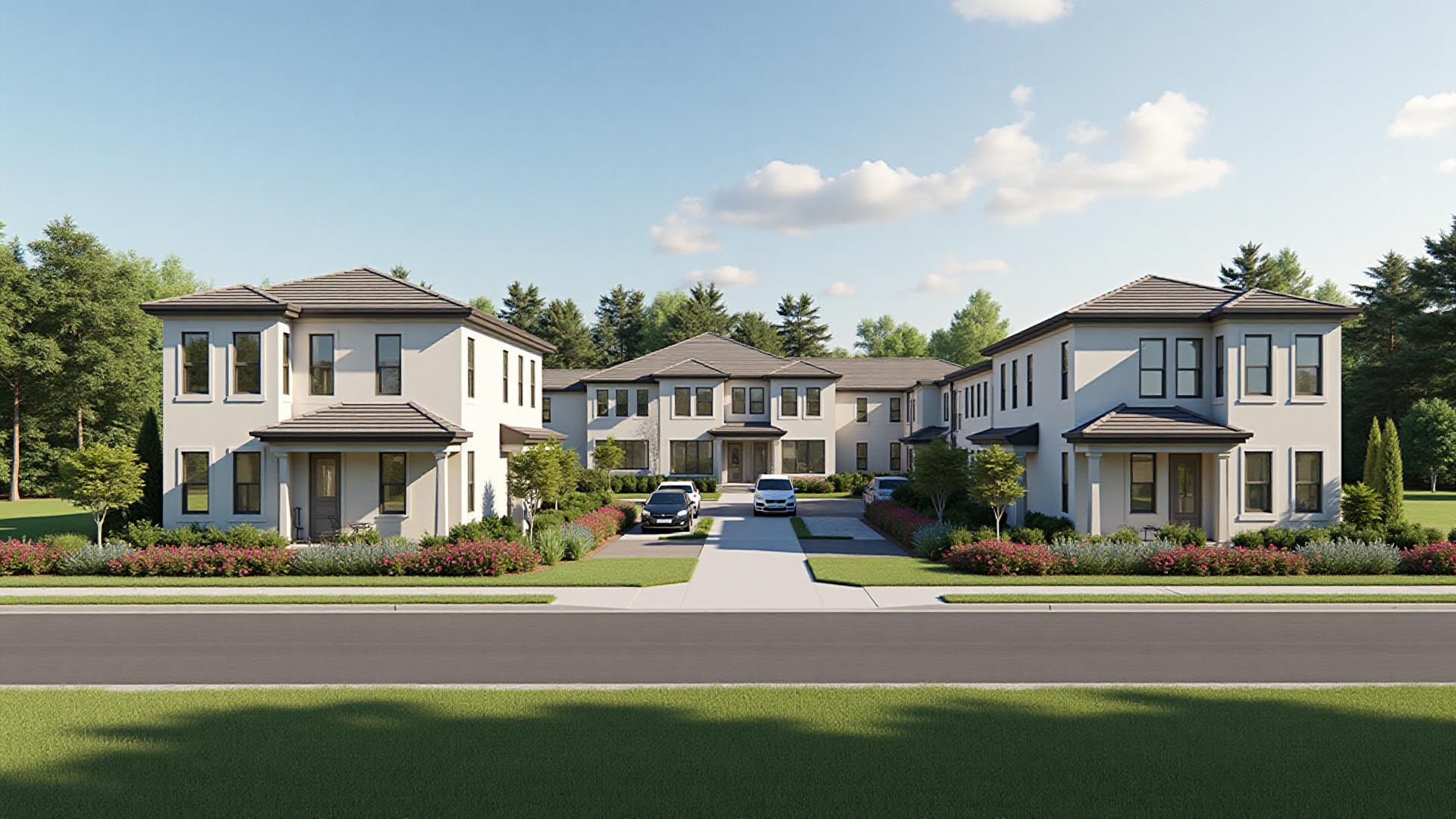
Proposed developments would feature sustainable, affordable housing communities
Understanding the Federal Lands Proposal
The "Federal Lands Housing Initiative," as it has been informally dubbed, focuses on identifying specific categories of federal property suitable for residential development. According to the Department of the Interior, the program would prioritize lands that meet specific criteria while maintaining environmental protections and public access to recreational areas.
Target Land Categories:
- 1Surplus Military PropertiesFormer military bases and installations no longer needed for defense operations, particularly those near existing urban infrastructure
- 2BLM-Managed ParcelsBureau of Land Management properties near metro areas with existing utility access and minimal ecological sensitivity
- 3Underutilized Federal FacilitiesGovernment office complexes and facilities identified for closure or consolidation under federal efficiency programs
- 4Strategic Urban ParcelsSmall federal holdings within city limits currently used for administrative purposes or sitting vacant
The proposal includes strict guidelines ensuring that any development would maintain affordable housing requirements for at least 30 years, with provisions for mixed-income communities to promote economic diversity and prevent concentrated poverty.
Regional Impact and Implementation
The initiative has gained particular traction in Western states, where the federal government controls significant land acreage. Nevada, where the federal government owns approximately 85% of the land, has emerged as a testing ground for the program, with pilot projects identified near Las Vegas and Reno.
Western states like Nevada are leading the federal lands housing initiative
In Arizona, communities like Queen Creek and Buckeye are experiencing rapid growth, creating urgency for additional housing development. Similarly, fast-growing markets in Frisco, Texas and Georgia suburbs could potentially benefit from federal land conversion programs.
The U.S. Department of Housing and Urban Development (HUD) has committed to coordinating with local municipalities to ensure that any federal lands transferred for housing development align with existing community plans and infrastructure capacity.

The initiative aims to create diverse, affordable communities for American families
Economic and Environmental Considerations
Proponents argue that the federal lands housing initiative represents a win-win scenario: addressing the housing crisis while generating revenue for federal and local governments through property taxes and economic activity. Economists estimate the program could inject billions into local economies through construction activity, new resident spending, and increased tax revenues.
However, environmental advocates have raised significant concerns. Organizations like the Sierra Club and The Wilderness Society caution that even seemingly underutilized federal lands often serve important ecological functions, including wildlife corridors, watershed protection, and carbon sequestration. They advocate for prioritizing infill development in existing urban areas and adaptive reuse of existing structures before converting federal lands.
Environmental Impact Assessment Requirements
All proposed federal land conversions would require comprehensive environmental impact studies under the National Environmental Policy Act (NEPA), potentially adding years to the development timeline and creating opportunities for legal challenges from conservation groups.
For landowners considering their options in the current market, understanding these policy shifts is crucial. Whether you're looking to sell land in Texas, explore opportunities in North Carolina, or evaluate property in Kentucky, the federal lands initiative may influence regional land values and development patterns.
Political Landscape and Implementation Timeline
The federal lands housing initiative has garnered unusual bipartisan support, with progressive lawmakers viewing it as a government solution to market failures in housing provision, while conservative representatives see it as an opportunity to reduce federal land holdings and promote homeownership. This rare alignment has accelerated the legislative process.
Current legislation would establish a Federal Lands Housing Task Force within HUD, charged with identifying suitable properties within 18 months and developing implementation frameworks for pilot programs. If successful, the program could expand nationwide by 2028.
Projected Implementation Timeline:
- Q1 2026:Task Force formation and initial property assessments
- Q3 2026:Pilot program site selections announced
- 2027:Environmental reviews and community input processes
- 2028:Ground breaking on first developments
- 2030:First residents move into completed units
However, significant obstacles remain. Native American tribes have demanded consultation rights for any lands with historical or cultural significance, while Western states have expressed concerns about federal overreach into land use planning traditionally controlled by local governments.
Implications for Private Landowners
For private landowners, the federal lands housing initiative carries mixed implications. On one hand, the influx of affordable housing could potentially dampen property value appreciation in some markets by increasing supply. On the other hand, the infrastructure improvements and population growth associated with new developments could enhance the value of nearby private properties.
Landowners in growth markets across Tennessee, South Carolina, and Arkansas should monitor local planning discussions about potential federal land conversions, as these decisions could significantly impact regional development patterns and property values.
Understanding the broader context of housing policy shifts is essential for making informed decisions about property ownership and development. For more insights on navigating the current land market, explore our comprehensive guides on selling land without a realtor and understanding the hidden costs of owning raw land.
Looking Ahead: A Transformative Shift?
The push to unlock federal lands for affordable housing represents one of the most ambitious attempts to address America's housing crisis through public land policy in modern history. While the initiative faces significant environmental, political, and logistical challenges, the bipartisan momentum behind the effort suggests it may overcome traditional obstacles that have stalled previous reform attempts.
As the housing affordability crisis continues to strain American families and reshape migration patterns nationwide, creative solutions like federal land conversion may become increasingly necessary. The success or failure of pilot programs over the next several years will likely determine whether this approach expands into a nationwide solution or remains a limited experiment in select markets.
For stakeholders across the housing ecosystem—from policymakers to developers to individual landowners—the federal lands housing initiative demands attention as a potentially transformative force in American land use and housing policy. The coming years will reveal whether federal lands can indeed provide a pathway to housing affordability for millions of Americans, or whether the complexity of converting public lands into private homes proves insurmountable.