In the rolling farmlands of Solano County, roughly an hour northeast of San Francisco, one of the most audacious real estate ventures in modern American history is taking shape. California Forever, a mysterious project backed by some of Silicon Valley's most influential figures, has quietly assembled more than 70,000 acres of agricultural land with a singular, controversial vision: to build an entirely new city from the ground up.
Key Facts at a Glance
$1+ Billion
Total funding raised from tech investors
70,000+ Acres
Farmland assembled in Solano County
400,000 Residents
Planned population at full buildout
$1M Median
California statewide home price
The Vision: A City Built from Scratch
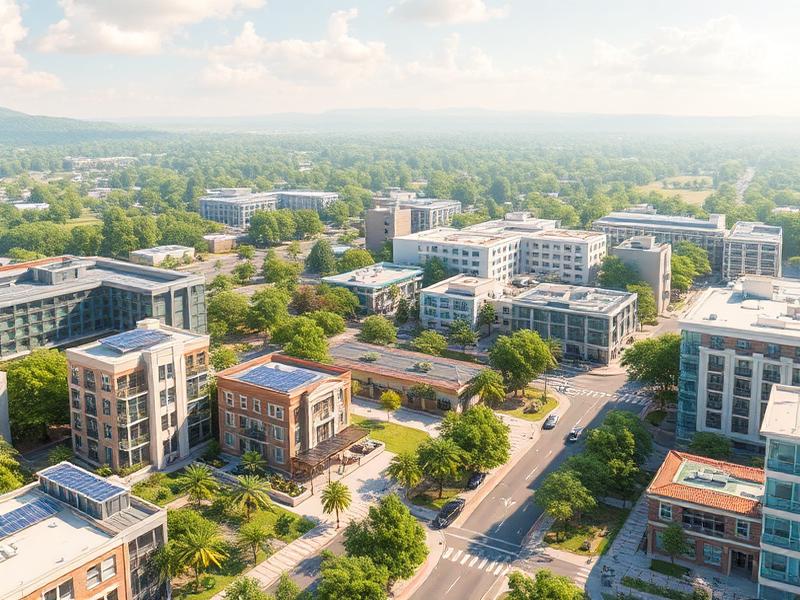
Led by Jan Sramek, a 36-year-old former Goldman Sachs executive turned OpenAI advisor, California Forever represents a radical approach to solving California's housing crisis. The project envisions a walkable, sustainable community that could eventually house up to 400,000 residents—larger than cities like Oakland or Miami.
The investor roster reads like a who's who of Silicon Valley royalty. LinkedIn co-founder Reid Hoffman, Laurene Powell Jobs (widow of Steve Jobs), venture capitalist Marc Andreessen, and Stripe co-founders Patrick and John Collison have all contributed to the effort. According to reports from The New York Times, the group has spent more than $900 million acquiring land since 2017.
The Controversy: Farmland vs. Housing
The project has ignited fierce opposition from multiple fronts. Local farmers worry about the loss of prime agricultural land that has fed Californians for generations. Environmental groups raise concerns about water usage, wildlife corridors, and the carbon footprint of building an entirely new city in an era of climate change.
Solano County officials have expressed frustration with the secretive manner in which the land was assembled. For years, shell companies purchased parcels without disclosing their ultimate purpose, leading to an FBI investigation into potential violations of land acquisition laws. While no charges have been filed, the cloak-and-dagger approach has poisoned relations with local government.
"They came in like carpetbaggers, buying up land through dozens of LLCs without telling anyone what they were doing. That's not how you build trust with a community you want to call home."
— Solano County Board of Supervisors member
The NIMBY vs. YIMBY debate—shorthand for "Not In My Backyard" versus "Yes In My Backyard"—has found a new battleground in Solano County. Housing advocates argue that California's restrictive zoning and anti-development politics have created a crisis where median home prices approach $1 million statewide. They see California Forever as a bold, necessary intervention.
The Housing Crisis That Sparked a $1 Billion Bet
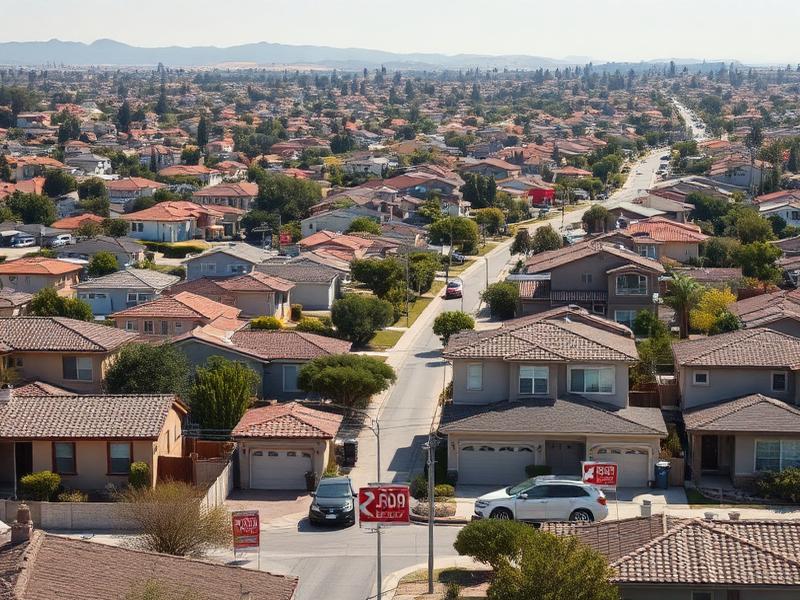
California's housing crisis provides the economic rationale for such an ambitious project. According to the California Association of Realtors, the median home price in the state reached $900,000 in late 2024, with the Bay Area exceeding $1.5 million in many communities. Young families are fleeing to Texas, Arizona, and Nevada in search of affordable housing, contributing to California's first population decline in recorded history.
Proponents argue that building a new city from scratch—rather than fighting entrenched interests in existing communities—offers a path forward. The project promises affordable housing starting around $400,000, along with good jobs, parks, and sustainable infrastructure. It's a vision of what California could be, freed from the constraints of what California has become.
For landowners in the region considering their options, this unprecedented development activity has created both opportunities and uncertainties. Many property owners are choosing to sell vacant land rather than wait to see how the political battles unfold. The combination of tech money flowing into the area and the uncertainty around future land use regulations has created a unique window for sellers.
The Ballot Measure: Voters Will Decide
California Forever has placed its fate in the hands of Solano County voters. The group is backing a ballot initiative that would rezone its land holdings to allow urban development. If voters reject the measure, the project is effectively dead—at least in its current form.
The campaign has already spent millions on advertising, community outreach, and economic impact studies. Proponents tout projections of 50,000+ permanent jobs, billions in tax revenue, and a model for sustainable urban development. Opponents counter with concerns about traffic, water scarcity, and the irreversible loss of farmland.
Proponents Say
- • 50,000+ permanent jobs created
- • Affordable housing starting at $400K
- • Net-zero carbon sustainable design
- • Billions in local tax revenue
- • Addresses statewide housing shortage
Opponents Say
- • Loss of prime agricultural land
- • Water scarcity concerns
- • Traffic and infrastructure strain
- • Secretive land acquisition tactics
- • Tech elite imposing vision on rural community
What This Means for Land Markets
Regardless of the ballot measure's outcome, California Forever has already transformed land economics in Solano County. Parcels that traded for $5,000 per acre a decade ago have sold for $20,000 or more to the project's buyers. Surrounding areas have seen similar appreciation as speculators bet on spillover effects.
The project has also reignited debate about the future of California's 27 million acres of agricultural land. As the state's population grows and climate change threatens water supplies, difficult choices lie ahead about how to balance food production, housing needs, and environmental protection.
For individual landowners, the lesson is clear: large-scale development projects can dramatically impact property values—both positively and negatively—often with little warning. Those holding vacant land in high-growth corridors face complex decisions about timing, pricing, and risk tolerance.
The Bottom Line
California Forever represents both the ambition and the dysfunction of modern California. It's a billion-dollar bet that a state suffering from housing paralysis can be shocked into action by sheer force of money and will. Whether it succeeds or fails, the project has already revealed the deep tensions between urban growth and agricultural preservation, between tech optimism and rural tradition, between the California that was and the California that must become.
The voters of Solano County will have the final say. Their decision will echo far beyond their county lines, setting precedent for how America addresses its growing housing crisis in the decades to come.

PlaceAcre News Team
Published December 9, 2025