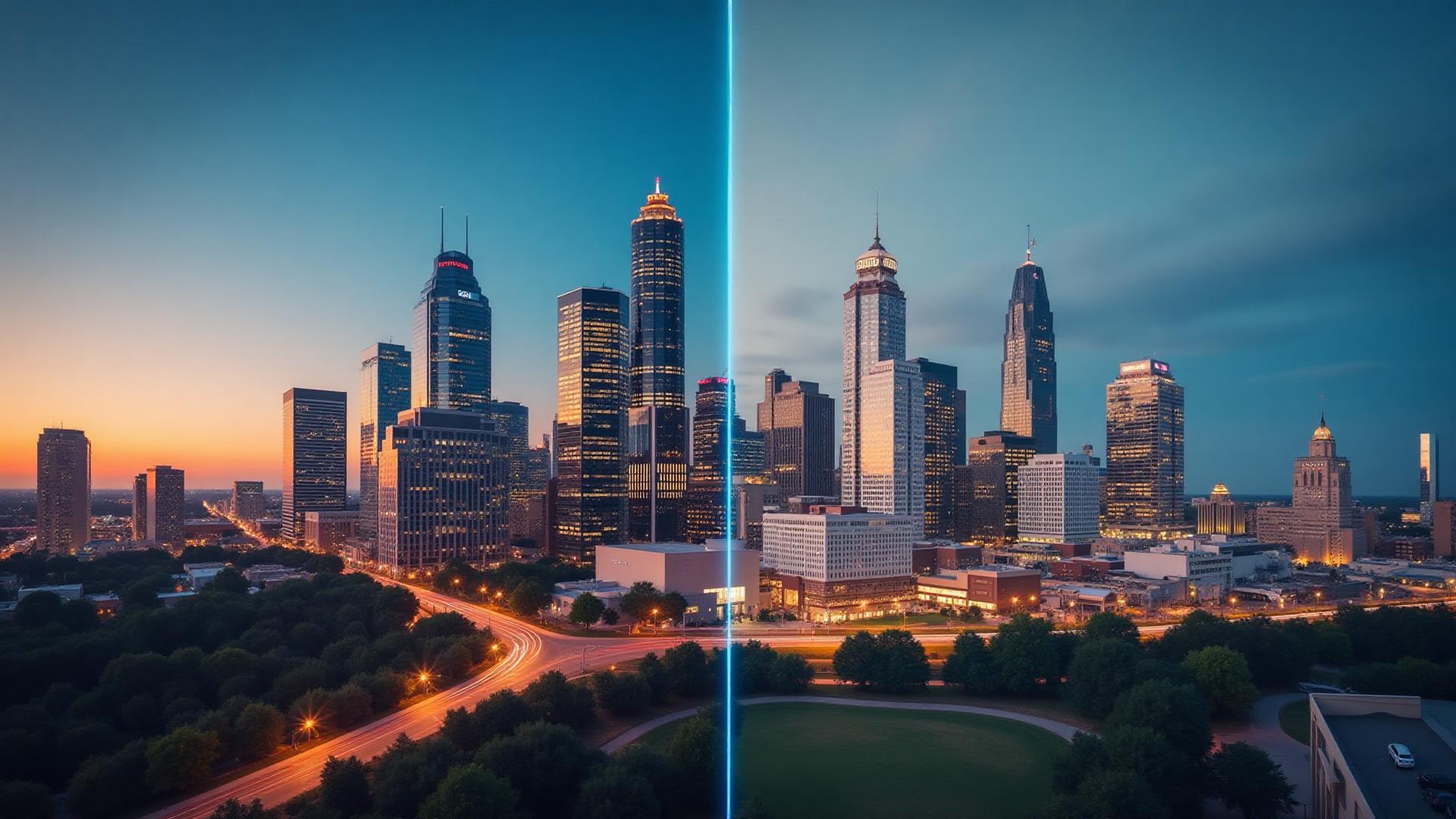
Located some 900 miles apart, Austin, TX, and Nashville, TN, have emerged from the COVID-19 pandemic era as thriving boomtowns with strong job growth, rapid in-migration, and high quality of life—so it comes as no surprise that both metros now rank among the nation's top luxury housing markets.
Each city attracts throngs of wealthy buyers looking to snap up trophy properties in amenity-rich communities. However, according to the latest research from Realtor.com®, Nashville and Austin's price trends and inventory shifts tell two different stories.
Austin: Where Tesla Money Meets Texas Living
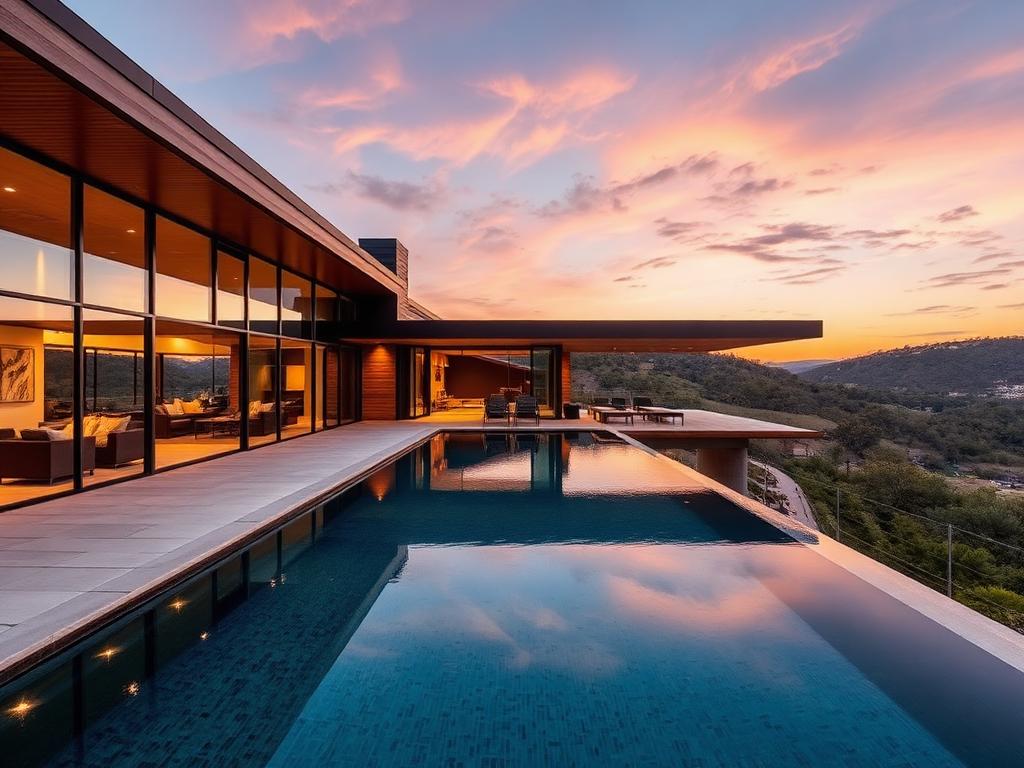
Austin's transformation from quirky college town to global tech hub has been nothing short of remarkable. When Tesla announced its Gigafactory Texas in 2020, followed by Oracle's headquarters relocation and continued expansion from Apple, Google, and Amazon, the city cemented its status as "Silicon Hills."
Austin Luxury Market Snapshot
Median Luxury Home Price
$1.8M - $2.5M
Up 12% year-over-year
Inventory Levels
Down 18%
Tightest supply since 2021
Buyer Demographics
Tech executives, remote workers
Average age: 38-45
Hot Neighborhoods
Westlake, Tarrytown, Barton Creek
Lake Travis estates in demand
The influx of high-earning tech professionals has created fierce competition for luxury properties, particularly in prestigious neighborhoods like Westlake Hills and Barton Creek. According to the Austin Chamber of Commerce, the metro area added over 120,000 jobs in the past three years, with median tech salaries exceeding $145,000.
"We're seeing all-cash offers on luxury homes within 48 hours of listing," reports a leading Austin luxury real estate agent. "Tesla executives, venture capitalists, and tech founders are willing to pay premiums for homes with Hill Country views, smart home technology, and proximity to downtown."
The Austin luxury market's strength extends beyond city limits. Travis County's surrounding areas, including exclusive Travis County estates, continue attracting buyers seeking privacy, acreage, and investment potential. For those considering selling land in Texas, the Austin metro boom has created unprecedented opportunities.
Nashville: Music Money Meets Moderate Growth
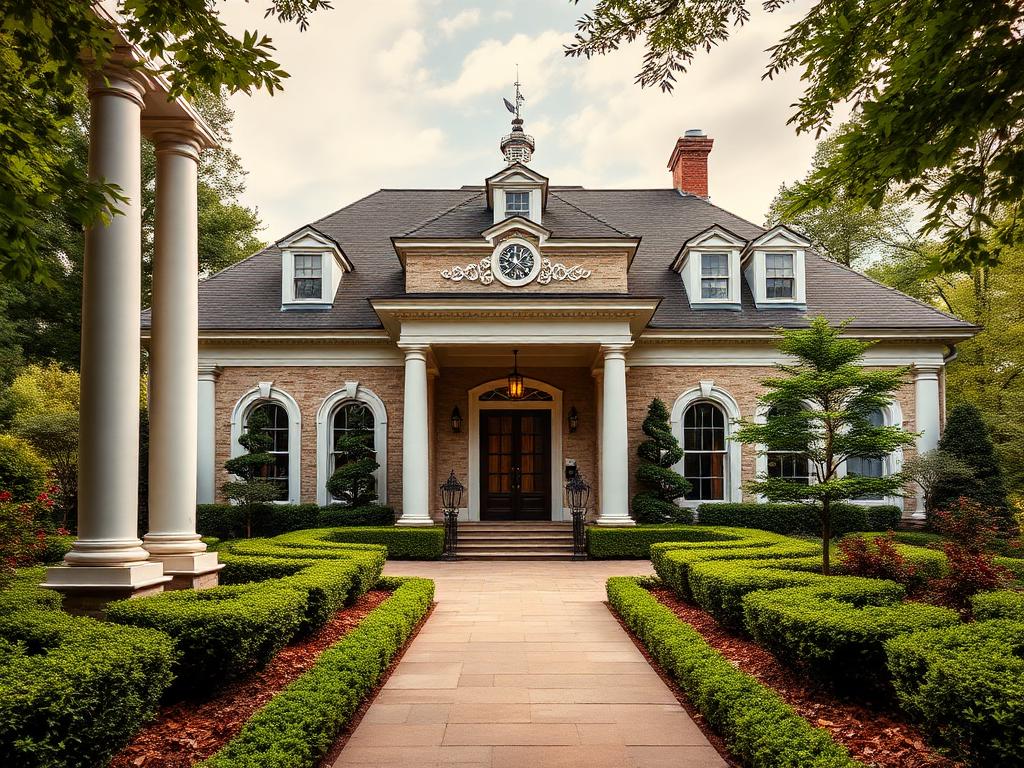
While Nashville experienced its own pandemic-era boom—fueled by entertainment industry growth, healthcare expansion, and its status as a no-income-tax state—the luxury market here tells a different story than Austin's red-hot trajectory.
Nashville Luxury Market Snapshot
Median Luxury Home Price
$1.2M - $1.8M
Down 3% year-over-year
Inventory Levels
Up 24%
Most supply since 2020
Buyer Demographics
Music industry, healthcare execs
Average age: 42-52
Hot Neighborhoods
Belle Meade, Green Hills, Brentwood
Franklin estates popular
Nashville's luxury inventory has increased significantly over the past year, creating a more balanced market compared to Austin's supply crunch. Data from the National Association of Realtors shows that luxury homes in Nashville are spending an average of 68 days on market—nearly triple Austin's 24-day average.
"Nashville's luxury market has normalized after the pandemic frenzy," explains a prominent Music City realtor. "We're no longer seeing bidding wars on every listing. Buyers have more negotiating power, and sellers need to be realistic about pricing."
Despite the cooling, Nashville remains attractive for luxury buyers seeking Southern charm, lower cost of living compared to coastal cities, and strong community culture. For landowners in Tennessee, the market shift presents strategic selling opportunities before further corrections.
Key Market Differences: What's Driving the Divergence?
1. Job Market Composition
Austin's tech sector pays higher average salaries ($145K+) compared to Nashville's mix of healthcare and entertainment ($95K average). Tech wealth tends to be more liquid and willing to pay premiums for luxury real estate.
Nashville's economy, while diverse and stable, doesn't generate the same concentration of ultra-high-net-worth individuals competing for trophy properties.
2. Inventory Dynamics
Austin faces a severe luxury inventory shortage (down 18%) as new construction can't keep pace with demand. Many tech buyers are also purchasing investment properties, further constraining supply.
Nashville's inventory surge (up 24%) stems from speculative building during the pandemic boom, with developers now facing softer demand and slower absorption rates.
3. Migration Patterns
According to U.S. Census Bureau data, Austin-Round Rock metro gained 56,000 new residents in 2023, while Nashville metro added 38,000—significant, but at a slower pace.
Austin continues attracting younger, wealthier transplants from California and New York, while Nashville draws families and retirees seeking quality of life and lower taxes.
4. Investment vs Primary Residence
Austin sees higher investor activity in luxury segments, with 28% of luxury sales going to buyers who don't occupy the property. This speculative demand adds upward price pressure.
Nashville's luxury market is predominantly owner-occupied (82%), with less speculative bidding driving prices.
What This Means for Luxury Buyers and Sellers
Austin Strategy
For Buyers: Be prepared for competition. All-cash offers and waived contingencies are common. Consider expanding search radius to surrounding counties.
For Sellers: It's a seller's market. List strategically, price competitively, and expect quick offers. Multiple bids likely.
Nashville Strategy
For Buyers: You have negotiating power. Take time evaluating properties. Sellers may accept below asking. Inspection contingencies are back.
For Sellers: Price realistically from day one. Consider incentives. Professionally stage and market aggressively to stand out.
Looking Ahead: 2025 Luxury Market Predictions
Market analysts project Austin's luxury segment will remain robust through 2025, supported by continued tech expansion and limited supply. Recent announcements of additional corporate relocations suggest demand will persist.
Nashville's luxury market faces a critical inflection point. If inventory continues rising while demand softens, prices could correct another 5-10% before stabilizing. However, the city's fundamental appeal—no state income tax, strong schools, cultural amenities—provides a floor.
According to Zillow's market forecast, luxury home values in Austin are expected to appreciate 6-8% in 2025, while Nashville may see flat to slight negative growth before recovering in 2026.
The Broader Sun Belt Luxury Boom
Austin and Nashville represent microcosms of the larger Sun Belt migration trend. Other markets experiencing similar luxury demand include Miami, Tampa, Phoenix, and Charlotte. However, few match Austin's combination of tech wealth concentration and housing scarcity.
For landowners throughout Texas and Tennessee, these trends create strategic opportunities. Luxury developers actively seek land for estate-sized lots in desirable school districts and proximity to urban amenities. Raw land values near both metros have appreciated significantly.
Whether you're considering selling Texas land or selling Tennessee land, understanding these luxury market dynamics provides valuable context for timing and pricing decisions.
The Verdict: Two Cities, Two Different Luxury Stories
While Austin and Nashville share similarities as Sun Belt boomtowns with strong economic fundamentals, their luxury housing markets have diverged sharply. Austin's tech-fueled demand and constrained supply continue driving prices higher, creating a hyper-competitive seller's market.
Nashville's increased inventory and moderating demand have shifted power back to buyers, with prices stabilizing or declining modestly. Neither market is "better" universally—the right choice depends on individual preferences, budget, and investment timeline.
For luxury buyers seeking immediate appreciation and willing to compete aggressively, Austin remains compelling despite premium prices. Those prioritizing negotiating leverage, Southern charm, and slightly lower entry points may find Nashville's current market more favorable.