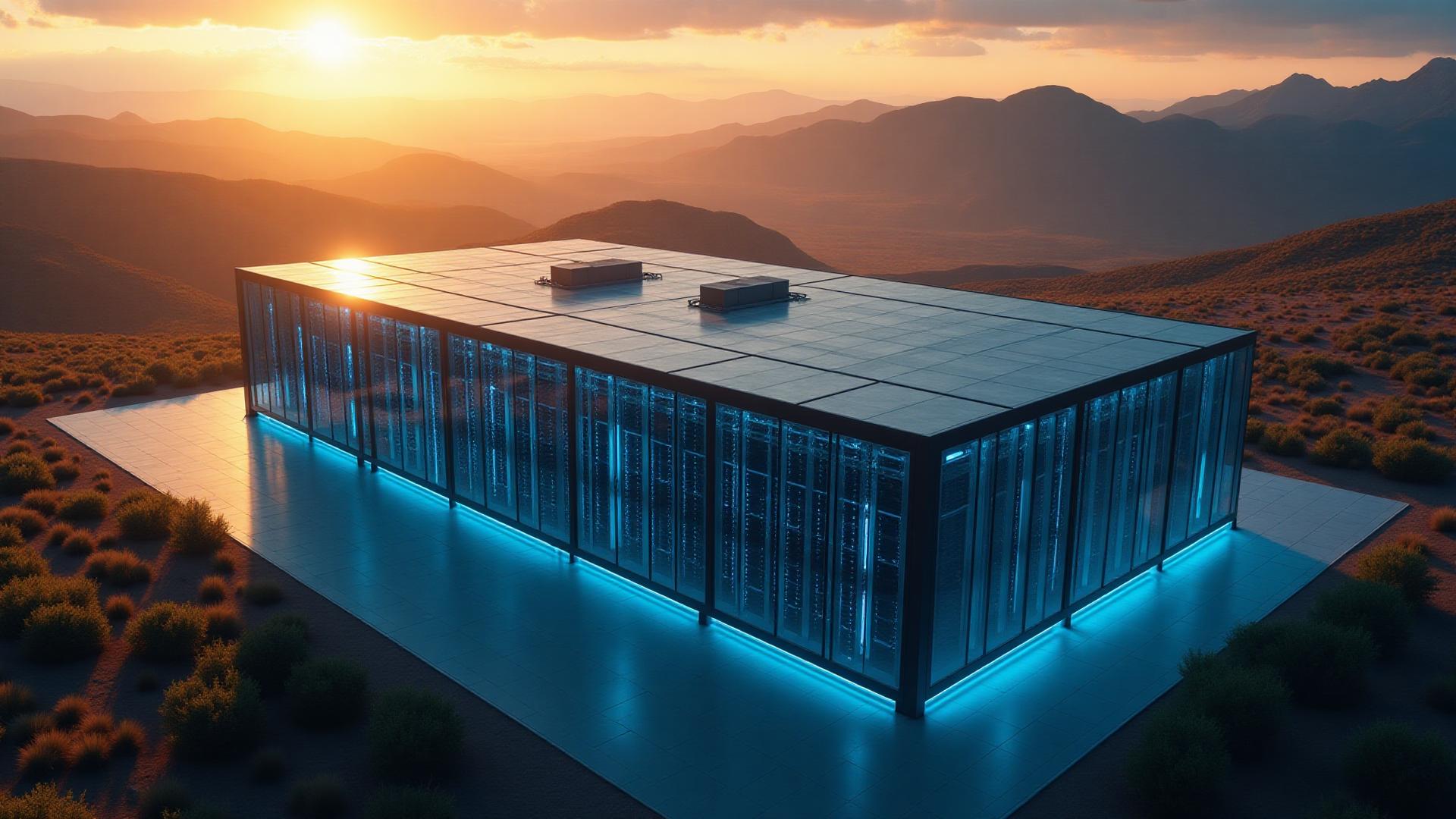
The artificial intelligence revolution isn't just transforming software—it's physically reshaping the American landscape. In what industry insiders are calling the "AI Land Rush," technology companies are acquiring massive tracts of raw land at an unprecedented pace, with data center construction reaching $20 billion in 2024 alone, according to the Data Center Knowledge industry report.
The Scale of the Transformation
500+
New Data Centers Planned
50,000+
Acres Under Acquisition
$35B
Projected Investment 2025
The numbers tell a staggering story. Major technology companies including Microsoft, Google, Amazon, and Meta are engaged in what some analysts describe as the largest corporate land acquisition spree since the railroad boom of the 1800s. Unlike traditional real estate development, these AI-focused data centers require specific characteristics: proximity to power infrastructure, access to water for cooling, fiber optic connectivity, and most importantly—vast amounts of space.
"We're seeing individual facilities that occupy 200 to 500 acres," explains Sarah Chen, a commercial real estate analyst at CBRE. "These aren't your grandfather's server rooms. Modern AI training requires computing clusters that can fill multiple football fields worth of space, with power consumption rivaling small cities."
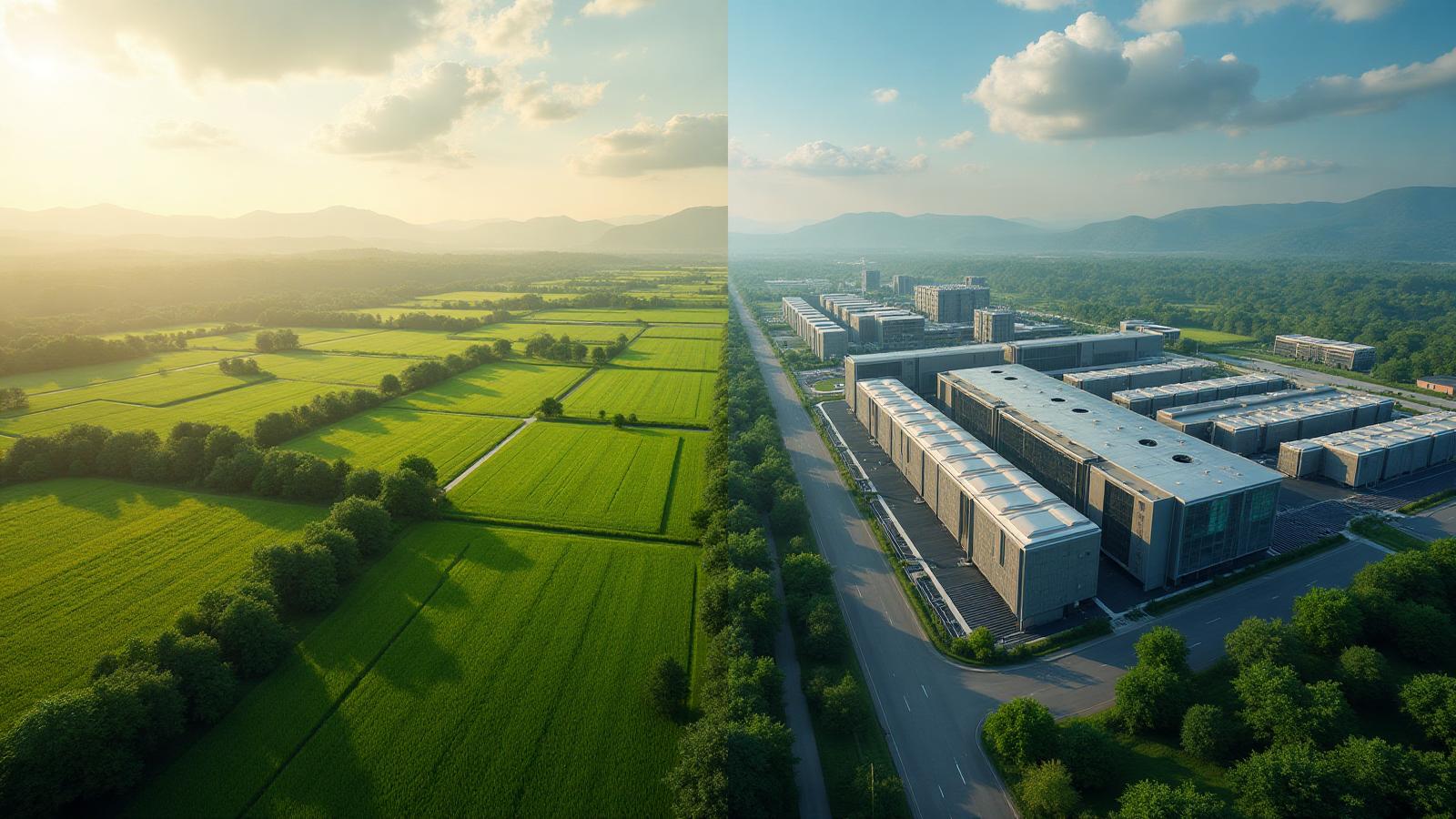
The dramatic transformation: Rural farmland (left) becomes a state-of-the-art AI data center complex (right)
Why Rural America?
The migration to rural areas isn't accidental—it's strategic. Urban data centers, once the norm, can no longer accommodate the space and power requirements of modern AI infrastructure. Consider that training a single large language model can consume as much electricity as 1,000 American homes use in a year, according to research from the U.S. Department of Energy.
Key Location Requirements
- Power Access: Minimum 50-100 megawatts of reliable electricity
- Water Resources: Millions of gallons annually for cooling systems
- Connectivity: Multiple fiber optic trunk line access points
- Land Size: 200-500+ contiguous acres preferred
- Geographic Diversity: Climate resilience and disaster avoidance
States like Virginia, Texas, Arizona, and Georgia have emerged as hotspots for data center development. Virginia's "Data Center Alley" in Loudoun County already hosts over 25 million square feet of data center space, but new AI requirements are pushing development into neighboring rural counties and other states entirely.
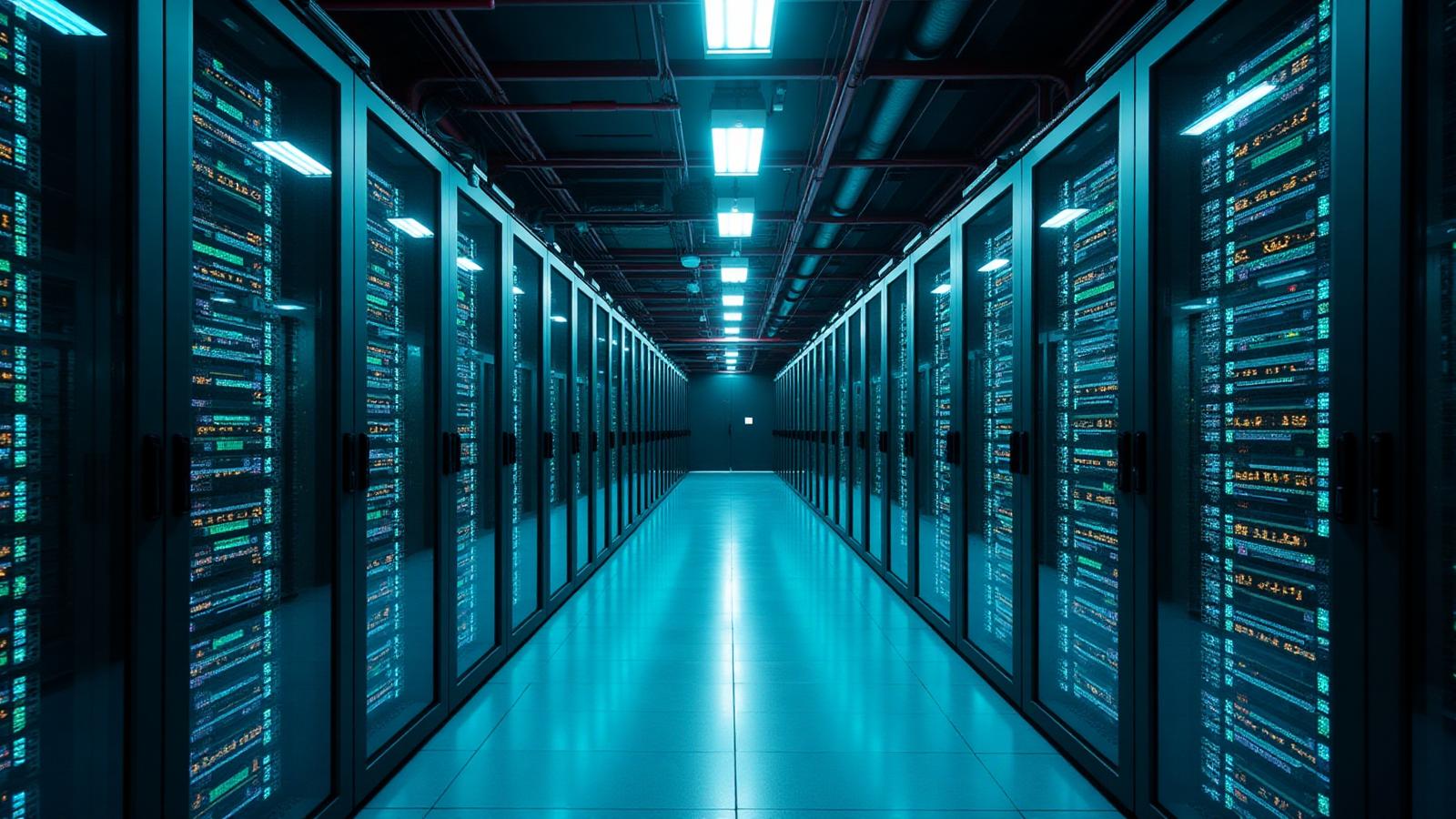
Inside the machine: A single AI data center can contain hundreds of thousands of servers working in unison
The Economics of AI Land
For landowners, the AI boom represents both opportunity and complexity. Tech companies typically pay premium prices for suitable parcels—often 2-3 times above agricultural land values—but the transaction process differs significantly from traditional land sales.
"Due diligence periods can stretch 12-18 months," notes James Rodriguez, a land broker specializing in data center acquisitions. "These companies need extensive environmental studies, power infrastructure assessments, and regulatory approvals before closing. Many landowners, especially those dealing with inherited property, prefer to work with specialized buyers who can offer faster, more certain transactions."
Average Data Center Land Acquisition Prices (2024-2025)
The price premiums reflect not just location, but the specific attributes tech companies require. A 300-acre parcel in North Carolina with direct access to Duke Energy's grid might command $100,000 per acre, while similar acreage without power infrastructure in the same county might sell for $15,000 per acre for agricultural use.
Community Impact: Promise and Concern
The AI land rush carries profound implications for rural communities. Proponents point to substantial economic benefits: construction jobs, permanent technical positions, and significantly increased property tax revenue. A single large data center can inject $50-100 million annually into local economies and create hundreds of high-paying jobs.
However, concerns exist. Water usage has become particularly contentious. Modern data centers can consume 3-5 million gallons of water daily for cooling systems, straining resources in drought-prone regions. In Arizona, several proposed facilities have faced opposition from agricultural interests worried about water rights and long-term sustainability.
Energy consumption presents another challenge. The International Energy Agency projects that data centers could account for 8% of total U.S. electricity consumption by 2030, up from 3% in 2023. This surge is driving renewed investment in both renewable energy infrastructure and traditional power generation.
"We're witnessing a fundamental shift in how rural land is valued and utilized. The question isn't whether AI will reshape the landscape—it's how we manage that transformation responsibly."
What This Means for Landowners
If you own raw land in states experiencing data center growth, understanding your property's potential value in this new economy is crucial. Key considerations include:
Assess Your Land's Suitability
Proximity to substations, fiber lines, and transportation infrastructure significantly impacts value. Properties within 5 miles of major electrical infrastructure command premiums.
Use Our Land Value CalculatorUnderstand Your Options
While tech companies pay premium prices, their lengthy due diligence periods may not suit all sellers. Alternative buyers offer faster closings with competitive pricing.
Get a Fast Cash OfferFor owners of large parcels (100+ acres) in South Carolina, Tennessee, Oklahoma, or Alabama—states actively courting data center development—now may be an opportune time to evaluate your options. Property that seemed destined for agricultural use or conservation easements might have unexpected strategic value to tech companies planning five to ten years ahead.
It's also worth noting that not all data center land comes from willing sellers. Some properties face unexpected costs like rising property taxes, maintenance burdens, or regulatory complications that make selling attractive even without tech company interest. Understanding your property's full cost of ownership is essential for making informed decisions.
Looking Ahead: The Next Decade
Industry analysts project that AI's land footprint will triple by 2030. As models become more sophisticated and AI adoption accelerates across industries, the infrastructure supporting this revolution must expand proportionally. According to McKinsey & Company, data center capacity will need to grow by 15-20% annually to meet demand—a rate that requires constant land acquisition and development.
Emerging trends suggest the next wave of expansion will target states previously overlooked for data center development. Improvements in renewable energy infrastructure and distributed grid systems are opening opportunities in states like Kentucky, Arkansas, and Delaware. Even California, despite high costs, is seeing renewed interest as companies seek geographic diversity.
For rural America, the AI land rush represents both tremendous opportunity and significant responsibility. The choices made today—by landowners, communities, companies, and policymakers—will shape not just the technological landscape but the physical landscape for generations to come.
Related Articles
2025: The Year of Land Investment Opportunities
Why experts are calling 2025 the biggest year for land investment in decades
How to Evaluate Raw Land Before Selling
Essential factors that determine your land's true market value
Turn Vacant Land Into Income
Creative strategies for monetizing raw acreage while you own it