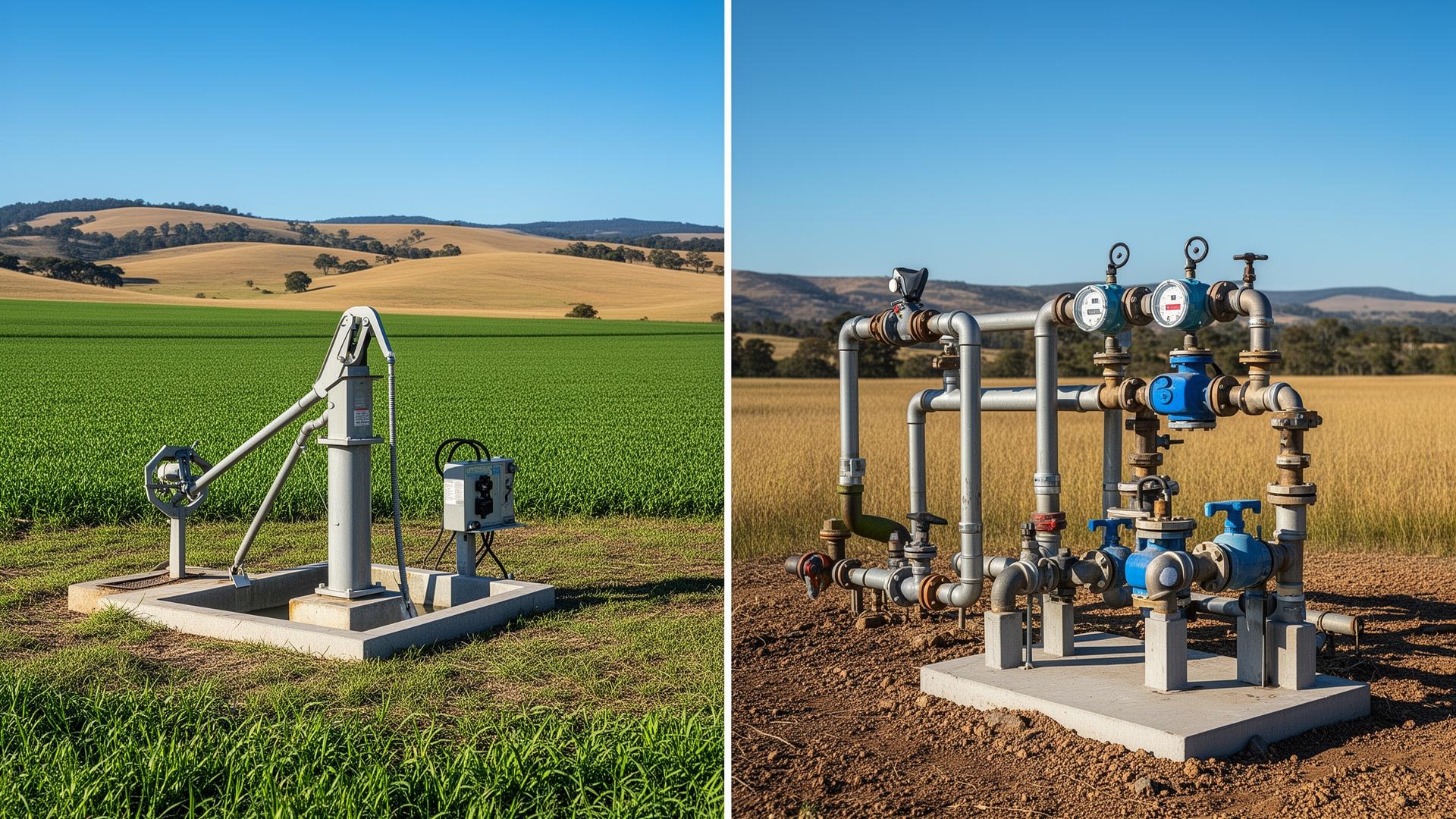
When purchasing rural land, one of the most critical decisions you'll face is how to source your water. The choice between drilling a private well and connecting to municipal water services can significantly impact your upfront investment, monthly expenses, and long-term property value. Whether you're building a homestead, developing a rural retreat, or evaluating land for investment purposes, understanding the real costs of each water system is essential for making an informed decision.
Private Well Water Systems
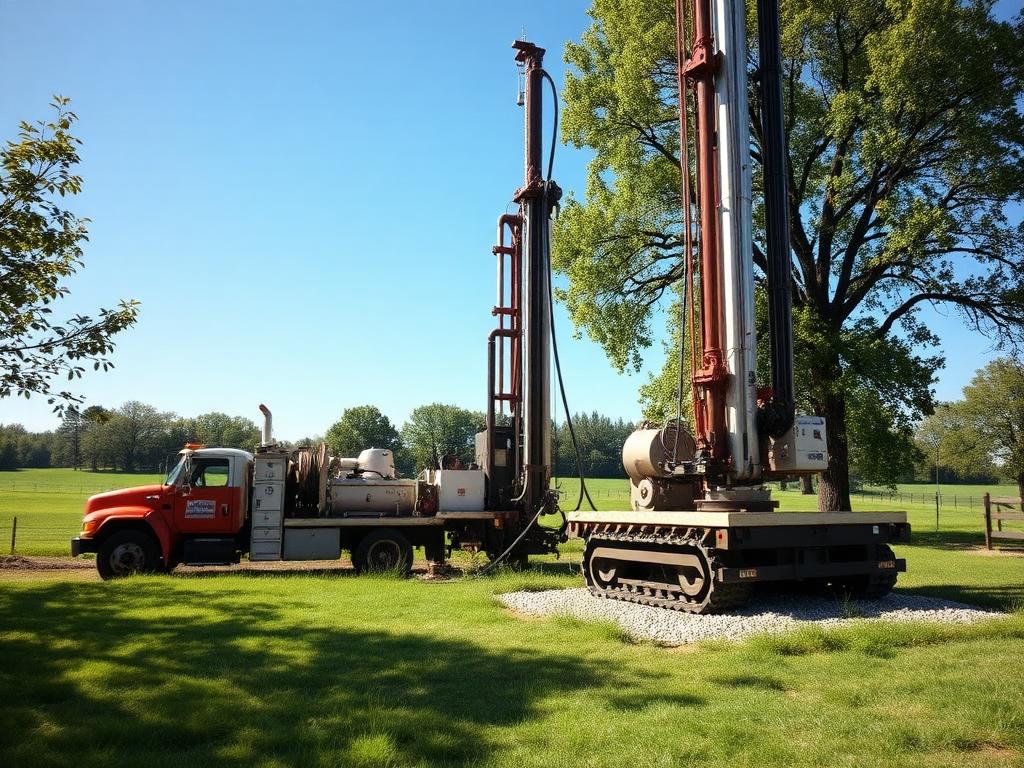
Private water wells have been the backbone of rural living for centuries, offering independence from municipal infrastructure and potentially unlimited water access. However, the cost of installing and maintaining a private well varies dramatically based on location, depth requirements, and geological conditions.
Well Drilling Installation Costs
Average Drilling Costs
- Shallow wells (25-50 ft): $1,500-$5,000
- Mid-depth wells (100-300 ft): $5,000-$15,000
- Deep wells (300-500+ ft): $15,000-$30,000+
Additional Equipment
- Well pump system: $1,000-$4,000
- Pressure tank: $500-$2,500
- Water treatment: $500-$5,000
Annual Well Water Expenses
Once your private well is operational, ongoing costs are relatively modest compared to municipal water. However, rural landowners must budget for electricity to run the pump system, periodic water quality testing, and eventual equipment replacement. The average annual cost for well water ownership ranges from $300-$600 for electricity and basic maintenance, with water testing adding another $50-$150 depending on state requirements.
$0
Monthly Water Bill
$300-600
Annual Operating Cost
10-20 yrs
Pump Lifespan
Hidden Costs and Considerations
Potential Unexpected Expenses
- Dry hole risk—drilling may not yield sufficient water (permits required but money lost)
- Water treatment for iron, sulfur, or mineral contamination ($2,000-$8,000)
- Emergency pump replacement ($1,500-$5,000)
- Well rehabilitation if flow decreases ($1,000-$3,000)
- Seasonal drought impacts on shallow aquifers
Municipal Water Connection
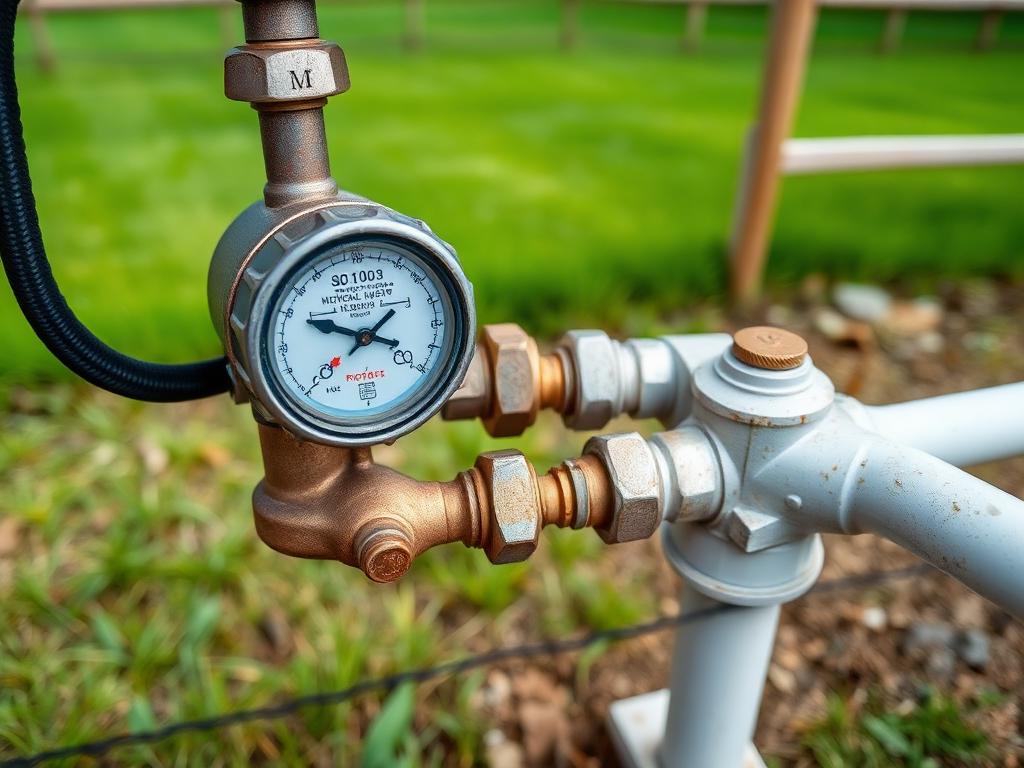
Municipal water service provides consistent, treated water delivered directly to your property through an established infrastructure network. While available in some rural areas, especially those adjacent to growing towns or within rural water districts, the availability and cost of connection vary significantly by location.
Connection and Tap Fees
Initial Connection Costs
- Water tap fee: $500-$5,000
- Impact fees: $1,000-$15,000
- Line extension: $25-$75 per foot
Distance Premium
- Adjacent to main: $2,000-$5,000 total
- 500 ft from main: $15,000-$40,000
- 0.5+ miles: Often cost-prohibitive
Monthly Water Bills and Usage Rates
Municipal water bills typically include a base service fee plus usage charges calculated per thousand gallons. Average rural residential water usage of 5,000-10,000 gallons per month results in bills ranging from $30-$100 depending on local rates. However, irrigation-heavy properties or livestock operations can see bills of $200-$500 or more during peak seasons.
$30-100
Avg Monthly Bill
$360-1,200
Annual Cost
Provider
Handles Maintenance
Advantages of Municipal Water
Key Benefits
- Consistent water quality with regular testing and treatment
- No equipment maintenance or replacement responsibility
- Reliable supply during droughts (infrastructure-dependent)
- Known, predictable monthly costs for budgeting
- May increase property value and financing options
10-Year Cost Comparison
| Cost Category | Private Well | Municipal Water |
|---|---|---|
| Initial Installation | $8,000-$25,000 | $2,000-$20,000+ |
| Annual Operating Cost | $300-$600 | $360-$1,200 |
| 10-Year Operating Total | $3,000-$6,000 | $3,600-$12,000 |
| Pump Replacement (10 yr) | $0-$4,000 | $0 |
| 10-Year Total Cost | $11,000-$35,000 | $5,600-$32,000+ |
*Costs vary significantly by region, well depth, distance from water main, and local utility rates
Key Factors in Your Decision
Choose a Private Well If:
- Municipal water isn't available or connection costs are prohibitive
- You value water independence and self-sufficiency
- Local geology supports productive aquifers
- You have high water usage needs (agriculture, livestock)
- Long-term cost savings outweigh upfront investment
Choose Municipal Water If:
- Your property is close to existing water infrastructure
- You prefer predictable, maintenance-free water service
- Local geology makes well drilling expensive or uncertain
- Water quality concerns exist in your area
- You're seeking conventional financing (lenders often prefer municipal water)
Making the Right Choice for Your Rural Land
The decision between well water and municipal water ultimately depends on your property's location, intended use, and personal preferences. Before purchasing rural land, always research water availability—contact local water districts about service areas and connection costs, and consult with well drillers about typical depths and success rates in the area.
If you're considering purchasing rural property, understanding water infrastructure costs is crucial for accurate budgeting. Many buyers underestimate these expenses, leading to unexpected financial strain after closing. If you currently own rural land and find the water situation more complicated than anticipated, you may want to consider your options for selling.
At PlaceACre, we purchase rural land in any condition, including properties with water challenges. If you're ready to sell vacant land without the hassle of addressing water infrastructure issues yourself, we can provide a fast, fair cash offer.
Ready to Sell Your Rural Land?
Whether your property has a well, municipal water, or no water infrastructure at all, PlaceACre purchases land in any condition. Get a fair cash offer with no commissions or hidden fees.
Call us: 830-500-5118Get Your Free Cash Offer
Fill out the form below and receive a no-obligation offer within 24 hours