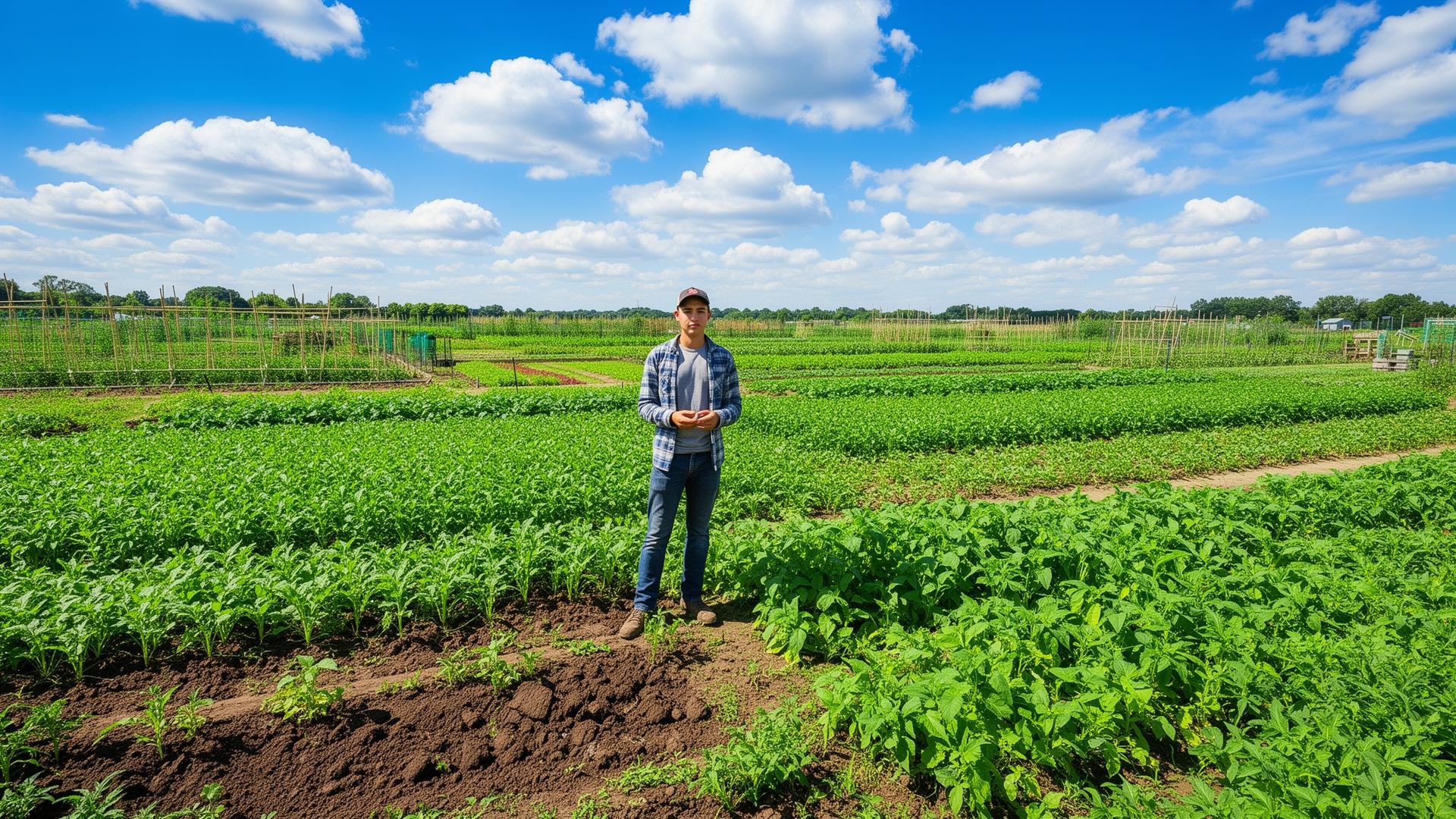
Something remarkable is happening in rural America. While headlines often focus on the challenges facing traditional agriculture, a quiet revolution is underway. A new generation of land buyers—many under 40—is snapping up farmland not to continue conventional practices, but to pioneer regenerative farming methods that promise to heal the soil, sequester carbon, and create profitable, sustainable agricultural enterprises.
The Generational Shift in Farmland Ownership
For decades, the average age of American farmers has steadily climbed. According to the USDA's Census of Agriculture, the average farmer is now over 57 years old—the highest ever recorded. But beneath these statistics lies a fascinating counter-trend: millennials and Gen Z are entering agriculture at unprecedented rates, driven not by family tradition but by a deep commitment to environmental stewardship and sustainable food systems.
These young farmers aren't looking for just any land. They're specifically seeking acreage suitable for regenerative agriculture—farming practices that go beyond sustainability to actually restore and improve the land's ecological health. This targeted approach to farmland acquisition represents a fundamental shift in how the next generation views rural property investment.
The numbers tell a compelling story. While overall farm numbers have declined, operations using organic and regenerative practices have grown by over 56% in the past decade. And the buyers? They're younger, more educated, and often come from non-farming backgrounds. Many are first-generation farmers who discovered regenerative agriculture through climate activism, food justice movements, or a simple desire to reconnect with the land.
What Is Regenerative Farming and Why Does It Matter?
Regenerative agriculture is a holistic approach to farming that prioritizes soil health, biodiversity, and ecosystem restoration. Unlike conventional agriculture, which often depletes natural resources, regenerative practices actively improve the land's capacity to support life—including the microorganisms, insects, and wildlife that create healthy agricultural ecosystems.
Cover Cropping
Planting diverse crops to protect and enrich soil between main harvests
No-Till Farming
Minimizing soil disturbance to preserve beneficial organisms and structure
Rotational Grazing
Moving livestock strategically to mimic natural grazing patterns
Composting
Returning organic matter to the soil to build fertility naturally
These practices work together to build soil organic matter, which increases the land's ability to hold water, resist drought, and sequester carbon. For young buyers evaluating agricultural property, understanding these concepts is essential—and many are using soil health assessments as key decision factors when purchasing farmland.

Healthy soil teeming with life is the foundation of regenerative agriculture
Why Young Buyers Are Choosing Regenerative Farmland
Climate Consciousness Meets Investment Strategy
For many young land buyers, the decision to pursue regenerative farming is deeply personal. They've grown up watching climate change accelerate and want to be part of the solution. But they're also savvy investors who recognize that farmland—especially well-managed farmland—historically outperforms many traditional investments. The combination of environmental impact and financial returns makes regenerative farmland particularly attractive to this generation.
Carbon Markets Create New Revenue Streams
One of the most exciting developments driving young farmers to regenerative practices is the emergence of agricultural carbon markets. Companies seeking to offset their emissions are paying farmers to sequester carbon in their soil through regenerative practices. This creates an entirely new income stream that didn't exist a decade ago—and young, tech-savvy farmers are well-positioned to navigate these emerging markets. Some regenerative operations report earning $15-50 per acre annually just from carbon credits, on top of their agricultural revenue.
Premium Prices for Regeneratively-Raised Products
Consumer demand for sustainably-produced food continues to surge. Products from regenerative farms often command significant premiums—sometimes 20-50% above conventional prices. Young farmers are building direct-to-consumer relationships through farmers markets, community-supported agriculture (CSA) programs, and online sales platforms. This direct marketing approach, combined with premium pricing, makes smaller regenerative operations economically viable in ways that conventional small farms often struggle to achieve.
Lower Input Costs Over Time
While the transition to regenerative practices requires initial investment and patience, established regenerative farms typically have significantly lower operating costs. By building soil fertility naturally, farmers reduce or eliminate the need for synthetic fertilizers. Healthy ecosystems with diverse plantings naturally resist pests, reducing pesticide expenses. And improved soil structure means less irrigation is needed. Young farmers, thinking long-term, recognize these cost advantages as building sustainable profitability.
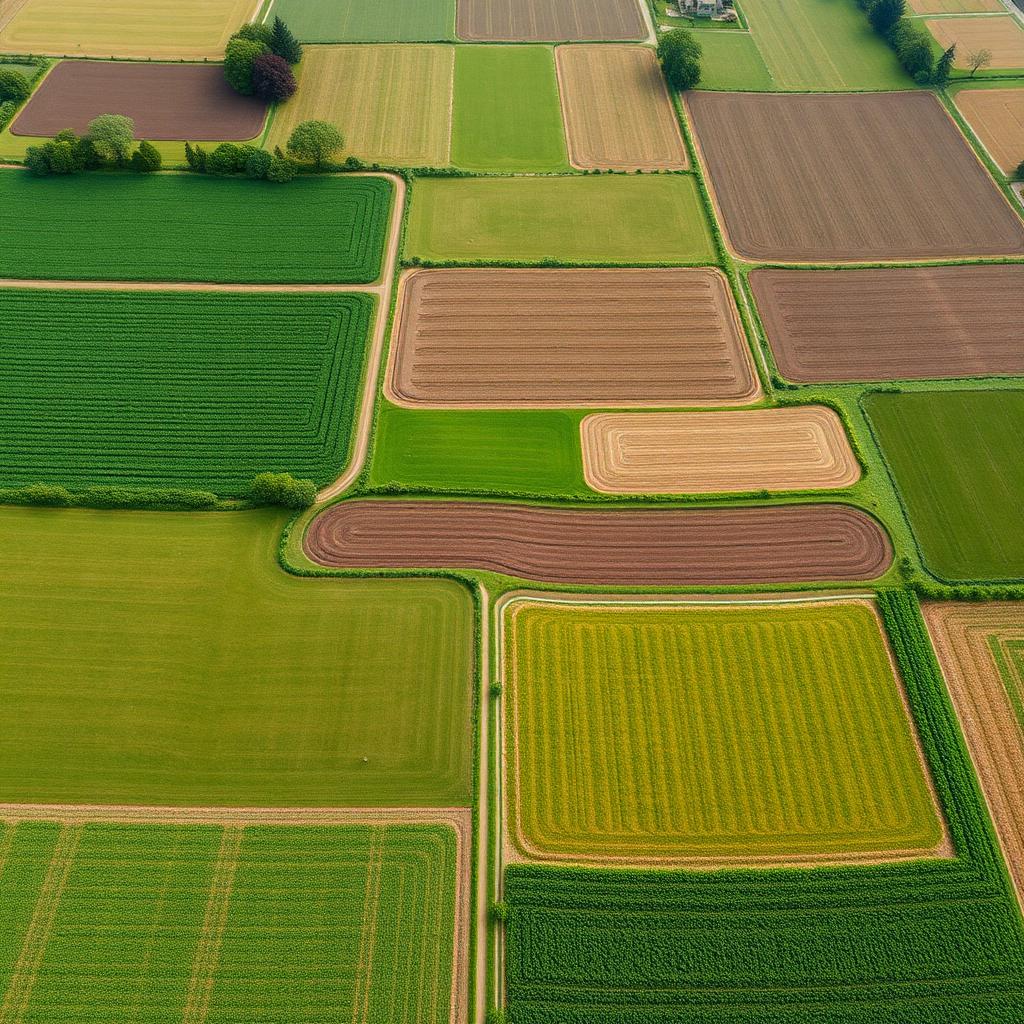
Diversified regenerative farms feature multiple enterprises working in harmony
What Regenerative Farmers Look for When Buying Land
Not all farmland is created equal when it comes to regenerative potential. Experienced regenerative farmers and aspiring young buyers evaluate properties differently than conventional agricultural investors. Here's what matters most when assessing land for regenerative farming:
Soil History & Health
Land that's been farmed conventionally for decades may have depleted soils, but this isn't necessarily a dealbreaker. Some young farmers specifically seek degraded land at lower prices, knowing that regenerative practices can restore it. A soil test revealing low organic matter might actually indicate upside potential.
Water Access & Rights
Reliable water access is crucial for regenerative farming. Young buyers carefully evaluate water rights, well capacity, and natural water features. Healthy watersheds and wetland areas are particularly valued for their role in sustainable water management.
Topography & Microclimates
Varied topography creates diverse microclimates that support biodiversity and enable multiple agricultural enterprises. Rolling hills, woodlots, and varied sun exposure are assets for regenerative operations.
Community & Markets
Access to direct-market customers matters. Young regenerative farmers often prioritize land within reasonable distance of urban centers, farmers markets, or restaurant communities that value sustainably-produced food.
Understanding these evaluation criteria helps both buyers and sellers navigate the regenerative farmland market effectively. If you're looking to sell vacant land that has agricultural potential, highlighting soil quality, water resources, and location relative to markets can attract regenerative-minded buyers willing to pay fair prices.
The Economics of Regenerative Farmland Investment
For young buyers considering farmland acquisition, the financial picture for regenerative operations is increasingly attractive. While initial land costs remain a significant barrier, especially in competitive markets, several economic factors favor the regenerative approach over the long term.
Research from the Rodale Institute, a pioneer in organic and regenerative agriculture research, shows that regenerative farms can achieve profitability comparable to conventional operations within 3-5 years of transition—and often exceed conventional profitability after the transition period. The key is patience during the soil-building phase and strategic diversification of income streams.
Younger farmers are also finding creative financing solutions. USDA Beginning Farmer programs offer favorable loan terms. Land trusts and conservation organizations sometimes offer below-market leases or purchase options for farmers committed to sustainable practices. And a growing number of impact investors are specifically seeking to fund regenerative agricultural operations.
For landowners considering selling, this buyer demographic represents significant opportunity. Young regenerative farmers are serious, motivated buyers who often have access to specialized financing. They're looking for land with potential, not just current production value—which means properties that might seem less attractive to conventional agricultural buyers could be perfect for regenerative operations.
The Future of Farming Is Regenerative
The movement of young buyers into regenerative farmland shows no signs of slowing. Climate concerns, health consciousness, and desire for meaningful work continue driving talented young people toward agriculture. And regenerative practices offer a way to address all these motivations while building economically viable farming operations.
Major food companies are increasingly committing to regenerative supply chains. General Mills, Cargill, and other industry giants have announced significant regenerative agriculture initiatives. This corporate demand creates expanding markets for regeneratively-produced crops and livestock—further supporting the business case for young farmers investing in these practices.
Policy support is also growing. The USDA has expanded conservation programs that support regenerative practices. State governments are developing their own incentive programs. And carbon market frameworks are becoming more sophisticated, making it easier for farmers to monetize their environmental benefits.
For landowners holding agricultural property—whether actively farmed or vacant land with agricultural potential—the rise of regenerative farming represents an opportunity. This new generation of buyers is actively seeking land, often willing to pay fair market values, and brings both capital and commitment to the properties they acquire. If you're considering selling rural land, you can evaluate raw land essential factors to understand what buyers are looking for.
Own Farmland You're Ready to Sell?
Whether you have active farmland, pasture, or vacant rural acres, today's regenerative buyers are actively seeking properties with agricultural potential. Get a fair cash offer and skip the traditional listing process.
Conclusion: A New Chapter for American Agriculture
The rise of regenerative farming among young buyers represents more than a trend—it's a fundamental reimagining of American agriculture. This generation is proving that farming can be economically viable, environmentally beneficial, and deeply fulfilling work. They're building operations that improve the land rather than depleting it, creating food systems that nourish communities while healing ecosystems.
For current landowners, this shift creates opportunities. The demand for suitable farmland from regenerative-minded buyers continues growing. These aren't tire-kickers or dreamers—they're serious entrepreneurs with business plans, access to capital, and long-term commitments to the land they acquire.
Whether you're a young farmer seeking your first acres or a landowner considering selling, understanding the regenerative agriculture movement helps you navigate today's rural land markets. The future of farming is being written now, one regenerative farm at a time—and it's a story of hope, innovation, and renewal for American agriculture. For complete guidance on land transactions, review our due diligence checklist for land buyers to ensure a smooth process.
Ready to Sell Your Land?
Get Your Free Cash Offer
Fill out the form below and receive a no-obligation offer within 24 hours