Raw Land to RV Park: A 12-Month Case Study (With Actual Numbers)
Real investor timeline, permits, and cash flow breakdown from a successful land development project
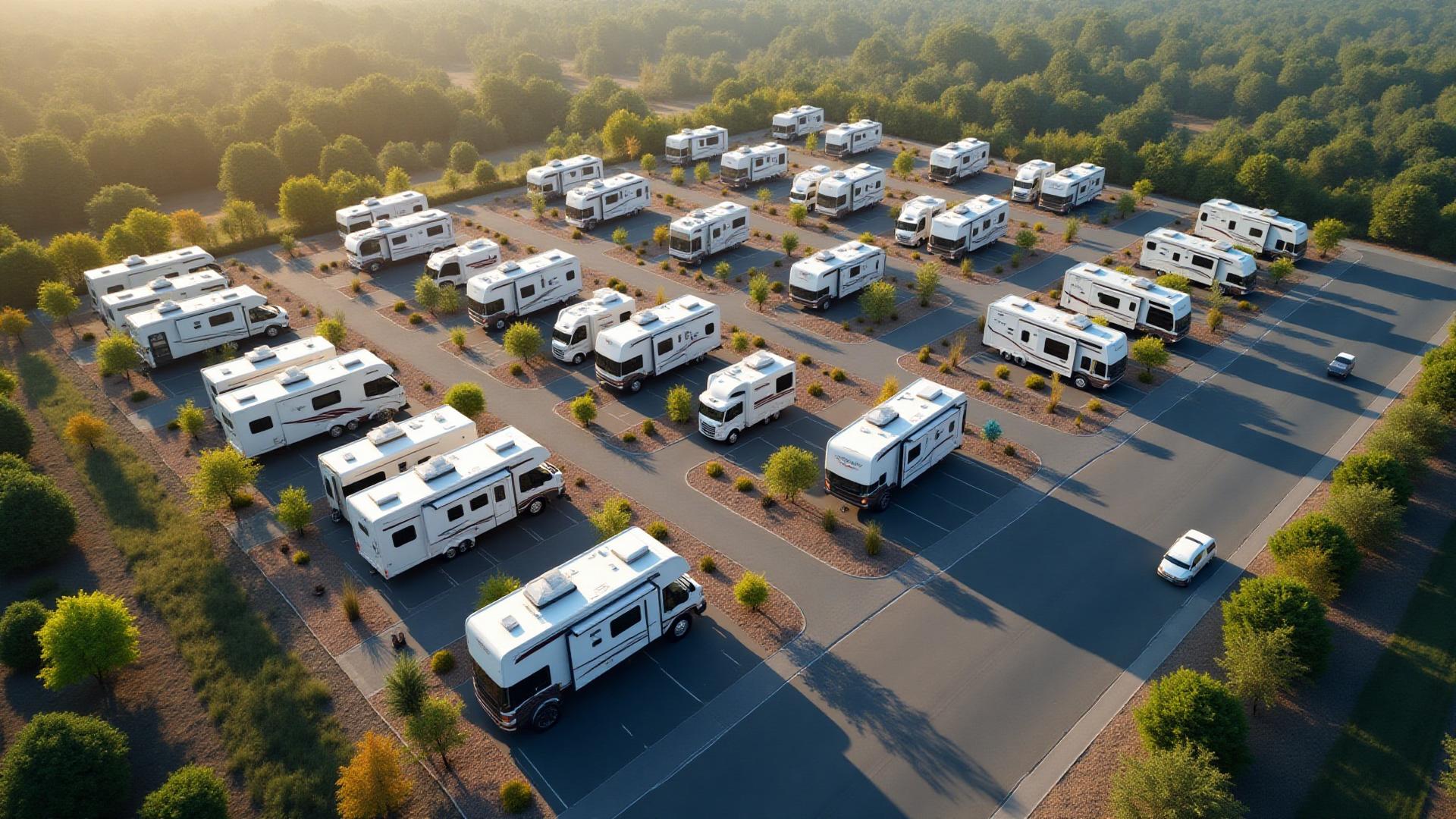
Converting raw land into an RV park is one of the most profitable land development strategies available to investors today. With the booming RV industry and growing demand for quality camping facilities, many landowners are discovering that their undeveloped property could become a lucrative income-generating asset. This comprehensive case study walks you through an actual 12-month RV park development project, including every permit, cost, timeline milestone, and the resulting cash flow numbers.
Whether you own vacant land or are considering purchasing property for RV park development, this detailed breakdown provides the real-world insights you need to evaluate the opportunity. We'll cover everything from initial site selection and zoning approvals to construction timelines and first-year revenue performance.
Project Overview & Key Metrics
Total Investment
$487,500
Development Timeline
12 Months
Year 1 Gross Revenue
$156,800
RV Spaces Created
32 Sites
Month-by-Month Development Timeline
Months 1-2: Site Selection & Acquisition
The journey began with acquiring 15 acres of raw land located near a major interstate highway exit. The property cost $150,000 ($10,000 per acre), which is typical for rural land with highway access. Location is critical for RV park success—proximity to tourist destinations, national parks, or major travel routes significantly impacts occupancy rates.
Costs:
- • Land purchase: $150,000
- • Due diligence (survey, soil tests, title): $8,500
- • Legal fees: $3,200
Total: $161,700
Months 3-4: Permits & Approvals
Securing the necessary permits for RV park development proved to be one of the most time-consuming phases. Requirements vary by jurisdiction, but most areas require conditional use permits, health department approvals for septic or sewer connections, and compliance with local zoning ordinances. This project required rezoning from agricultural to commercial recreational use.
Costs:
- • Zoning application & public hearing fees: $2,800
- • Site plan engineering: $12,500
- • Environmental impact study: $6,200
- • Building permits: $4,100
Total: $25,600
Months 5-9: Infrastructure Development
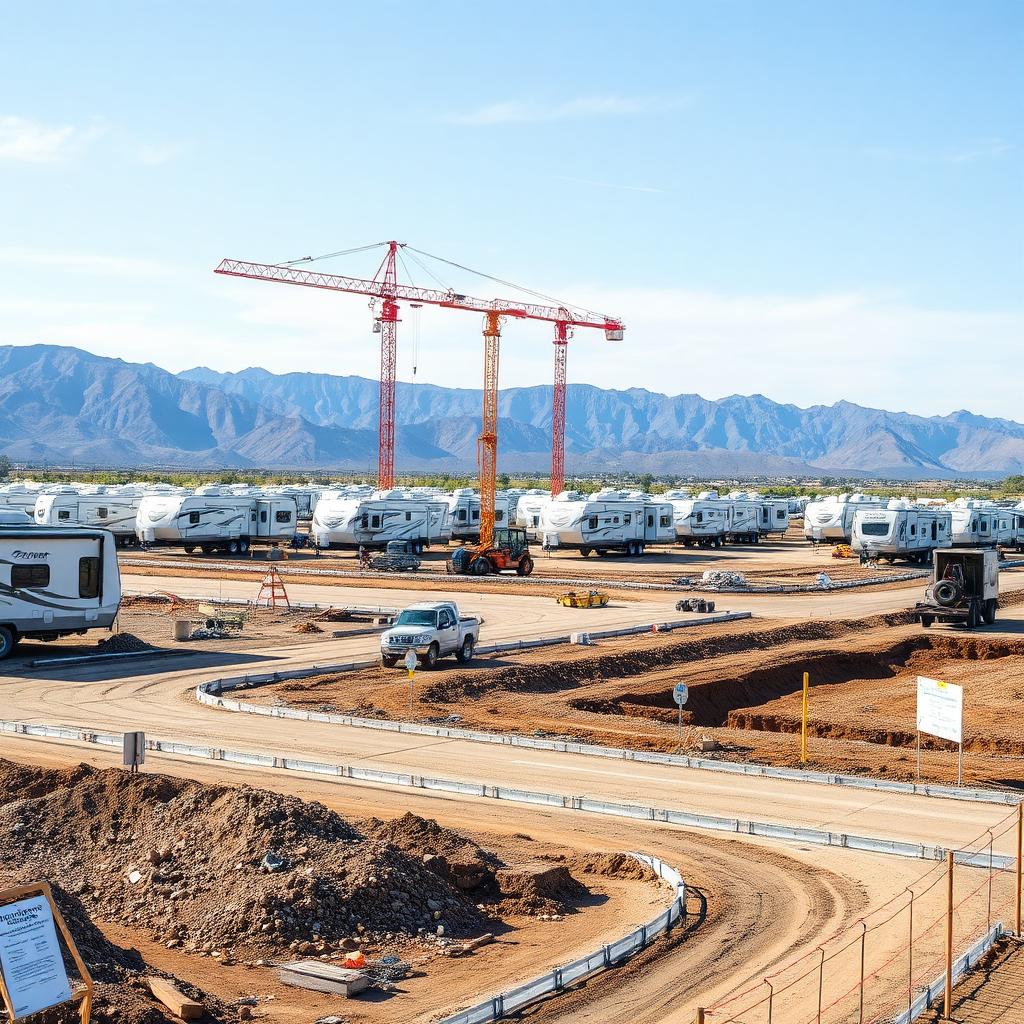
The bulk of the investment went into developing the infrastructure necessary for a functional RV park. This included site grading, internal road construction, utility installation, and creating individual RV pad spaces. Each of the 32 sites was equipped with full hookups: water, sewer, and 50-amp electrical service—essential amenities that command premium nightly rates.
Costs:
- • Site grading & excavation: $28,000
- • Internal roads (gravel base & asphalt): $45,000
- • Water system & hookups: $52,000
- • Sewer system installation: $48,000
- • Electrical infrastructure & pedestals: $67,000
- • Storm drainage system: $18,500
Total: $258,500
Months 10-11: Amenities & Finishing Touches
Modern RV travelers expect more than just a parking space. Adding amenities significantly improves marketability and allows for higher nightly rates. This project included a bathhouse with showers and restrooms, a small laundry facility, WiFi infrastructure, and basic landscaping to enhance curb appeal.
Costs:
- • Bathhouse construction: $35,000
- • Laundry facility: $8,200
- • WiFi system installation: $4,500
- • Signage & lighting: $6,800
- • Landscaping & beautification: $9,200
Total: $63,700

Month 12: Marketing & Grand Opening
The final phase focused on marketing the new RV park and securing initial bookings. A professional website was developed, listings were created on popular RV travel platforms like RVshare and Campendium, and local tourism boards were contacted. A soft opening helped work out operational kinks before the busy summer season.
Costs:
- • Website development & photography: $3,800
- • Initial marketing campaign: $5,200
- • Grand opening event: $2,100
- • Insurance (first year): $6,800
Total: $17,900
First-Year Financial Performance
Revenue Breakdown
Operating Expenses
Cash-on-cash return: 21.8% annually
The park achieved approximately 68% occupancy during the first year of operation, which is strong performance for a new RV park. Occupancy rates typically improve in years two and three as word-of-mouth marketing and positive reviews accumulate. The average nightly rate of $45 represents a mid-market positioning—premium parks with extensive amenities in high-demand areas can command $60-$100+ per night.
Key Lessons & Success Factors
Location is Everything
Proximity to interstate highways, tourist attractions, or natural features dramatically impacts occupancy rates and pricing power. The property's location near a major interstate exit and within 30 miles of a national park proved invaluable.
Full Hookups Command Premium Rates
Investing in complete water, sewer, and 50-amp electrical hookups at each site allowed for premium pricing. Parks with partial hookups or dry camping only struggle to maintain occupancy and must discount rates significantly.
Permits Take Longer Than Expected
The permitting phase consumed two months—longer than initially projected. Building relationships with local planning departments and hiring experienced land use attorneys proved essential for navigating the approval process efficiently.
Seasonal Revenue Patterns
Revenue varied significantly by season, with summer months (June-August) generating 45% of annual income. Understanding and planning for seasonal cash flow variations is critical for financial success.
Is RV Park Development Right for Your Land?
Converting raw land to an RV park can generate substantial returns, but it requires significant upfront capital investment and ongoing operational commitment. This development strategy works best for landowners who have access to development financing, possess land in desirable locations, and are prepared for the time investment required during the first 12-18 months.
However, not all land is suitable for RV park development. Properties without adequate road access, those in areas with restrictive zoning laws, or land lacking utility infrastructure access may face prohibitive development costs. If you're evaluating whether to develop your property or sell vacant land for immediate liquidity, consider factors like your available capital, risk tolerance, and desired level of involvement in ongoing operations.
Alternative Considerations
While RV parks can be lucrative, they're not the only option for monetizing raw land. Depending on your property's characteristics, alternatives like selling to developers, leasing for agricultural use, or exploring other commercial applications might provide better risk-adjusted returns without the extensive capital requirements and operational demands.
Many landowners discover that the time, capital, and effort required for development projects doesn't align with their financial goals or lifestyle preferences. In these cases, selling the land and deploying capital into passive investment opportunities may deliver comparable returns without the development risks and management headaches.
The Bottom Line
This 12-month case study demonstrates that converting raw land to a profitable RV park is achievable with proper planning, adequate capital, and strategic location selection. The project generated a 21.8% cash-on-cash return in its first year, with strong prospects for improved performance as occupancy rates increase and operational efficiencies are realized.
Total development costs of $487,500 created an asset generating over $106,000 in annual net operating income, with significant potential for value appreciation as the business matures. However, success requires substantial upfront investment, patience through the permitting and construction phases, and commitment to ongoing property management and marketing.
For landowners considering RV park development, thorough due diligence on local market demand, competitive analysis of existing RV parks in the area, and realistic financial projections are essential. Working with experienced land development professionals, engineers, and RV park consultants can help avoid costly mistakes and accelerate the path to profitability.
Considering Your Land Development Options?
Whether you're exploring RV park development or considering selling your vacant land, we can help you evaluate your options and make the best decision for your financial goals.