When purchasing a home or land, one of the most important financial decisions you'll make is how to handle property taxes. Many mortgage lenders offer the option to include property taxes in your monthly mortgage payment through an escrow account. But is this the right choice for you? Let's explore the advantages and disadvantages of including property taxes in your home loan.
Understanding Property Tax Escrow Accounts
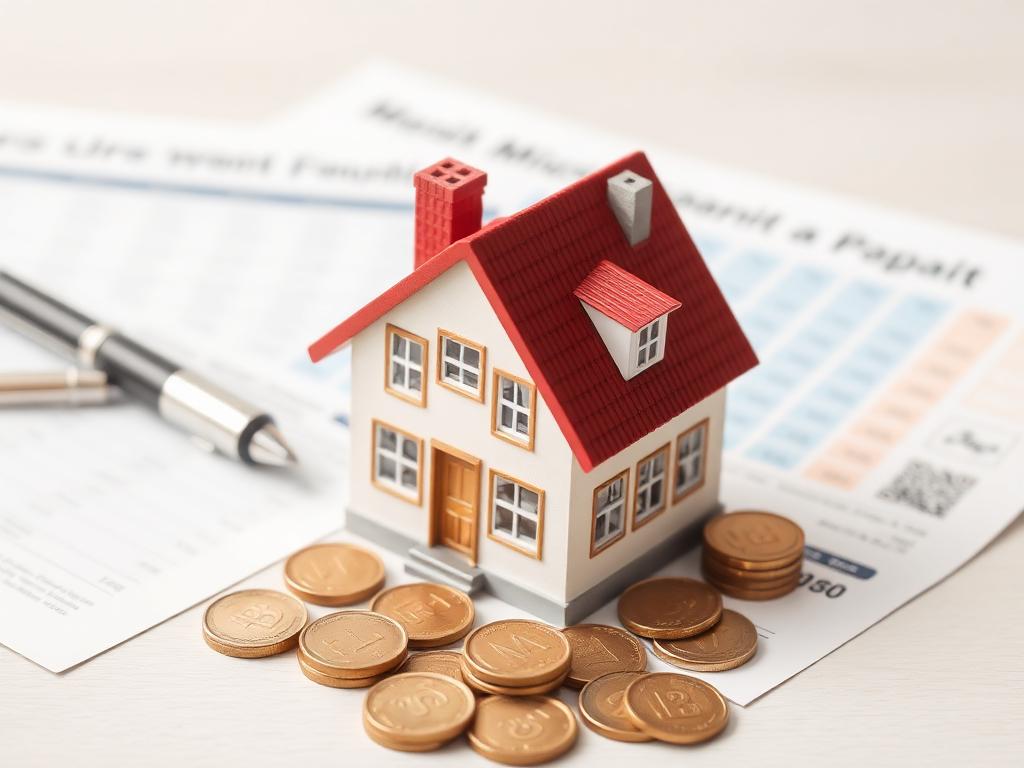
An escrow account is a separate account managed by your mortgage lender or servicer. Each month, a portion of your mortgage payment is deposited into this account to cover property taxes and homeowners insurance. When these bills come due, your lender pays them directly from your escrow account.
According to the Consumer Financial Protection Bureau, approximately 80% of homeowners with mortgages use escrow accounts for property taxes and insurance. This widespread adoption speaks to both the convenience and the requirements set by many lenders.
Key Statistics About Property Tax Escrow
- 80% of mortgaged homeowners use escrow accounts for property taxes (CFPB, 2024)
- Average annual property tax: $2,471 for U.S. homeowners (Tax Foundation, 2024)
- FHA loans require escrow accounts for property taxes and insurance
- Escrow cushion: Lenders typically hold 2 months' worth of taxes as a buffer
The Pros of Including Property Taxes in Your Loan
1. Simplified Budgeting and Payment Management
One of the most significant advantages of escrow accounts is the convenience of having a single monthly payment that covers your mortgage principal, interest, property taxes, and insurance (often called PITI). Instead of worrying about large annual or semi-annual tax bills, you spread the cost evenly throughout the year.
This predictable monthly payment makes it easier to budget and eliminates the stress of saving for a large lump sum payment. According to financial advisors, this approach works particularly well for first-time homebuyers who are still adjusting to homeownership costs.
2. Never Miss a Property Tax Payment
When your lender manages your property taxes through escrow, you never have to worry about missing a payment deadline. Late property tax payments can result in penalties, interest charges, and in extreme cases, even tax liens on your property.
Your lender has a vested interest in ensuring property taxes are paid on time to protect their investment in your property. They'll monitor tax bills and make payments automatically, giving you peace of mind.
3. Required for Certain Loan Types
For many borrowers, especially those with FHA loans, VA loans, or conventional loans with less than 20% down payment, escrow accounts aren't optional—they're required. These requirements protect both the lender and the borrower from the risk of unpaid taxes.
Even if you could opt out, having an escrow account established from the start can sometimes result in better loan terms or lower interest rates from certain lenders.
4. Protection from Tax Increases
Property taxes can increase annually based on reassessments and local budget needs. When you have an escrow account, your lender monitors these changes and adjusts your monthly payment accordingly. You won't be caught off guard by a sudden large tax bill that you're unprepared to pay.
The Cons of Including Property Taxes in Your Loan
1. Higher Monthly Mortgage Payment
Including property taxes in your mortgage payment significantly increases your monthly obligation. While this doesn't change the total amount you pay annually, it can affect your debt-to-income ratio and how much house you qualify to purchase.
For example, if your annual property taxes are $3,600, that's an additional $300 per month added to your mortgage payment. This can impact your borrowing power and might limit your housing options.
2. Lost Investment Opportunity
Money sitting in an escrow account typically earns little to no interest. In some states, lenders are required to pay interest on escrow accounts, but the rates are usually minimal—often less than 1% annually.
If you're financially disciplined, you could potentially earn higher returns by keeping that money in a high-yield savings account or investment until the tax payment is due. With current high-yield savings accounts offering 4-5% APY, the opportunity cost can be significant over time.
3. Less Control Over Your Money
When you opt for an escrow account, you're essentially giving your lender control over a portion of your funds. Some homeowners prefer to maintain direct control over their finances and make tax payments themselves on their own schedule.
Additionally, escrow account analysis and adjustments can sometimes result in unexpected payment increases if your lender underestimated your property taxes or if there were significant reassessments.
4. Escrow Shortage and Surplus Issues
Escrow accounts are analyzed annually, and sometimes there can be shortages or surpluses. A shortage occurs when your property taxes increase more than expected, requiring you to either pay a lump sum or see your monthly payment increase significantly.
Conversely, if there's a surplus, you'll receive a refund, but this money has been essentially locked away when you could have used it more productively throughout the year.
5. Administrative Errors Can Occur
While rare, escrow account errors can happen. Payments might be sent late, amounts might be incorrect, or funds might be misapplied. When these errors occur, you're still ultimately responsible for ensuring your property taxes are paid correctly, which can create additional stress and time spent resolving issues.
Who Should Include Property Taxes in Their Loan?
Escrow Accounts Work Best For:
- First-time homebuyers
- Those who prefer simplified budgeting
- Borrowers with less than 20% equity
- People who struggle with saving for large expenses
- Those required by their loan type
Self-Payment Works Best For:
- Financially disciplined homeowners
- Those with substantial equity (20%+)
- Investors seeking higher returns on funds
- People who prefer control over finances
- Experienced homeowners
How to Remove Escrow from Your Mortgage
If you currently have an escrow account but want to pay property taxes independently, you may be able to opt out—but there are requirements:
Build equity: Most lenders require at least 20% equity in your home before allowing escrow removal.
Maintain good payment history: You'll typically need at least 12 months of on-time mortgage payments.
Submit a formal request: Contact your loan servicer and complete their escrow waiver form.
Pay any fees: Some lenders charge a small fee to remove escrow, typically $200-$500.
Important Note
FHA and VA loans typically don't allow escrow removal, even with significant equity. Always check your specific loan terms and consult with your lender before making this decision.
Struggling with Property Taxes on Vacant Land?
If you own vacant land and find property taxes burdensome without generating income from the property, it might be time to consider selling. Many landowners in states like Texas, Tennessee, and North Carolina face high property tax bills on undeveloped land.
At PlaceAcre, we specialize in purchasing land quickly for cash—no financing delays, no escrow complications, and no worrying about ongoing property taxes. We handle all closing costs and can complete the transaction in as little as 7 days.
The Bottom Line
Including property taxes in your mortgage payment through an escrow account offers convenience and peace of mind, particularly for new homeowners or those who prefer simplified budgeting. However, it also means less control over your money and potentially lost investment opportunities.
The right choice depends on your financial discipline, loan type, equity position, and personal preferences. If you're required to have an escrow account initially, you can always reassess once you've built sufficient equity and established a solid payment history.
Remember to consult with your lender and a financial advisor to determine the best approach for your specific situation. Whether you choose to include property taxes in your loan or pay them separately, the most important thing is understanding your obligations and planning accordingly.
Related Articles
How to Generate Income from Vacant Land
Discover creative ways to make your land profitable while you own it.
Complete Due Diligence Checklist for Land Buyers
Essential steps before purchasing any piece of land.